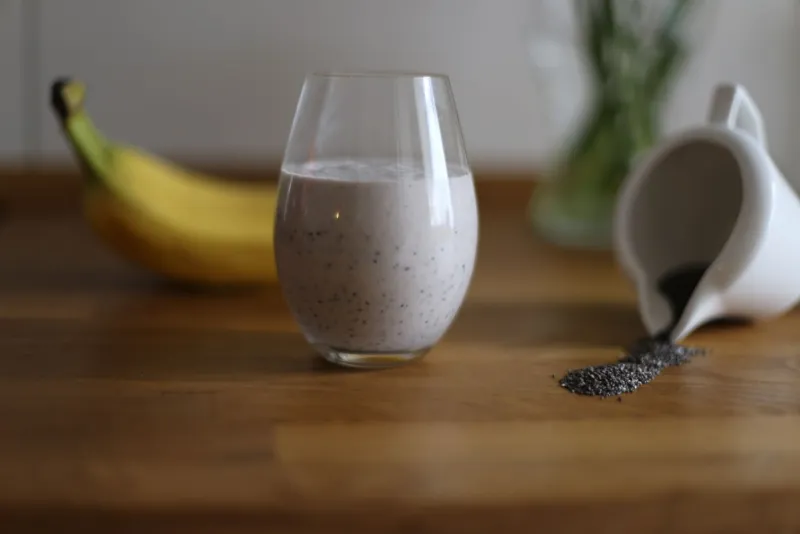
What Are Chia Seeds and Why Are They Considered a Superfood?
Chia seeds (Salvia hispanica) are small, oval seeds originating from Central America. The Aztecs and Mayans used them thousands of years ago as a primary energy source — the word "chia" means "strength" in the Nahuatl language.
Today, chia seeds are back at the peak of popularity, and this time science backs them up. Two tablespoons (28g) of chia seeds contain an impressive array of nutrients:
| Nutrient | Amount (28g) | % Daily Value |
|---|---|---|
| Fiber | 11g | 39% |
| Protein | 4.7g | 9% |
| Omega-3 (ALA) | 5g | 312% |
| Calcium | 179mg | 14% |
| Magnesium | 95mg | 23% |
| Phosphorus | 244mg | 20% |
| Manganese | 0.6mg | 26% |
| Zinc | 1mg | 9% |
| Calories | 138kcal | — |
Chia seeds are one of the best plant-based sources of omega-3 fatty acids — 28g provides more ALA than the same amount of flaxseeds. They are also rich in fiber, which supports digestion and prolongs satiety.
How Do Chia Seeds Affect Digestion and Weight Management?
The most striking property of chia seeds is their ability to absorb water like an absorbent sponge — seeds can absorb up to 12 times their weight in water, forming a gel-like mass.
This gel-forming ability is directly linked to several health effects:
Satiety and weight management:
- The gel-like mass fills the stomach, sending "fullness" signals to the brain
- Slows food movement through the digestive tract, extending energy supply
- A 2010 study showed that chia seeds with a meal reduced postprandial glucose and prolonged satiety (Vuksan et al., 2010)
- Research has shown that chia seeds' nutritional profile supports overall health (Ullah et al., 2016), though their direct weight loss effects require further study (Nieman et al., 2009)
Digestive health:
- 11g of fiber in 28g is impressive — that's nearly half an adult's daily requirement
- Soluble fiber feeds beneficial gut bacteria (prebiotic effect)
- Insoluble fiber promotes regular bowel function
- Together with probiotics, chia seeds form a powerful digestion-supporting combination
Blood sugar stabilization:
- The gel-like mass slows carbohydrate absorption
- Reduces sharp blood sugar spikes and drops after eating
- Especially beneficial for those monitoring glycemic load
Are Chia Seeds a Good Source of Omega-3?
Chia seeds are the absolute champions of plant-based omega-3 fatty acids, but there is an important nuance.
Chia contains ALA (alpha-linolenic acid), which is the plant form of omega-3. The body must convert ALA to EPA and DHA (active forms found in fish), and this conversion is unfortunately very low:
| Conversion | Efficiency |
|---|---|
| ALA → EPA | 5-10% |
| ALA → DHA | 1-5% |
This means that while 28g of chia seeds contains 5g of ALA, the body can only produce approximately 250-500mg of EPA and 50-250mg of DHA from it.
Practical conclusion:
- Chia seeds are an excellent daily omega-3 source for plant-based diets
- But they cannot fully replace fish oil — especially for EPA and DHA
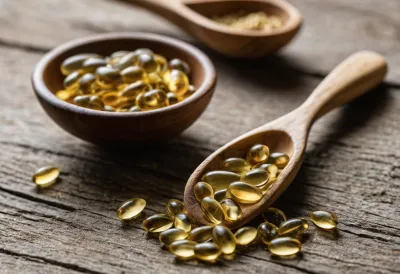
- Optimal strategy: chia seeds for daily ALA supply + omega-3 supplement for EPA/DHA
- For vegans, algae-based DHA supplements are an alternative
Chia vs other ALA sources:
| Source (28g) | ALA Content |
|---|---|
| Chia seeds | 5.0g |
| Flaxseeds | 6.4g |
| Hemp seeds | 2.5g |
| Walnuts | 2.6g |
Flaxseeds contain slightly more ALA, but chia seeds are more versatile in their overall nutrient profile — more fiber, calcium, and protein.
How Do Chia Seeds Support an Athlete's Nutrition?
Chia seeds are popular among athletes, and for several good reasons.
Endurance and energy:
- Aztec runners used chia seeds as an energy source for long-distance runs
- A 2011 study (Journal of Strength and Conditioning Research) compared a chia+juice drink with Gatorade during a 90-minute endurance test — results were identical
- This means chia seeds are a natural alternative to synthetic sports drinks
Recovery between workouts:
- Omega-3 fatty acids support anti-inflammatory response after intense training
- Magnesium (95mg/28g) aids muscle relaxation and recovery
- Protein (4.7g/28g) contributes to muscle building
- Zinc supports the immune system, which is often weakened in athletes with high training loads
Hydration:
- Chia seeds' water-binding capacity helps keep the body hydrated
- Especially useful during long endurance training sessions
- Chia gel in the stomach acts as a water reservoir, releasing gradually
- Together with electrolytes, it forms an effective hydration strategy
Practical athlete recipe (chia energy gel):
- 2 tbsp chia seeds
- 200ml coconut water
- 1 tbsp honey
- Let sit for 15 minutes
- Consume 30 minutes before training
How to Properly Use and Dose Chia Seeds?
Chia seeds are extremely versatile and can be used in multiple ways.
Optimal dosage:
- General health benefits: 15-20g (1-1.5 tbsp) per day
- Athletes: 25-40g (2-3 tbsp) per day
- Start with a smaller amount and increase gradually, especially if your fiber intake is low
Usage methods:
-
Chia pudding — the most popular method
- 3 tbsp chia seeds + 200ml milk/plant drink
- Mix and leave 4-8 hours (or overnight) in the refrigerator
- Add fruits, nuts, honey for flavor
-
Smoothie addition
- Add 1-2 tbsp to smoothies
- No pre-soaking required
- Increases fiber and omega-3 content
-
Baking
- Replace eggs: 1 tbsp chia + 3 tbsp water = 1 egg
- Add to bread and cake batter
- Does not significantly affect taste
-
On salads and oatmeal
- Sprinkle dry on top
- Adds crunch and nutritional value
-
Chia water
- 1 tbsp chia + 300ml water + lemon juice
- Let stand 10-15 minutes
- Good hydration drink
Important recommendations:
- Always drink sufficient water alongside chia seeds — they absorb a lot of fluid
- Soaked chia is preferred, as dry seeds can rarely swell in the esophagus
- Store in a dry, cool place — chia seeds keep for up to 4 years
- Ground chia absorbs better but spoils faster
Are There Side Effects of Chia Seeds?
Chia seeds are generally very well tolerated, but a few things are worth noting.
Possible side effects:
- Digestive issues — increasing fiber too quickly can cause gas, bloating, and abdominal pain. Start with 1 tablespoon and increase gradually
- Allergy — rare but possible. Cross-allergy with mint family plants (chia belongs to the sage genus)
- Blood pressure drop — chia seeds may lower blood pressure, use caution with blood pressure medications
- Blood thinning — high omega-3 content may affect blood clotting, consult a doctor before surgery
Drug interactions:
- Blood pressure medications — the combination may lower pressure too much
- Blood-thinning medications (warfarin) — omega-3 may enhance the effect
- Diabetes medications — the blood sugar-lowering effect may accumulate
Who should be cautious:
- People with swallowing difficulties (dry chia seeds swell)
- People in acute digestive distress
- Children under 2 years old (insufficient research)
How to Combine Chia Seeds with Other Supplements?
Chia seeds work excellently alongside other supplements, creating synergistic effects.
Best combinations:
| Combination | Benefit |
|---|---|
| Chia + probiotics | Fiber feeds probiotic bacteria |
| Chia + vitamin D | Calcium in chia needs vitamin D for absorption |
| Chia + magnesium | Complement each other in muscle recovery |
| Chia + collagen | Protein combination for skin and joints |
| Chia + vitamin C | Antioxidant protection and iron absorption |
Athlete's daily routine with chia:
- Morning: Chia pudding with protein powder and fruits
- Pre-workout: Chia energy gel with coconut water
- Post-workout: Smoothie with chia seeds and BCAAs
- Evening: Salad with chia seeds and omega-3 capsules
Summary
Chia seeds are a true superfood whose title is scientifically justified. Their extraordinary nutrient profile — abundant omega-3, fiber, protein, calcium, and magnesium — makes them a versatile health and sports nutrition supplement.
Key takeaways:
- 28g of chia seeds provides 39% of daily fiber needs and 312% of omega-3 needs
- Gel-forming ability supports digestion, satiety, and hydration
- Good plant-based omega-3 source, but cannot fully replace fish oil for EPA/DHA
- Beneficial for athletes in supporting endurance, recovery, and hydration
- Start with a small amount (15g) and increase gradually
- Always drink sufficient water alongside chia seeds
Adding chia seeds to your daily diet is a simple, affordable, and effective step toward better health. In the MaxFit selection, you will find supplements that complement chia seeds and help make your nutrition plan even more versatile.
References
- Vuksan V, Jenkins AL, Dias AG, et al. (2010). Reduction in postprandial glucose excursion and prolongation of satiety: possible explanation of the long-term effects of whole grain Salba (Salvia hispanica L.). European Journal of Clinical Nutrition, 64(4), 436-438.
- Nieman DC, Cayea EJ, Austin MD, et al. (2009). Chia seed does not promote weight loss or alter disease risk factors in overweight adults. Nutrition Research, 29(6), 414-418.
- Vuksan V, Whitham D, Sievenpiper JL, et al. (2007). Supplementation of conventional therapy with the novel grain Salba (Salvia hispanica L.) improves major and emerging cardiovascular risk factors in type 2 diabetes. Diabetes Care, 30(11), 2804-2810.
- Ullah R, Nadeem M, Khalique A, et al. (2016). Nutritional and therapeutic perspectives of Chia (Salvia hispanica L.): a review. Journal of Food Science and Technology, 53(4), 1750-1758.
- Toscano LT, da Silva CSO, Toscano LT, et al. (2014). Chia flour supplementation reduces blood pressure in hypertensive subjects. Plant Foods for Human Nutrition, 69(4), 392-398.
See also: