


Collagen — Supplements for Joints & Skin
38 products · 27 in stock · €0.00–€62.90 · from €0.08/serving · Estonia 1–3 business days, free from €50.00
1–3 day delivery
Free shipping in Estonia from €50
Secure payment


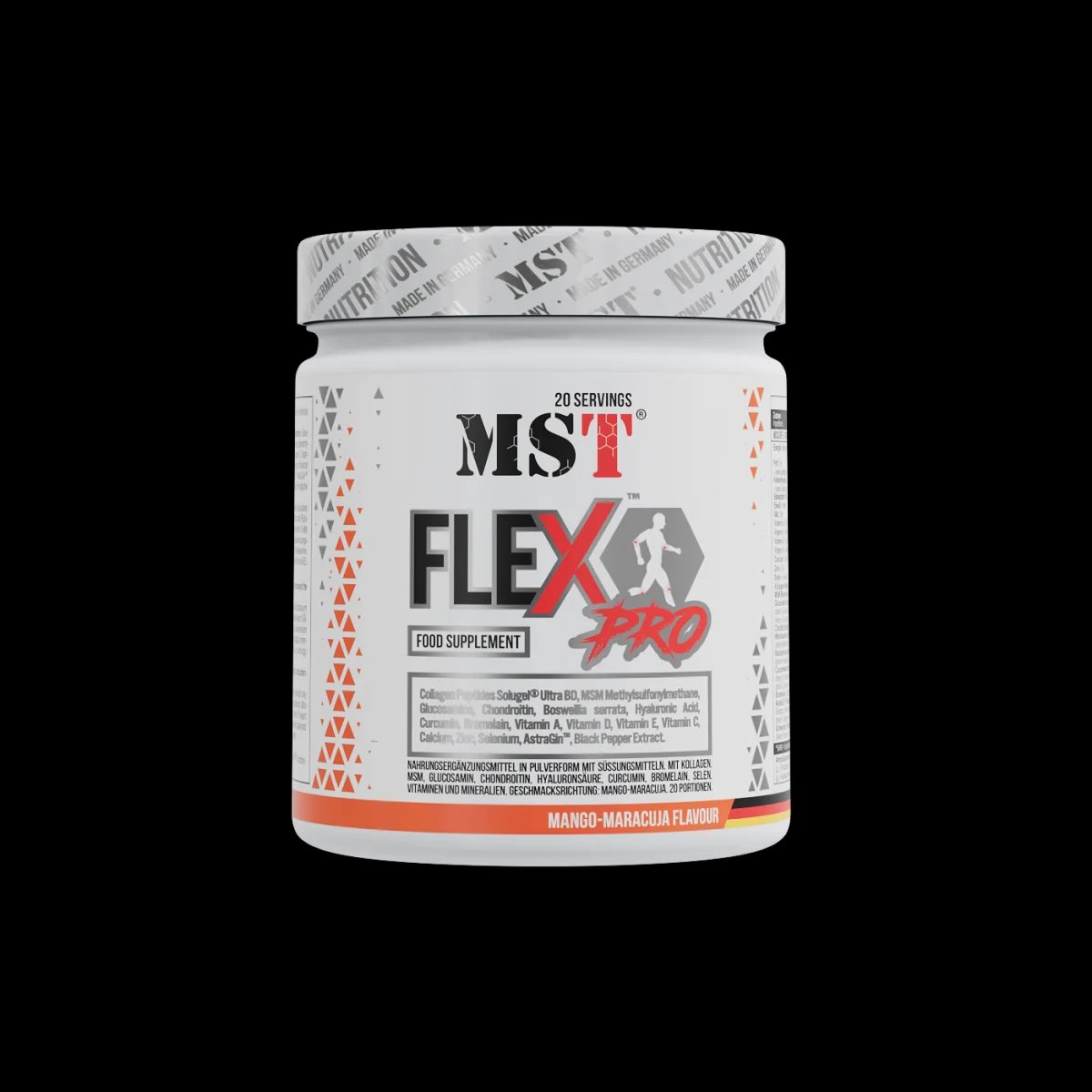
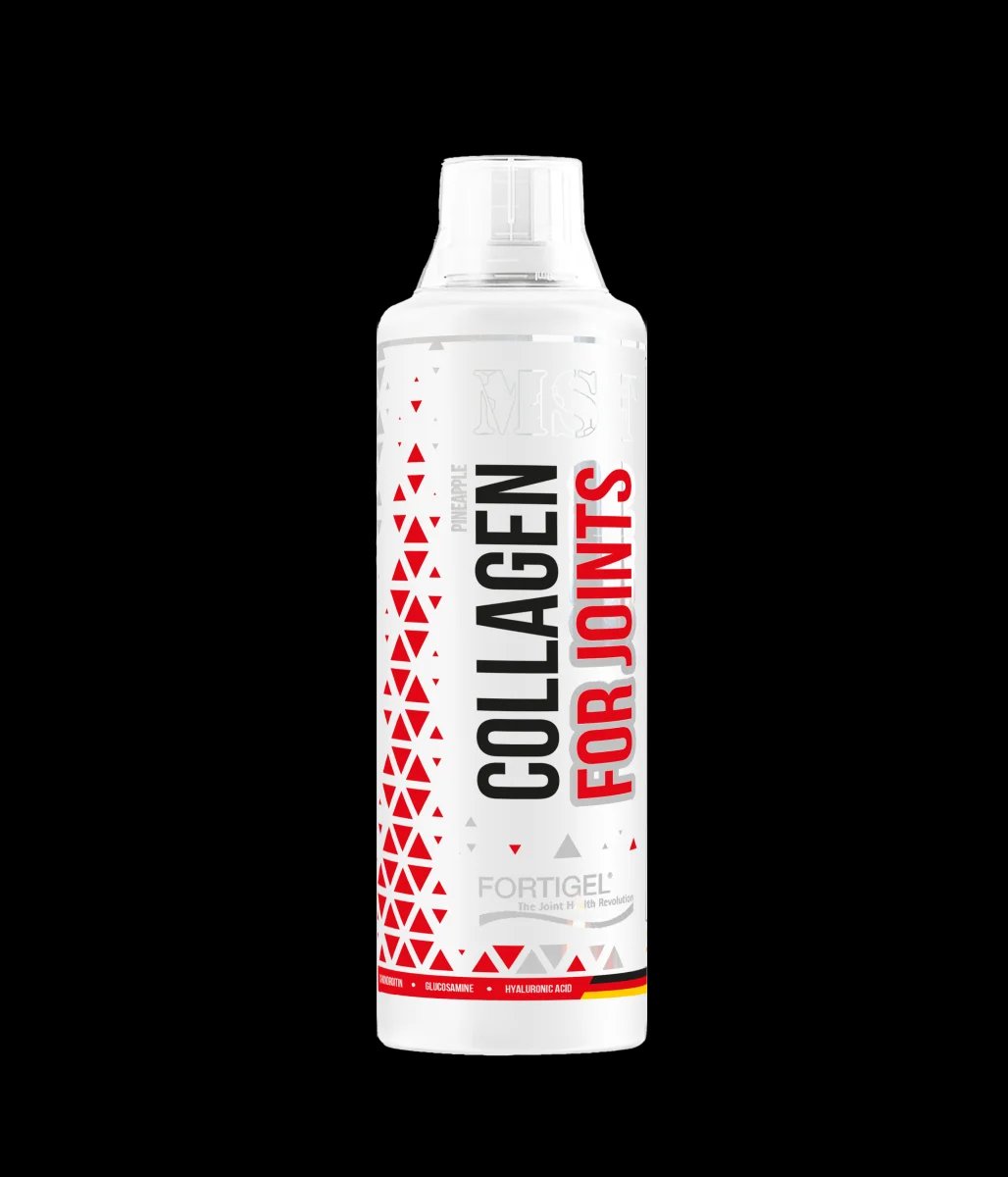
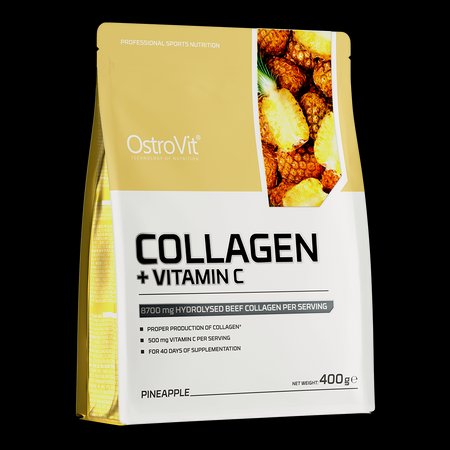


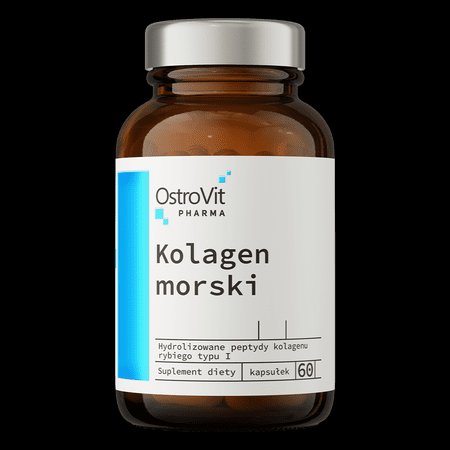
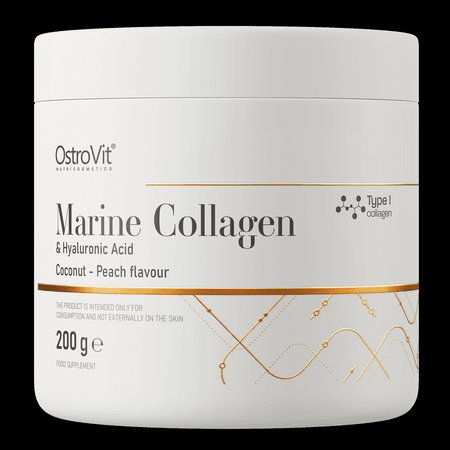
Useful Articles



What is collagen and why do you need it?
Collagen is the most abundant protein in the human body, making up approximately 30% of total protein content. It is the primary structural building block that holds together skin, bones, tendons, joints, and connective tissues. Collagen provides skin with elasticity and firmness, joints with flexibility, and bones with resilience. Starting from age 25, the body's natural collagen production declines by 1–1.5% per year, leading to skin aging, joint stiffness, and weakening bones.
The benefits of collagen are scientifically proven across many areas: improving skin elasticity and hydration, relieving joint pain, supporting bone health, and strengthening the gut lining. Signs of collagen deficiency are often visible — wrinkles and loss of skin elasticity, aching and creaking joints, brittle hair, and nails that break easily. For athletes, collagen is especially important because intense training strains ligaments and tendons. Collagen supplements come in several forms: powder, capsules, and liquid collagen — everyone can find the right solution for their needs.
Collagen types comparison — which collagen to choose?
| Type | Source | Best for | Bioavailability | Notes |
|---|---|---|---|---|
| Type I collagen | Marine, bovine | Skin, hair, nails | High | Most abundant collagen for skin — 90% of skin collagen |
| Type II collagen | Chicken, bovine | Joints, cartilage | Medium | Best collagen for joints and cartilage repair |
| Type III collagen | Bovine | Gut, muscles, blood vessels | Medium | Often works together with Type I for skin and gut |
| Marine collagen | Fish (skin, scales) | Skin, joints (highest absorption) | Very high | Marine collagen absorbs 1.5× better than bovine collagen |
| Hydrolyzed collagen | Various sources | Universal — skin, joints, bones | High | Enzymatically broken-down peptides for fast absorption |
| Collagen peptides | Various sources | Same as hydrolyzed — best powder form | High | Most popular collagen powder form in supplements |
How to choose the best collagen supplement?
When choosing collagen, consider your goals, preferred form, and dosage. Here is a step-by-step guide to help you find the best collagen supplement for your specific needs.
- Identify your goalFor skin and beauty — choose Type I marine collagen with the best absorption. For joints — Type II collagen for cartilage repair. For overall health — hydrolyzed collagen that covers multiple areas at once.
- Choose the collagen form: powder, capsules, or liquidCollagen powder is the most popular — mix it into drinks, smoothies, and food. Collagen capsules are convenient and precisely dosed. Liquid collagen absorbs quickly but is more expensive.
- Check the dosage: 5–15 grams per dayFor skin health, 5–10 grams of collagen per day is sufficient. For joint support, studies recommend 10–15 grams. Start with a smaller dose and increase as needed. Consistency is the key to results.
- Add vitamin C for better absorptionVitamin C is essential for collagen synthesis in the body. Take collagen with vitamin C or choose a product that already contains it. This significantly increases collagen absorption and effectiveness.
- Prefer marine collagen over bovineMarine collagen (from fish) absorbs up to 1.5 times better than bovine collagen due to its smaller molecular size. Marine collagen is also cleaner and suitable for those with sensitivities. It is the best choice for skin.
- Track results and stay consistentCollagen supplement results typically appear after 4–8 weeks. Skin hydration improves first, while joint pain relief takes 2–3 months. Collagen intake must be regular — daily consumption is essential for lasting benefits.
Frequently asked questions about collagen
The best collagen depends on your goal. For youthful and elastic skin, marine collagen Type I is the best choice — it absorbs most effectively due to its smaller molecular size. For joints and cartilage, choose Type II collagen. For overall health, hydrolyzed collagen containing multiple types with good absorption is ideal. Quality collagen powder should contain at least 10 grams of collagen per serving.
Collagen capsules and powder contain the same active ingredient — hydrolyzed collagen peptides. The main difference is in convenience and dosage. Capsules are convenient to carry but often provide a smaller dose (1–3 g). Collagen powder allows for a larger dose (10–15 g) and is more cost-effective. For noticeable results, powder is often the better choice.
Marine collagen comes from fish and primarily contains Type I collagen, which is best for skin, hair, and nails. Marine collagen absorbs up to 1.5 times better than bovine collagen because its peptides are smaller. Regular bovine collagen contains Type I and III collagen and is more affordable. Marine collagen is the preferred choice for skin rejuvenation.
The first results from collagen supplements typically appear after 4–8 weeks of regular use. Skin hydration and elasticity improve first. Joint health improvements usually take 2–3 months. Hair and nail changes become visible after 3–6 months. Consistent daily intake is the key to success.
For joints, Type II collagen is the best choice as it supports cartilage repair and reduces joint pain. Hydrolyzed collagen at 10–15 g per day has shown improved joint mobility in studies. Collagen for joints works best when combined with glucosamine and vitamin C. Athletes should take collagen before their workout.
Currently, truly vegan collagen supplements do not exist because collagen is an animal-derived protein. Products marketed as "vegan collagen" actually contain ingredients that support collagen synthesis, such as vitamin C, zinc, and amino acids. These help the body produce its own collagen but do not replace direct collagen supplementation.
The recommended collagen dosage is 5–15 grams per day depending on your goal. For skin health, 5–10 grams daily is sufficient. For joint support, 10–15 grams is optimal. Athletes benefit from 15 grams for tendon and ligament health. Collagen intake should be consistent — take it daily, preferably in the morning on an empty stomach with vitamin C.