


Vitamin C — Ascorbic Acid & Supplements
7 products · 7 in stock · €3.14–€15.65 · from €0.02/serving · Estonia 1–3 business days, free from €50.00
1–3 day delivery
Free shipping in Estonia from €50
Secure payment



Useful Articles


What is vitamin C and why is it important for immunity?
Vitamin C (ascorbic acid) is a water-soluble vitamin and one of the most powerful natural antioxidants. It is essential for normal immune function, collagen synthesis (affecting skin elasticity and joint health), iron absorption, and protecting cells from oxidative stress. Since the human body cannot produce or store vitamin C, it must be obtained daily from food or supplements.
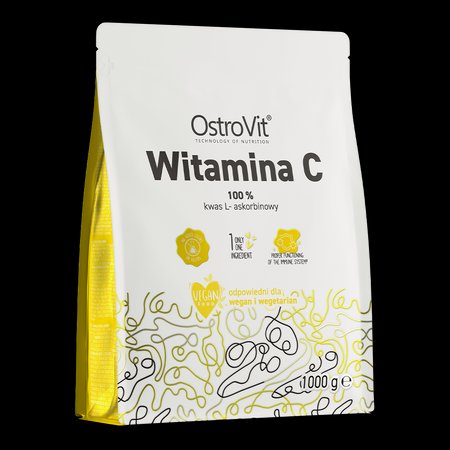
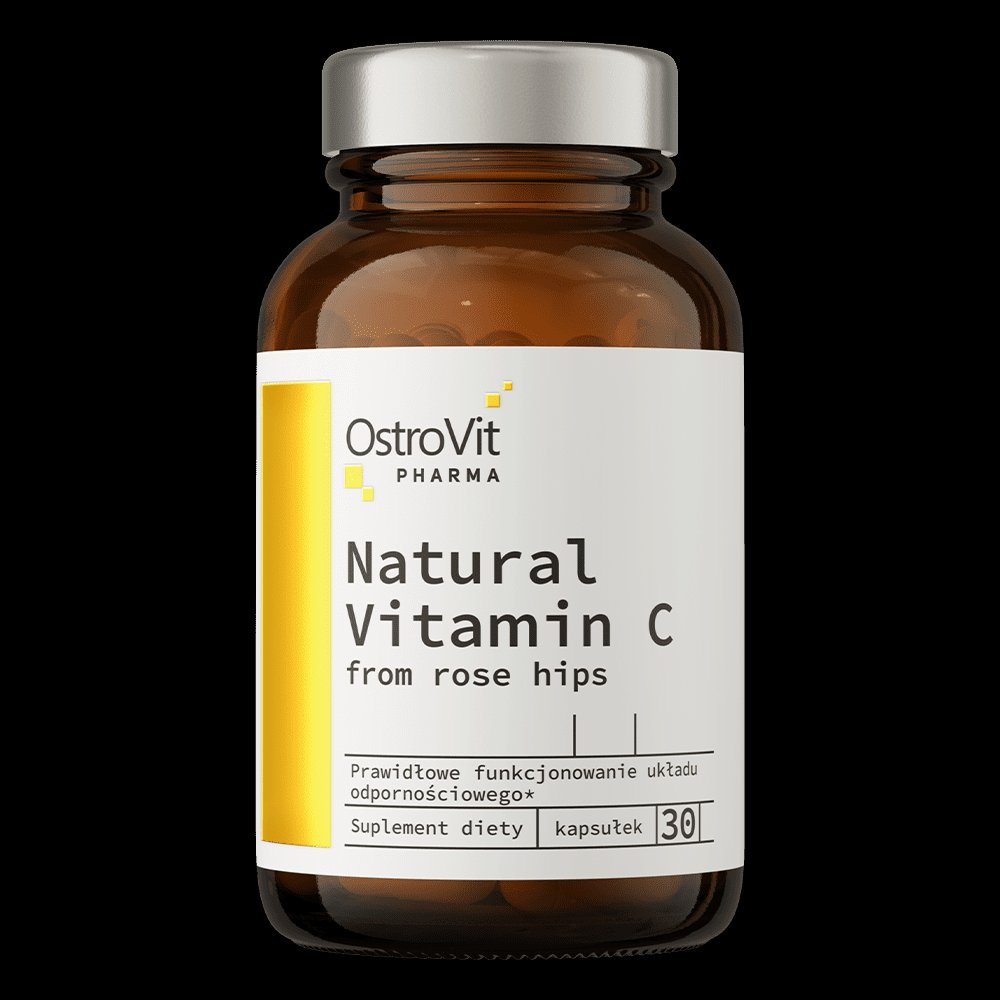
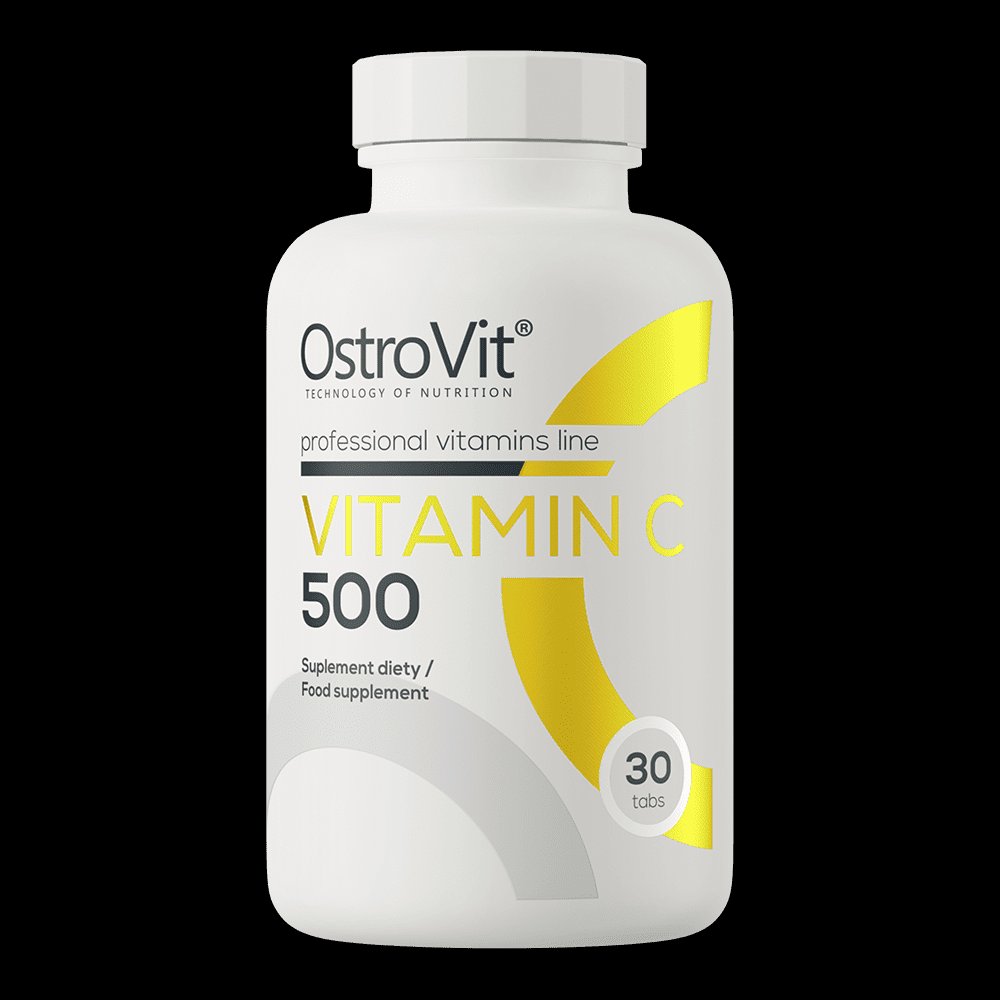
The recommended daily intake of vitamin C for adults is 75-90 mg, but many health experts recommend 500-1,000 mg per day for optimal immunity, especially during cold and flu season. Vitamin C is available in several forms: ascorbic acid (most common), buffered vitamin C (gentler on the stomach), liposomal vitamin C (best bioavailability), and vitamin C powder. For athletes, vitamin C is particularly important as intense training increases oxidative stress.
Frequently asked questions about vitamin C
The recommended minimum is 75-90 mg per day, but for optimal immune support, 500-1,000 mg per day is suitable. For athletes and during stressful periods, up to 2,000 mg per day is recommended. The upper safe limit for vitamin C is 2,000 mg — higher doses may cause digestive discomfort.
Ascorbic acid is the most common and affordable choice. Buffered vitamin C (calcium ascorbate) is suitable for those with sensitive stomachs. Liposomal vitamin C offers the best bioavailability — up to 1.5 times higher absorption compared to regular ascorbic acid.
Vitamin C is water-soluble and excess is excreted in urine, but very high doses (over 2,000 mg) can cause diarrhea, nausea, and kidney stones. Split larger doses throughout the day in smaller portions — this also improves absorption.
Vitamin C can be taken at any time of day. Morning intake with food is the most popular choice. Vitamin C improves iron absorption, so those taking iron supplements should take them together. Avoid vitamin C right before bedtime, as it may disrupt sleep for some people.