


Zinc — Supplements
13 products · 12 in stock · €7.25–€23.00 · from €0.05/serving · Estonia 1–3 business days, free from €50.00
1–3 day delivery
Free shipping in Estonia from €50
Secure payment



Useful Articles


What is zinc and why is it important for immunity and athletes?
Zinc is an essential trace mineral involved in over 300 enzymatic reactions in the body. It is critically important for immune function, cell division, wound healing, protein synthesis, and DNA synthesis. For athletes, zinc is especially important as it supports testosterone production, muscle recovery, and helps combat oxidative stress from intense training.
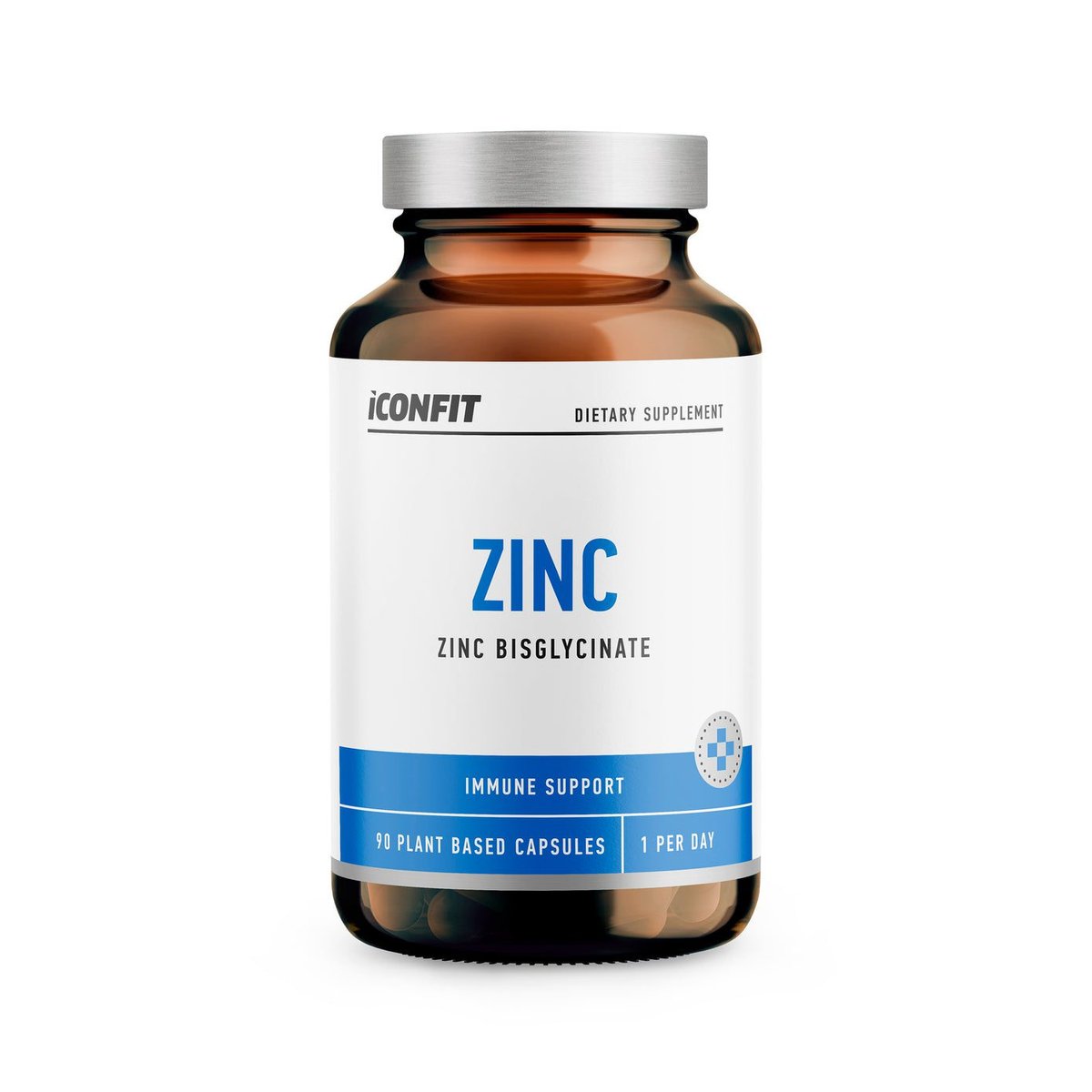
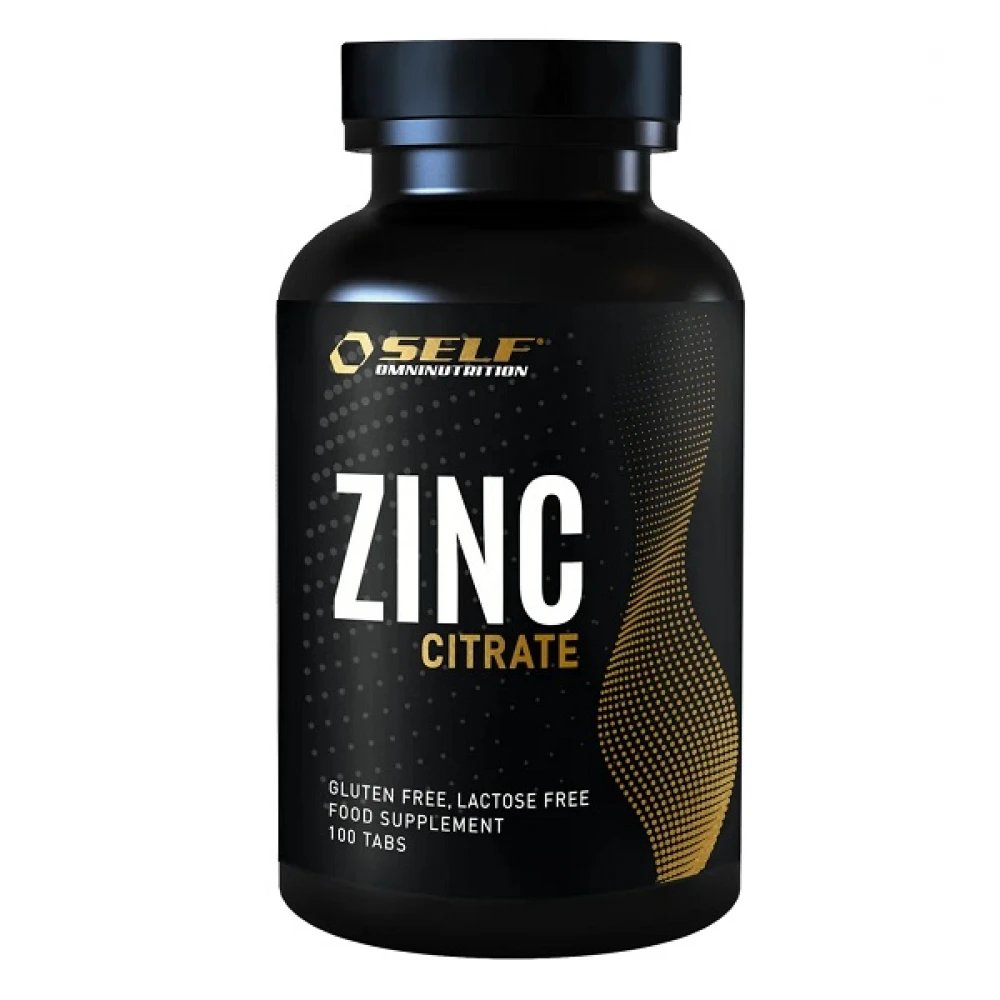
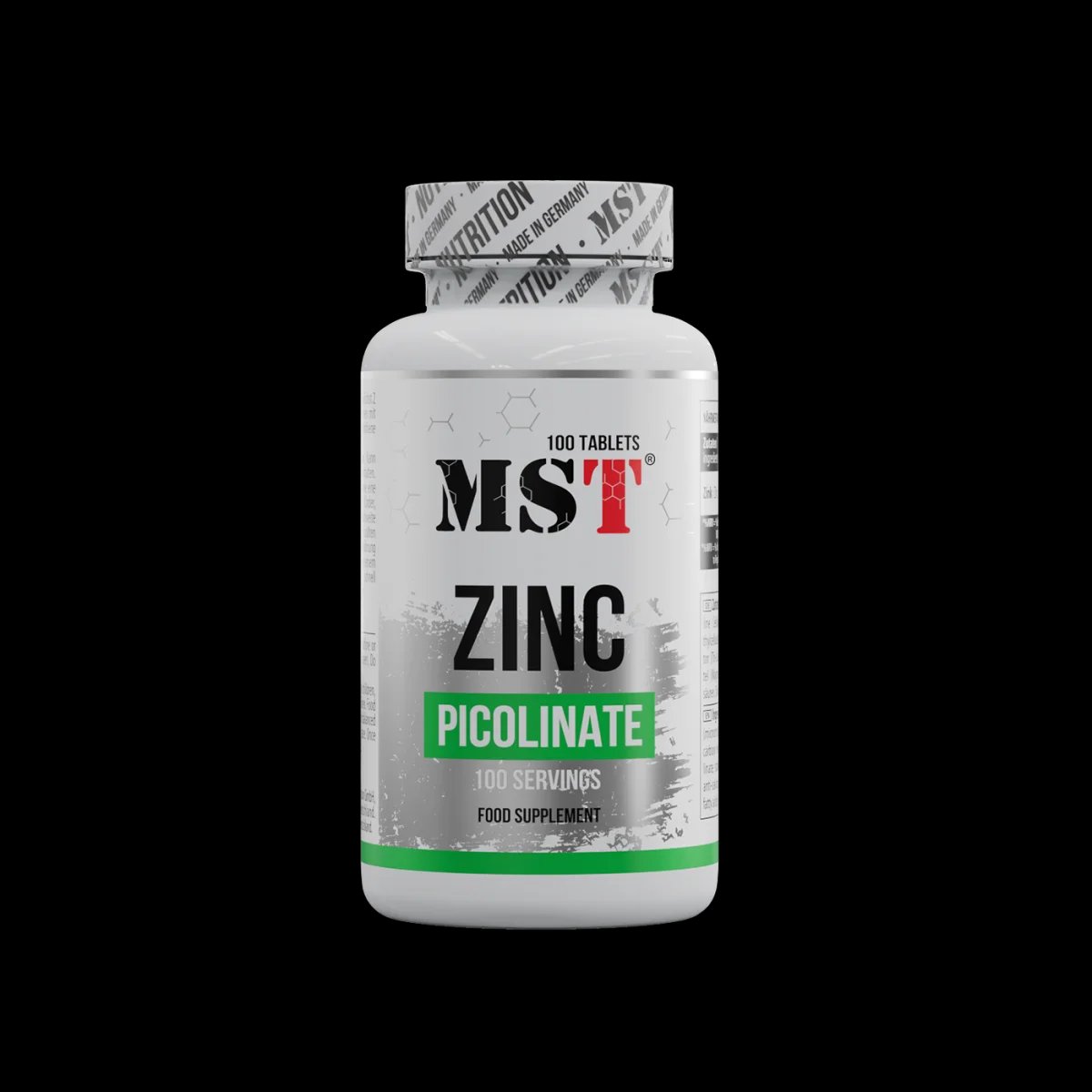
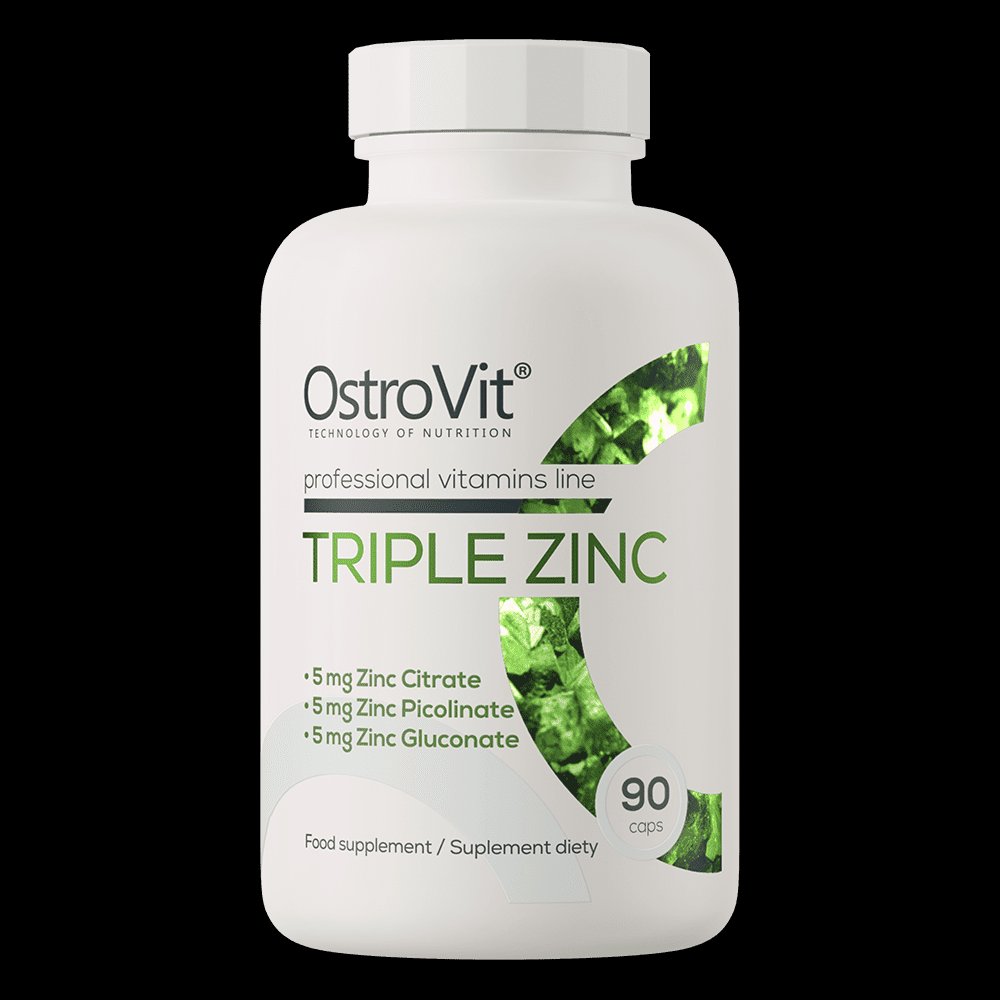
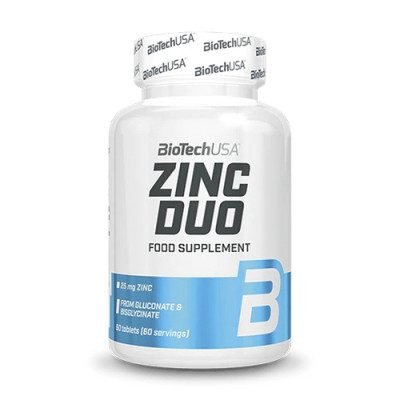
Zinc deficiency is extremely common worldwide — up to 2 billion people are affected. Signs of deficiency include frequent colds, slow wound healing, hair loss, white spots on nails, and skin problems. Zinc is available in several forms: zinc picolinate and zinc bisglycinate have the best bioavailability, zinc citrate is a good all-round choice, and zinc oxide is the most affordable (but has the lowest absorption). The recommended dose is 15-30 mg of elemental zinc per day. Avoid long-term intake above 50 mg, as this may interfere with copper absorption.
Frequently asked questions about zinc
Zinc picolinate and zinc bisglycinate have the highest bioavailability — they absorb well and are gentle on the stomach. Zinc citrate is a good all-round choice at a moderate price. Zinc oxide is the cheapest but absorbs poorly. Athletes may prefer ZMA (zinc + magnesium + B6), which also supports recovery and sleep.
Yes, studies show that taking zinc within the first 24 hours of cold symptom onset can shorten illness duration by 1-3 days. Zinc lozenges are the most effective for this purpose. For prevention, regular intake of 15-30 mg of zinc per day supports immune function.
Yes, long-term intake of over 50 mg of zinc per day can interfere with copper absorption and cause copper deficiency (symptoms: fatigue, anemia). Acute overdose (over 150 mg) causes nausea and vomiting. Stick to the recommended dose: 15-30 mg of elemental zinc per day.
Zinc is best taken with food to avoid nausea. Avoid taking zinc with dairy products, coffee, and iron supplements, as these reduce absorption. Lunch or dinner time works best. Athletes taking ZMA usually take it 30-60 minutes before bedtime.