


Selenium — Supplements
2 products · 2 in stock · €7.25–€18.80 · Estonia 1–3 business days, free from €50.00
1–3 day delivery
Free shipping in Estonia from €50
Secure payment


Useful Articles


What is selenium and why does the body need it?
Selenium is an essential trace mineral that plays a key role in the body's antioxidant defense through the glutathione peroxidase enzyme. It is vital for normal thyroid function, immune system strength, and fertility support. Estonian soil is selenium-poor, putting local residents at a higher risk of deficiency — a supplement can effectively bridge this gap.
Frequently asked questions about selenium
Adults are recommended 55-70 mcg per day. As a supplement, 100-200 mcg daily is optimal. The upper safe limit is 400 mcg — chronic overconsumption causes selenosis (hair loss, brittle nails, fatigue). One Brazil nut provides up to 90 mcg of selenium.
Yes, the thyroid contains more selenium per gram than any other organ. Selenium is needed to convert thyroid hormone T4 into active T3. Studies show selenium supplementation reduces thyroid antibodies in Hashimoto's thyroiditis, supporting a decrease in autoimmune inflammation.
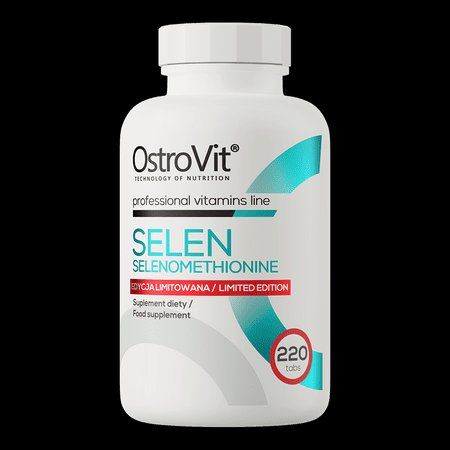
Selenomethionine (organic form) has the best bioavailability — it absorbs well and is stored in tissues efficiently. Sodium selenate is also well absorbed but retained for a shorter time. Selenium in selenium-rich yeast is a good mix of organic forms. The recommended supplement dose is 100-200 mcg per day.
Yes, selenium and zinc work synergistically — both support immune function and antioxidant defense. They do not compete for absorption. Many quality mineral complexes contain both together. This is a particularly good combination for immune support during winter.