


Magnesium — Supplements & Vitamins
26 products · 22 in stock · €6.20–€31.40 · from €0.05/serving · Estonia 1–3 business days, free from €50.00
1–3 day delivery
Free shipping in Estonia from €50
Secure payment






Useful Articles


What is magnesium and why do you need it?
Magnesium is a vital mineral involved in over 300 enzymatic reactions in the human body. It supports normal muscle and nervous system function, helps regulate blood pressure, and is essential for energy production and protein synthesis. Unfortunately, magnesium deficiency is extremely common today — an estimated 50% of people do not get enough magnesium from their diet alone.
Signs of magnesium deficiency are often subtle and easy to overlook: muscle cramps and twitching, sleep disturbances, anxiety and mood changes, chronic fatigue, and irregular heartbeat. Athletes, people under chronic stress, and the elderly are at particularly high risk. The best magnesium supplement is one that matches your specific needs — whether that is better sleep, stress relief, energy support, or muscle recovery. Magnesium supplements come in many forms: capsules, tablets, powder, and liquid magnesium.
Comparison of magnesium forms
| Form | Bioavailability | Best use | GI tolerance | Price | Notes |
|---|---|---|---|---|---|
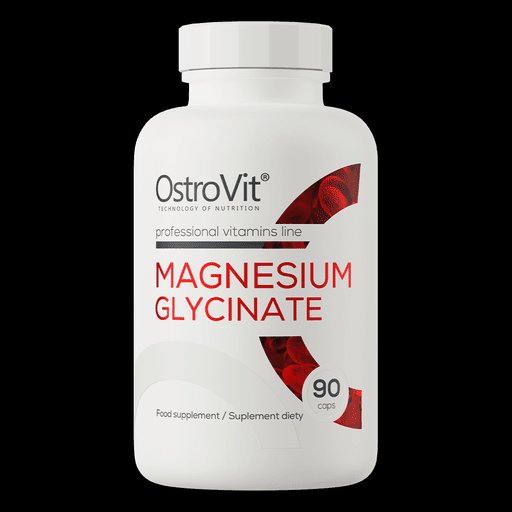
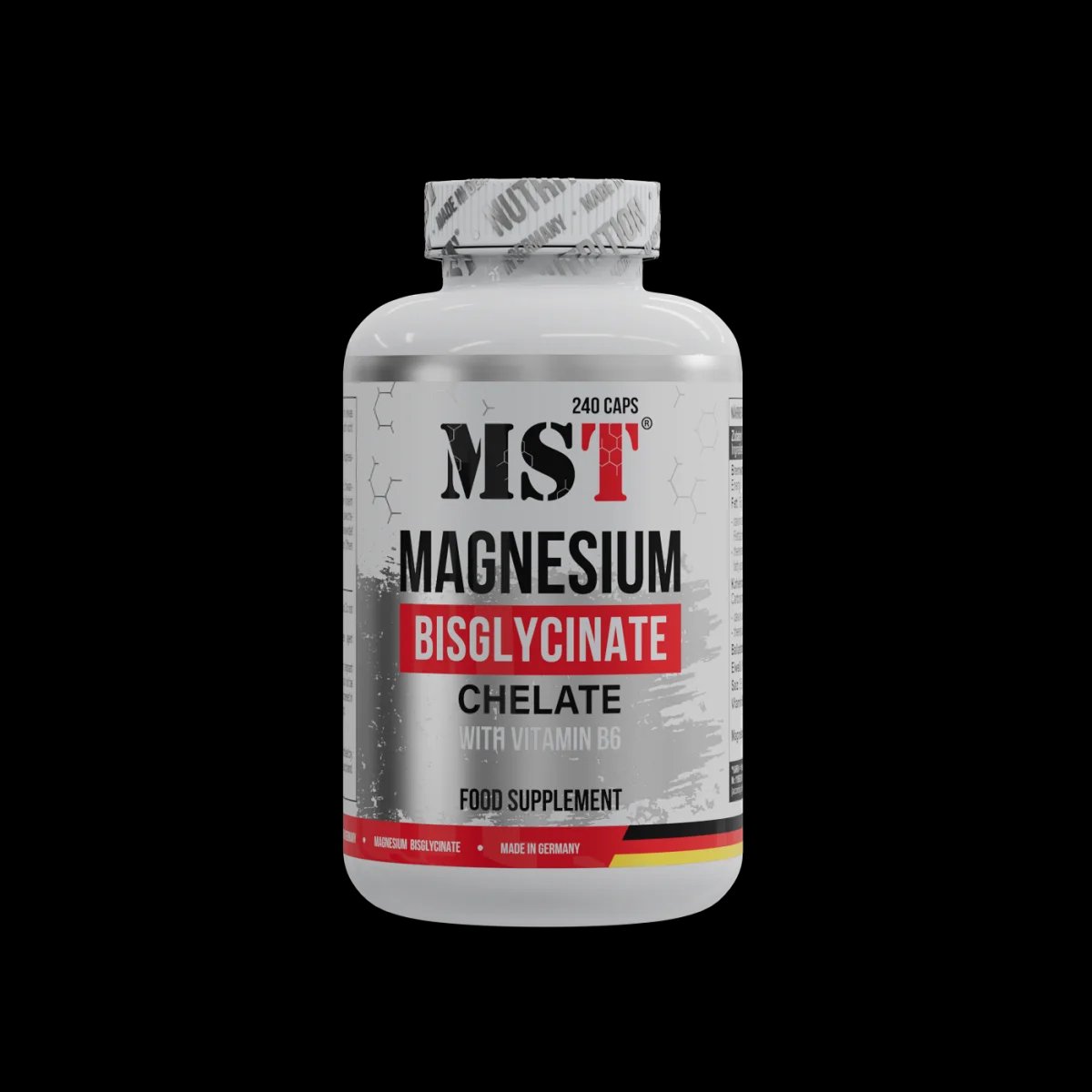
| Glycinate | High | Sleep, anxiety, relaxation | Excellent | €€ | Best magnesium for sleep and stress relief |
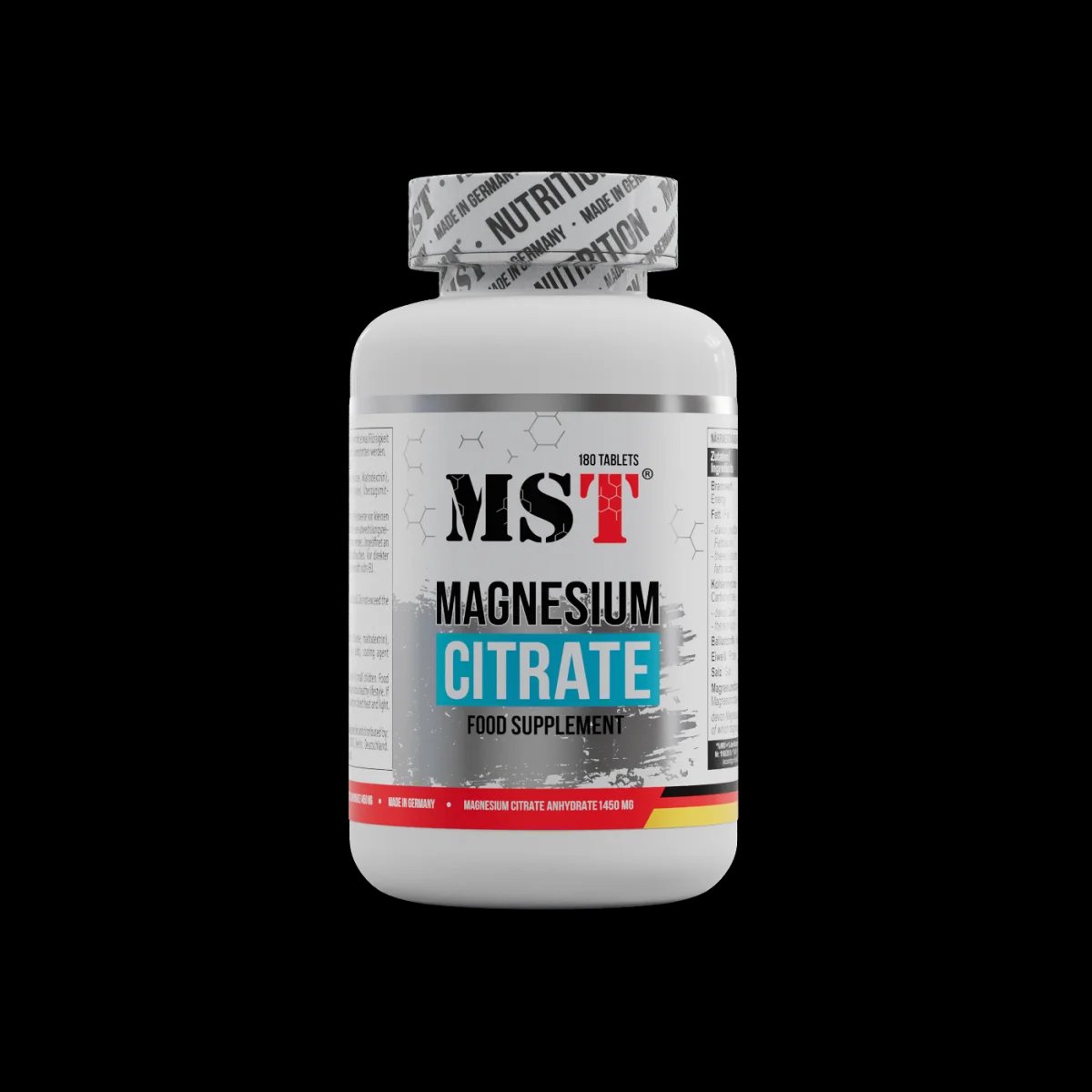
| Citrate | High | General use, digestion | Good | € | Most popular and affordable choice |
| Malate | Medium-high | Energy, muscle recovery | Good | €€ | Great for active lifestyles |
| Oxide | Low | Budget option, constipation | Moderate | € | Highest magnesium content by weight |
| Taurate | High | Heart health | Excellent | €€€ | Also supports blood pressure regulation |
| L-Threonate | High | Brain, cognitive function | Excellent | €€€ | Only form that crosses blood-brain barrier |
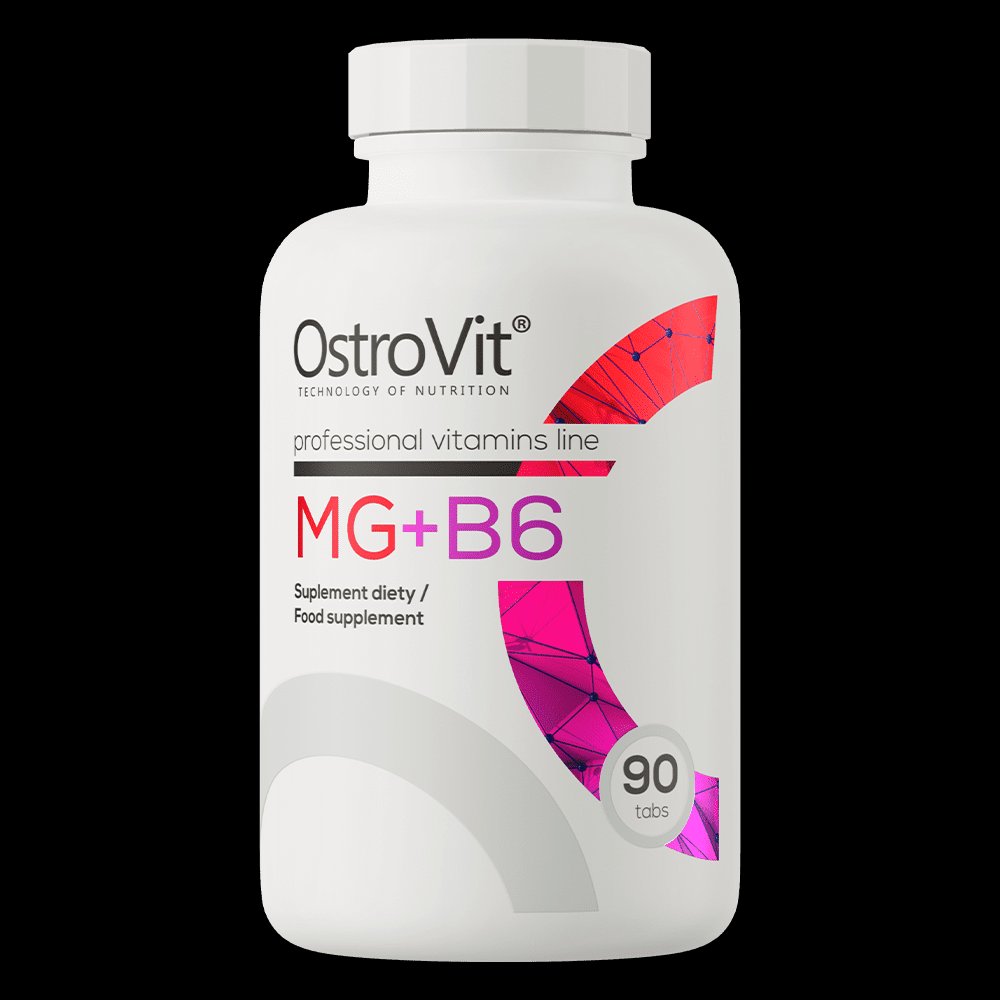
| B6 combination | Depends on form | Enhanced absorption, nervous system | Good | €€ | Vitamin B6 enhances magnesium absorption |
How to choose the best magnesium supplement?
When choosing magnesium, several factors matter. Here is a step-by-step guide to help you find the right magnesium form and dosage for your needs.
- Identify your goalSleep and relaxation — choose magnesium glycinate. General health and digestion — magnesium citrate. Energy and sports — magnesium malate. Brain health — L-threonate.
- Select the right dosageThe recommended daily dose for adults is 300-400 mg of elemental magnesium. Athletes may benefit from up to 500 mg. Start with a lower dose and increase gradually.
- Consider timingFor better sleep, take magnesium 30-60 minutes before bedtime. For energy support, morning intake works best. Take magnesium citrate with food to avoid digestive discomfort.
- Choose the form: powder, capsules, or tabletsMagnesium powder is ideal for mixing into drinks — absorption is fast. Capsules are convenient and precisely dosed. Magnesium tablets are the most affordable option.
- Check the labelLook for the elemental magnesium content (not the total weight of the compound). Quality brands clearly state the elemental magnesium amount per serving.
- Combine wiselyMagnesium and vitamin D work synergistically — vitamin D helps the body absorb magnesium more effectively. Magnesium B6 is another popular combination that supports the nervous system.
Frequently asked questions about magnesium
The best magnesium depends on your goal. For sleep and relaxation, magnesium glycinate is the top choice — it is gentle on the stomach and has calming properties. For general use, magnesium citrate offers excellent bioavailability at an affordable price. For energy and workouts, choose magnesium malate. For brain health, research supports magnesium L-threonate.
The recommended daily magnesium intake for adults is 300-400 mg of elemental magnesium. Athletes and those who train intensely may need up to 500 mg daily. Pregnant women have slightly higher requirements. Start with a moderate dose and increase gradually to minimize digestive side effects.
Timing depends on your purpose. For better sleep, take magnesium 30-60 minutes before bedtime. For energy support, morning intake works best. Take magnesium citrate with food to reduce digestive discomfort. You can also split the dose between morning and evening for better absorption.
Getting too much magnesium from food is nearly impossible, but excessive supplementation can cause diarrhea, nausea, and stomach cramps. The upper safe limit from supplements is 350 mg per day for adults (on top of dietary intake). Magnesium glycinate causes the fewest digestive issues among all forms.
Magnesium glycinate is bound to the amino acid glycine and is exceptionally gentle on the digestive system. It is the best choice for sleep issues and anxiety due to its calming effect. Magnesium citrate is bound to citric acid, well-absorbed, and more affordable. It is better suited for general use and may support digestion. Both have high bioavailability.
The most common signs of magnesium deficiency are muscle cramps and twitching, especially at night. You may also experience sleep problems, anxiety, chronic fatigue, heart rhythm irregularities, headaches, and migraines. In severe cases, numbness and tingling in the extremities can occur. Up to 50% of the population may suffer from magnesium deficiency.
It depends on the form. Magnesium glycinate is very gentle and safe to take on an empty stomach. Magnesium citrate and oxide may cause digestive upset when taken without food, so we recommend taking them with a meal. Magnesium malate also tolerates empty-stomach use well.
The best magnesium for sleep is magnesium glycinate. Glycine, the amino acid it is bound to, has its own calming effect that promotes deep sleep. Take 300-400 mg of magnesium glycinate 30-60 minutes before bedtime. Magnesium B6 is also a good alternative, as vitamin B6 supports melatonin production.