


Fiber — Psyllium, Inulin & Fiber Supplements
4 products · 2 in stock · €7.77–€9.35 · Estonia 1–3 business days, free from €50.00
1–3 day delivery
Free shipping in Estonia from €50
Secure payment


Useful Articles


What is fiber and why is it important for digestion?
Fiber consists of plant carbohydrates that the body does not digest but that play a vital role in digestive health, blood sugar regulation, and cholesterol control. Fiber is divided into soluble (slows digestion, feeds gut bacteria) and insoluble (speeds intestinal transit). Most people consume significantly less fiber than the recommended 25-35 g per day, making fiber supplements a useful addition.
Frequently asked questions about fiber
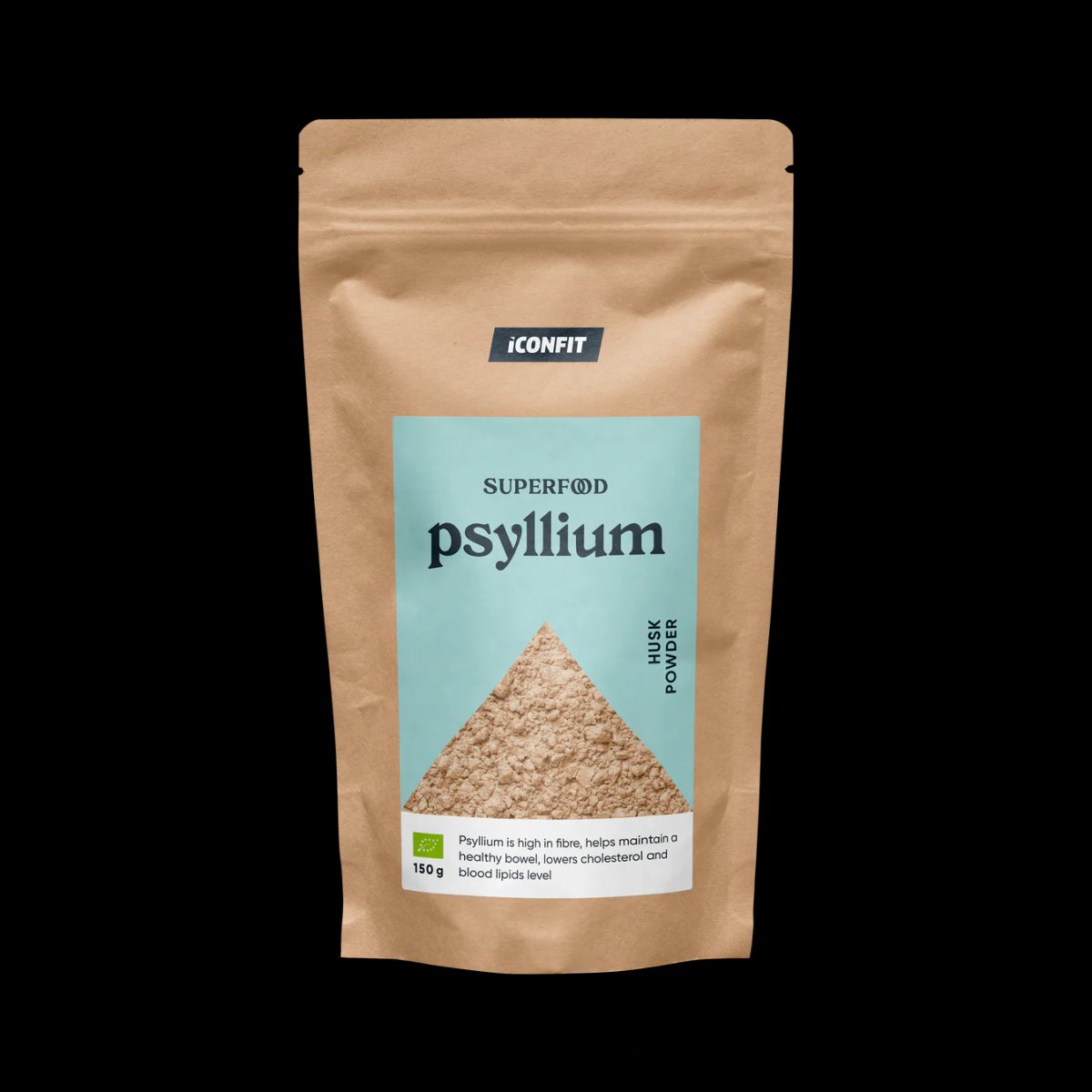
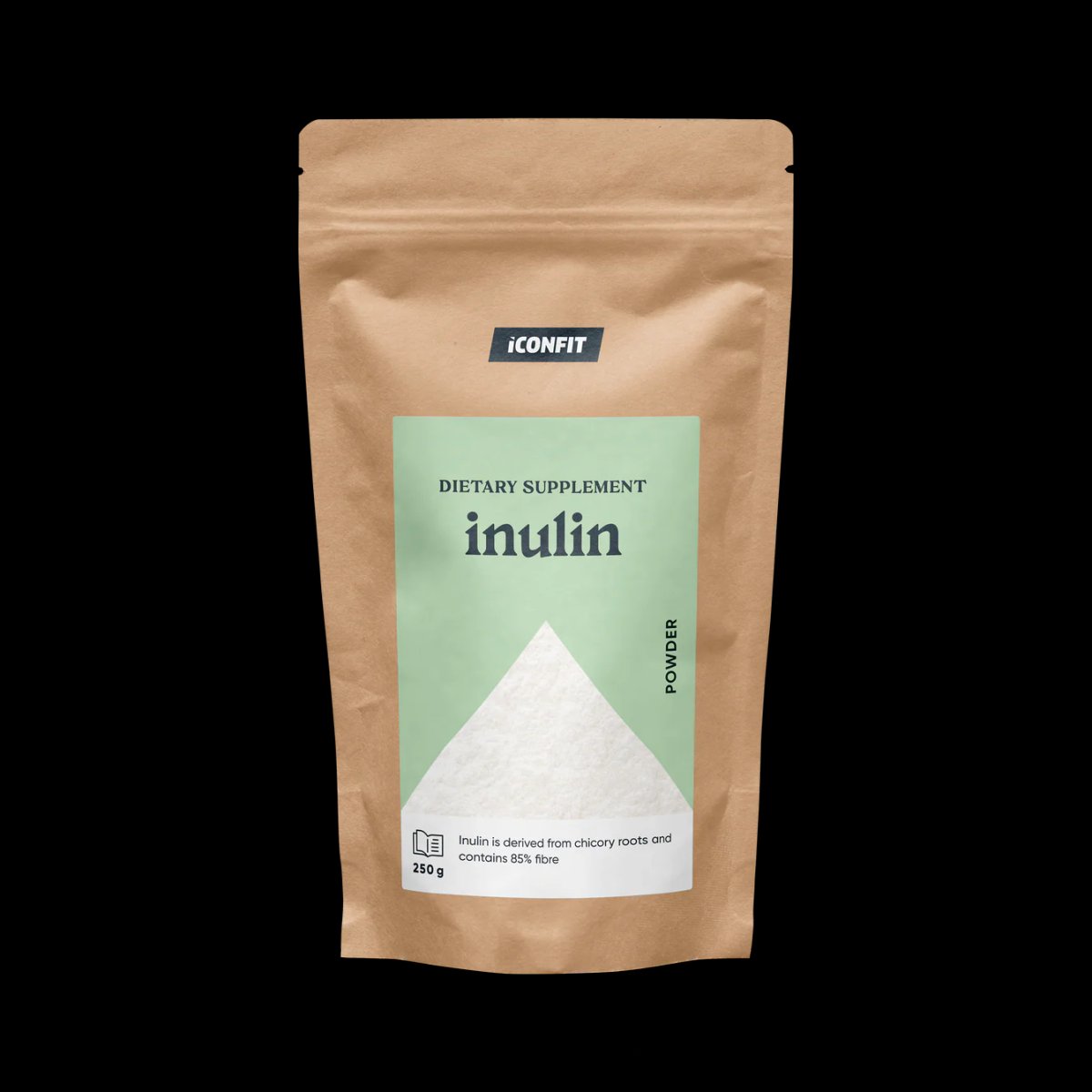
For bowel regularity, psyllium (a wholly soluble fiber) is the most studied and effective option. For prebiotic effects, inulin feeds beneficial gut bacteria well. The best results come from diverse fiber sources — combine different types like oat beta-glucan, flaxseeds, and chia seeds.
The recommended daily intake is 25-35 g of fiber. Most people only consume 15-20 g. The gap can be filled with supplements — 5-15 g in addition to dietary fiber. Increase fiber intake gradually and drink sufficient water to avoid bloating and constipation.
Yes, fiber increases satiety, slows digestion, and reduces overeating. Soluble fiber expands in the stomach, creating a long-lasting feeling of fullness. Studies show that each additional 10 g of fiber per day reduces body weight by up to 2 kg over 4 months without other dietary changes.
Excessive fiber (over 50 g per day) can cause bloating, gas, cramps, and impaired mineral absorption. Fiber intake should be increased gradually — add 3-5 g per week. Drink at least 250 ml of water for every 10 g of fiber to allow it to expand properly.