


Omega-3 — Fish Oil & Fatty Acids
11 products · 8 in stock · €4.10–€47.15 · from €0.09/serving · Estonia 1–3 business days, free from €50.00
1–3 day delivery
Free shipping in Estonia from €50
Secure payment



Useful Articles



What are omega-3 fatty acids and why do you need them?
Omega-3 fatty acids are essential polyunsaturated fats that the body cannot produce on its own — they must be obtained from food or supplements. The three main omega-3 fatty acids are EPA (eicosapentaenoic acid), DHA (docosahexaenoic acid), and ALA (alpha-linolenic acid). EPA and DHA — primarily sourced from fish oil — are the most important and most researched.
EPA is known for its strong anti-inflammatory effect, supporting heart health, reducing joint pain, and improving mood. DHA is critically important for brain and eye development — it makes up to 40% of brain fatty acids and up to 60% of retinal fatty acids. ALA is a plant-based omega-3 (found in flaxseeds, chia seeds, walnuts), but its conversion to EPA and DHA is poor — only 5-10% of ALA converts to EPA and less than 5% to DHA. This is why experts recommend getting EPA and DHA directly from fish oil, krill oil, or algae oil.
EPA vs DHA — when to prefer which?
EPA and DHA are both important, but their functions differ. Higher EPA content is the best choice for anti-inflammatory effects: joint pain relief, athletic recovery, and mood support (studies show EPA is more effective than DHA at reducing depression symptoms). If your primary goal is inflammation-related, choose a product with a 2:1 EPA:DHA ratio or higher EPA concentration.
Higher DHA content is best for brain health and cognitive function: memory improvement, increased concentration, and brain protection against aging. DHA is especially important during pregnancy and for young children for brain development. For eye health, DHA is also the primary choice. A balanced formula with a 1:1 EPA:DHA ratio suits general health support and is the most versatile choice.
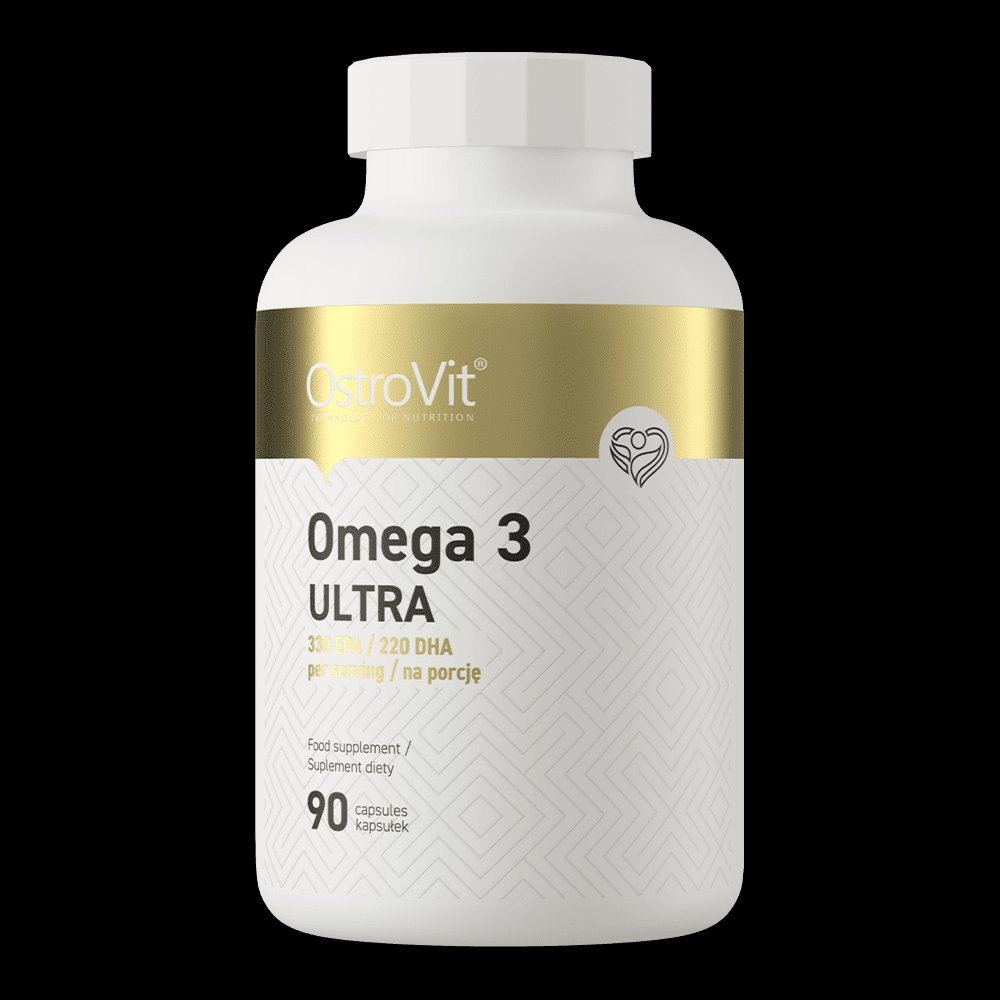
The recommended daily dose of omega-3 is 1,000-2,000 mg of combined EPA+DHA. It is important to read the label carefully — many fish oil capsules contain 1,000 mg of fish oil, of which EPA+DHA makes up only 300-500 mg. Concentrated omega-3 products (60-90% EPA+DHA) are more effective and require fewer capsules.
Omega-3 source comparison: fish oil, krill oil, and algae oil
| Property | Fish oil | Krill oil | Algae oil |
|---|---|---|---|
| EPA+DHA content | High (300–900 mg/capsule) | Medium (100–250 mg/capsule) | Medium (200–500 mg/capsule) |
| Bioavailability | Good (triglyceride form) | Very good (phospholipid form) | Good (triglyceride form) |
| Added benefits | None | Astaxanthin (antioxidant) | None |
| Vegan-friendly | No | No | Yes |
| Fishy aftertaste | Possible | Minimal | None |
| Price | € | €€–€€€ | €€ |
| Sustainability | Varies | MSC certified | Very good |
Omega-3 quality markers and omega 3-6-9 explained
When choosing a quality omega-3 product, several key markers matter. IFOS (International Fish Oil Standards) certification is the gold standard for fish oil quality — it verifies the product has been tested for heavy metals (mercury, lead, cadmium), dioxins, and PCBs and meets strict purity standards. Triglyceride (TG) form is more bioavailable than ethyl ester (EE) form — some cheaper products use EE form, which absorbs less efficiently.
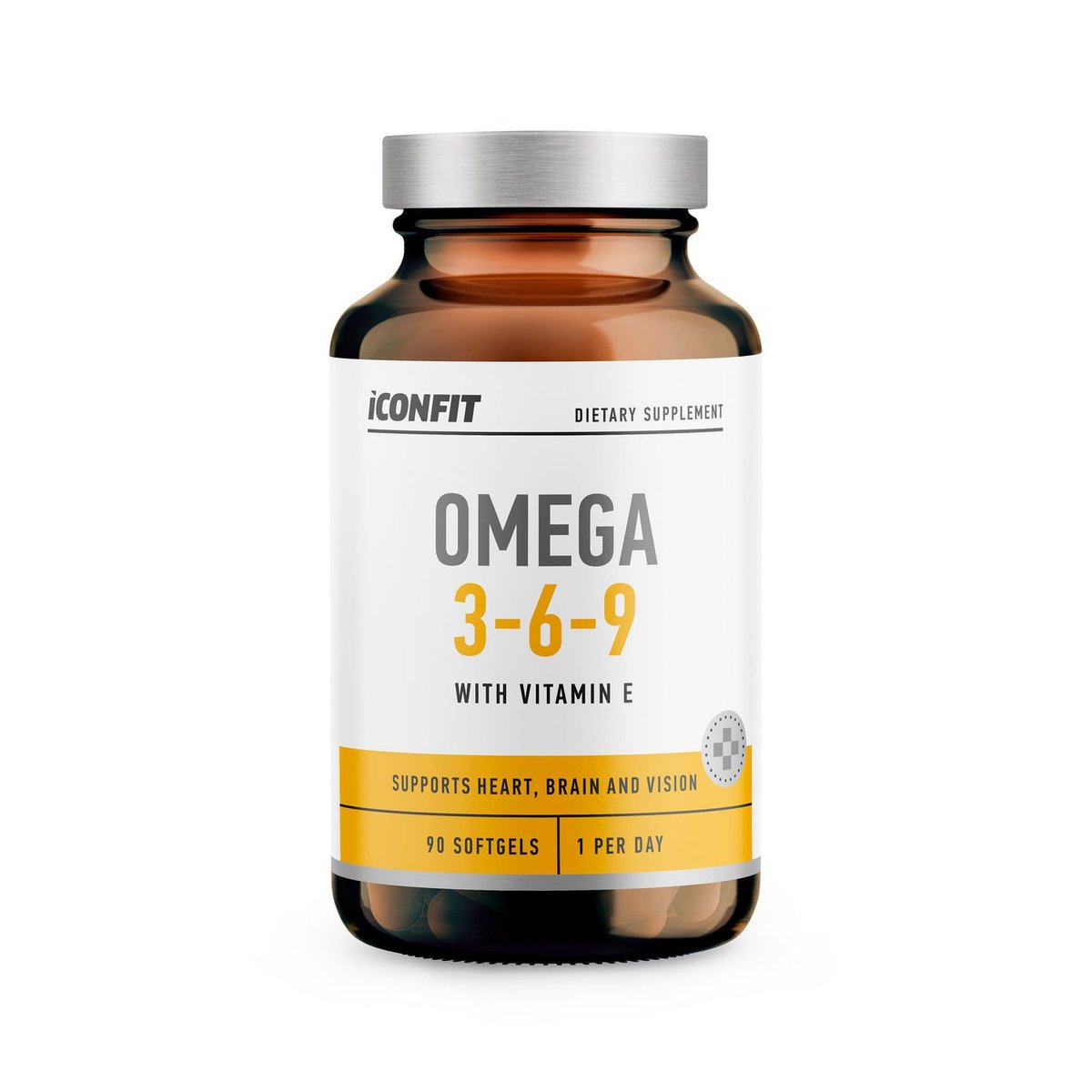
Omega 3-6-9 complexes contain omega-6 (linoleic acid) and omega-9 (oleic acid) in addition to omega-3. While all three are important, most people already have excess omega-6 in their diet (industrial seed oils, processed food), making standalone omega-3 usually the better choice. The ideal omega-6 to omega-3 ratio is 2-4:1, but the typical Western diet is 15-20:1 in favor of omega-6. Pure omega-3 helps correct this ratio more effectively.
Store fish oil capsules in the refrigerator — this slows oxidation and reduces fishy aftertaste. Quality manufacturers also add vitamin E (tocopherol) as an antioxidant to prevent oxidation.
Frequently asked questions about omega-3
For most adults, 1,000-2,000 mg of combined EPA+DHA per day is recommended. For heart health, cardiologists recommend at least 1,000 mg daily. Athletes and those with joint issues may benefit from up to 3,000 mg. Always check the EPA and DHA content on the label — not just the total fish oil amount.
Fish oil contains EPA and DHA in triglyceride form and is more affordable. Krill oil contains omega-3 in phospholipid form, which absorbs better, and also includes the antioxidant astaxanthin. Krill oil is more expensive but requires a smaller dose and causes less fishy aftertaste.
Yes, EPA's strong anti-inflammatory effect helps reduce joint stiffness and pain. Multiple studies have shown that 2,000-3,000 mg of EPA+DHA per day can reduce joint inflammation and improve joint mobility. Results typically appear after 2-3 months of regular use.
Take omega-3 capsules with a meal containing fats — fats help omega-3 fatty acids absorb better. Lunch or dinner is ideal. If you experience a fishy aftertaste, store capsules in the refrigerator.
Vegans can get ALA from plant sources (flaxseeds, chia seeds, walnuts), but ALA conversion to EPA and DHA is very poor (under 10%). Therefore, vegans are recommended algae oil capsules, which contain DHA and EPA directly from a plant-based source.
Omega-3 contains only EPA and DHA. Omega 3-6-9 also includes omega-6 and omega-9 fatty acids. Since most people already have excess omega-6 in their diet, pure omega-3 is usually the better choice for improving the ratio.