


Probiotics & Digestive Enzymes
10 products · 7 in stock · €7.77–€38.75 · from €0.12/serving · Estonia 1–3 business days, free from €50.00
1–3 day delivery
Free shipping in Estonia from €50
Secure payment




Useful Articles


What are probiotics and why is gut health important?
Probiotics are live beneficial bacteria that support the balance of the gut microbiome. Trillions of bacteria live in the gut, influencing digestion, immunity, mood, and even body weight. When the microbiome balance is disrupted — by antibiotics, stress, or poor diet — digestive problems, weakened immunity, and chronic fatigue may follow.
Scientific research has confirmed that up to 70% of the immune system resides in the gut, meaning microbiome health is directly linked to overall resistance to illness. A healthy microbiome also produces short-chain fatty acids (such as butyrate) that nourish intestinal lining cells and reduce inflammation. The gut-brain axis means the microbiome also affects mental health — up to 90% of serotonin, which regulates mood, is produced in the gut.
Probiotic strains: Lactobacillus, Bifidobacterium, and Saccharomyces
Probiotic effectiveness depends on the strain — each strain serves a different function in the body. Lactobacillus is the most common probiotic genus, with strains primarily residing in the small intestine. Lactobacillus rhamnosus GG is one of the most studied strains worldwide — it supports digestion, strengthens immunity, and is especially useful for preventing antibiotic-associated diarrhea. Lactobacillus acidophilus helps digest lactose and supports vaginal health in women. Lactobacillus plantarum has strong anti-inflammatory properties.
Bifidobacterium strains primarily reside in the large intestine and are especially important for immune system support. Bifidobacterium lactis strengthens immune response, Bifidobacterium longum helps reduce anxiety and stress, and Bifidobacterium breve supports skin health. Bifidobacteria are especially important for older adults, as their levels naturally decline with age.
Saccharomyces boulardii is unique because it is a yeast, not a bacterium. This strain is especially effective at preventing traveler's diarrhea and Clostridium difficile infection. Saccharomyces is also the only probiotic that antibiotics cannot destroy, making it ideal for use during antibiotic courses.
Who should take probiotics and when?
Probiotics for women are one of the most popular categories. Lactobacillus rhamnosus and Lactobacillus reuteri support vaginal microbiome health, helping prevent yeast infections and bacterial vaginosis. During pregnancy and breastfeeding, probiotics support immune system development for both mother and child. Women especially benefit from multi-strain formulas containing at least Lactobacillus rhamnosus and Lactobacillus acidophilus strains.
Probiotics for digestion are an important choice for those suffering from bloating, gas, constipation, or irritable bowel syndrome (IBS). Studies have shown that Bifidobacterium infantis and Lactobacillus plantarum significantly reduce IBS symptoms. The combination of digestive enzymes and probiotics is especially effective.
For immune support, Lactobacillus rhamnosus GG and Bifidobacterium lactis BB-12 are especially suitable, having shown reduced duration and severity of upper respiratory infections in studies. CFU or colony-forming units is the measure of probiotic strength — for digestive support, 10-25 billion CFU is sufficient, while for immunity and more intensive support, 50-100 billion CFU per dose is recommended.
Probiotic strain comparison
| Strain | Primary benefit | Best for | Recommended CFU |
|---|---|---|---|
| Lactobacillus rhamnosus GG | Digestive support, immunity | General use, children | 10–20 billion |
| Lactobacillus acidophilus | Lactose digestion, vaginal health | Women, lactose intolerance | 5–10 billion |
| Lactobacillus plantarum | Anti-inflammatory, IBS relief | Digestive issues, athletes | 10–20 billion |
| Bifidobacterium lactis BB-12 | Immune strengthening | Immunity, elderly | 10–25 billion |
| Bifidobacterium longum | Stress and anxiety relief | Stressed individuals | 5–10 billion |
| Saccharomyces boulardii | Diarrhea prevention | Antibiotic courses, travelers | 5–10 billion |
How to choose the right probiotic?
When choosing the right probiotic, first consider your goal: improving digestion, strengthening immunity, women's health, or post-antibiotic recovery. Multi-strain formulas are generally more effective than single-strain products because different strains complement each other and colonize different areas of the gut.
Pay attention to the CFU count — quality probiotics contain at least 10 billion CFU per dose. Verify that the CFU count is guaranteed through the expiration date, not just at the time of manufacture. Storage is also important — some probiotics require refrigeration, but many modern products are stable at room temperature thanks to lyophilization technology.
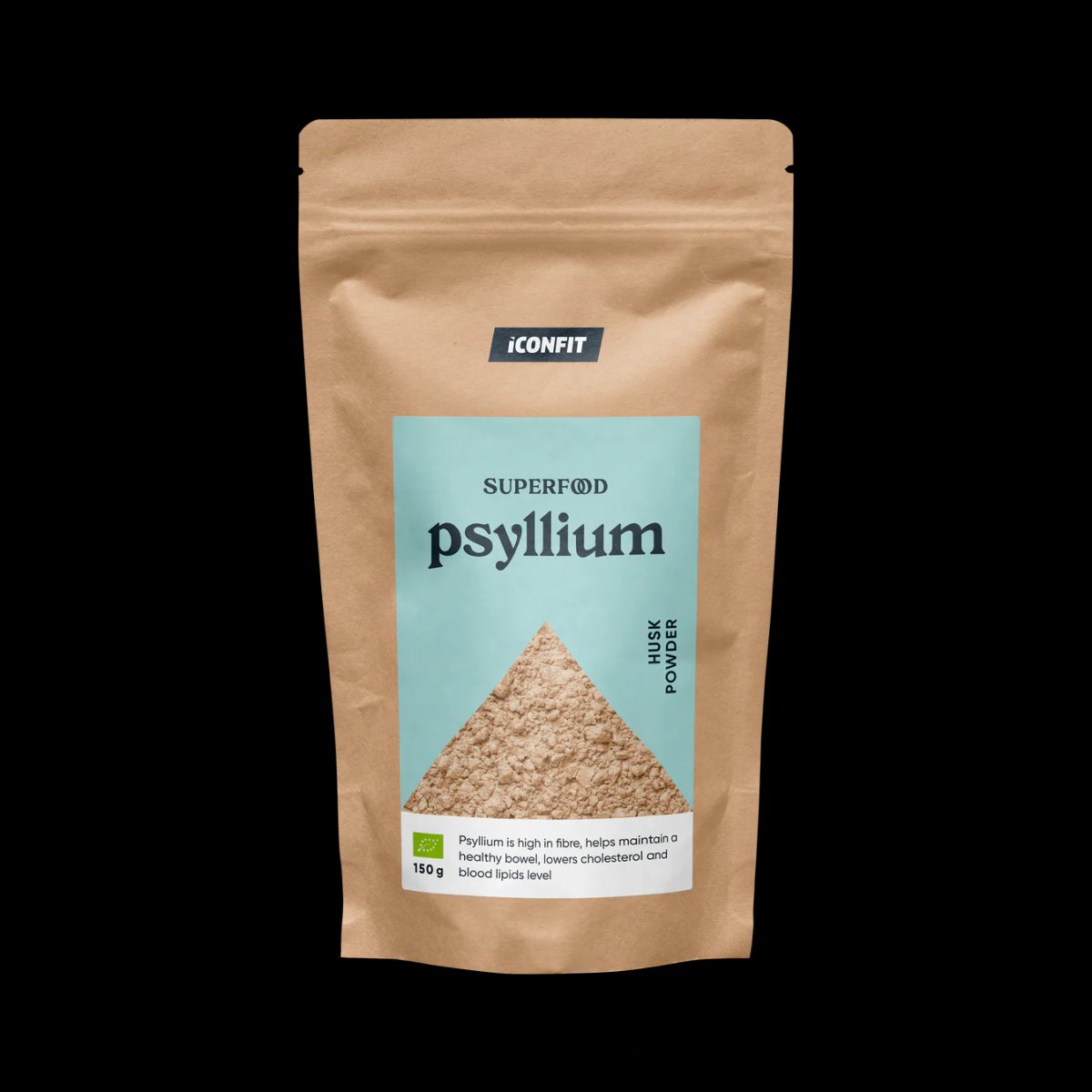
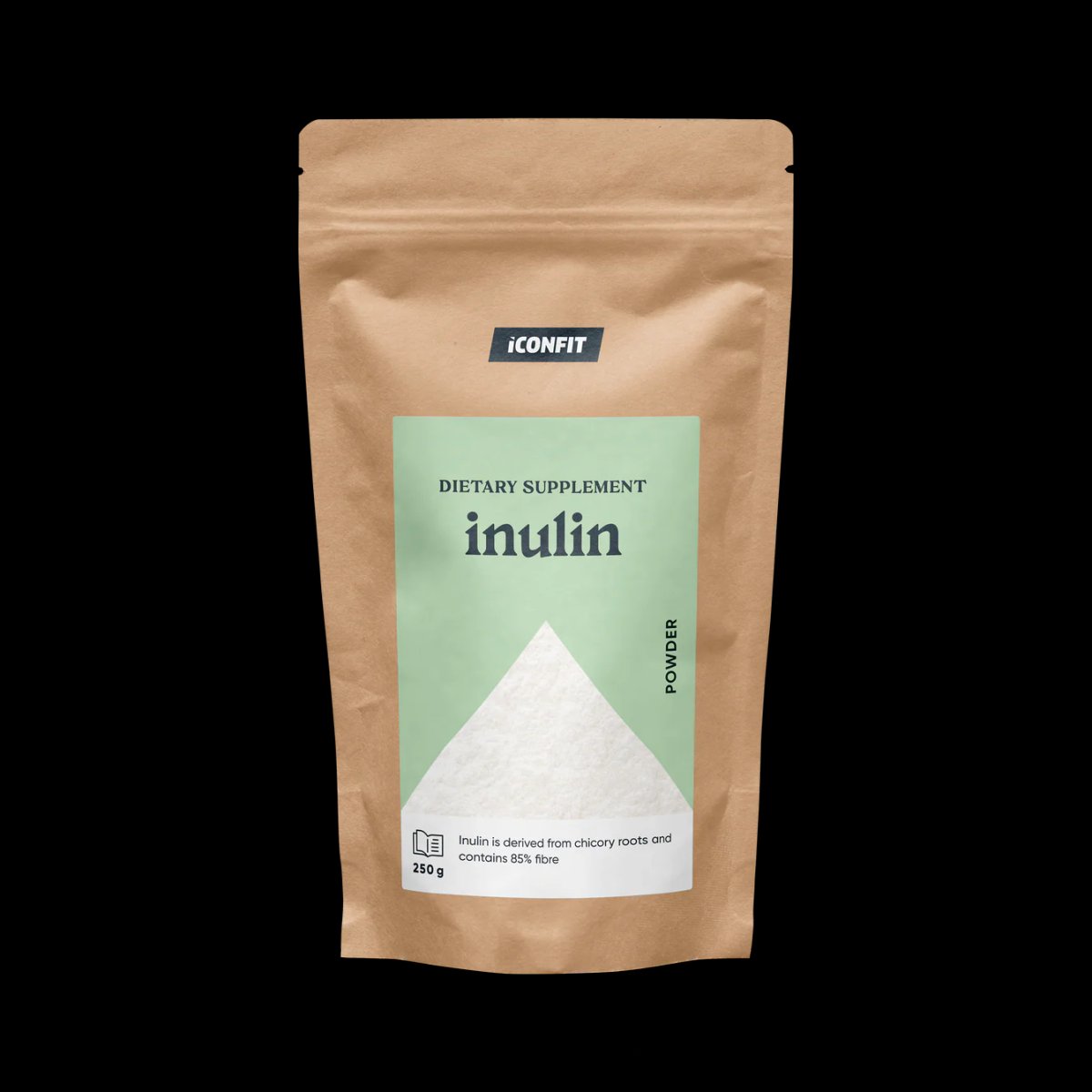
Prebiotic fiber like inulin or psyllium is the best companion for probiotics — prebiotic fiber feeds beneficial bacteria and helps them multiply in the gut. This combination is called synbiotics. At MaxFit.ee you can find both standalone probiotics and synbiotic complexes that already include prebiotics.
Frequently asked questions about probiotics
The best probiotics contain well-researched strains like Lactobacillus rhamnosus GG, Lactobacillus acidophilus, and Bifidobacterium lactis BB-12. CFU count also matters — choose a product with at least 10 billion CFU per dose. Multi-strain formulas are often more effective than single-strain products because different strains complement each other.
Most probiotics are best taken in the morning on an empty stomach, 15-30 minutes before eating. Stomach acid levels are lower at this time, allowing more bacteria to reach the intestines alive. Some products use enteric-coated capsules and can be taken at any time. Saccharomyces boulardii is an exception — it can be taken anytime as it is a yeast and more resistant to stomach acid.
Yes, in fact probiotics are recommended during and after antibiotic courses to restore the gut microbiome. Take probiotics at least 2-3 hours after your antibiotic dose. Saccharomyces boulardii is an especially good choice during antibiotic treatment, as antibiotics cannot destroy it.
Probiotics are live beneficial bacteria that colonize the gut. Prebiotics (like inulin and psyllium) are fibers that feed those beneficial bacteria. For best results, combine both — this is called synbiotics. Eating a fiber-rich diet supports probiotic effectiveness.
Women especially benefit from probiotics containing Lactobacillus rhamnosus and Lactobacillus reuteri strains — these support vaginal microbiome health and help prevent yeast infections. During pregnancy, doctors often recommend probiotics that also include Bifidobacterium lactis for immune support.
Most people notice digestive improvements within 1-2 weeks. Immune-strengthening effects typically appear after 4-8 weeks of regular use. Women-specific probiotic benefits for vaginal health also manifest within 2-4 weeks. Best results are achieved with consistent daily use rather than short courses.