


BCAA
21 products · 15 in stock · €2.09–€33.50 · from €0.34/serving · Estonia 1–3 business days, free from €50.00
1–3 day delivery
Free shipping in Estonia from €50
Secure payment




Useful Articles



What are BCAAs and why do athletes take them?
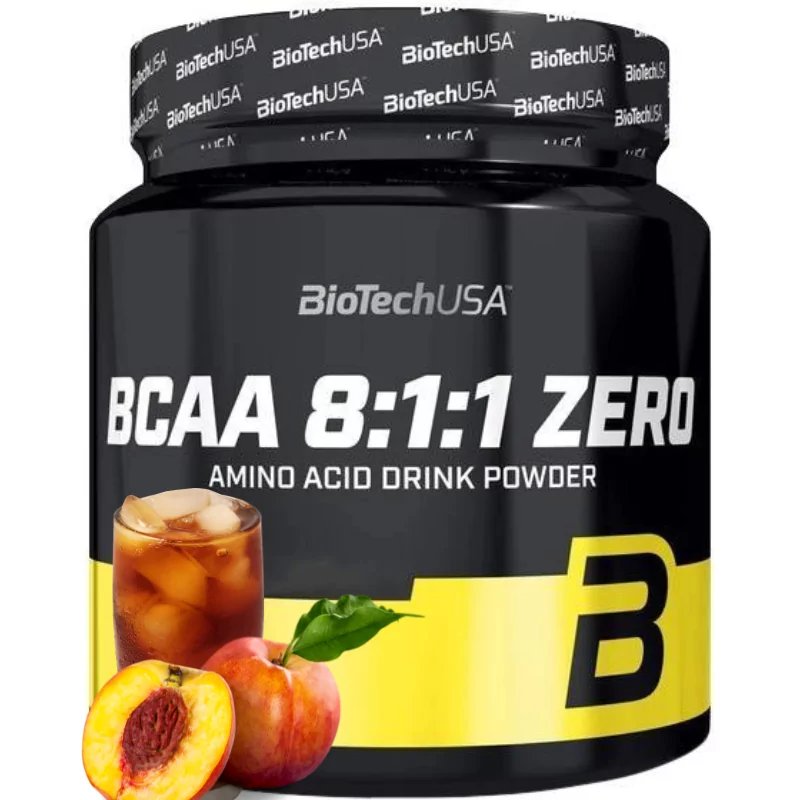
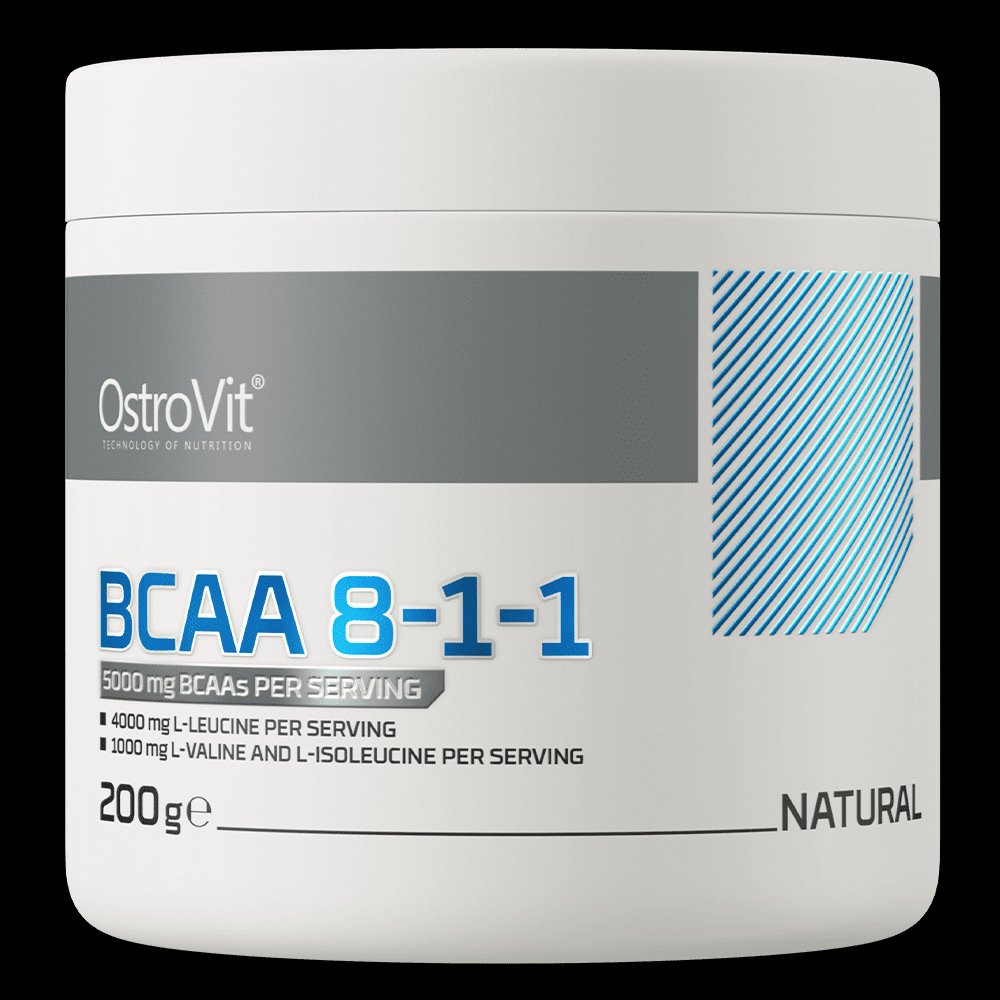
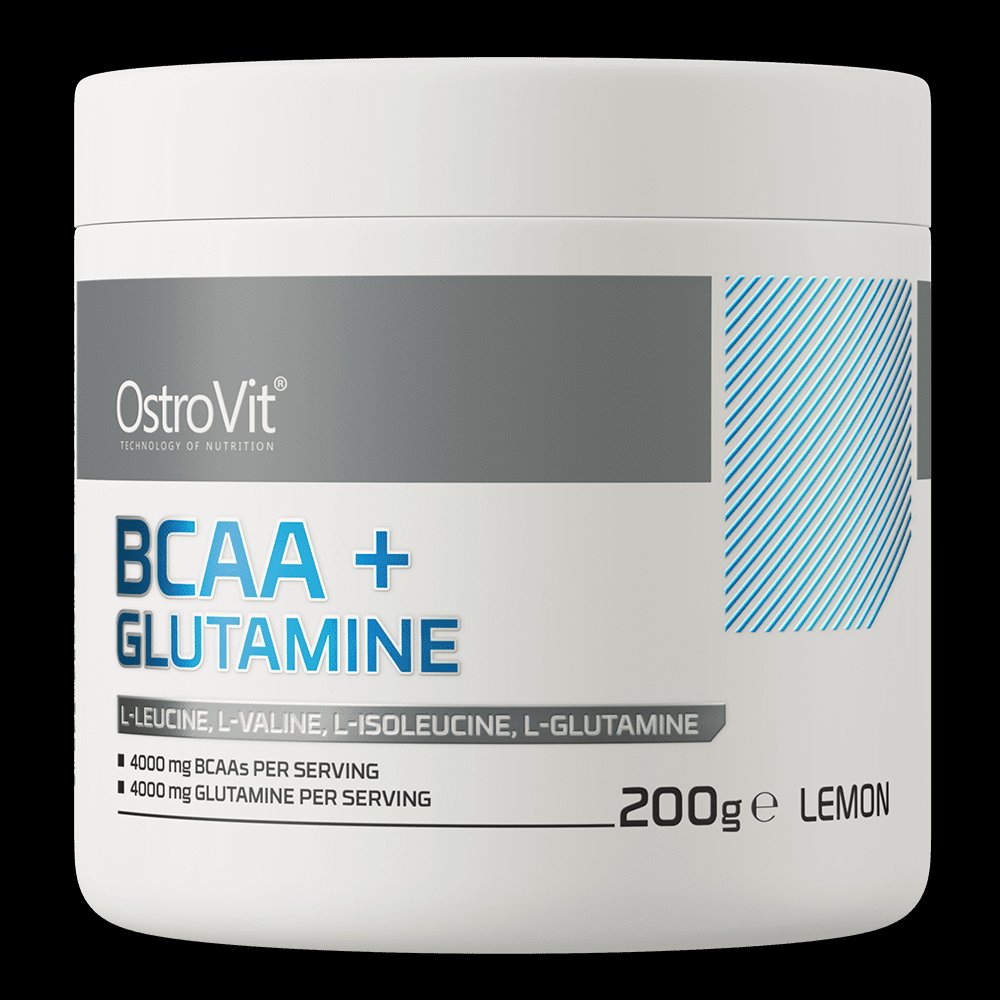
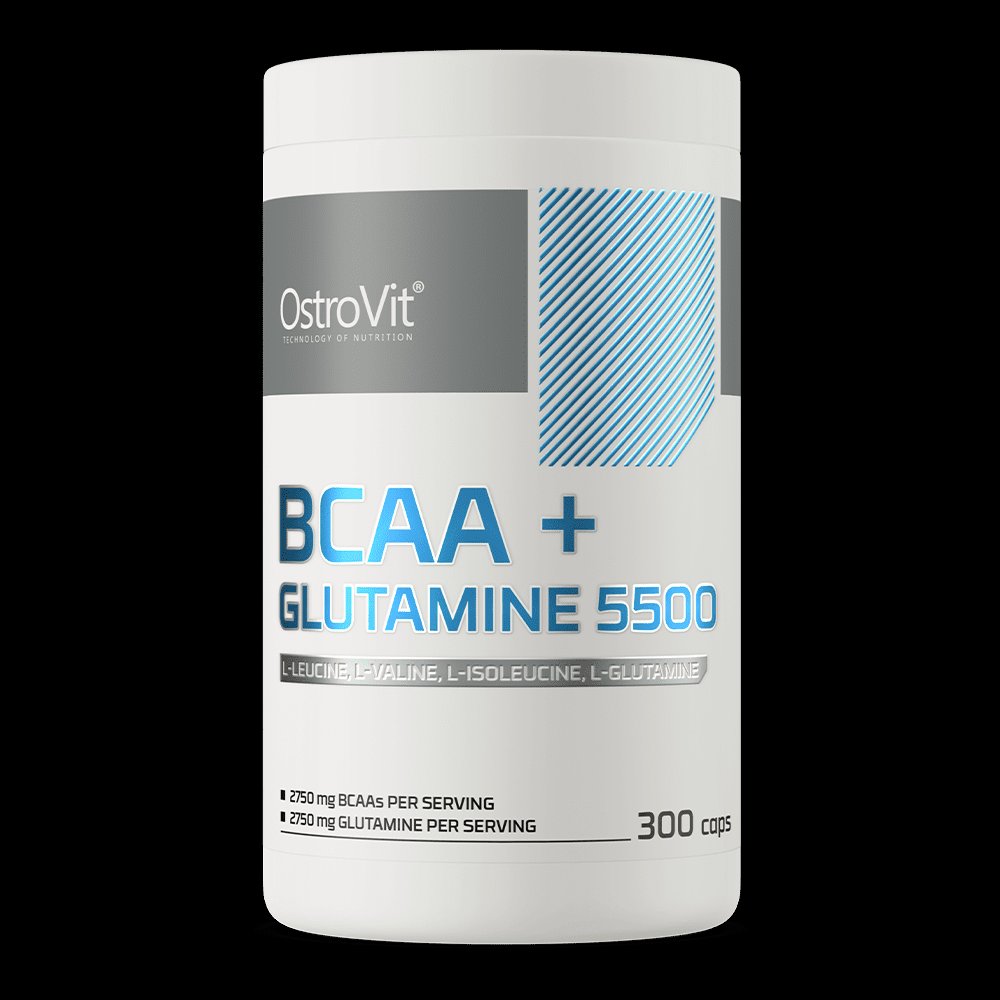
BCAAs (branched-chain amino acids) are three essential amino acids — leucine, isoleucine, and valine — that make up roughly 35% of muscle protein. These amino acids cannot be synthesized by the body and must come from food or supplements. BCAAs help reduce post-workout muscle soreness, support muscle recovery, and may slow muscle protein breakdown during intense exercise.
Frequently asked questions about BCAAs
The best time to take BCAAs is right before or during your workout. Intra-workout consumption helps reduce muscle protein breakdown and supports energy levels during prolonged exercise. After training, BCAAs can be replaced with a complete protein source like whey, which contains all essential amino acids.
Quality whey protein already contains adequate BCAAs. A separate BCAA supplement is most beneficial when training fasted, during calorie-restricted diets, or during prolonged endurance exercise where rapid amino acid availability matters. With sufficient protein intake (1.6-2.2 g/kg), separate BCAAs are not strictly necessary.
The recommended dosage is 5-10 g per day, with the ideal leucine-isoleucine-valine ratio being 2:1:1. Some manufacturers offer 4:1:1 or 8:1:1 ratios, but research does not confirm their superiority. During training periods, splitting the dose before and during exercise is most effective.
At recommended doses, BCAAs are very well tolerated and safe. Very high doses (over 20 g per day) may cause digestive issues like bloating. People with maple syrup urine disease (a rare metabolic disorder) should limit BCAA intake, as their bodies cannot properly break down branched-chain amino acids.