
What Are Omega-3 Fatty Acids?
Shop this category — in stock now
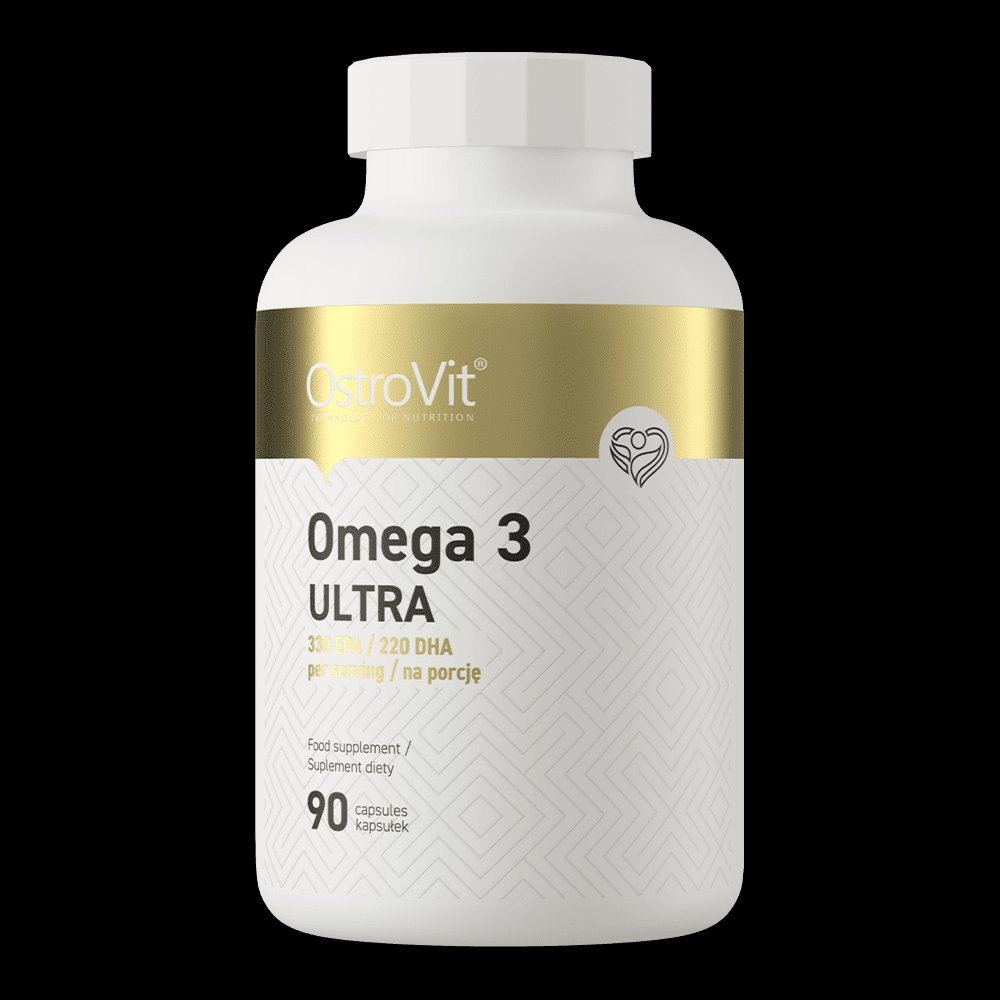
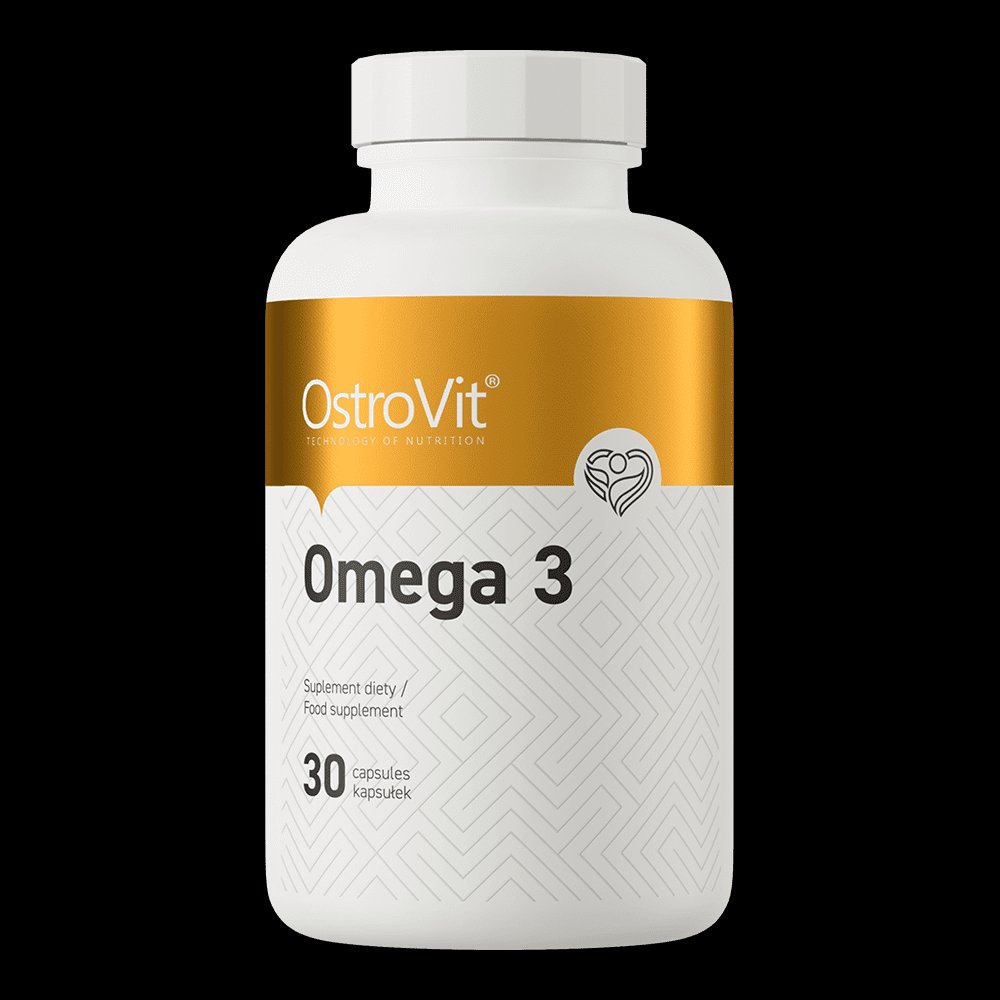
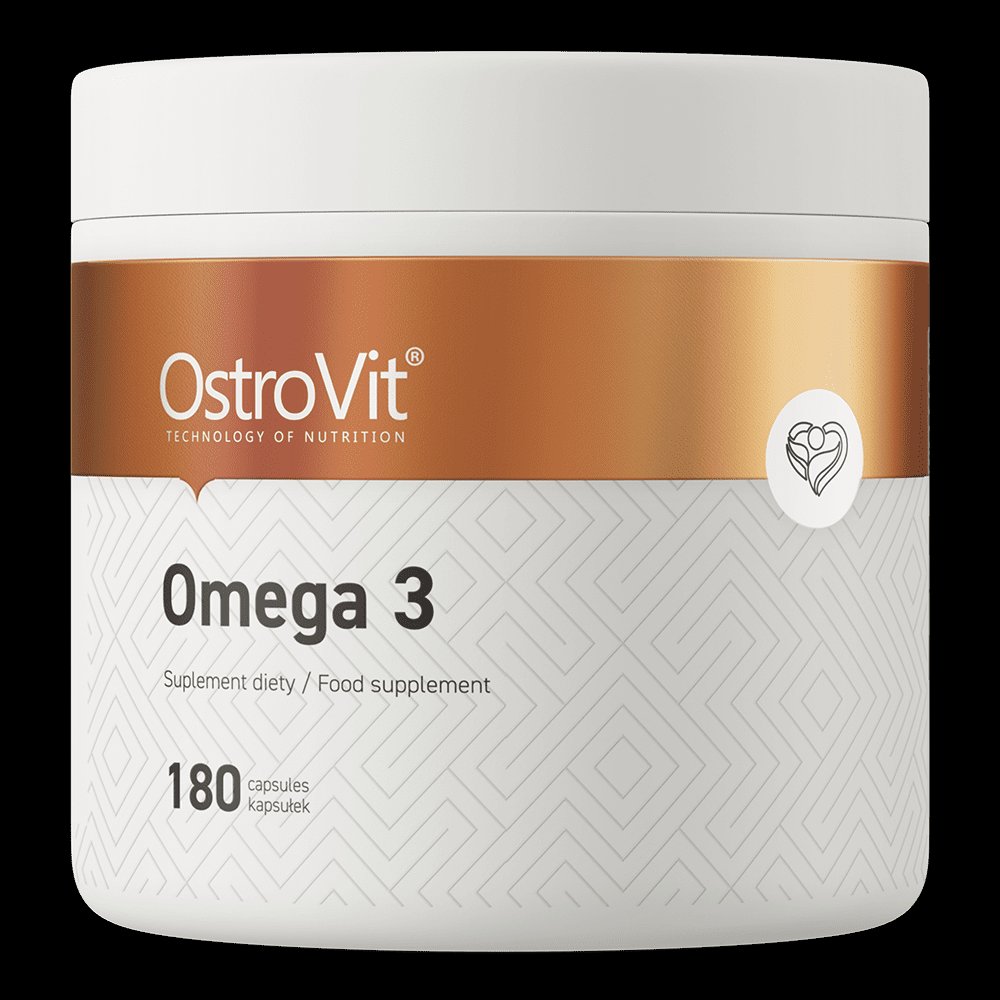
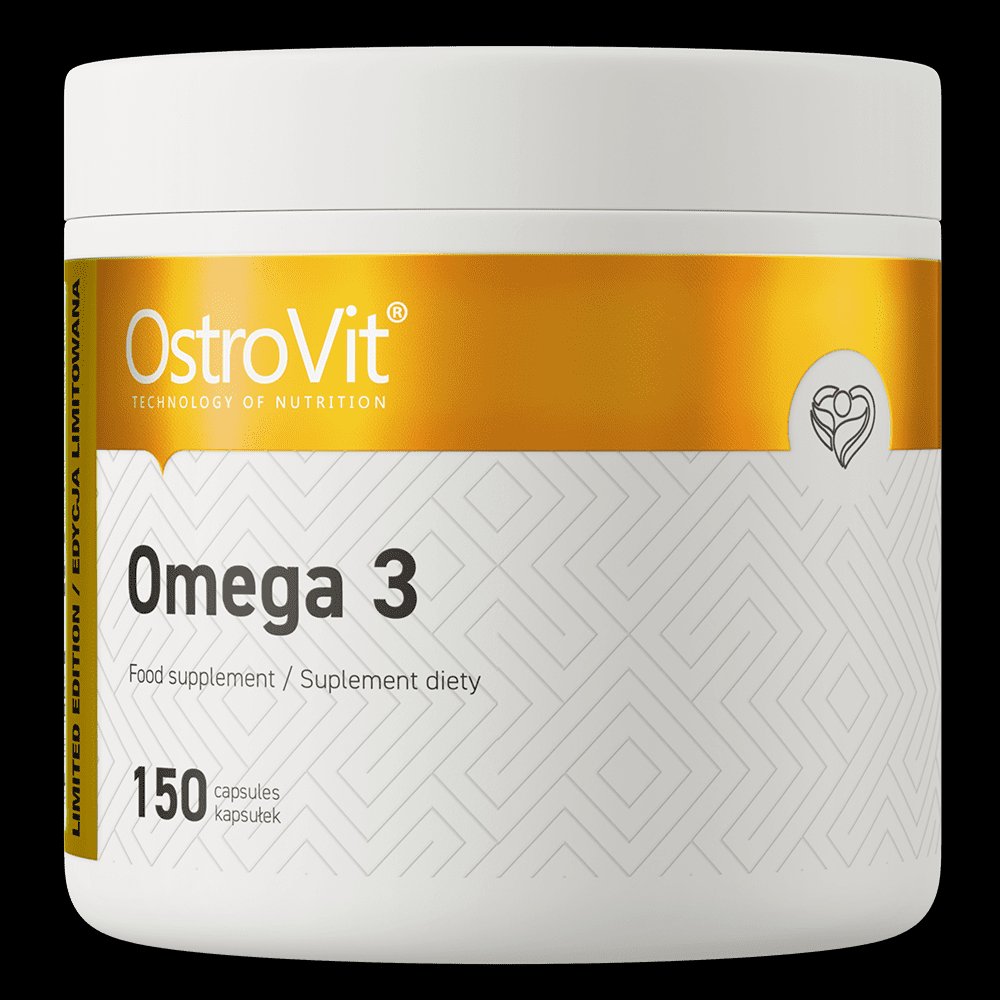
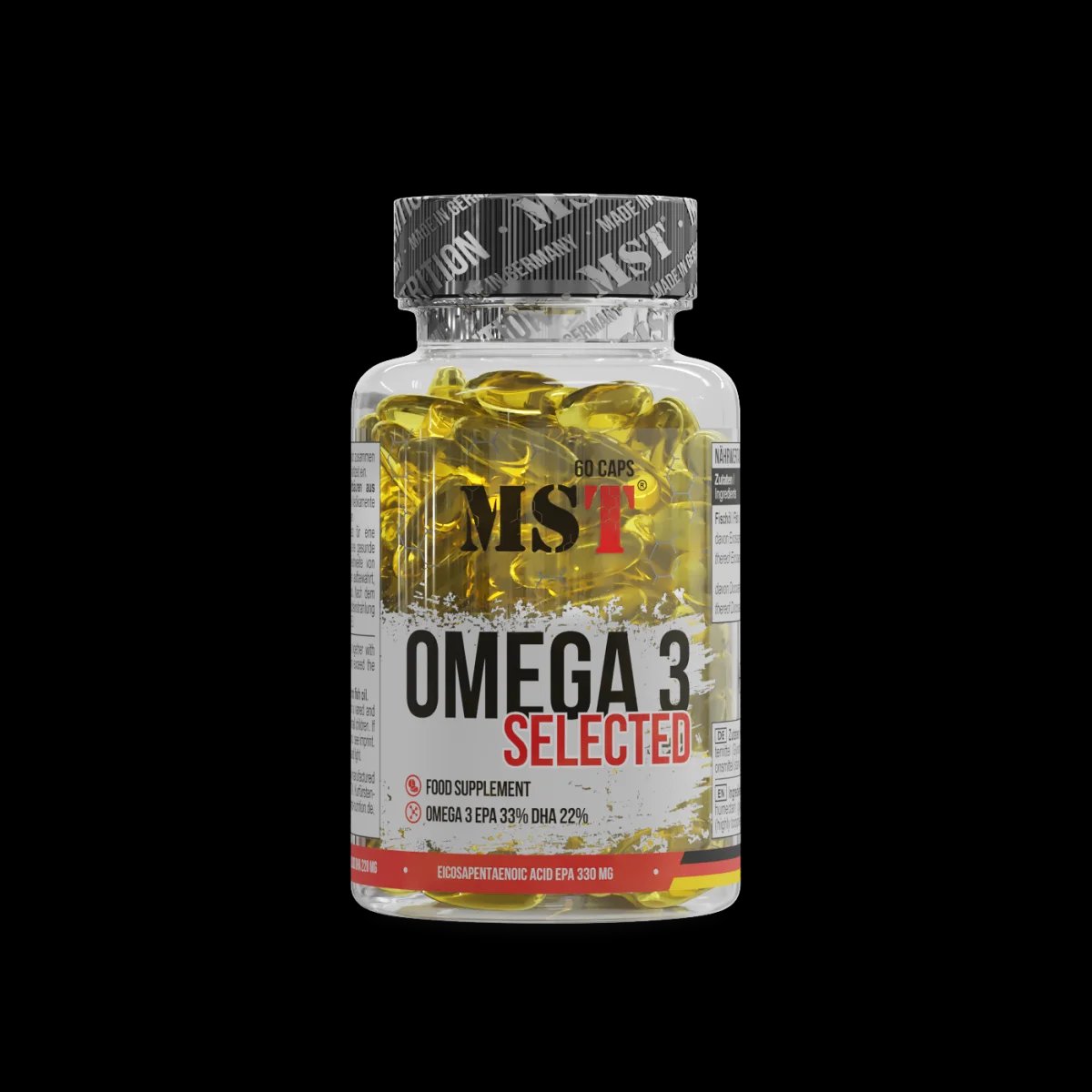
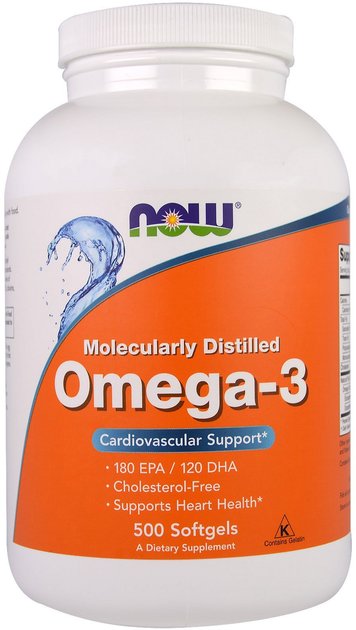
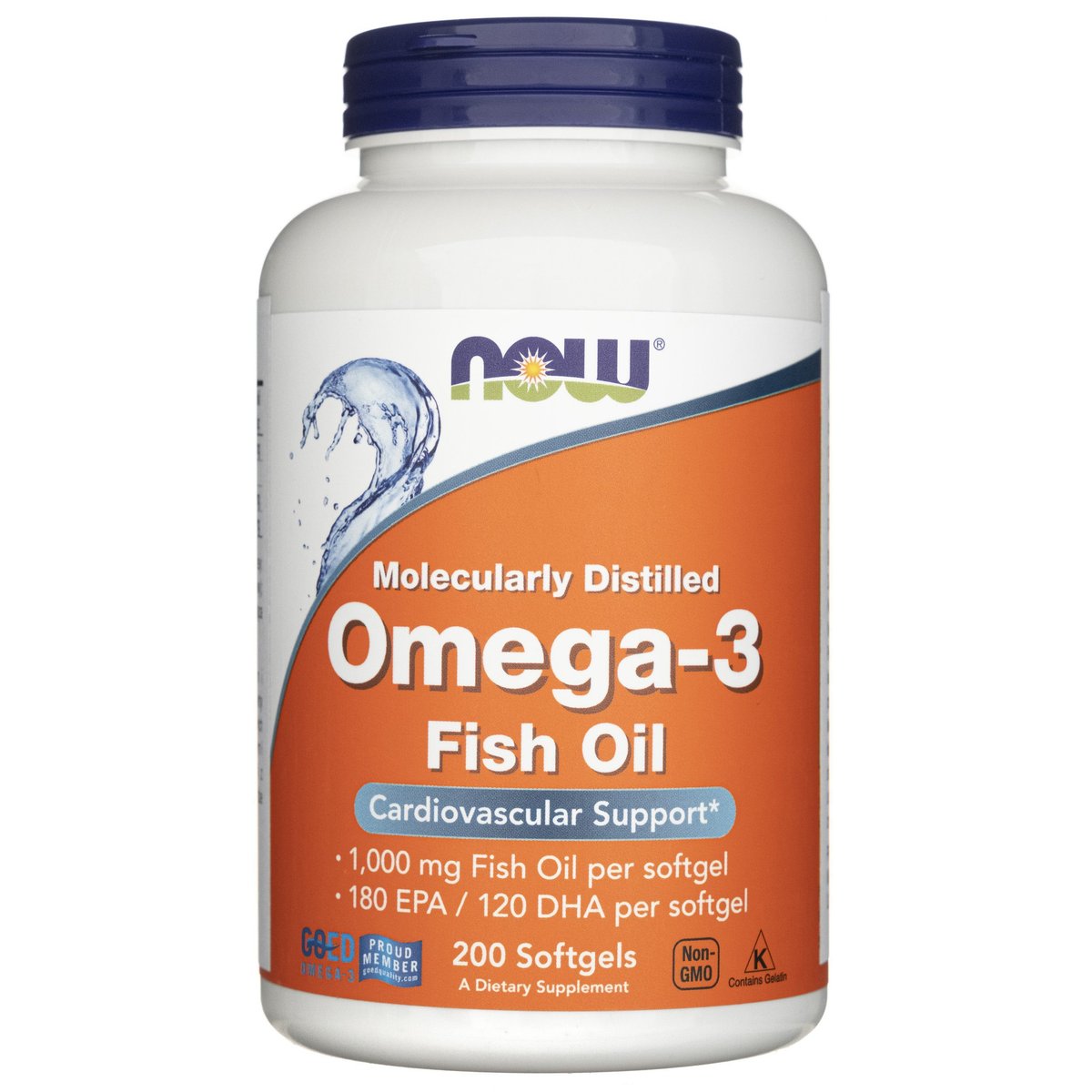
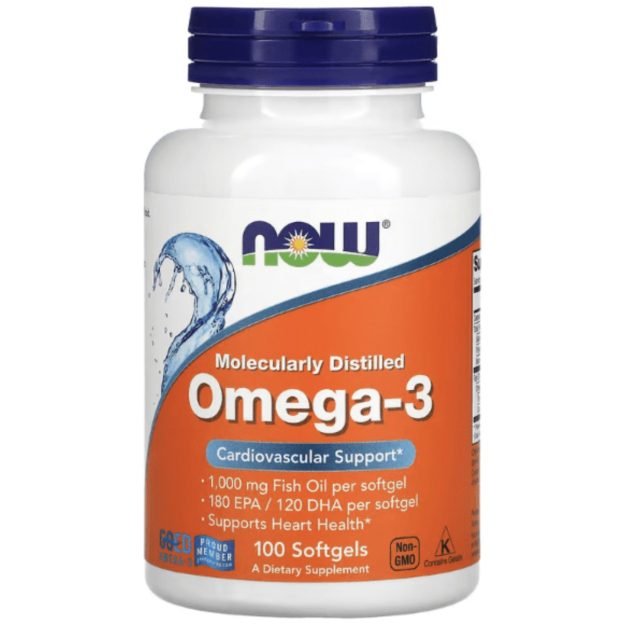
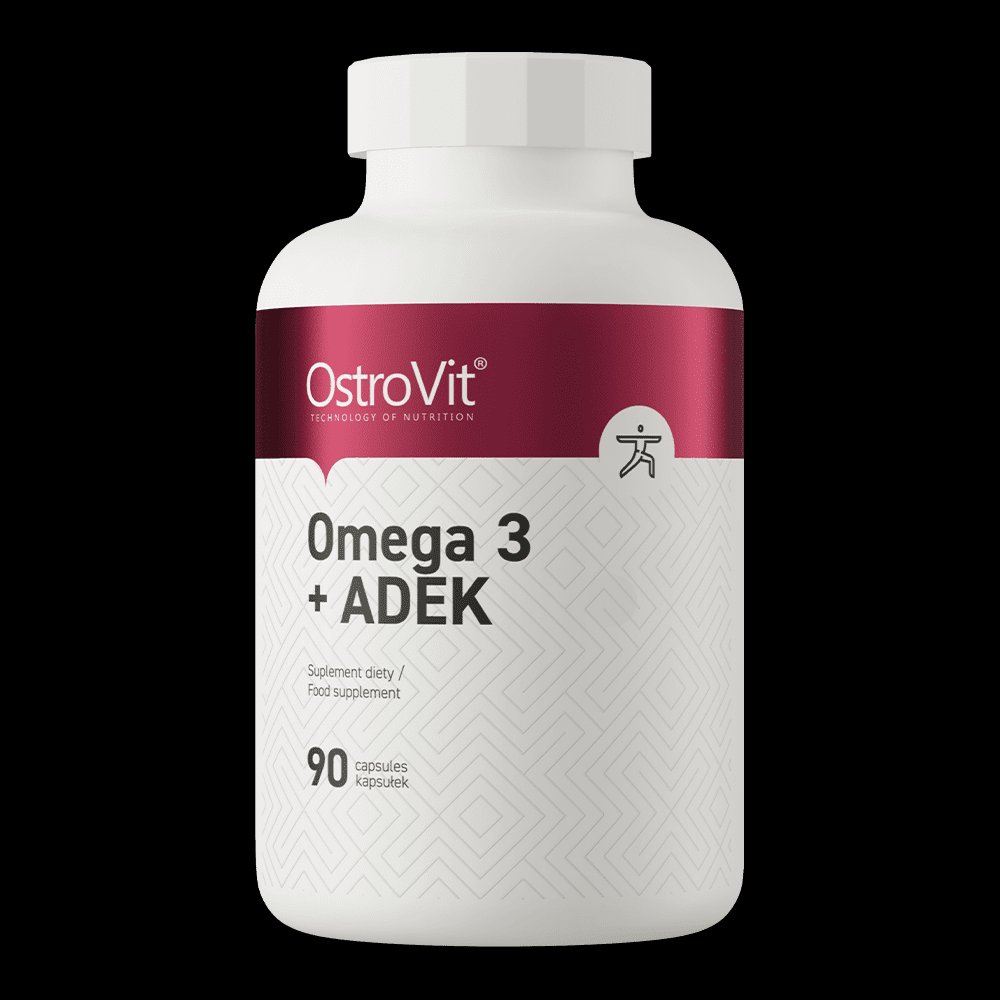
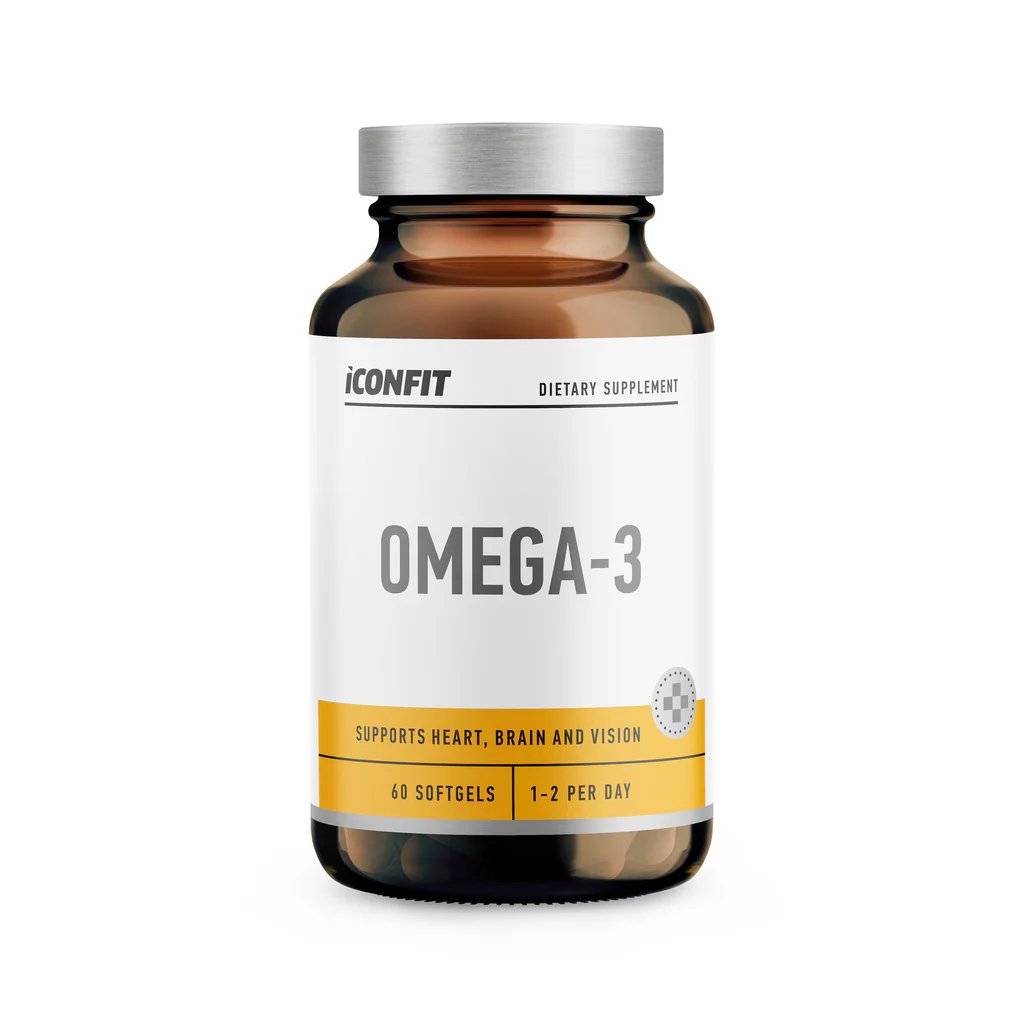
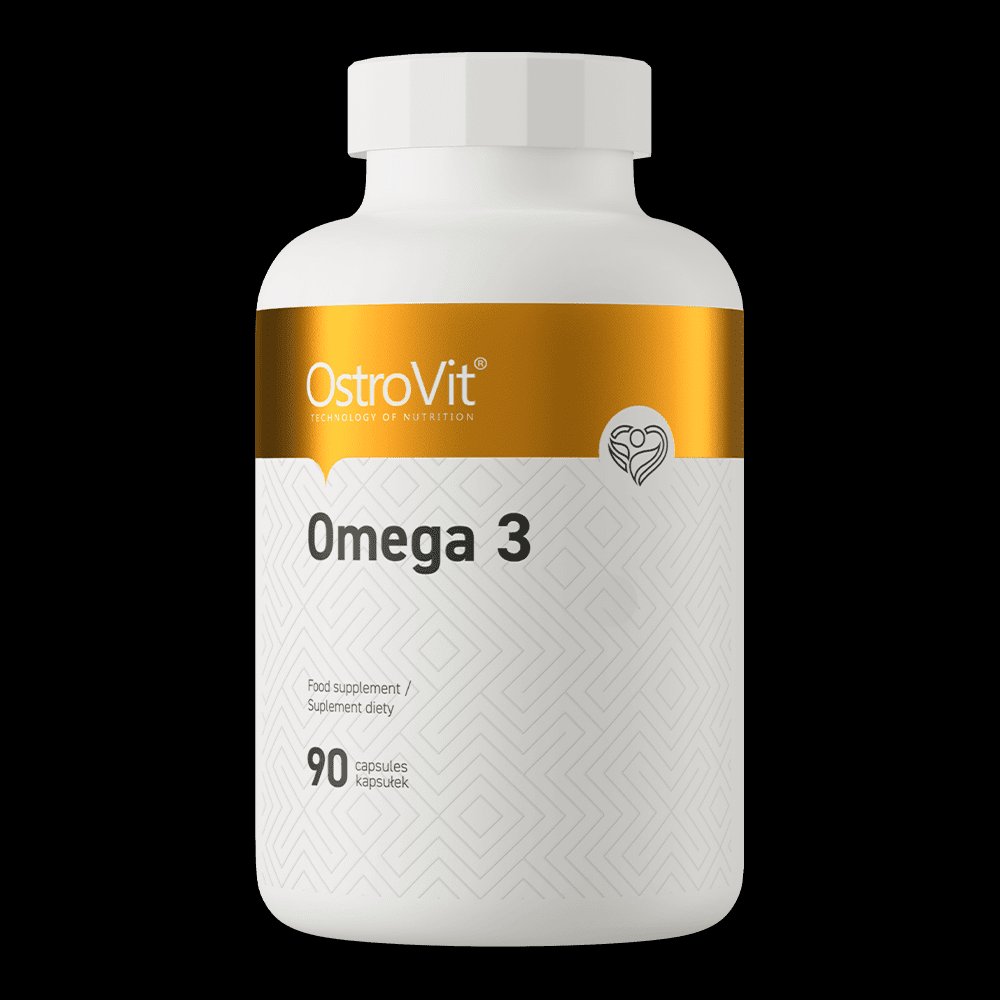
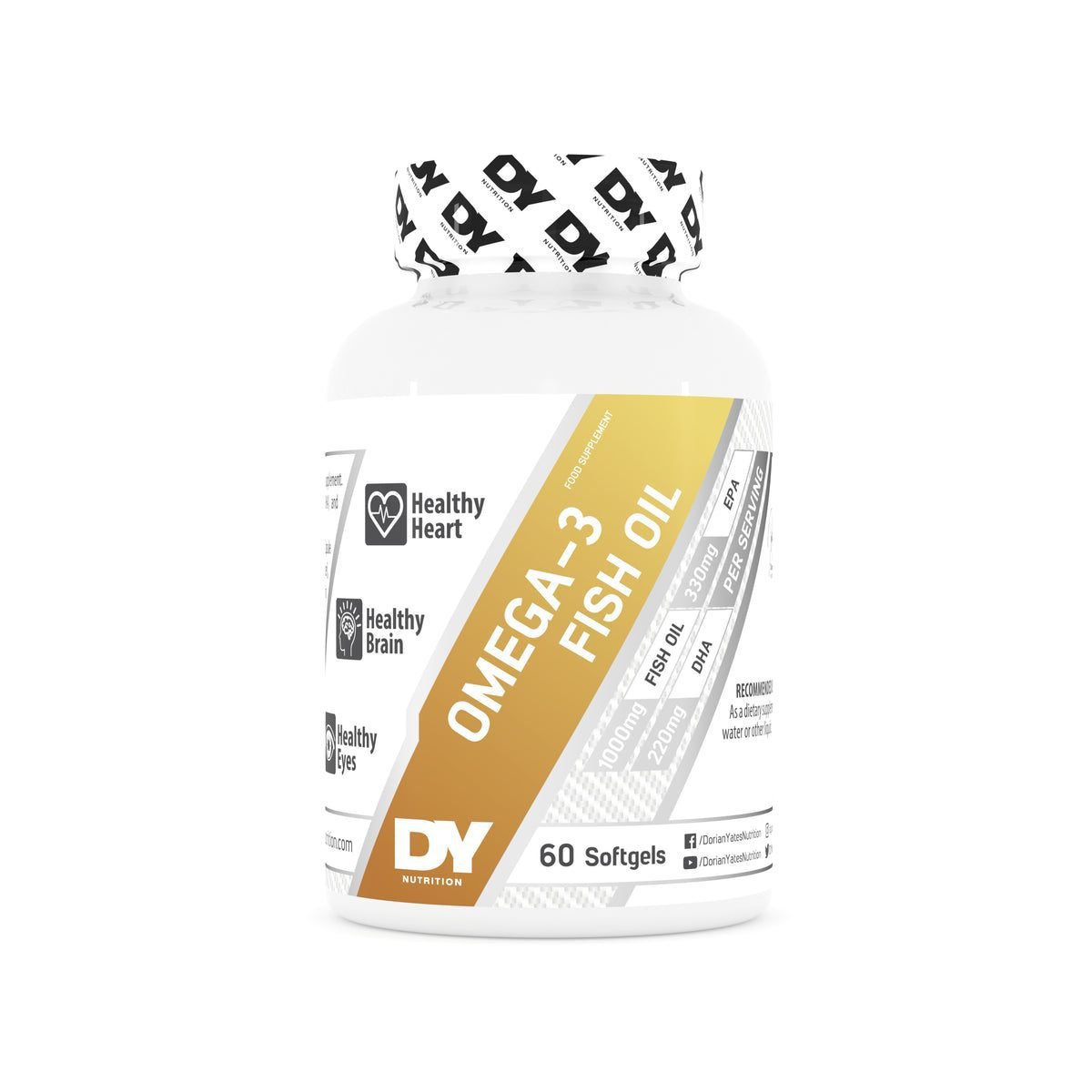
Omega-3 fatty acids are essential fats that your body cannot produce. They're important for brain, heart, and joint health (Swanson et al., 2012).
Types of Omega-3
EPA (eicosapentaenoic acid)
- Anti-inflammatory effect (Calder, 2017)
- Heart health
- Mood improvement
DHA (docosahexaenoic acid)
- Brain function
- Eye health
- Nervous system
ALA (alpha-linolenic acid)
- Plant-based omega-3
- Poor conversion to EPA/DHA (Baker et al., 2016)
- Found in flaxseed, chia seeds
Omega-3 Benefits
For athletes:
- Faster recovery from training
- Reduced muscle inflammation
- Better joint health
- Increased fat burning
General health:
- Lower heart disease risk
- Better brain function
- Reduced depression symptoms
- Healthier skin
How Much Omega-3 Do You Need Daily?
| Goal | EPA + DHA amount |
|---|---|
| General health | 250-500mg daily |
| Athletes | 1000-2000mg daily |
| Inflammation reduction | 2000-3000mg daily |
Note: Look at EPA + DHA content, not total fish oil!
Best Sources
Food
- Salmon - 2000mg / 100g
- Mackerel - 2500mg / 100g
- Sardines - 1500mg / 100g
- Herring - 2000mg / 100g
Supplements
- Fish oil - most common
- Krill oil - better absorption, more expensive
- Algae oil - suitable for vegans
Fish Oil vs Algae Oil: Which Is Better?
Fish oil remains the most popular omega-3 source, but algae oil is a plant-based alternative suitable for vegans. Fish oil naturally contains both EPA and DHA, while algae oil is primarily rich in DHA. For athletes and heart health, the EPA+DHA combination matters most - so fish oil is usually the better choice.
How to Choose Quality Omega-3?
- Check EPA + DHA content - not just "1000mg fish oil"
- Check purity - third-party testing
- Choose triglyceride form - better absorption than ethyl ester
- Store in fridge - reduces oxidation
Browse our omega-3 capsule selection and read about the best omega-3 supplements.
Does Omega-3 Help Joint Health?
Yes, studies show that EPA and DHA reduce joint inflammation and stiffness. Regular omega-3 intake can help alleviate arthritis symptoms and improve joint mobility. This is especially beneficial for athletes who experience training-related joint pain.
Read more about joint health supplements and anti-inflammatory foods for recovery.
When to Take?
- With food - better absorption with fat
- Can split - 2x daily smaller doses
- Avoid evening - some find it disrupts sleep
Side Effects
- Fishy taste (choose quality product)
- Digestive issues (start with smaller dose)
- Blood thinning (consult doctor if on medication)
Our Recommendation
- Eat fish 2-3x weekly - best natural source
- Add fish oil - 1000-2000mg EPA+DHA daily
- Choose quality - check EPA+DHA content and purity
- For vegans - algae oil is a good alternative
Omega-3 is one of the few supplements beneficial for almost everyone! Also read our omega-3 and heart health guide for women.
References
- Calder, P.C. (2017). Omega-3 fatty acids and inflammatory processes: from molecules to man. Biochemical Society Transactions, 45(5), 1105–1115.
- EFSA Panel on Dietetic Products, Nutrition and Allergies. (2010). Scientific opinion on the substantiation of health claims related to EPA and DHA. EFSA Journal, 8(10), 1796.
- Swanson, D. et al. (2012). Omega-3 fatty acids EPA and DHA: health benefits throughout life. Advances in Nutrition, 3(1), 1–7.
- Baker, E.J. et al. (2016). Metabolism and functional effects of plant-derived omega-3 fatty acids in humans. Progress in Lipid Research, 64, 30–56.
See also:
- Omega-3 and Women's Heart Health: EPA, DHA, and What Science Actually Says
- Anti-Inflammatory Foods for Recovery: Natural Ways to Heal Faster
Related products at MaxFit:
Read more: Omega-3 Fish Oil: A Science-Based Guide