Powder vs Liquid vs Tablets: Shifting Magnesium Format Preferences
The magnesium supplement market isn't just changing in terms of forms (glycinate, citrate, oxide) — the physical format is shifting rapidly too. Consumer surveys show that in 2024, 40% of consumers already preferred powder format over tablets and capsules. This trend is transforming the entire industry.
Format Overview
Shop this category — in stock now
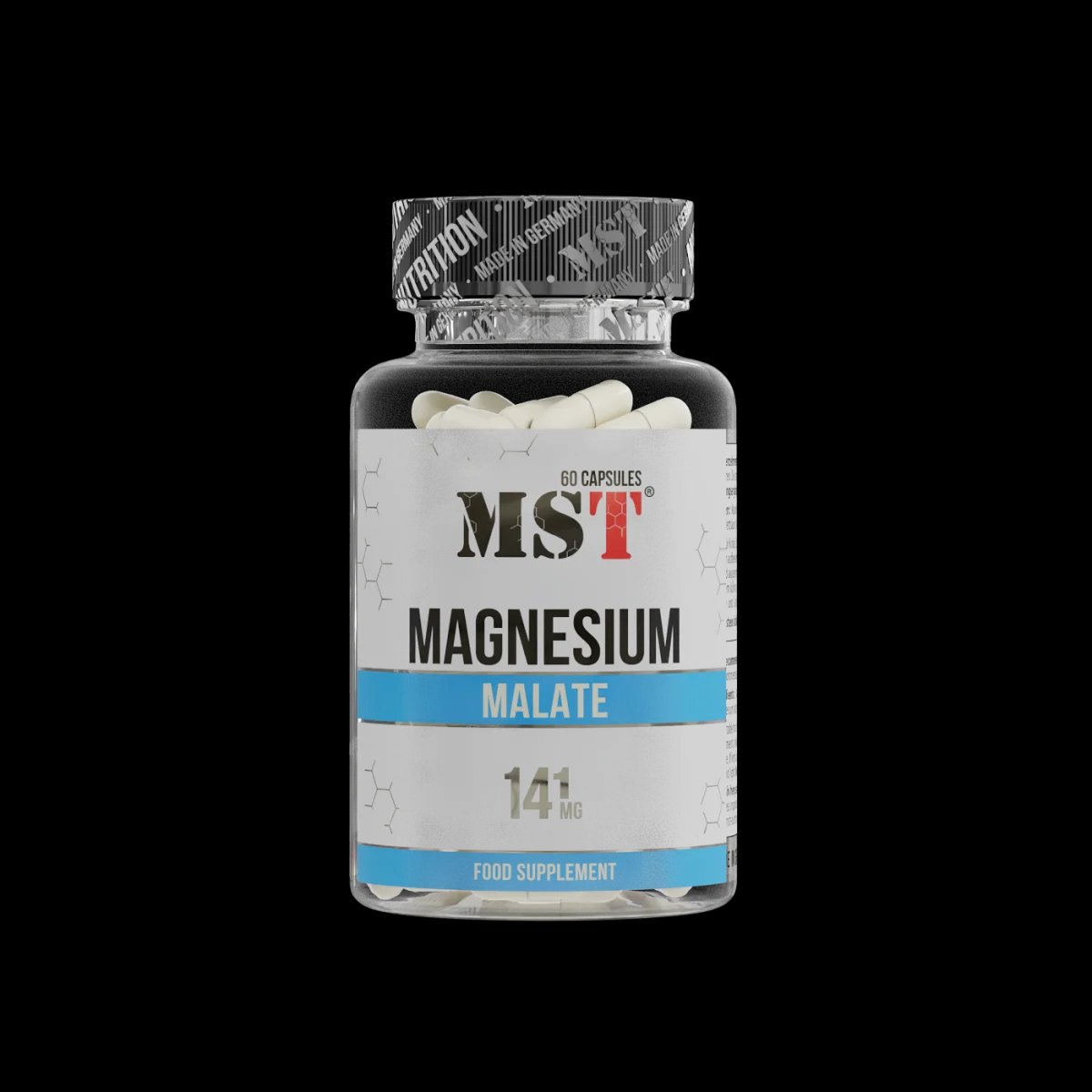
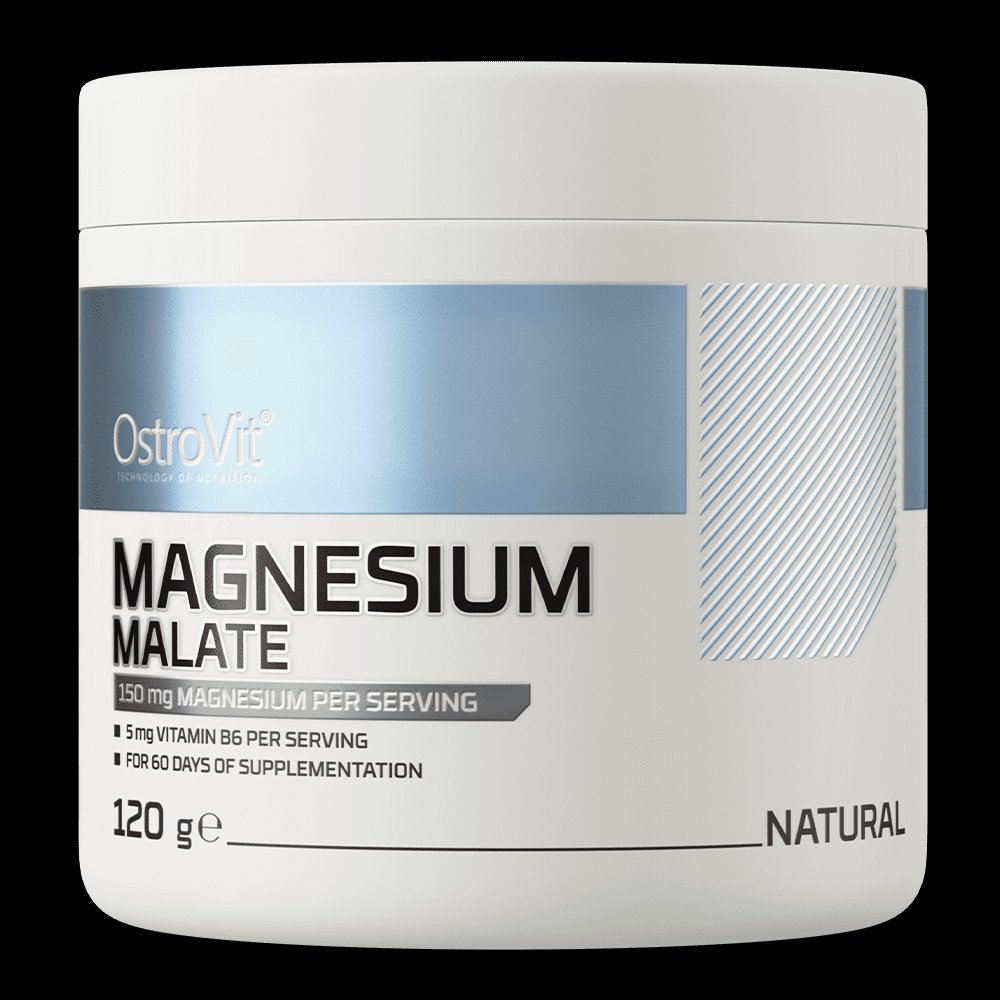
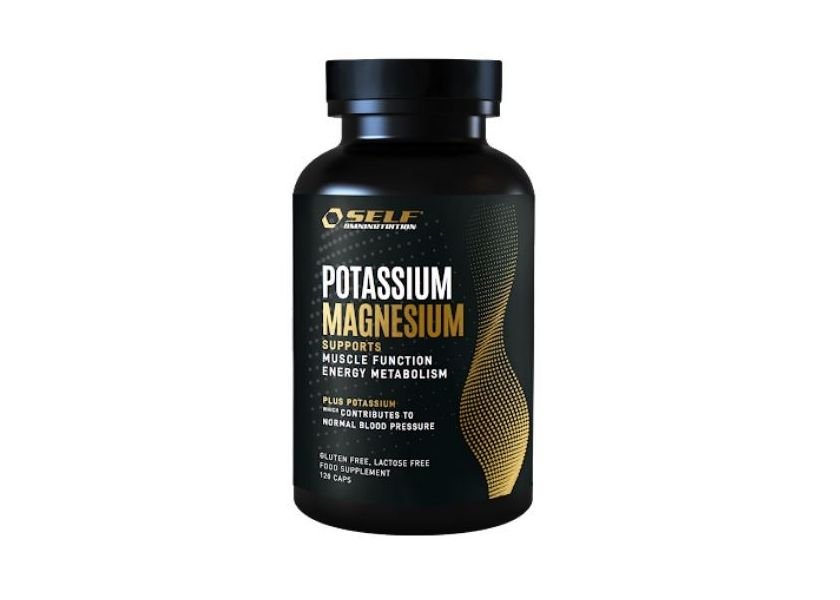
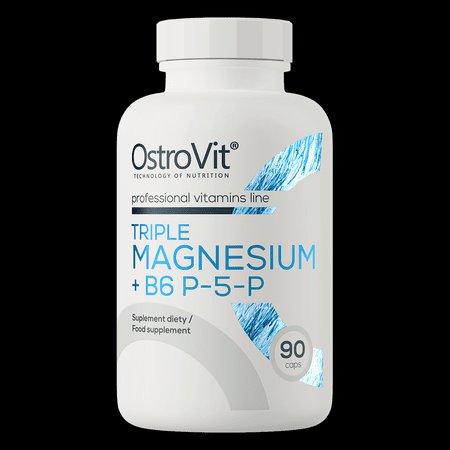
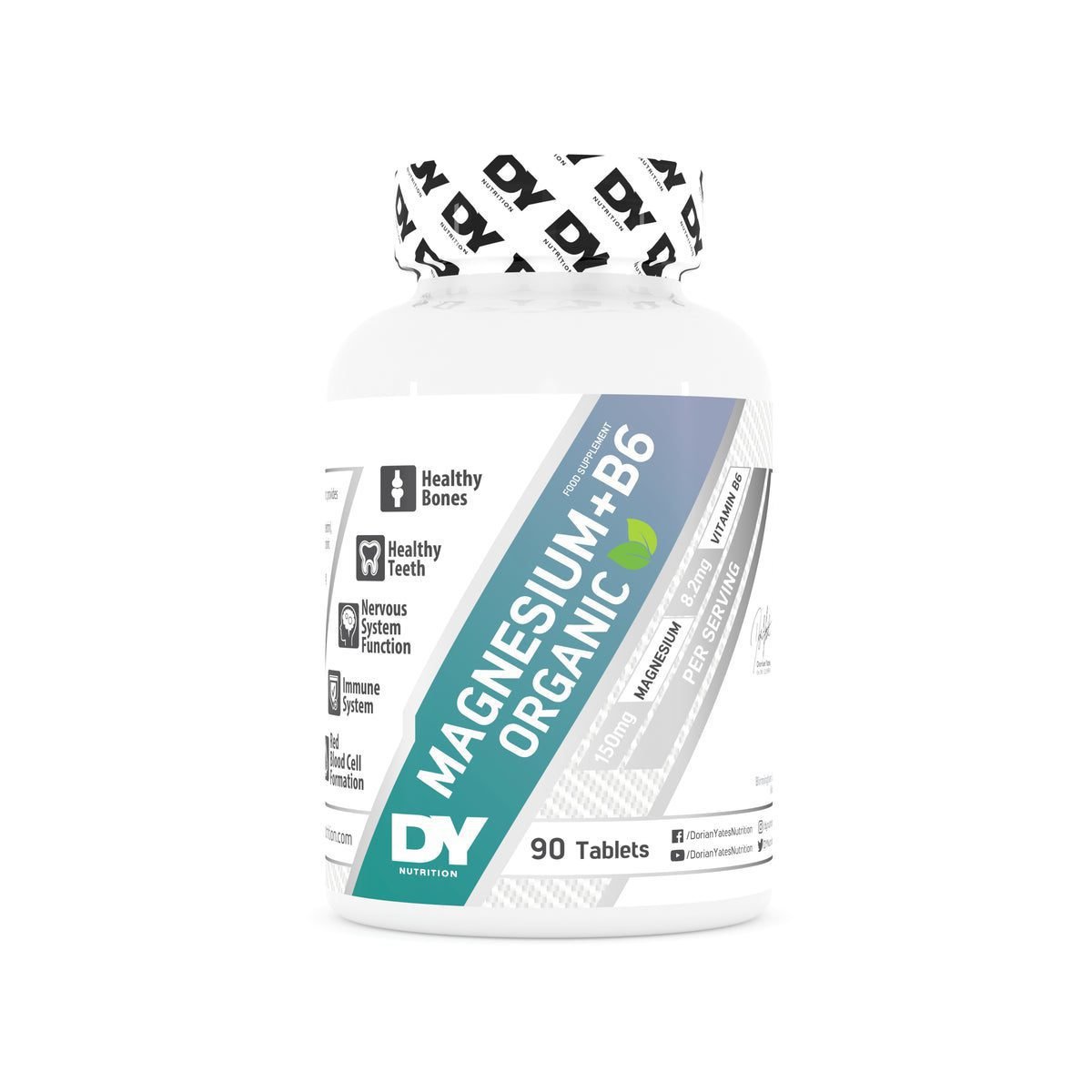
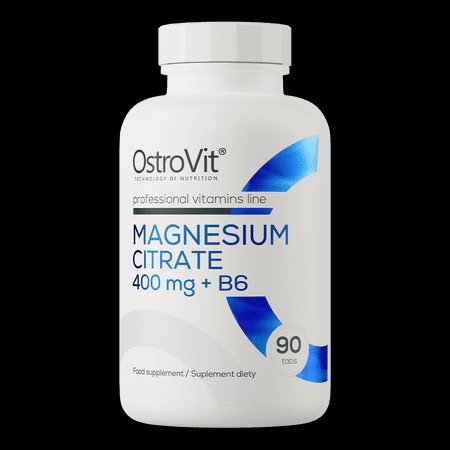
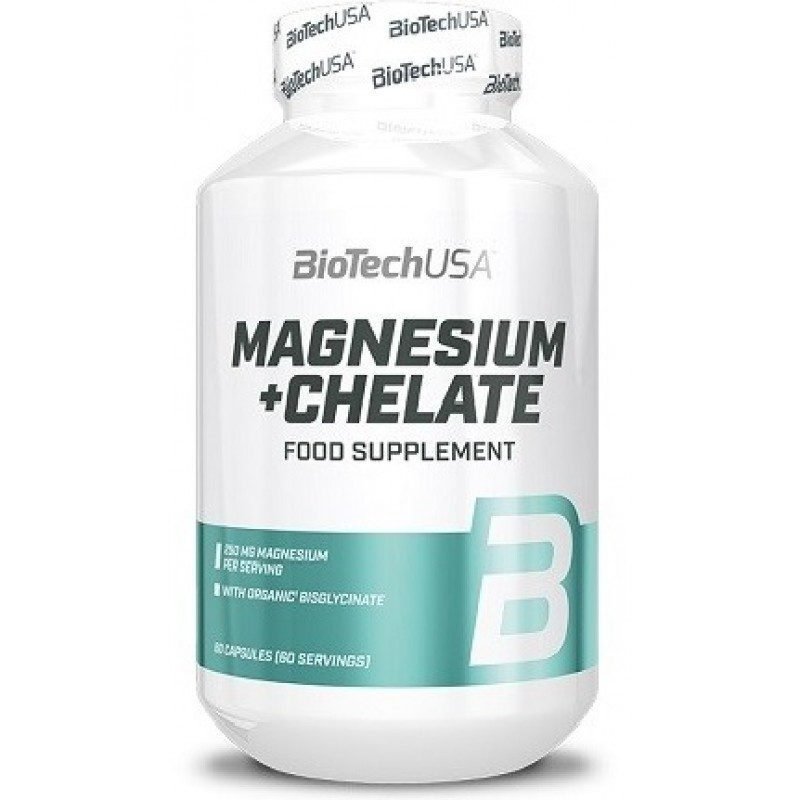
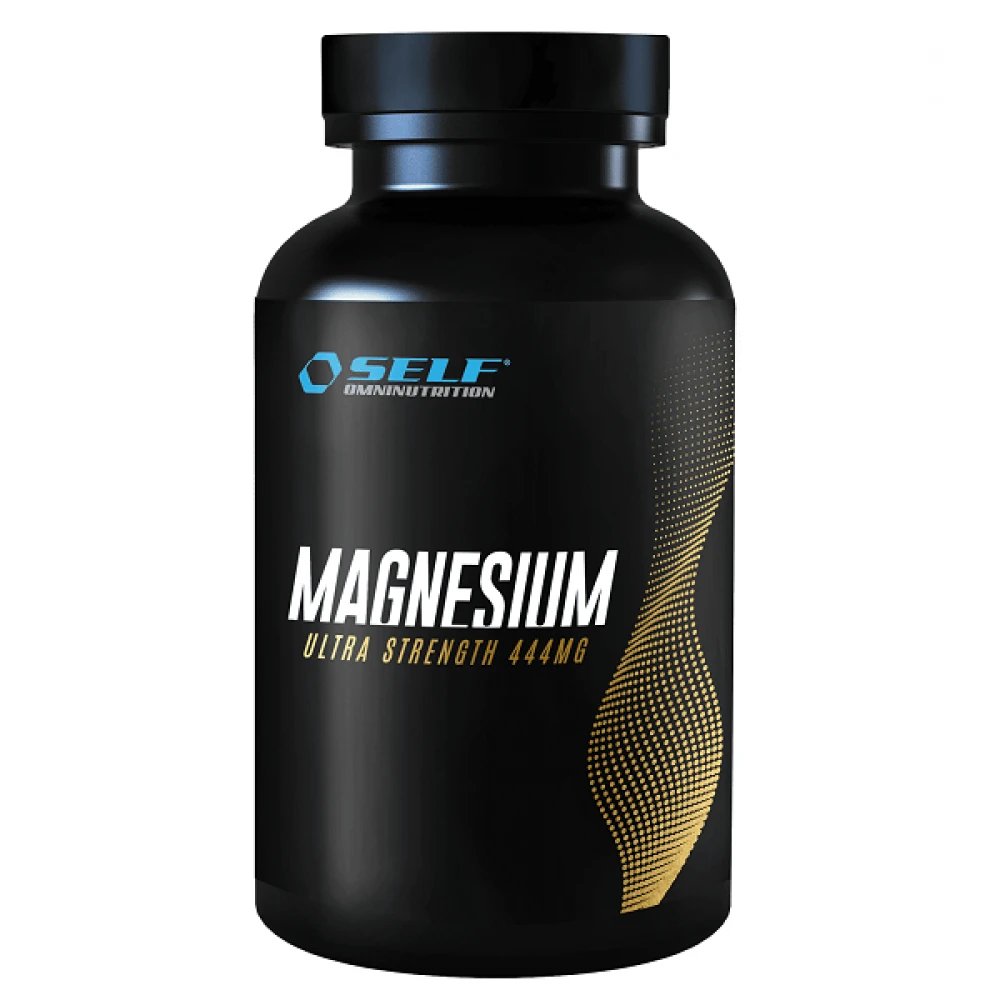
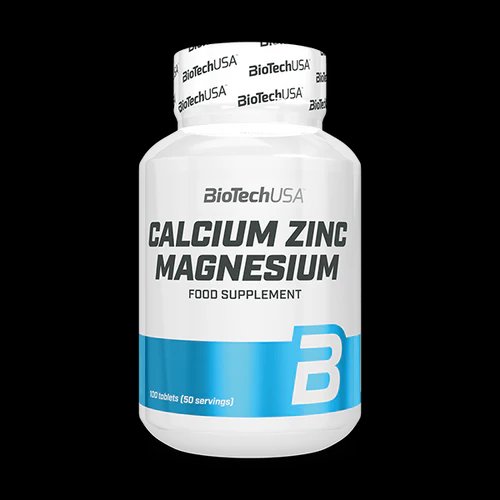
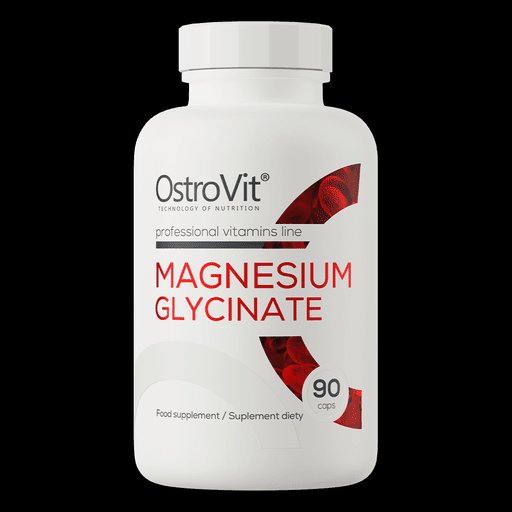
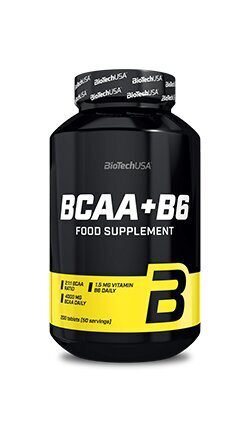
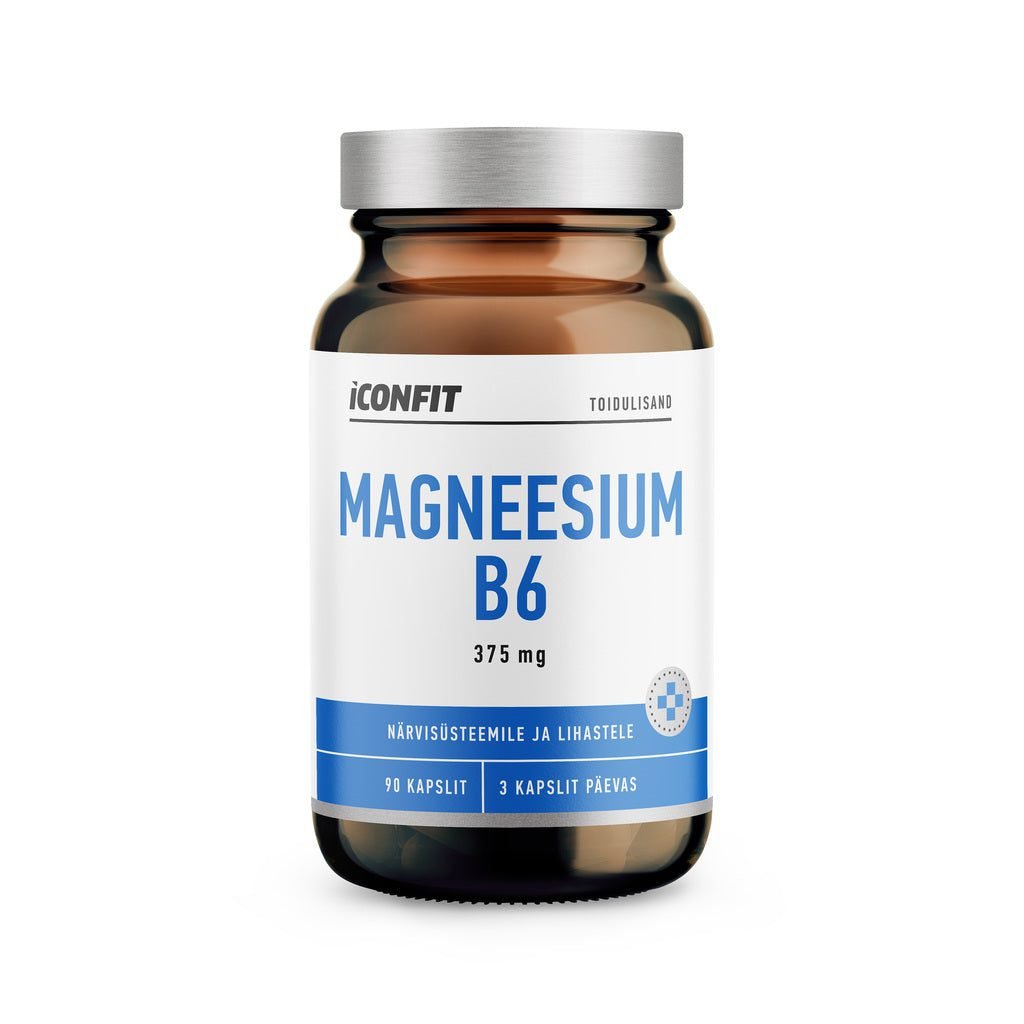
Magnesium supplements are available in three main formats, each with its own advantages and drawbacks.
Tablets and Capsules — The Classic
Tablets and capsules remain the most common format, accounting for roughly 55% of the market.
Advantages:
- Convenient and easy to dose
- Portable — ideal for travel
- Long shelf life
- Tasteless — suits those who dislike powder flavors
Drawbacks:
- Slower absorption (capsule must first dissolve)
- Tablets often contain binders and fillers
- Larger doses require taking multiple tablets
- Some people have difficulty swallowing tablets
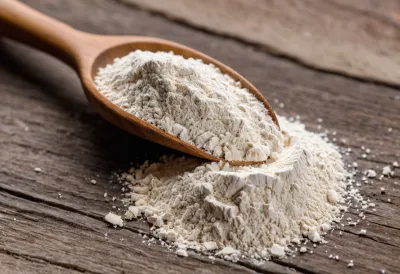
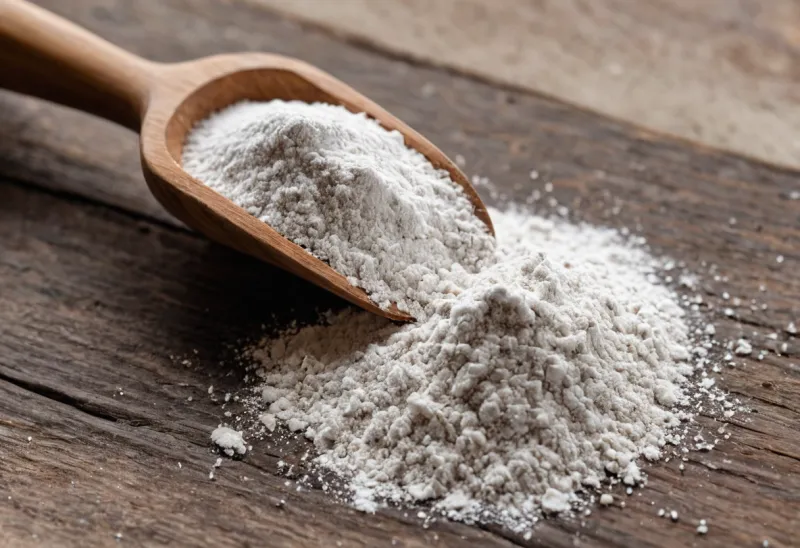
Powder — The Fast-Growing Trend
Powder format has experienced the fastest growth, especially among younger consumers (18–40).
Advantages:
- Faster absorption — no waiting for capsule dissolution
- Flexible dosing — can be precisely adjusted
- Can be mixed into smoothies, drinks, and food
- Fewer fillers and binders
- Often more affordable per gram
Drawbacks:
- Less convenient to carry
- Requires mixing and preparation
- Taste can be an issue (with some unflavored powders)
- Shorter shelf life after opening
Liquid — Peak Convenience
Liquid magnesium supplements are the smallest but fastest-growing segment.
Advantages:
- Fastest absorption of all formats
- Ideal for those who have difficulty swallowing tablets
- Easy to dose — with a dropper or measuring spoon
- Suitable for children and elderly
Drawbacks:
- Highest price per gram
- Shortest shelf life
- Often requires refrigeration
- Limited selection
What Science Says About Absorption
While format choice affects how quickly magnesium reaches the digestive tract, the primary factor affecting absorption is the chemical form of magnesium (glycinate vs citrate vs oxide, etc.).
EFSA does not differentiate between formats in its health claims — what matters is the active substance itself. EFSA confirms: "Magnesium contributes to normal energy-yielding metabolism" regardless of whether consumed as a tablet, powder, or liquid.
However, there is a practical difference:
- Liquids and powders — the active ingredient is already dissolved or dissolves quickly, so absorption begins sooner
- Capsules — the capsule shell must first break down (typically 15–30 minutes)
- Tablets — pressed tablets may take longer to dissolve (30–60 minutes)
Practical tip: If absorption speed matters (e.g., before sleep), prefer powder or liquid form. For everyday general use, capsules remain an excellent choice.
Consumer Trends 2024–2025
Consumer survey data shows a clear shift:
- 2020: 70% tablets/capsules, 20% powder, 10% liquid
- 2024: 55% tablets/capsules, 35% powder, 10% liquid
- 2025 forecast: 50% tablets/capsules, 38% powder, 12% liquid
Key reasons for the shift:
- Influence of fitness and wellness communities (smoothie culture)
- Desire for better ingredient and dose control
- Younger generations are more open to alternative formats
- Greater awareness of filler and binder content in tablets
How to Choose the Right Format
Choose tablets/capsules if you:
- Value convenience and portability
- Need a simple solution while traveling
- Don't like the taste of magnesium
- Want long shelf life
Choose powder if you:
- Want faster absorption
- Enjoy mixing supplements into smoothies
- Want flexible dosing
- Budget is an important factor
Choose liquid if you:
- Have difficulty swallowing tablets
- Want the fastest possible absorption
- Are looking for a solution for children or elderly
Estonian Context
In the Estonian market, tablets and capsules still dominate, but powder formats are growing rapidly in popularity, especially among fitness enthusiasts. MaxFit.ee offers various magnesium formats so everyone can find their ideal match.
Key Takeaways
- Powder format share has grown from 20% to 35% over the past four years
- 40% of consumers now prefer powder (2024 consumer surveys)
- Chemical form (glycinate, citrate) matters more for absorption than physical format
- Powders and liquids do absorb faster than tablets, however
- Fitness and wellness trends are driving powder growth
- Tablets remain important for convenience
- Your choice depends on lifestyle, preferences, and specific needs
References
- Schuchardt, J.P. & Hahn, A. (2017). Intestinal absorption and factors influencing bioavailability of magnesium — an update. Current Nutrition & Food Science, 13(4), 260–278.
- EFSA Panel on Dietetic Products, Nutrition and Allergies (2010). Scientific Opinion on the substantiation of health claims related to magnesium. EFSA Journal, 8(10), 1807.
- Euromonitor International (2024). Vitamins and Dietary Supplements: Global Market Overview.
Dietary supplements are not a substitute for a varied, balanced diet and healthy lifestyle.
Browse our magnesium selection at MaxFit.ee →