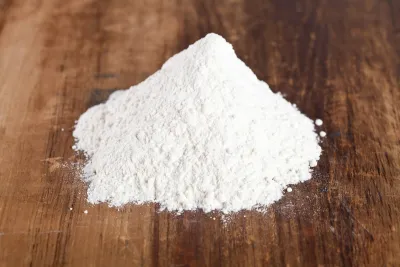
Magnesium, Sleep and Recovery: What the Evidence Really Supports
Magnesium has become the wellness world's go-to bedtime mineral, promising deeper sleep and faster recovery. Some of that reputation is earned, some is marketing. Here is a clear-eyed look at what the research actually shows — and how to use it sensibly.
A mineral most people under-consume
Magnesium is a cofactor in more than 300 enzymatic reactions, including energy production, muscle contraction and the regulation of the nervous system (de Baaij et al., 2015). Despite that, dietary surveys across Europe consistently find a meaningful share of adults falling below recommended intakes, partly because processing strips magnesium from refined foods. Athletes lose additional magnesium through sweat, and physical training increases requirements (de Baaij et al., 2015).
This matters because most of the benefits attributed to supplementation are really benefits of correcting a deficit. If you already eat plenty of leafy greens, nuts, legumes and whole grains, extra magnesium does less. If you don't — which is common — topping up can have a noticeable effect.
Sleep: real but conditional
The sleep claims are where caution is warranted. A frequently cited randomised, placebo-controlled trial in older adults with insomnia found that 500 mg/day of magnesium improved subjective sleep measures, sleep efficiency and reduced early-morning waking (Abbasi et al., 2012). Observational data also link higher magnesium intake to better sleep quality and longer sleep duration (Cao et al., 2018).
But these effects are clearest in people who were deficient or elderly. For a young, well-nourished adult, the evidence for magnesium as a general sleep aid is weaker. The plausible mechanism is sound — magnesium supports GABA activity and helps regulate the stress hormone cascade (Boyle et al., 2017) — but it is not a sedative. Think of it as removing a barrier to good sleep rather than forcing sleep.
Recovery and muscle function
For active people the recovery angle is compelling. Magnesium is essential for muscle relaxation: it acts as a natural calcium antagonist, allowing contracted muscle fibres to release. Magnesium status may be associated with muscle cramps, and supplementation may help support muscle function and reduce the perception of fatigue, particularly in those starting from a deficit. It also supports the stress and anxiety axis — a 2017 systematic review found magnesium may modestly reduce subjective anxiety in vulnerable groups (Boyle et al., 2017) — which indirectly aids the wind-down before sleep.
Which form to choose
Form matters for absorption and tolerability. Magnesium oxide is cheap but poorly absorbed and prone to causing loose stools. Organic, chelated forms — citrate, malate, bisglycinate — are better tolerated and more bioavailable. Malate in particular is popular among active people because it is gentle on the stomach and the malic acid is involved in energy metabolism.
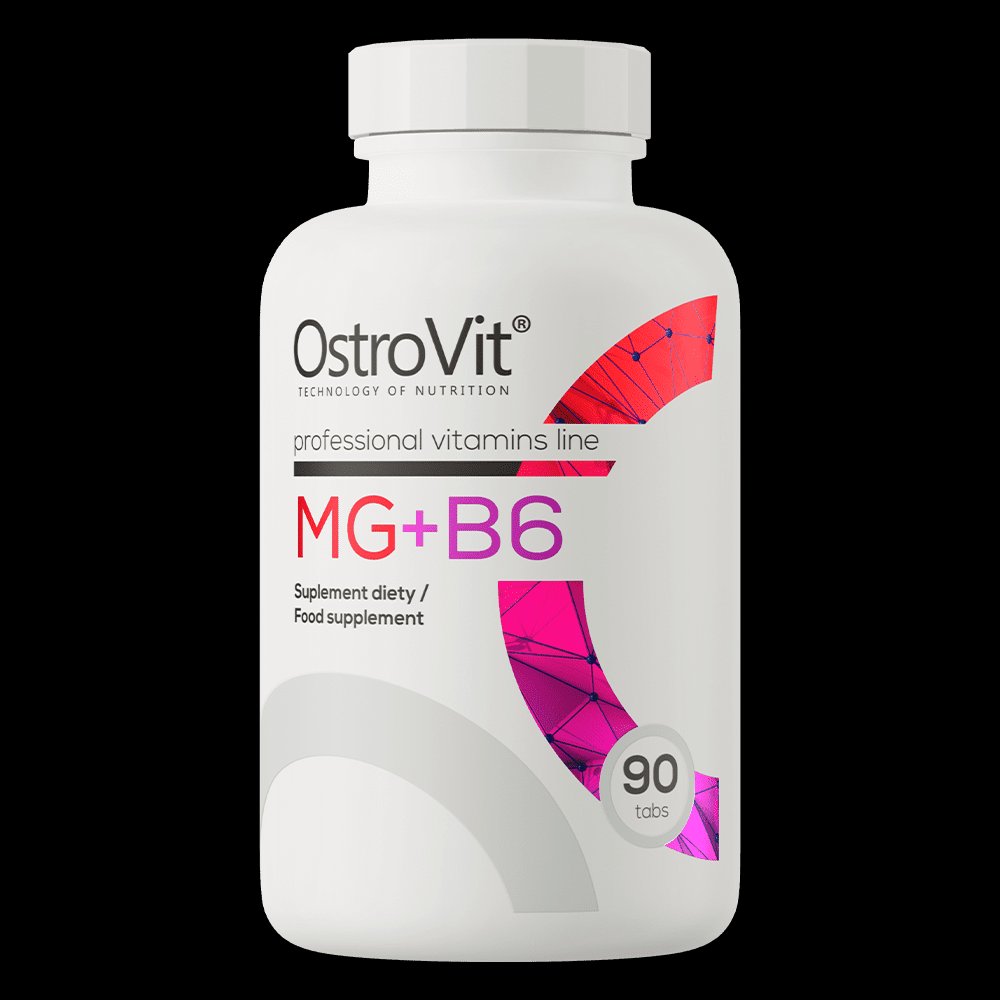
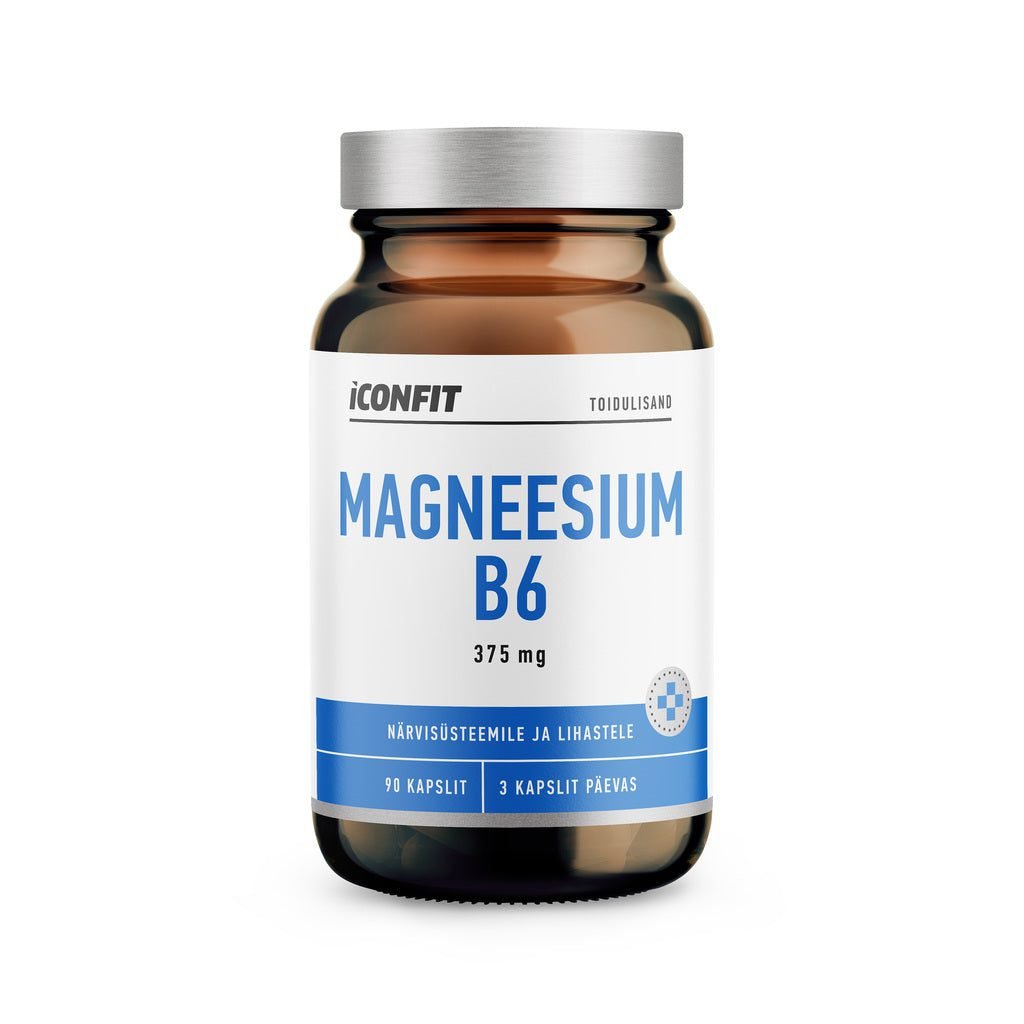
Magnesium malate supplements are available at maxfit.ee in practical formats, including capsules and unflavoured powder. For those who also want nervous-system support, OstroVit Triple Magnesium + B6 P-5-P 90caps pairs three magnesium forms with the active P-5-P form of vitamin B6, which aids magnesium utilisation. Explore the magnesium category for the full range.
Practical guidance
Many people take magnesium supplements daily to support sleep, with consistent dosing generally viewed as more important than the specific timing of intake. Split the dose if you experience digestive upset. Because magnesium and sleep both decline with the dark Nordic winter and indoor heating, many Estonians find the colder months the most useful time to be deliberate about intake.
A caution: people with kidney disease should not supplement magnesium without medical advice, as impaired kidneys cannot clear excess. For everyone else, magnesium from food and sensible supplementation is among the safest interventions available.
FAQ
Will magnesium put me to sleep like a sleeping pill?
No. It is not a sedative. Magnesium supports the systems that allow good sleep — GABA signalling and stress regulation — so the benefit is clearest when low magnesium was part of the problem (Abbasi et al., 2012). A well-nourished sleeper may notice little.
Which magnesium form is best for recovery?
Shop this category — in stock now
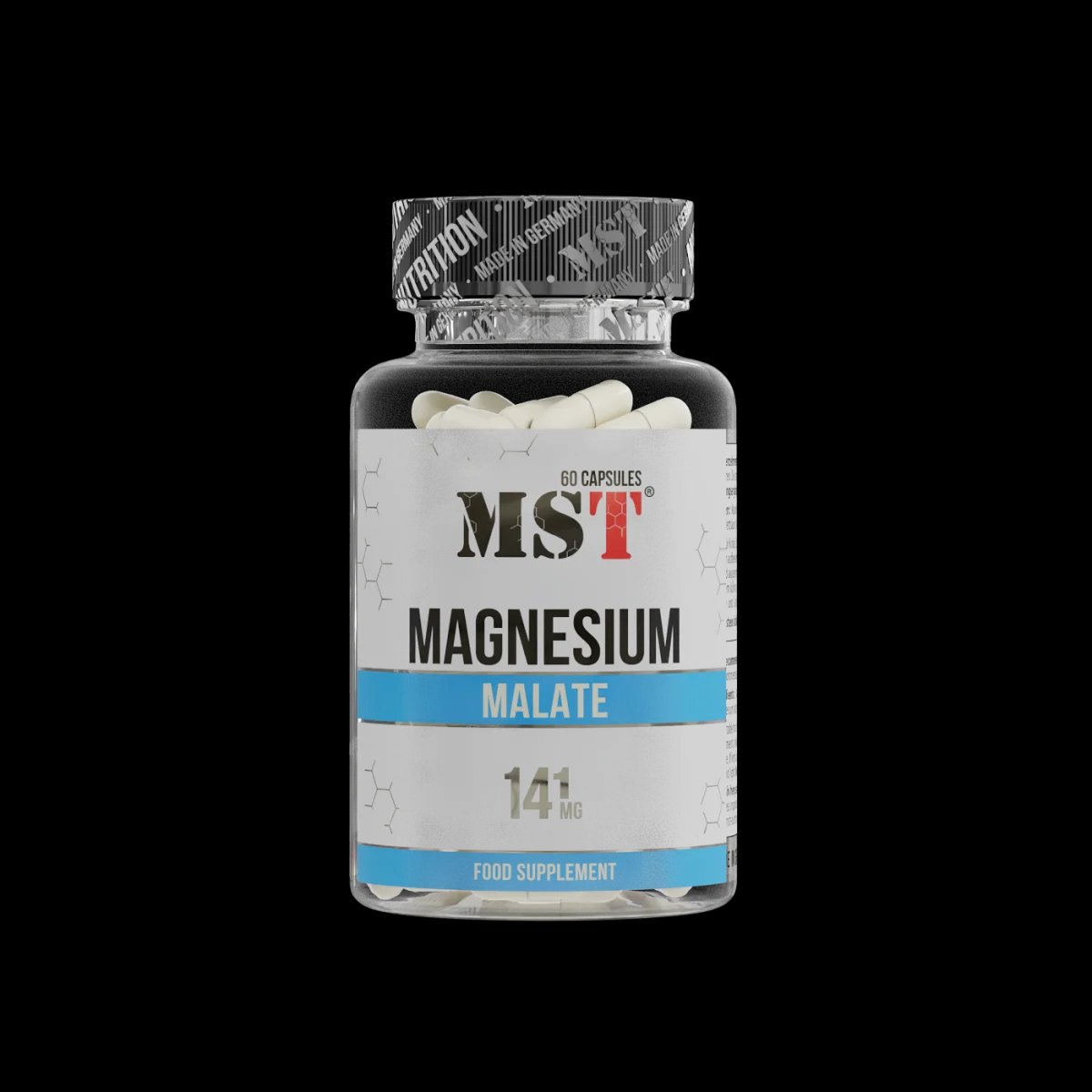


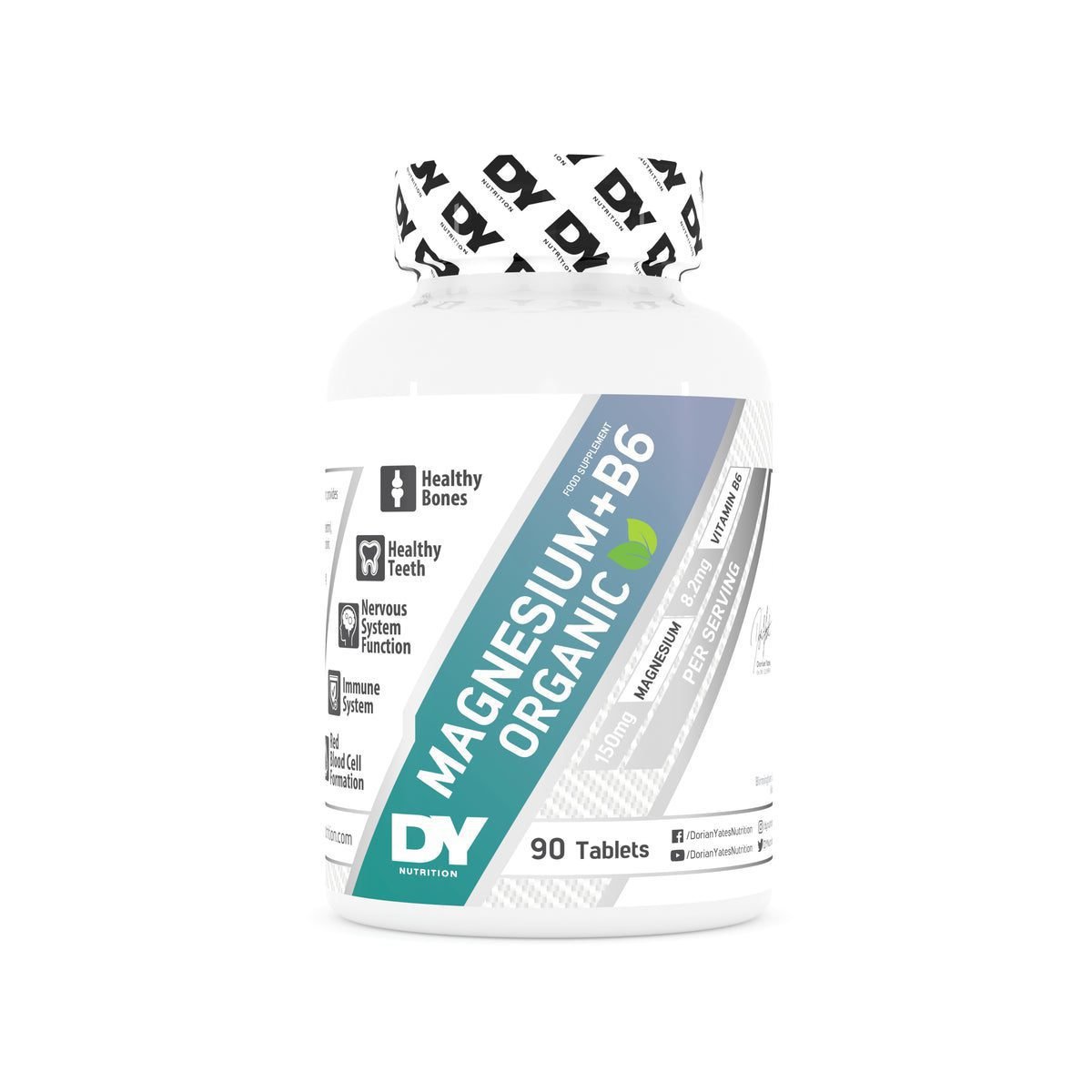
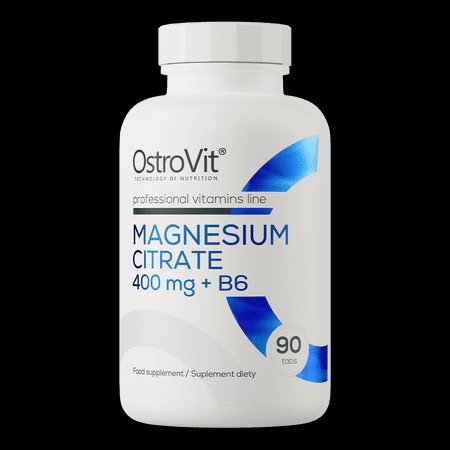





Well-absorbed organic forms like malate, citrate or bisglycinate are preferable to oxide. Malate is popular for active people due to good tolerability and its role in energy metabolism (de Baaij et al., 2015). The "best" form is the one you can take daily without digestive upset.
Can I get enough magnesium from food alone?
Many people can, through leafy greens, nuts, seeds, legumes and whole grains. But intakes below recommendations are common in Europe, and athletes lose magnesium in sweat, so a modest supplement is a reasonable insurance for active or deficient individuals (de Baaij et al., 2015).
References
- Abbasi, B., Kimiagar, M., Sadeghniiat, K., et al. (2012). The effect of magnesium supplementation on primary insomnia in elderly: A double-blind placebo-controlled clinical trial. Journal of Research in Medical Sciences, 17(12), 1161–1169. https://pubmed.ncbi.nlm.nih.gov/23853635/
- Cao, Y., Zhen, S., Taylor, A. W., et al. (2018). Magnesium Intake and Sleep Disorder Symptoms: Findings from the Jiangsu Nutrition Study. Nutrients, 10(10), 1354. https://pubmed.ncbi.nlm.nih.gov/30248967/
- Boyle, N. B., Lawton, C., & Dye, L. (2017). The Effects of Magnesium Supplementation on Subjective Anxiety and Stress—A Systematic Review. Nutrients, 9(5), 429. https://pubmed.ncbi.nlm.nih.gov/28445426/
- de Baaij, J. H. F., Hoenderop, J. G. J., & Bindels, R. J. M. (2015). Magnesium in man: implications for health and disease. Physiological Reviews, 95(1), 1–46.