Omega-3 for Athletes: What the Recovery and Muscle Research Really Shows
Omega-3 fish oils are best known for heart and brain health, but a growing body of sports-science research has examined them for something closer to the training floor: muscle growth, recovery and the management of exercise-induced inflammation. The picture is genuinely interesting — and, as usual, more nuanced than supplement labels suggest.
What EPA and DHA actually are
The two omega-3 fatty acids that matter most are EPA (eicosapentaenoic acid) and DHA (docosahexaenoic acid), found in oily fish. They are incorporated into cell membranes throughout the body, where they influence membrane fluidity, cell signalling and the production of less-inflammatory signalling molecules (Calder, 2017). Most people in Northern Europe, including Estonia, eat far less oily fish than dietary guidelines suggest, leaving a real gap that supplementation can fill.
Muscle protein synthesis
Shop this category — in stock now
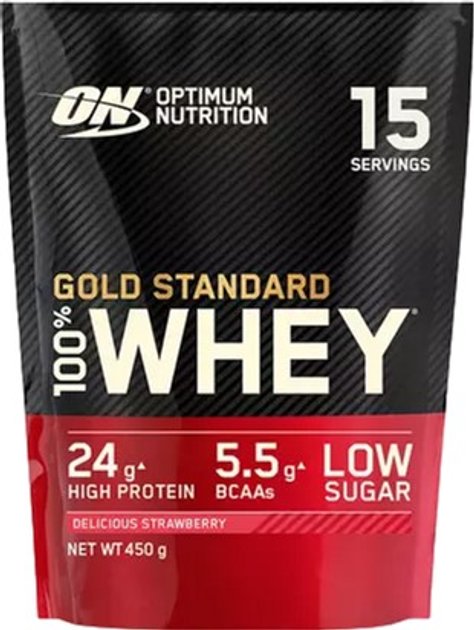
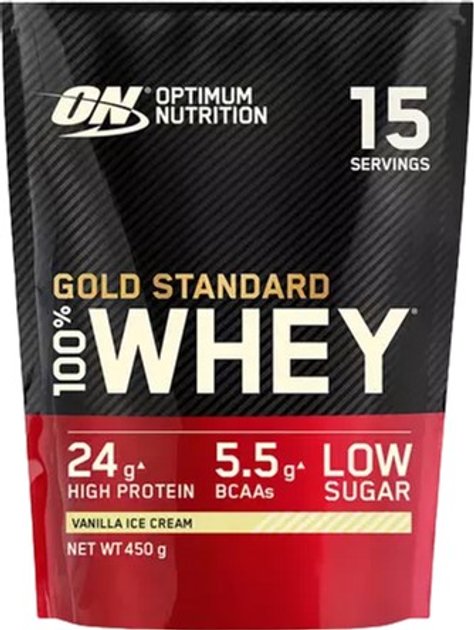
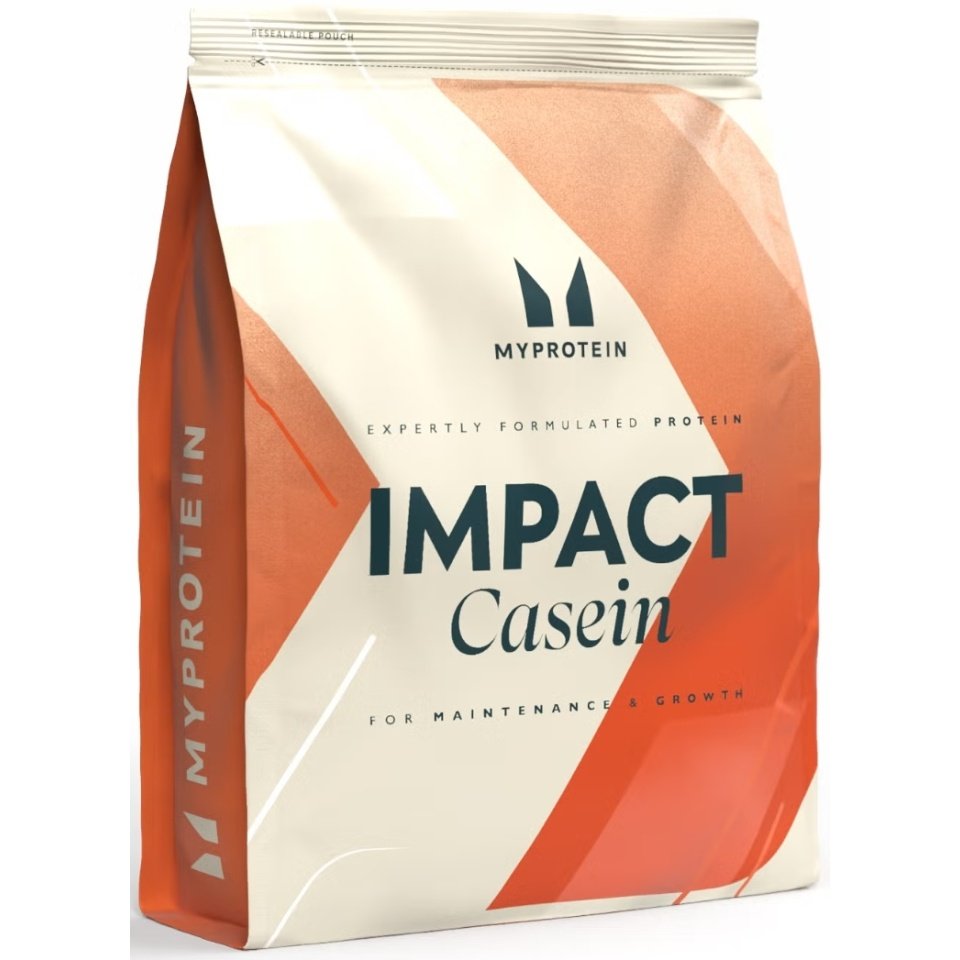
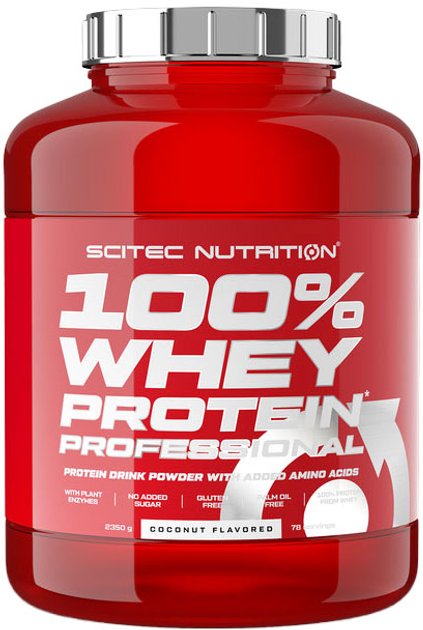
The headline laboratory finding is that omega-3s can enhance the muscle's anabolic response. In a controlled study, eight weeks of fish-oil supplementation increased the rate of muscle protein synthesis in response to amino acids and insulin in older adults — a signal that omega-3 may sensitise muscle to the building stimulus (Smith et al., 2011). A broader review concluded that EPA and DHA can favourably influence muscle protein turnover, with the strongest case in older adults and during periods of muscle disuse, such as injury or immobilisation (McGlory et al., 2019).
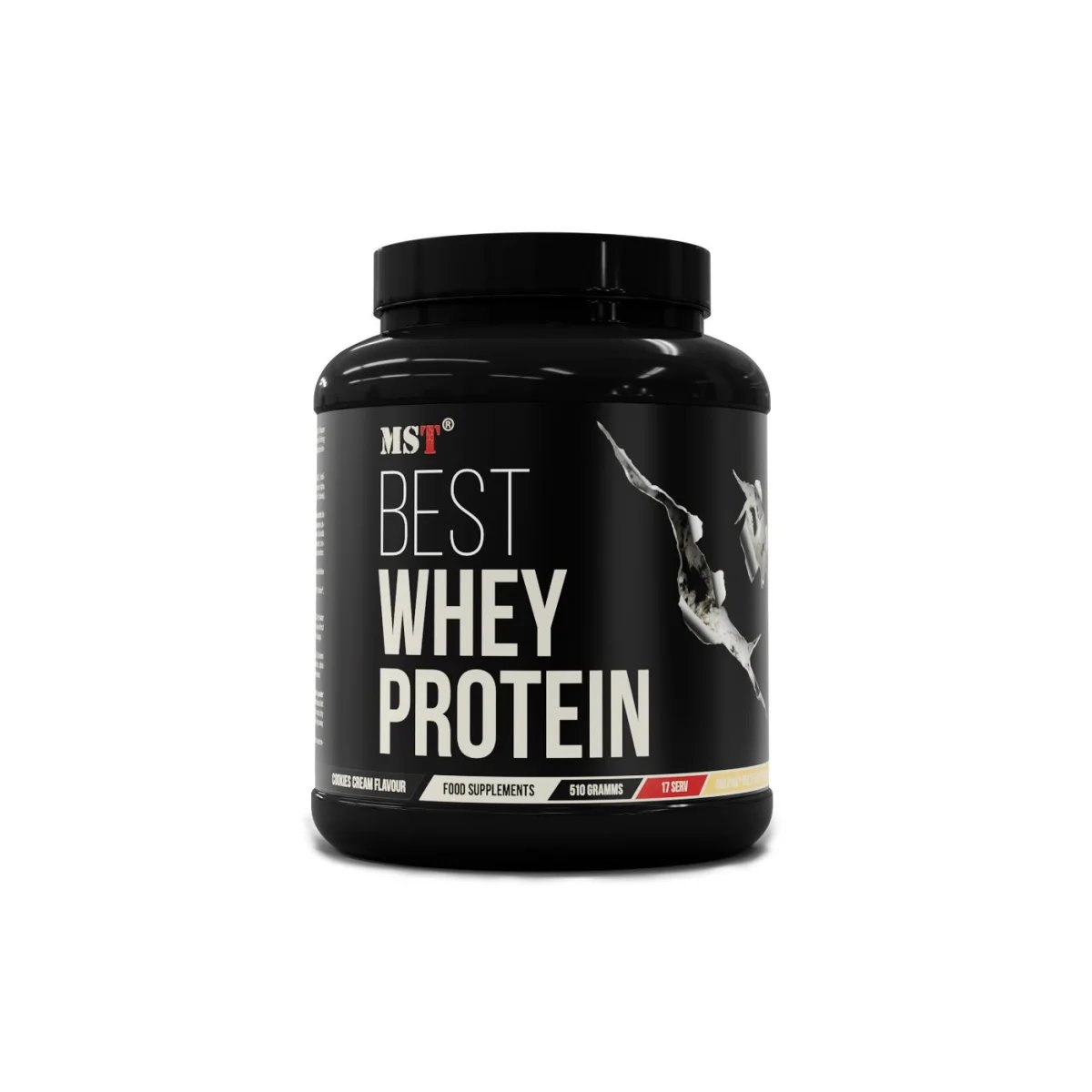
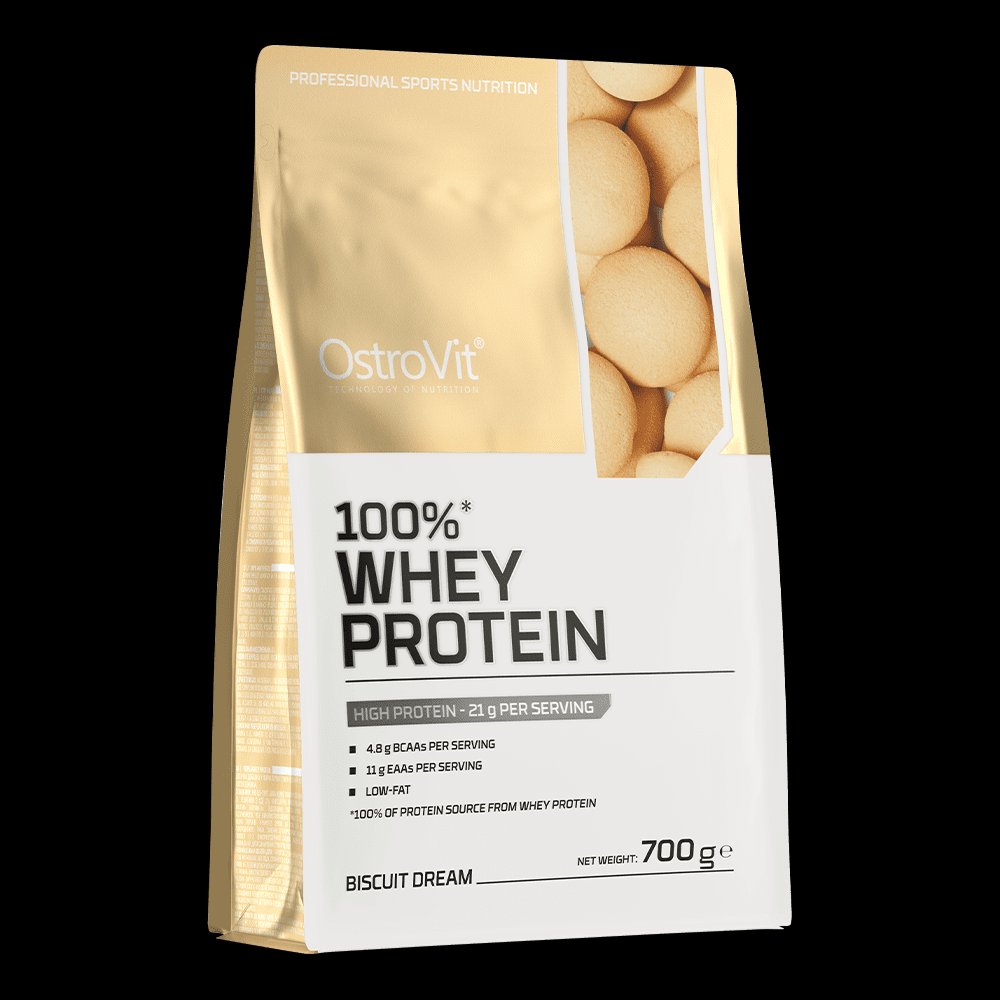
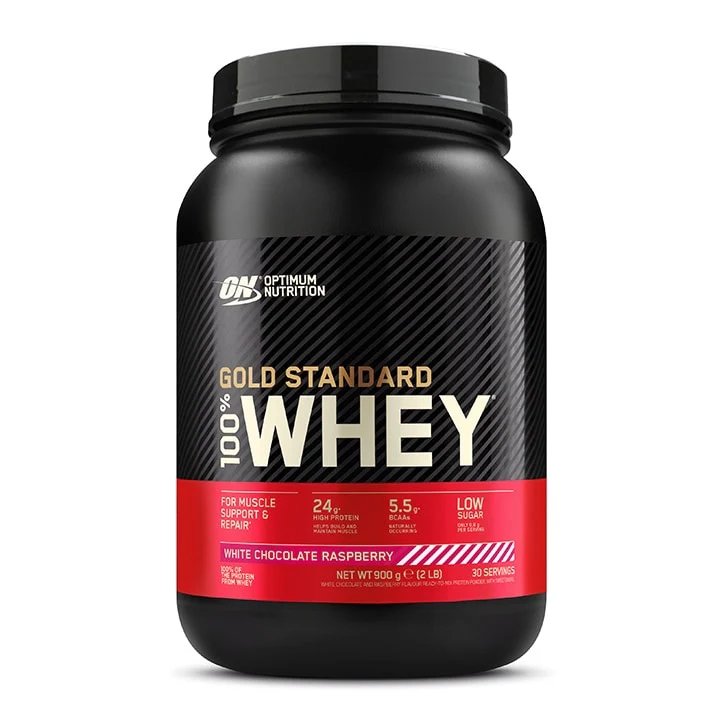
Importantly, omega-3 is not a substitute for protein — it appears to work by amplifying the response to protein and training, not replacing them. Pair it with adequate protein intake from quality sources rather than expecting fish oil to build muscle on its own.
Soreness and recovery
For delayed-onset muscle soreness (DOMS) and recovery of force after hard sessions, several trials report modest benefits — reduced soreness ratings and slightly better retained strength in the days after damaging exercise — though results are mixed and effect sizes vary (Philpott et al., 2019). A narrative review aimed at the practical question concluded that omega-3 supplementation has plausible recovery benefits for athletes, while cautioning that very high doses are not clearly better and the evidence base still has gaps (Thielecke & Blannin, 2020).
Inflammation: a balance, not a switch
Omega-3s shift the body toward producing specialised pro-resolving mediators that help inflammation resolve (Calder, 2017). For athletes this is a double-edged consideration: some post-exercise inflammation is a necessary part of adaptation, so the goal is supporting recovery, not blunting every inflammatory signal. The sensible framing is correcting a dietary shortfall and supporting overall recovery, rather than chasing maximal anti-inflammatory suppression.
How much, and what to look for
Most sports-nutrition reviews use roughly 1–3 g of combined EPA + DHA per day (Thielecke & Blannin, 2020). When reading a supplement label, it's important to check the actual EPA and DHA content rather than relying solely on the total fish-oil weight, as the proportion of active omega-3s can vary significantly between products. Concentrated options make hitting the target easier: OstroVit Omega 3 Ultra 90 caps and MST Omega 3 Selected 60 Softgels are higher-EPA/DHA choices available at maxfit.ee. If you want a broader fatty-acid profile, ICONFIT Softgel Omega 3-6-9 N90 also includes omega-6 and -9, though for athletes the EPA/DHA fraction is what carries the muscle and recovery evidence. Browse the full range under omega-3.
Freshness and oxidation matter: rancid fish oil is both unpleasant and less useful, so store capsules cool and dark and choose products with reasonable turnover.
The bottom line for Estonian athletes
EPA and DHA supplementation may support recovery and muscle-building response, and research has explored potential cardiovascular and cognitive benefits for athletes. It is a supporting player, not a hero ingredient: it works best alongside enough protein, sound training and good sleep.
FAQ
Will omega-3 build muscle on its own?
No. It appears to amplify the muscle's response to protein and training rather than build muscle independently, with the clearest effects in older adults and during disuse (McGlory et al., 2019).
How much EPA and DHA should an athlete take?
Most reviews use about 1–3 g of combined EPA + DHA daily. Check the actual EPA/DHA numbers on the label, not just the total oil weight (Thielecke & Blannin, 2020).
Does omega-3 reduce muscle soreness?
Several trials show modest reductions in soreness and better force retention after hard sessions, though results are mixed (Philpott et al., 2019).
References
- Smith, G. I., et al. (2011). Dietary omega-3 fatty acids increase the rate of muscle protein synthesis in older adults. American Journal of Clinical Nutrition, 93(2), 402–412. https://pubmed.ncbi.nlm.nih.gov/21159787/
- McGlory, C., et al. (2019). The influence of omega-3 fatty acids on skeletal muscle protein turnover in health, disuse, and disease. Frontiers in Nutrition, 6, 144. https://pubmed.ncbi.nlm.nih.gov/31555658/
- Philpott, J. D., et al. (2019). Applications of omega-3 polyunsaturated fatty acid supplementation for sport performance. Research in Sports Medicine, 27(2), 219–237. https://pubmed.ncbi.nlm.nih.gov/30484702/
- Thielecke, F., & Blannin, A. (2020). Omega-3 fatty acids for sport performance—are they equally beneficial for athletes and amateurs? A narrative review. Nutrients, 12(12), 3712. https://pubmed.ncbi.nlm.nih.gov/33266318/
- Calder, P. C. (2017). Omega-3 fatty acids and inflammatory processes: from molecules to man. Biochemical Society Transactions, 45(5), 1105–1115. https://pubmed.ncbi.nlm.nih.gov/28900017/