Magnesium Forms Decoded: Which One for Sleep, Stress and Muscle Recovery?
Magnesium is involved in more than 300 enzymatic reactions, from energy production to muscle contraction and nervous-system regulation (de Baaij et al., 2015). Yet walk into any supplement aisle — or browse maxfit.ee — and you'll find a confusing array of forms: malate, glycinate, citrate, oxide. New consumer interest in 2025–2026, driven by sleep and stress concerns, has made "which magnesium?" one of the most-asked supplement questions. Here's what the evidence actually supports.
Why form matters
The mineral content and absorption differ sharply between forms. Magnesium oxide, the cheapest, contains a lot of elemental magnesium but is poorly absorbed and is mostly used as a laxative. Organic forms — citrate, malate, glycinate — are better absorbed (Walker et al., 2003). The attached molecule also matters: glycine promotes calm, while malate feeds energy metabolism.
The deficiency problem
Surveys across Europe suggest a meaningful share of adults fail to meet magnesium intake recommendations, particularly those eating highly processed diets (Rosanoff et al., 2012). Low magnesium status is associated with poorer sleep, higher perceived stress and muscle cramps — symptoms many active Estonians recognise, especially in winter.
Magnesium and sleep
A randomised trial in older adults with insomnia found that magnesium supplementation improved sleep time, sleep efficiency and early-morning waking versus placebo (Abbasi et al., 2012). The proposed mechanism: magnesium modulates GABA, the brain's primary calming neurotransmitter. Glycinate is often favoured here because glycine itself has mild sleep-promoting effects.
Magnesium, stress and mood
A systematic review found that magnesium supplementation reduced subjective anxiety in stress-vulnerable groups, though the authors called for higher-quality trials (Boyle et al., 2017). Given how tightly stress and sleep are linked, the two benefits often reinforce each other.
Magnesium for muscle and exercise
Active people lose magnesium through sweat, and the mineral is directly involved in muscle contraction and recovery. While supplementation won't boost performance in people who already have adequate levels, correcting a deficiency can reduce cramping and support recovery (Zhang et al., 2017). Malate — magnesium bound to malic acid, a Krebs-cycle intermediate — is popular among athletes for this reason.
What to choose at maxfit.ee
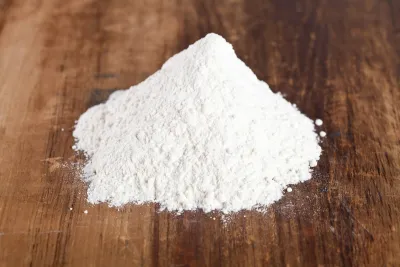
For muscle recovery and daytime energy, malate is a sensible default. 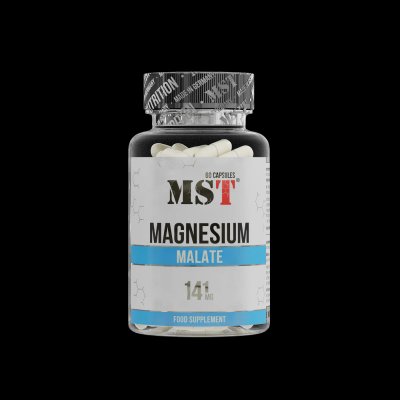 MST Magnesium Malate€15.90 In stock is available in capsule form, while OstroVit Magnesium Malate is available as an unflavored powder. If you train hard and sweat heavily, the SELF Potassium Magnesium 120 Vegan Caps pairs magnesium with potassium — two electrolytes commonly depleted during intense exercise. Browse the full magnesium range for other options.
Practical guidance
FAQ
Which magnesium form is best for sleep?
Glycinate and malate are popular for evening use because they're well absorbed and gentle on the stomach. The strongest clinical sleep data comes from studies using various well-absorbed forms in deficient or older populations (Abbasi et al., 2012). Avoid oxide for this purpose — it's poorly absorbed.
Can magnesium help with muscle cramps?
Magnesium is involved in muscle function, and addressing potential magnesium insufficiency is sometimes discussed as a dietary approach for muscle-related concerns. Evidence is mixed for cramps in people who are not deficient, so it works best as part of overall electrolyte and hydration management (Zhang et al., 2017).
How long until magnesium works?
Magnesium may help support sleep quality for some people, and sustained supplementation may contribute to muscle recovery and function, though individual responses vary.
References
- de Baaij, J. H., Hoenderop, J. G., & Bindels, R. J. (2015). Magnesium in man: implications for health and disease. Physiological Reviews, 95(1), 1–46.
- Abbasi, B., Kimiagar, M., Sadeghniiat, K., et al. (2012). The effect of magnesium supplementation on primary insomnia in elderly: A double-blind placebo-controlled clinical trial. Journal of Research in Medical Sciences, 17(12), 1161–1169. https://pubmed.ncbi.nlm.nih.gov/23853635/
- Boyle, N. B., Lawton, C., & Dye, L. (2017). The effects of magnesium supplementation on subjective anxiety and stress — a systematic review. Nutrients, 9(5), 429. https://pubmed.ncbi.nlm.nih.gov/28445426/
- Walker, A. F., Marakis, G., Christie, S., & Byng, M. (2003). Mg citrate found more bioavailable than other Mg preparations in a randomised, double-blind study. Magnesium Research, 16(3), 183–191. https://pubmed.ncbi.nlm.nih.gov/14596323/
- Zhang, Y., Xun, P., Wang, R., Mao, L., & He, K. (2017). Can magnesium enhance exercise performance? Nutrients, 9(9), 946.
- Rosanoff, A., Weaver, C. M., & Rude, R. K. (2012). Suboptimal magnesium status in the United States: are the health consequences underestimated? Nutrition Reviews, 70(3), 153–164. https://pubmed.ncbi.nlm.nih.gov/22364157/