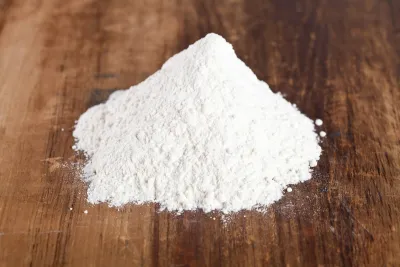
Magnesium Forms Explained: Which One for Sleep, Muscle and Stress?
Magnesium is one of the most popular supplements in Estonia, and for good reason — it is a cofactor in more than 300 enzymatic reactions, including energy production, muscle contraction and nervous-system regulation (Nielsen & Lukaski, 2006). But walk down any supplement aisle and you face a wall of forms: oxide, citrate, malate, glycinate, taurate. The marketing is loud; the actual differences are smaller than claimed but still worth understanding.
Why form matters: it's mostly absorption
The elemental magnesium is identical regardless of what it's bound to. What differs is bioavailability — how much actually crosses the gut wall — and the secondary effect of the partner molecule. A review of magnesium absorption concluded that organic salts (citrate, malate, glycinate, lactate) are generally absorbed better than inorganic oxide, which is cheap, high in elemental magnesium per gram, but poorly soluble and prone to a laxative effect (Schuchardt & Hahn, 2017).
So the first practical rule: if a product lists magnesium oxide as its only source, you are paying for a large number on the label that your body absorbs poorly.
The forms worth knowing
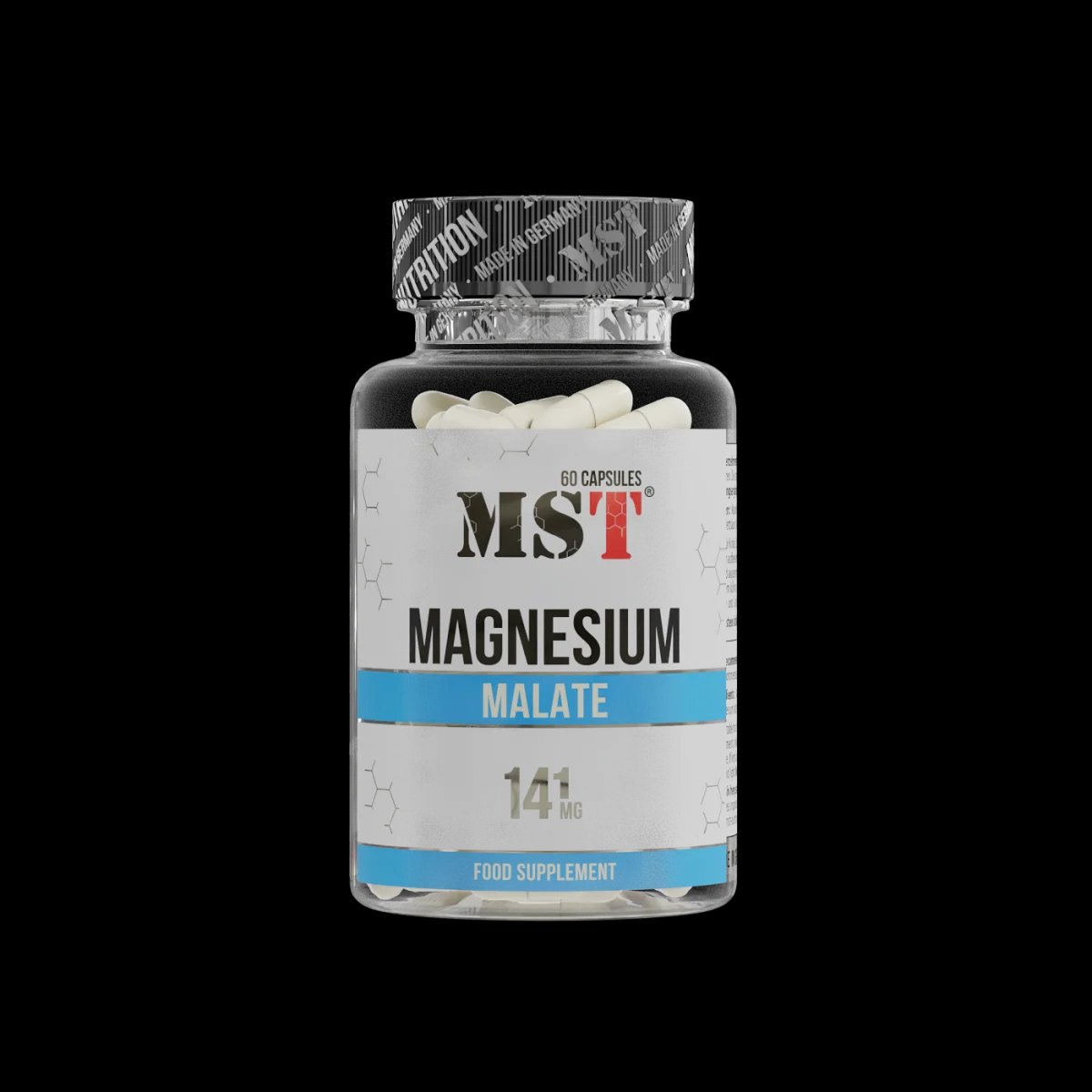
Magnesium malate binds magnesium to malic acid, an intermediate in the body's energy cycle. It is well absorbed and often favoured by people who want daytime magnesium without a strong laxative pull. MST Magnesium Malate 60caps and OstroVit Magnesium Malate 120g Naturaalne are clean, single-form options at maxfit.ee.
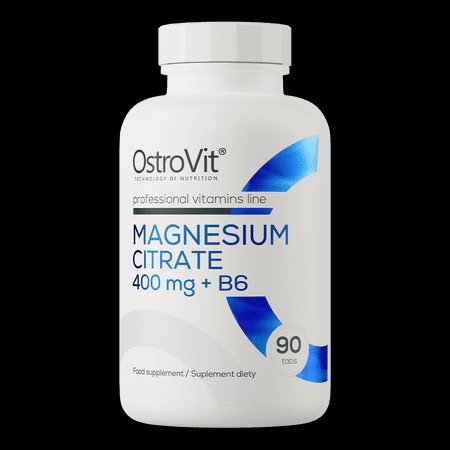
Magnesium citrate is highly bioavailable and the workhorse of most quality formulas, though at higher doses its mild laxative action is noticeable — useful for some, inconvenient for others.
Magnesium glycinate (bisglycinate) binds to the amino acid glycine, which is itself mildly calming. It is gentle on the gut and the form most often recommended for evening use and sleep support.
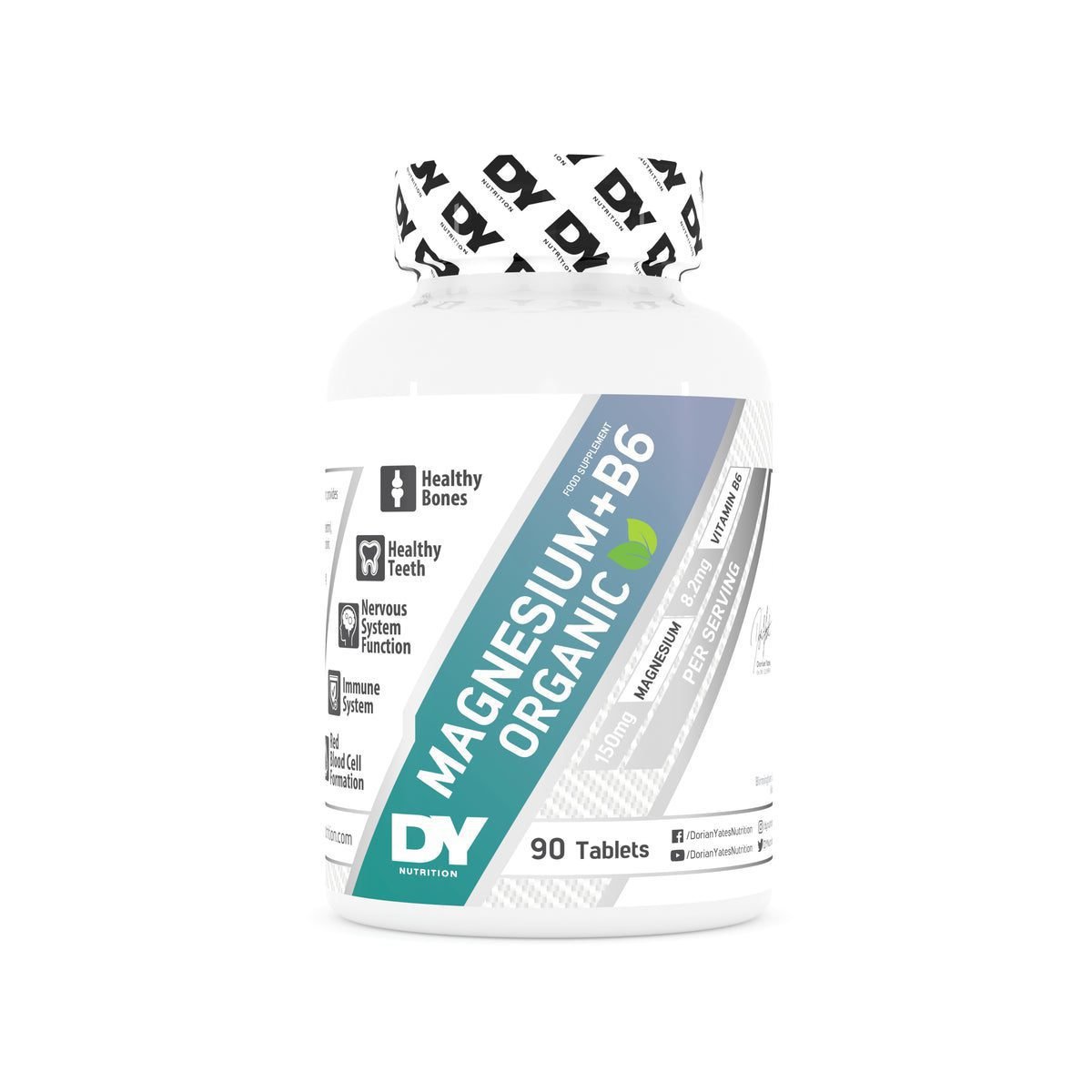
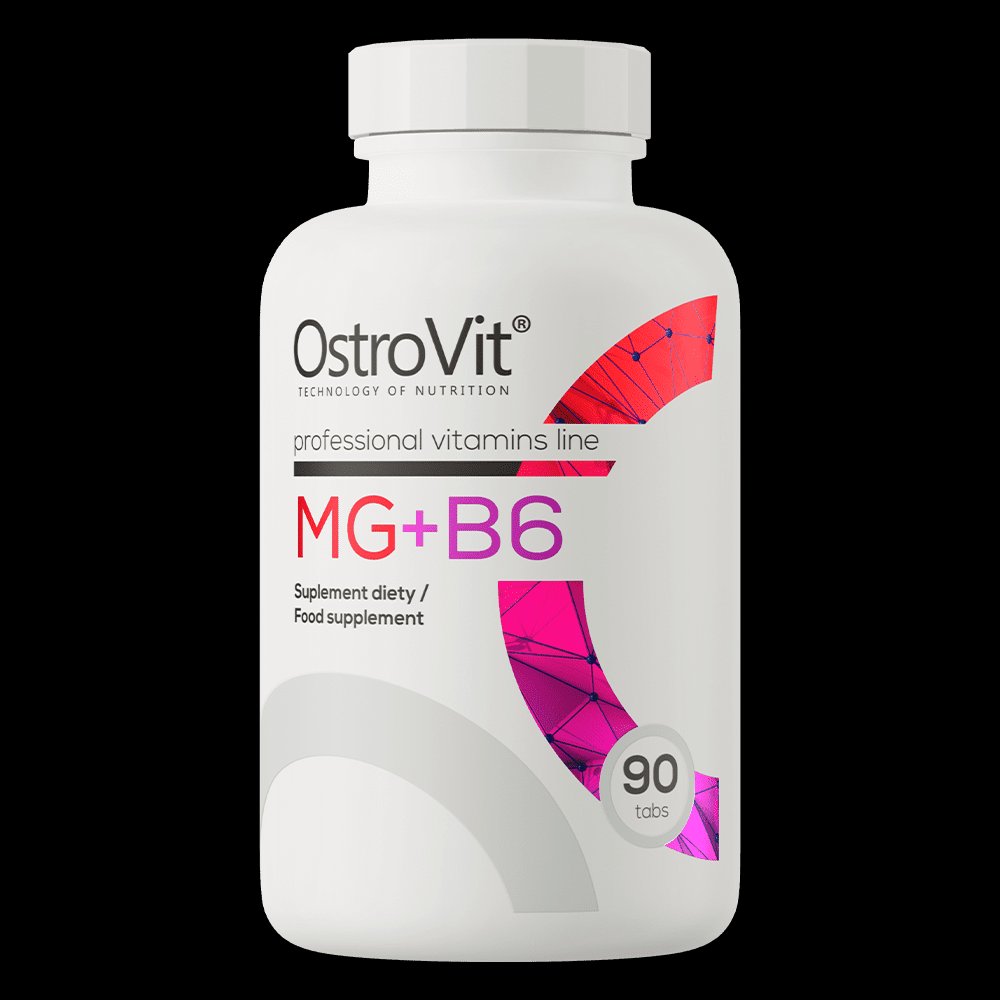
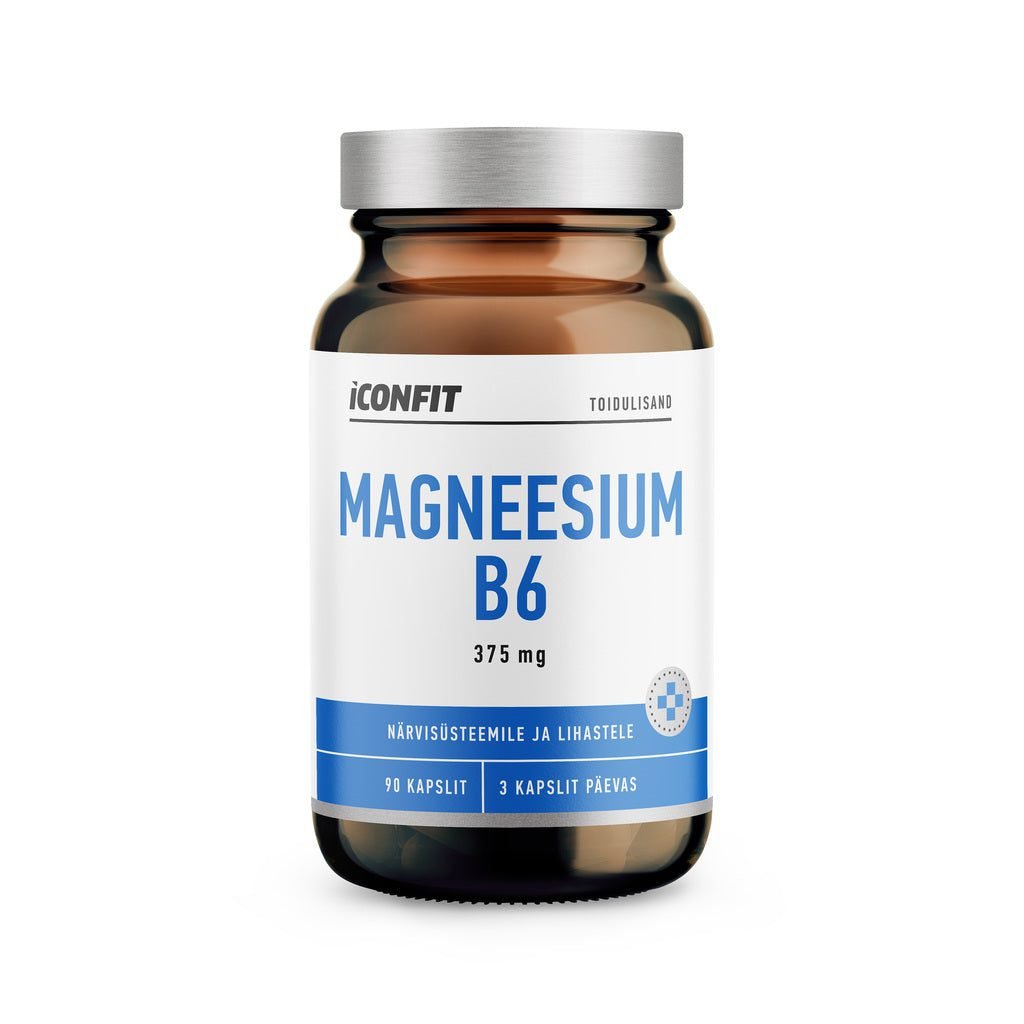
Magnesium combined with vitamin B6 is a popular pairing because B6 (especially the active P-5-P form) supports magnesium's role in the nervous system and may aid its retention. OstroVit Triple Magnesium + B6 P-5-P 90caps blends three magnesium sources with active B6, a sensible all-rounder for stress and recovery.
Sleep: what the evidence says
Magnesium's reputation as a sleep aid rests on plausible biology — it modulates GABA and the stress response — but the human trials are modest. A double-blind trial in older adults with insomnia found that 500 mg of magnesium daily improved sleep time, efficiency and morning cortisol versus placebo (Abbasi et al., 2012). Observational data link higher magnesium intake with better sleep quality and fewer symptoms of daytime sleepiness (Cao et al., 2018). The effect is real but moderate — magnesium supports sleep, it does not sedate like a sleeping pill.
Stress, anxiety and cramps
A systematic review found that magnesium supplementation produced small reductions in subjective anxiety and stress, particularly in people who were anxious or mildly deficient to begin with (Boyle et al., 2017). For exercise-associated muscle cramps the evidence is weaker than popular belief, but athletes with genuinely low intake — common during heavy training and heavy sweating — stand to benefit most from correcting a deficit (Nielsen & Lukaski, 2006).
Who is actually short on magnesium?
Many Estonians fall below recommended intake, and the risk rises with intense training (magnesium is lost in sweat and urine), high alcohol intake, certain medications and ageing. Food first — leafy greens, nuts, seeds, whole grains and dark chocolate are rich sources. Supplementation makes most sense to top up a shortfall, typically 200–400 mg of elemental magnesium daily. Browse the range under magnesium.
A simple decision guide
- For evening calm and sleep: glycinate, or a B6-paired blend taken at night.
- For daytime energy and recovery without laxative effect: malate.
- On a budget and tolerating it well: citrate.
- Avoid oxide-only products.
Start at the lower end, take it with food, and split the dose if you notice loose stools. Consistency over weeks matters more than any single brand.
FAQ
Which magnesium is best for sleep?
Shop this category — in stock now







Glycinate (bisglycinate) is the most common choice for evening use because it is gentle on digestion and glycine is mildly calming. A B6-paired blend taken at night is also reasonable (Abbasi et al., 2012).
Is magnesium oxide useless?
Not useless, but poorly absorbed compared with organic forms, and more likely to cause loose stools. If it is the only source listed, choose a better-absorbed form (Schuchardt & Hahn, 2017).
Can magnesium stop muscle cramps?
It helps most when you are genuinely low — common in heavy training. For people with adequate intake the cramp benefit is modest (Nielsen & Lukaski, 2006).
References
- Nielsen, F. H., & Lukaski, H. C. (2006). Update on the relationship between magnesium and exercise. Magnesium Research, 19(3), 180–189.
- Schuchardt, J. P., & Hahn, A. (2017). Intestinal absorption and factors influencing bioavailability of magnesium. Current Nutrition & Food Science, 13(4), 260–278.
- Abbasi, B., et al. (2012). The effect of magnesium supplementation on primary insomnia in elderly: A double-blind placebo-controlled clinical trial. Journal of Research in Medical Sciences, 17(12), 1161–1169.
- Cao, Y., et al. (2018). Magnesium intake and sleep disorder symptoms. Nutrients, 10(10), 1354.
- Boyle, N. B., et al. (2017). The effects of magnesium supplementation on subjective anxiety and stress—a systematic review. Nutrients, 9(5), 429.