Creatine for the Brain: New Research on Cognition and Mental Energy
For decades creatine was filed under "strength supplement" — a powder for lifters chasing extra reps. That framing is now outdated. A growing body of research shows the brain, like muscle, depends heavily on the creatine–phosphocreatine system for rapid energy, and that supplementation can measurably support cognition, especially when the brain is under stress (Roschel et al., 2021).
Why the brain cares about creatine
The brain is metabolically expensive, accounting for a significant portion of resting energy expenditure despite representing a relatively small proportion of body weight. Neurons buffer their energy demand using phosphocreatine, exactly as muscle fibres do. When mental demand spikes — sleep deprivation, intense concentration, ageing — local creatine stores can become a limiting factor (Roschel et al., 2021). Supplementation raises brain creatine content, though more slowly and modestly than in muscle (Kreider et al., 2017).
What the trials show
A landmark crossover trial found that 5 g/day of creatine for six weeks improved working memory and intelligence test performance in healthy young adults (Rae et al., 2003). A 2018 systematic review of randomised controlled trials concluded that creatine supplementation can improve short-term memory and reasoning, with the clearest benefits in people under metabolic stress such as sleep deprivation or the elderly (Avgerinos et al., 2018).
The sleep-deprivation angle is especially relevant for shift workers and parents of young children. Studies suggest creatine partly offsets the cognitive decline caused by acute sleep loss — effectively topping up the brain's depleted energy reserves when sleep cannot (Roschel et al., 2021).
Importantly, the effect is not a stimulant "buzz." Creatine does not work like caffeine. It builds a reservoir over days to weeks, so consistency matters far more than timing.
How much, and which form
The evidence overwhelmingly supports plain creatine monohydrate — the most studied, cheapest and best-absorbed form (Kreider et al., 2017). Exotic "buffered" or "liquid" forms have never outperformed it in head-to-head trials. Regular daily supplementation may contribute to gradual accumulation in muscle stores, with research exploring potential effects on brain tissue. There is no need to cycle off.
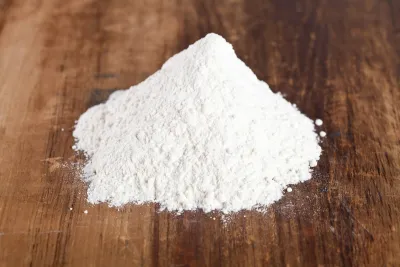
Creatine monohydrate supplements are available in various forms. Micronised creatine powders may offer easier mixing, while unflavoured options can be blended into beverages like coffee, smoothies, or protein shakes. Browse the full range in the creatine category.
Safety and who should be cautious
Creatine monohydrate has one of the strongest safety records of any sports supplement. The International Society of Sports Nutrition concluded that long-term supplementation up to 30 g/day for five years showed no harmful effects in healthy individuals (Kreider et al., 2017). The common belief that it damages kidneys is not supported in people with normal renal function. Those with pre-existing kidney disease should consult a doctor first, as should anyone who is pregnant or breastfeeding.
A brief note on water: creatine draws water into cells, so staying well hydrated is sensible — particularly important in Estonia's dry, heated indoor air during the long winter.
The bigger picture
Creatine is shifting from a niche gym product toward a general wellness supplement, with active research into mood, depression and age-related cognitive decline (Roschel et al., 2021). The current evidence does not justify hype-level claims, but it does support a modest, well-tolerated cognitive benefit — a rare combination of cheap, safe and backed by data. For Estonians training through dark winters and demanding workdays, a daily monohydrate dose is one of the most evidence-backed additions you can make.
FAQ
Does creatine work for non-athletes who just want a mental edge?
The data suggest the clearest cognitive benefits appear in people under stress — sleep-deprived, ageing, or vegetarian (who have lower baseline creatine intake). For a well-rested, omnivorous young adult the effect is smaller but still measurable in some trials (Avgerinos et al., 2018).
Do I need to load creatine to get brain benefits?
No. Loading (20 g/day for a week) saturates stores faster, but a steady 3–5 g/day reaches the same level within three to four weeks with less gastrointestinal discomfort (Kreider et al., 2017). For brain effects, consistency over weeks matters most.
Is monohydrate really better than the fancier forms?
For both muscle and brain, yes — monohydrate is the gold standard with the most research, best absorption and lowest cost. No premium form has reliably beaten it in controlled trials (Kreider et al., 2017).
References
- Avgerinos, K. I., Spyrou, N., Bougioukas, K. I., & Kapogiannis, D. (2018). Effects of creatine supplementation on cognitive function of healthy individuals: A systematic review of randomized controlled trials. Experimental Gerontology, 108, 166–173. https://pubmed.ncbi.nlm.nih.gov/29704637/
- Rae, C., Digney, A. L., McEwan, S. R., & Bates, T. C. (2003). Oral creatine monohydrate supplementation improves brain performance: a double-blind, placebo-controlled, cross-over trial. Proceedings of the Royal Society B, 270(1529), 2147–2150. https://pubmed.ncbi.nlm.nih.gov/14561278/
- Roschel, H., Gualano, B., Ostojic, S. M., & Rawson, E. S. (2021). Creatine Supplementation and Brain Health. Nutrients, 13(2), 586. https://pubmed.ncbi.nlm.nih.gov/33578876/
- Kreider, R. B., Kalman, D. S., Antonio, J., et al. (2017). International Society of Sports Nutrition position stand: safety and efficacy of creatine supplementation in exercise, sport, and medicine. Journal of the International Society of Sports Nutrition, 14, 18. https://pubmed.ncbi.nlm.nih.gov/28615996/