
What Is Omega 3 6 9?
Shop this category — in stock now
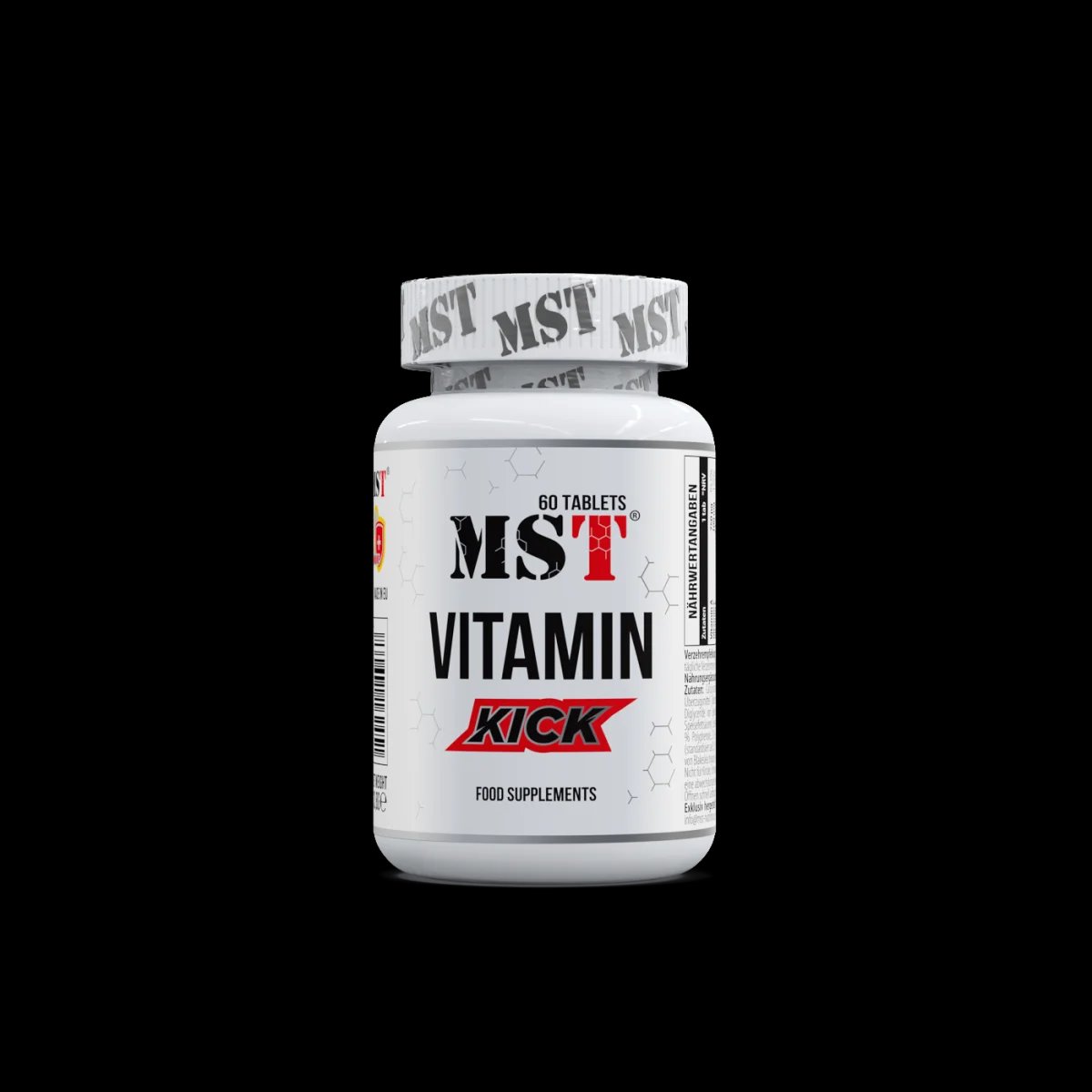
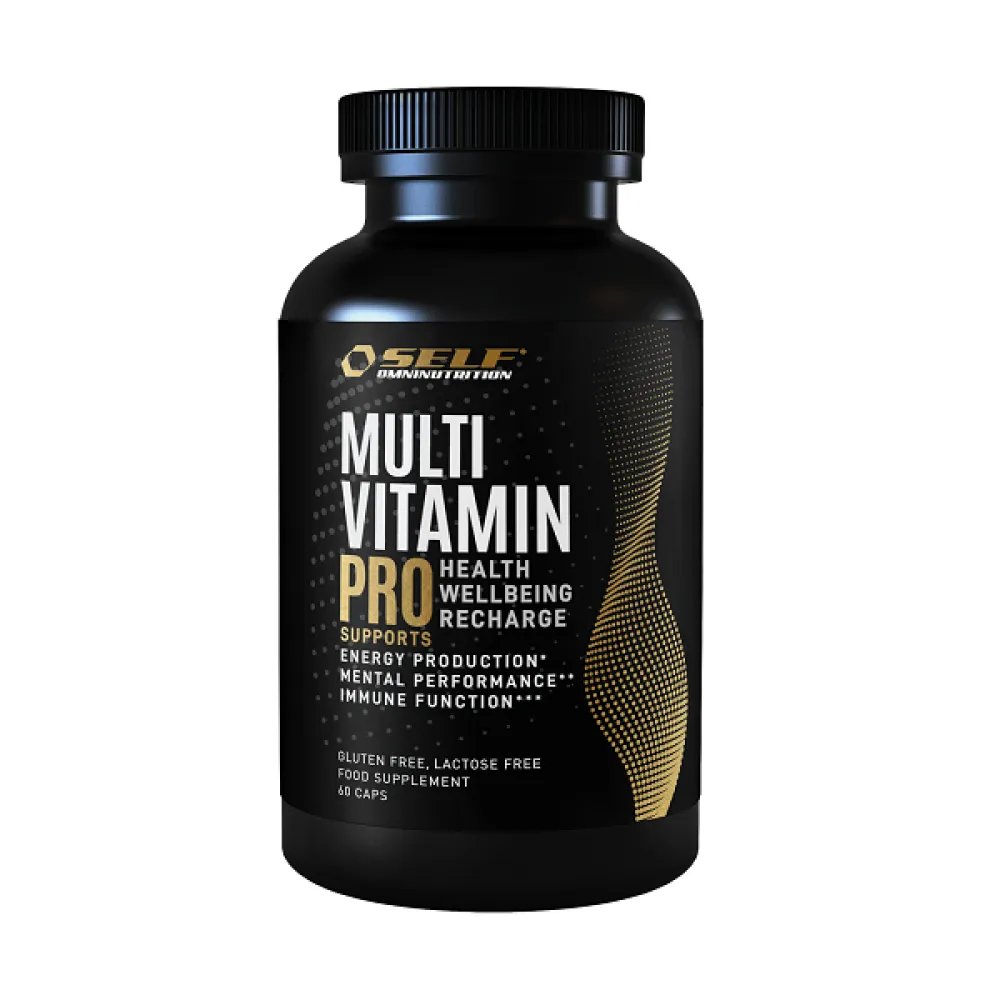
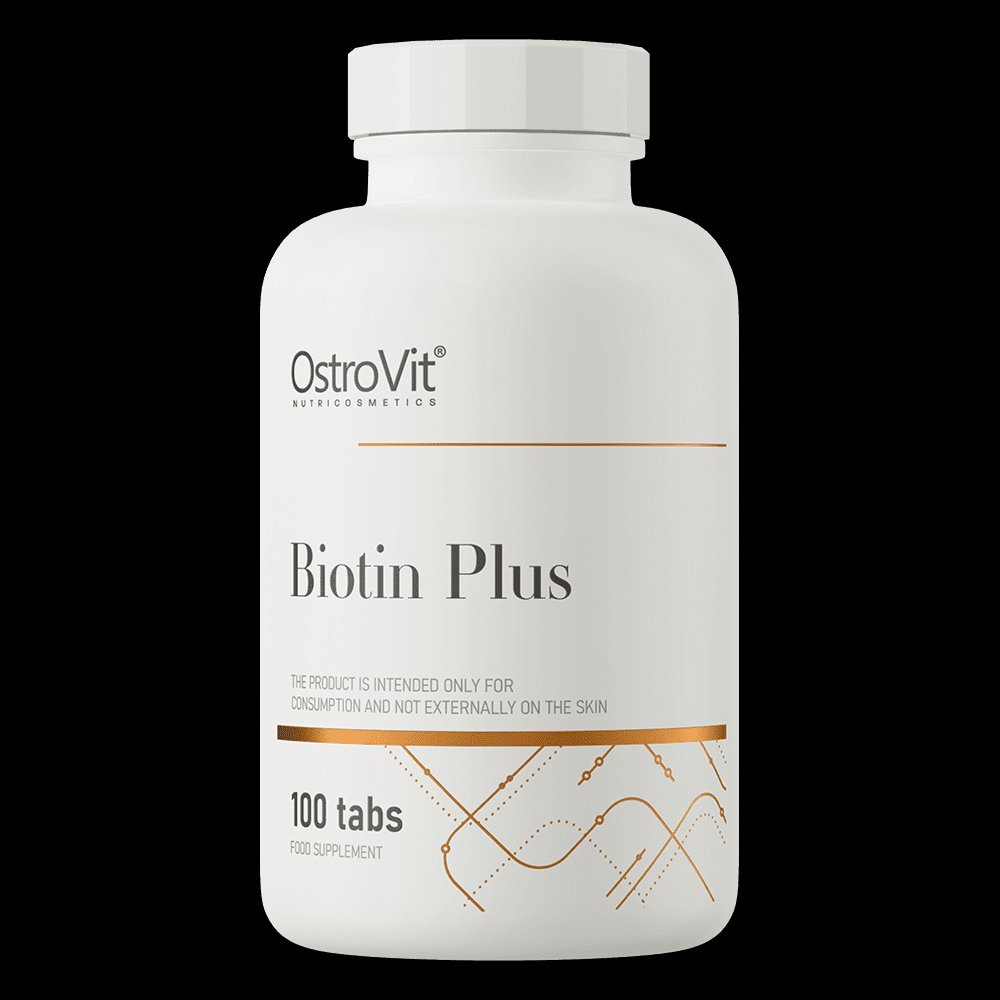


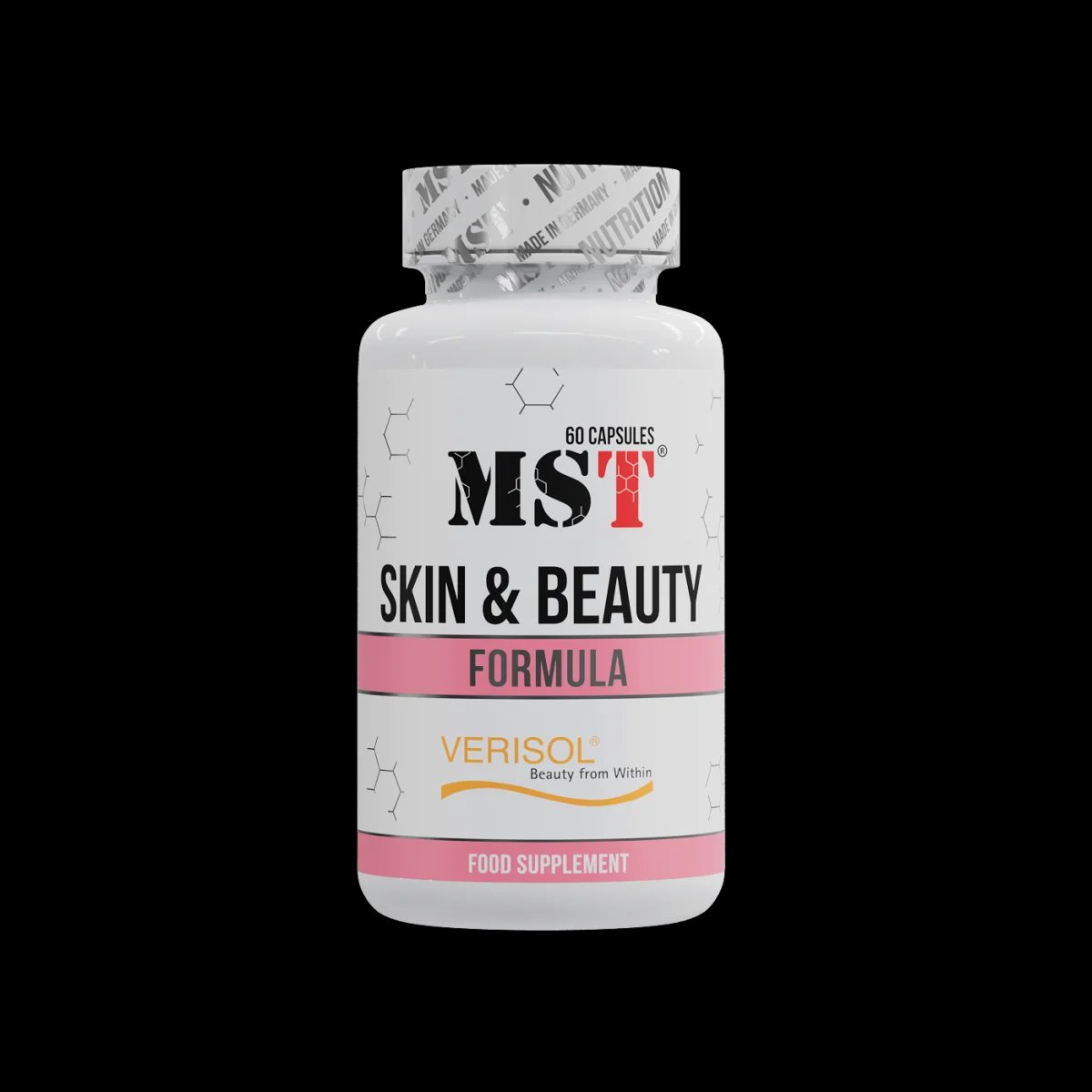
Myvitamins omega 3 6 9 and similar omega 369 products combine three types of fatty acids in one supplement: omega-3, omega-6, and omega-9. Understanding what each of these contributes and whether a combined product is right for your situation requires a basic grasp of essential fatty acid biology.
- Omega-3 fatty acids (primarily EPA and DHA from marine sources, or ALA from plants) are widely recognized for their anti-inflammatory signaling properties and roles in cardiovascular and brain health.
- Omega-6 fatty acids (primarily linoleic acid, found in vegetable oils, seeds, and nuts) are also essential fatty acids that the body cannot make on its own. They serve important roles in inflammation regulation, skin barrier function, and hormonal signaling.
- Omega-9 fatty acids (primarily oleic acid, found in olive oil and avocados) are non-essential, meaning the body can synthesize them. They are included in omega 369 products for their association with heart-healthy Mediterranean diet patterns.
The Omega-6 to Omega-3 Ratio: Why It Matters
The most scientifically significant aspect of the omega 3 6 9 story is the ratio between omega-6 and omega-3 in the diet. Research has documented that modern Western diets tend to deliver omega-6 and omega-3 in a highly imbalanced ratio, with omega-6 dominant. This shift occurred largely due to the increased use of refined vegetable oils (rich in omega-6 linoleic acid) and reduced intake of fatty fish (the primary source of omega-3 EPA and DHA).
Historically, human diets are thought to have contained omega-6 and omega-3 in a much more balanced ratio. The current imbalance in modern diets, where omega-6 intakes substantially exceed omega-3 intakes, is considered relevant to chronic inflammation and associated health outcomes (Simopoulos, 2008).
The practical implication is that most people do not need to supplement omega-6, since it is abundant in most modern diets. The nutrient most commonly deficient is omega-3 (EPA and DHA), and omega-9 is non-essential. This leads to a key question about omega 369 products.
Is an Omega 3 6 9 Combination Supplement Necessary?
For most people in Northern and Western Europe, omega-6 intake from food is already sufficient or even excessive relative to omega-3. In this context, an omega 369 supplement that adds omega-6 alongside omega-3 does not address the imbalance and may not be more beneficial than a pure omega-3 supplement.
However, omega 369 products can be useful for:
- People on very low-fat diets who may have insufficient intake of all fatty acid types.
- Those on plant-based diets who want to cover omega fatty acid bases from one product.
- Anyone who prefers an all-in-one fatty acid product and whose omega-6 intake from food is genuinely low (rare in Europe).
For cardiovascular and brain health research specifically, the evidence base is strongest for EPA and DHA from omega-3. This is why standalone omega-3 supplements are often recommended over omega 369 blends when the primary goal is EPA+DHA support.
What Each Fatty Acid Brings
| Fatty acid | Type | Essential? | Primary dietary source | Main role |
|---|---|---|---|---|
| EPA | Omega-3 | Yes | Fatty fish, algae | Anti-inflammatory, cardiovascular |
| DHA | Omega-3 | Yes | Fatty fish, algae | Brain, eye structure |
| ALA | Omega-3 | Yes | Flaxseed, chia, walnuts | Precursor (poor conversion) |
| Linoleic acid | Omega-6 | Yes | Vegetable oils, seeds | Inflammation, skin, hormones |
| Oleic acid | Omega-9 | No | Olive oil, avocado | Monounsaturated heart-health fat |
Omega 3 C Vitamin and Omega 3 D Vitamin Combinations
Some omega-3 products pair omega-3 with vitamin C or vitamin D, targeting different aspects of wellness. Omega 3 D vitamin products combine fish oil with vitamin D3, making sense in Northern Europe where both omega-3 and vitamin D are frequently suboptimal. Omega 3 C vitamin products combine omega-3 with antioxidant vitamin C, which some research suggests may help protect the omega-3 oil from oxidation.
Product Options at maxfit.ee
ICONFIT Softgel Omega 3-6-9 N90 is a dedicated omega 3-6-9 combination product available at maxfit.ee for those specifically seeking the combined fatty acid profile. For those who want focused EPA+DHA supplementation, OstroVit Omega 3 Ultra 90caps provides a concentrated omega-3 option. MST Omega 3 Selected 60 softgels is another quality-focused marine omega-3 choice.
For a broader view of available omega-3 options, see the omega-3 category at maxfit.ee. For combination omega 3-6-9 products, the oomega-3-6-9 category lists dedicated products.
Dosage Considerations for Omega 369 Supplements
When evaluating an omega 369 product, focus on the EPA+DHA content per serving. Scientific literature widely references combined EPA+DHA intakes of 250 to 500 mg per day for general adult health (Calder, 2012). The omega-6 and omega-9 content in omega 369 supplements is usually from oils like flaxseed, evening primrose, or olive oil, and these amounts are small relative to typical dietary intake of these fatty acids.
Nordic Diet and Omega Fatty Acid Context
The Nordic diet, with its traditional emphasis on fatty fish, provides excellent omega-3 EPA+DHA. It is also relatively rich in omega-9 from rapeseed oil (canola), which is widely used in Northern Europe and provides oleic acid. Omega-6 intake in Estonia and the Nordic countries is generally adequate from food sources. This means that for most people in the region, the primary supplementation need is omega-3 EPA+DHA, not a full omega 369 blend.
Quality Indicators for Omega 369 Products
All the same quality markers that apply to omega-3 apply to omega 369 blends:
- EPA+DHA content per serving: This is the clinically meaningful component. Check the label carefully.
- Freshness (TOTOX): Combined oil products should have low oxidation values for all component oils.
- Source transparency: Know where the omega-3 component comes from (fish, algae, or krill) and whether the omega-6 and omega-9 components are from unrefined oils.
- Third-party testing: IFOS certification covers the omega-3 oil component.
FAQ
Is myvitamins omega 369 better than plain omega-3?
For most adults with typical Western European diets, a plain omega-3 supplement (providing EPA+DHA) addresses the main supplementation need. Omega-6 is usually abundant in food, and omega-9 is non-essential. If you specifically want a combined fatty acid product for philosophical or convenience reasons, omega 369 products are fine, but they do not offer additional EPA+DHA over a product of equivalent omega-3 content.
What is omega 3 vitamina in supplement terms?
Omega 3 vitamina typically refers to omega-3 combined with one or more vitamins, which is a common product category. Common combinations include omega-3 with vitamin D, omega-3 with vitamins A, D, E and K (ADEK), or omega-3 with vitamin E (which acts as an antioxidant to stabilize the oil). The value of these combinations depends on whether you are deficient in the added vitamin.
Should I take omega 3 6 9 if I eat olive oil and seeds regularly?
If you regularly consume olive oil (rich in omega-9 oleic acid) and seeds or vegetable oils (rich in omega-6 linoleic acid), the omega-9 and omega-6 components of an omega 369 supplement add little value. Your supplementation need is most likely only for EPA+DHA from omega-3. A dedicated omega-3 fish oil or algae oil product would serve you better.
References
Simopoulos AP. (2008). The importance of the omega-6/omega-3 fatty acid ratio in cardiovascular disease and other chronic diseases. Experimental Biology and Medicine, 233(6), 674-688. https://pubmed.ncbi.nlm.nih.gov/18408140/
Calder PC. (2012). Mechanisms of action of (n-3) fatty acids. Journal of Nutrition, 142(3), 592S-599S. https://pubmed.ncbi.nlm.nih.gov/22279140/
Swanson D, Block R, Mousa SA. (2012). Omega-3 fatty acids EPA and DHA: health benefits throughout life. Advances in Nutrition, 3(1), 1-7. https://pubmed.ncbi.nlm.nih.gov/22332096/