What Are Bee Pollen and Royal Jelly?
Bee products have accompanied humankind for millennia — Ancient Greek Olympic athletes used bee pollen as an energy source and Roman emperors prized royal jelly as a rejuvenating elixir. Today, science increasingly recognises their unique properties.
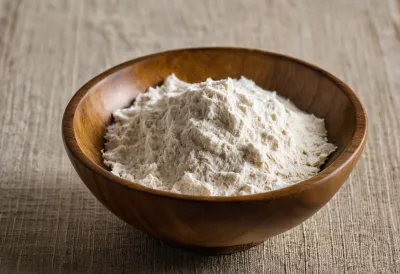
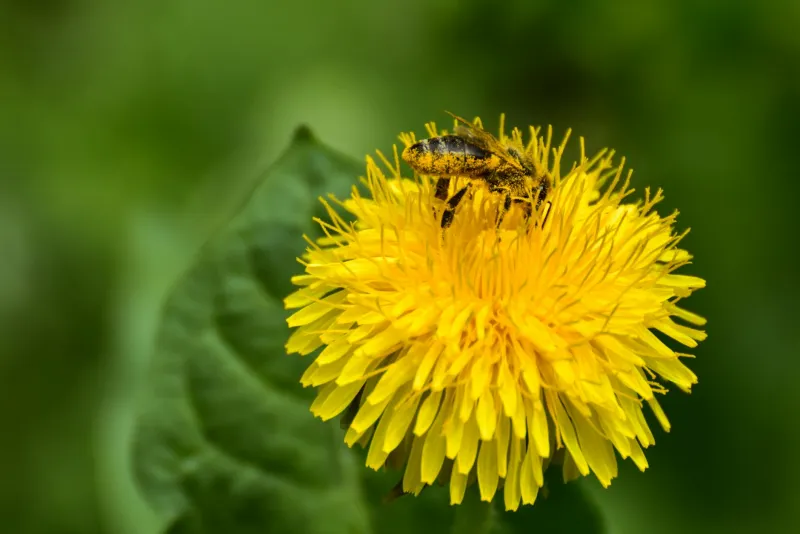
Bee pollen consists of granules formed by bees from flower pollen, nectar, and bee secretions. These small granules contain over 250 biologically active compounds — vitamins, minerals, amino acids, enzymes, and antioxidants. Bee pollen is considered one of nature's most complete foods.
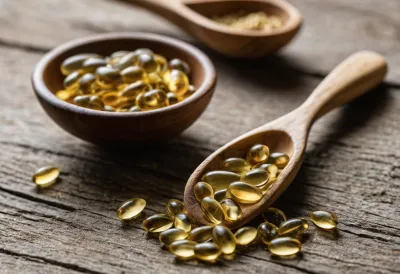
Royal jelly is a white, creamy substance produced by the glands of worker bees, used to feed the queen bee throughout her entire life. It is royal jelly that transforms an ordinary larva into a queen bee — one of the most astonishing transformations in the living world. The queen bee lives up to 40 times longer than a worker bee, thanks specifically to royal jelly.
What Nutrients Does Bee Pollen Contain?
Bee pollen is one of nature's most versatile nutrient sources:
Macronutrients (per 100g):
- Protein: 20-35g (contains all essential amino acids)
- Carbohydrates: 40-55g
- Fats: 5-10g (including omega-3 and -6)
- Fibre: 5-15g
- Calories: ~300 kcal
Vitamins:
- B-group vitamins (B1, B2, B3, B5, B6, B9, B12)
- Vitamin C
- Vitamin E
- Provitamin A (beta-carotene)
Minerals:
- Iron, zinc, selenium, magnesium
- Calcium, potassium, phosphorus
- Manganese, copper
Bioactive compounds:
- Flavonoids (quercetin, kaempferol, rutin)
- Phenolic acids
- Enzymes
- Phytosterols
Does Bee Pollen Strengthen the Immune System?
Yes, and the scientific basis here is solid. Bee pollen affects the immune system on multiple levels:
Antimicrobial Effect
A 2020 study in Nutrients showed that bee pollen extracts had a strong antimicrobial effect against several bacterial strains, including Staphylococcus aureus and Escherichia coli. This effect is linked to the flavonoids and phenolic acids contained in bee pollen.
Immunomodulatory Effect
Bee pollen does not simply "strengthen" the immune system — it helps regulate it. This means it can both strengthen a weakened immune system and calm an overactive immune response. This property makes bee pollen useful for allergies and autoimmune conditions as well.
Gut Microbiome Support
Since 70% of the immune system resides in the gut, it is significant that the prebiotic properties of bee pollen support the growth of beneficial bacteria. This in turn strengthens the entire immune system. Combine with probiotics for the best effect.
What Does Science Say About Royal Jelly?
Royal jelly contains unique substances not found in any other natural source:
10-HDA (10-hydroxy-2-decenoic acid)
This fatty acid is unique to royal jelly and is responsible for many of its health benefits. 10-HDA has a strong anti-inflammatory, antimicrobial, and anti-tumour effect.
Royalactin
This protein is responsible for queen bee development and has wide-ranging effects on cell growth and differentiation.
Scientific evidence:
Cognitive function: A 2020 study found that royal jelly improved memory function and reduced brain inflammation in animal models. Human studies have also shown improvements in cognitive function among the elderly.
Skin health: Royal jelly stimulates collagen production and protects the skin from UV damage. This is why royal jelly is a popular ingredient in premium skincare.
Hormonal balance: Several studies have shown that royal jelly helps regulate hormonal balance, especially in women during menopause.
How to Use Bee Pollen as an Athlete?
Bee pollen offers athletes several specific advantages:
Energy and Endurance
The high carbohydrate and B-vitamin content of bee pollen supports energy production. Many endurance athletes use bee pollen as a natural energy source before and after training.
Recovery
The anti-inflammatory flavonoids and antioxidants in bee pollen help reduce post-workout inflammation and muscle soreness. This means faster recovery and the ability to train more frequently.
Amino Acids
The presence of all essential amino acids makes bee pollen a valuable protein supplement. While the amount is too small to replace a traditional protein supplement, it nicely complements other protein sources.
Recommended dosing for athletes:
- Bee pollen granules: 15-30g daily
- Start with 5g daily and increase gradually
- Best time: morning and/or before training
- Capsules: 3-6 capsules daily
How to Dose Royal Jelly?
Recommended dosing:
- Fresh royal jelly: 300-500mg daily
- Lyophilised (freeze-dried): 150-300mg daily
- Standardised extract: per manufacturer's instructions
Usage methods:
- Fresh under the tongue: Best absorption, hold under the tongue for 1-2 minutes
- Mixed with honey: Royal jelly with honey (typically 2-3% concentration)
- As capsules: Convenient and precise dosing
- As cream for skin: External use for skin health
Storage:
- Fresh royal jelly: in the refrigerator (2-5°C), keeps up to 6 months
- Lyophilised: at room temperature, in a dry place
- Avoid heat and direct sunlight
Are Bee Pollen and Royal Jelly Safe?
Both are generally safe, but there are important precautions:
Allergy risk:
- This is the most serious risk — bee product allergy can be life-threatening
- Always start with a very small dose (2-3 granules)
- Watch for reactions: itching, swelling, difficulty breathing
- With bee allergy, bee pollen and royal jelly are PROHIBITED
- With pollen allergy, start cautiously under medical supervision
Pregnancy and breastfeeding:
- Limited data on safety
- Consult your doctor before use
Drug interactions:
- Anticoagulants — increased bleeding risk
- Diabetes medications — blood sugar lowering effect
How to Choose Quality Bee Pollen?
What to look for:
- Origin: Europe, New Zealand, or Australia — stricter quality standards
- Multifloral — different pollen from various flower species
- Low-temperature dried — preserves enzymes and vitamins
- Third-party testing — pesticides and heavy metals
- Colour variety — quality pollen is multicoloured
Quality royal jelly indicators:
- Fresh: white to cream colour, acidic taste
- 10-HDA content at least 1.8% (standardised product)
- Guaranteed cold-chain transport and storage
Interactions with Other Supplements
Good combination:
- Vitamin C — strengthens antioxidant protection
- Propolis — additional antimicrobial effect
- Probiotics — synergistic gut health support
- Magnesium — energy and recovery support
Caution when combining:
- Immunosuppressants — bee products stimulate the immune system
- In large doses with other anticoagulants
Summary
Bee pollen and royal jelly are nature's most unique superfoods, offering an extraordinary concentration of nutrients and biological activity. They are especially valuable for strengthening the immune system, boosting energy, and supporting overall health.
Key takeaways:
- Bee pollen contains over 250 bioactive compounds
- Royal jelly contains unique 10-HDA
- Allergy risk is serious — always start with a minimal dose
- For athletes: energy, recovery, and immune support
- Choose quality products with verified origin
- Store properly — temperature is critical
References
- Komosinska-Vassev, K., Olczyk, P., Kazmierczak, J., Mencner, L. & Olczyk, K. (2015). Bee pollen: chemical composition and therapeutic application. Evidence-Based Complementary and Alternative Medicine, 2015, 297425.
- Pasupuleti, V.R., Sammugam, L., Ramesh, N. & Gan, S.H. (2017). Honey, propolis, and royal jelly: a comprehensive review of their biological actions and health benefits. Oxidative Medicine and Cellular Longevity, 2017, 1259510.
- Ahmad, S., Campos, M.G., Fratini, F., Altaye, S.Z. & Li, J. (2020). New insights into the biological and pharmaceutical properties of royal jelly. International Journal of Molecular Sciences, 21(2), 382.
See also: