
What Is DHA Nordic Natural?
DHA Nordic Natural is a term associated with Nordic Naturals, a supplement brand that has built a strong reputation around omega-3 products sourced from cold-water Nordic fish. More broadly, the phrase captures a key concept in omega-3 nutrition: the relationship between northern, cold-water marine environments and high-quality DHA supply. Whether you are considering the Nordic Naturals brand specifically or exploring what omega nordic and dha nordic supplements offer more generally, this guide covers the essential science and practical choices.
DHA (docosahexaenoic acid) is a long-chain omega-3 fatty acid that serves as a primary structural component of the brain and retina. It is concentrated in neural tissue and is essential across the lifespan, with particularly well-documented roles in fetal brain development and in supporting cognitive and visual function in adults (Innis, 2007).
Why Nordic Fish Are Excellent DHA Sources
Cold-water fish from Nordic and Arctic environments tend to be richer in EPA and DHA than fish from warmer waters. This is partly a physiological adaptation: marine organisms in cold environments produce more polyunsaturated fatty acids to maintain membrane fluidity at low temperatures. The fish most associated with omega nordic nutrition include:
- Herring (räim): A staple of Baltic and Nordic cuisine, herring is an excellent and affordable source of EPA and DHA.
- Mackerel: Among the richest natural sources of EPA+DHA per serving.
- Salmon: Widely consumed across Northern Europe; farmed and wild varieties both provide meaningful omega-3.
- Cod: Leaner than herring or mackerel, but cod liver is traditionally used for omega-3.
- Anchovies and sardines: Small, short-lived species that accumulate less mercury and provide concentrated omega-3.
Fish oil supplements derived from these cold-water species therefore reflect the same nutritional advantage that traditional Nordic diets have always provided. Research confirms that populations with higher omega-3 intake show favorable cardiovascular markers compared to those with lower intake (Mozaffarian & Wu, 2011).
EPA vs DHA in Nordic Omega-3 Supplements
Shop this category — in stock now
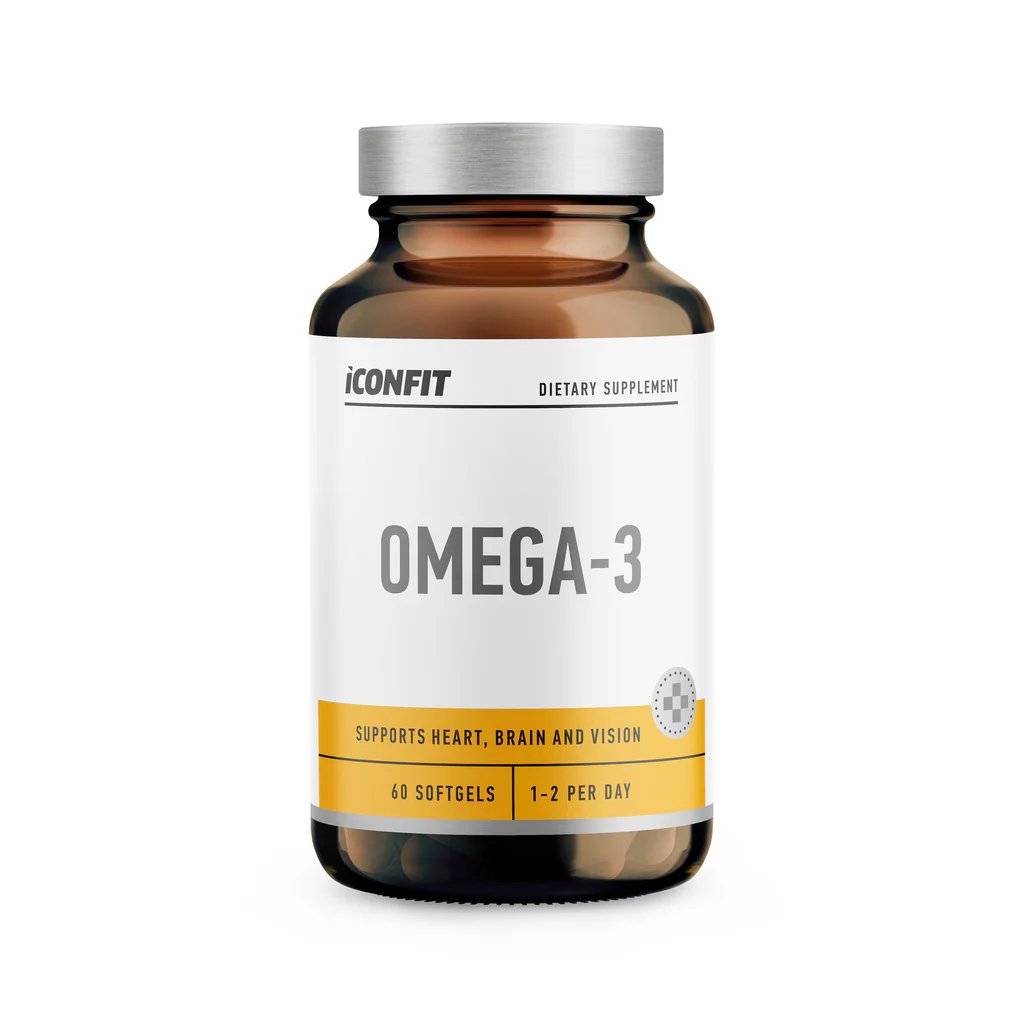
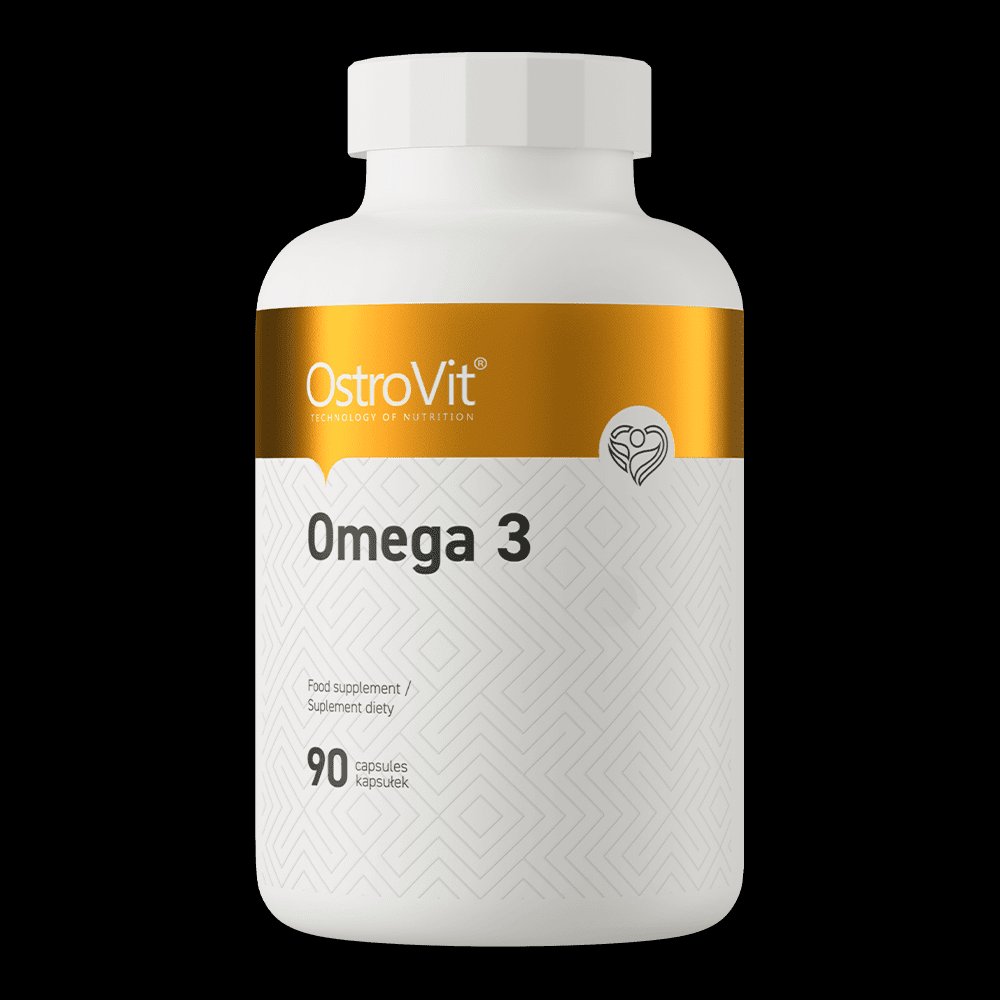
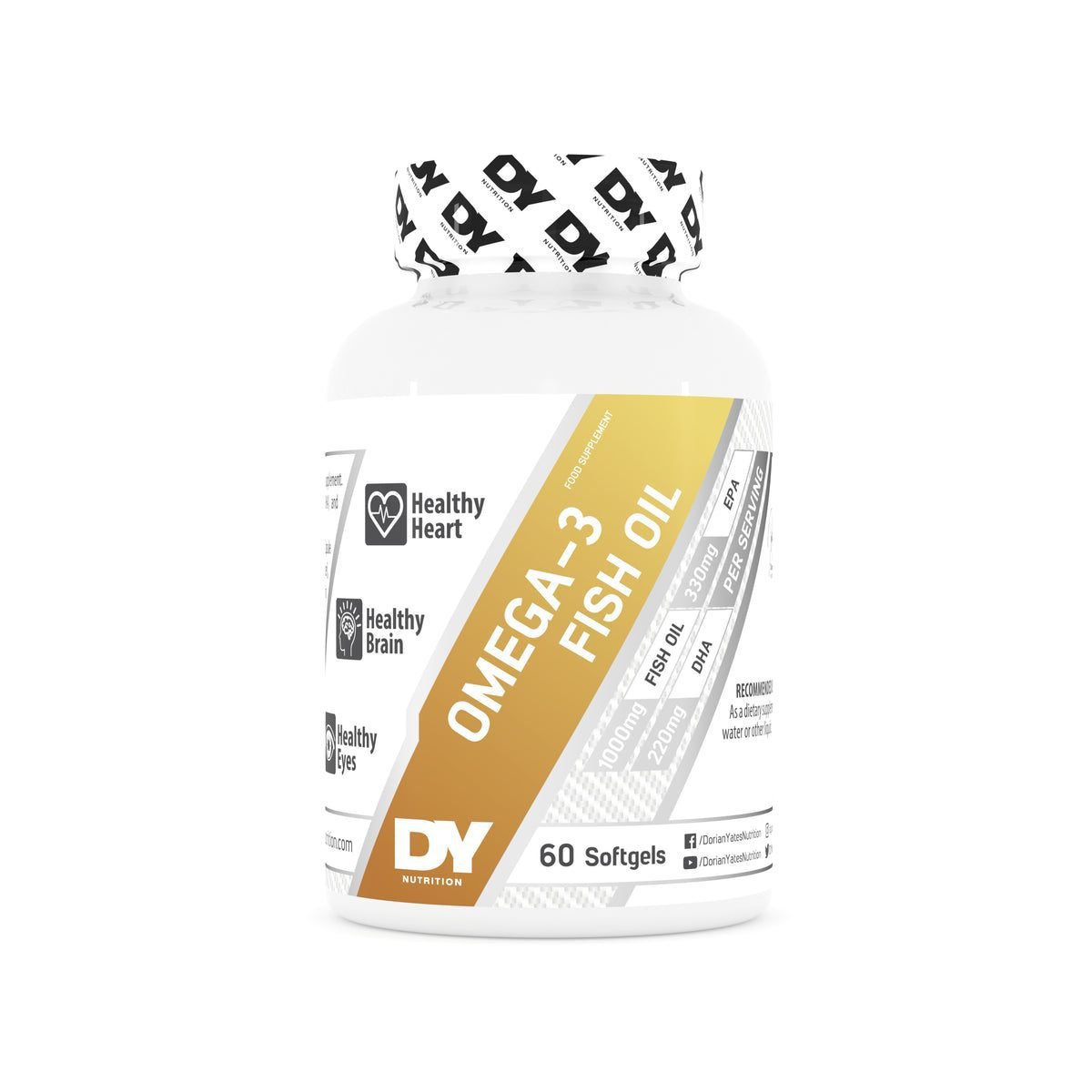

Nordic-sourced omega-3 supplements, like most fish oil products, typically provide both EPA and DHA. EPA (eicosapentaenoic acid) is the anti-inflammatory omega-3 best documented for cardiovascular and mood-related research. DHA is the structural omega-3 most relevant to brain and eye function. Together they cover the principal reasons most people supplement with omega-3.
| Fatty acid | Primary function | Main benefit area |
|---|---|---|
| EPA | Signaling, anti-inflammatory | Cardiovascular health, mood |
| DHA | Structural, neural tissue | Brain, eye, fetal development |
| Combined EPA+DHA | Broad spectrum | Overall omega-3 health |
For those specifically searching for omega DHA products, high-DHA formulas put more weight on DHA per capsule compared to standard fish oil. This is relevant for pregnancy, infant nutrition, and cognitive support applications.
Quality Markers in Nordic-Sourced Omega-3
The Nordic Naturals brand has made purity and freshness central to its identity, and these principles apply to any quality omega nordic supplement:
- TOTOX value: Total oxidation index. Lower is fresher. Rancid oil loses efficacy and may cause side effects.
- Molecular form: Triglyceride (TG) form is naturally occurring in fish. Re-esterified triglycerides retain this structure. Ethyl ester (EE) concentrates are also common and effective but slightly different in absorption profile.
- Heavy metal testing: Cold-water pelagic fish used for omega-3 supplements generally have low mercury levels, but independent verification is important.
- Third-party certification: IFOS (International Fish Oil Standards) or Friend of the Sea certify purity and sustainability.
- MSC certification: Marine Stewardship Council accreditation indicates sustainable fishing practices.
Omega-3 Products on the Estonian Market
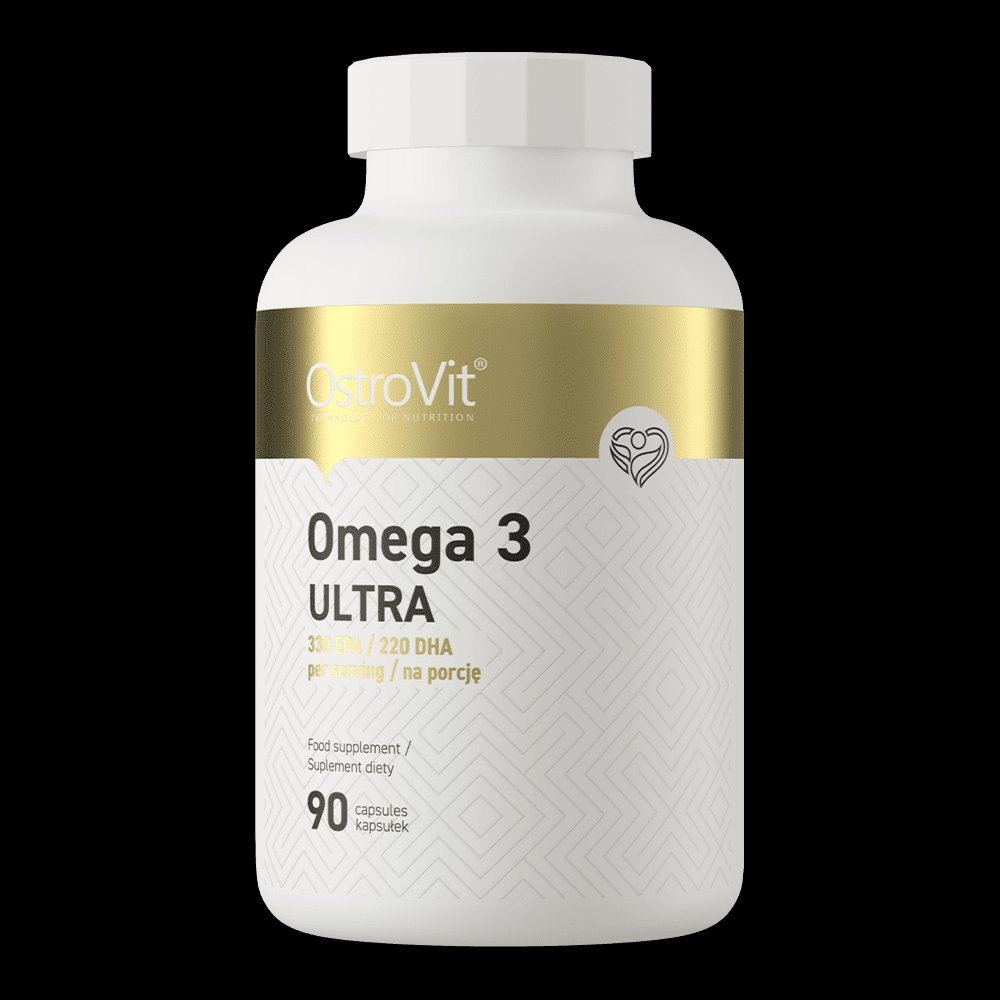
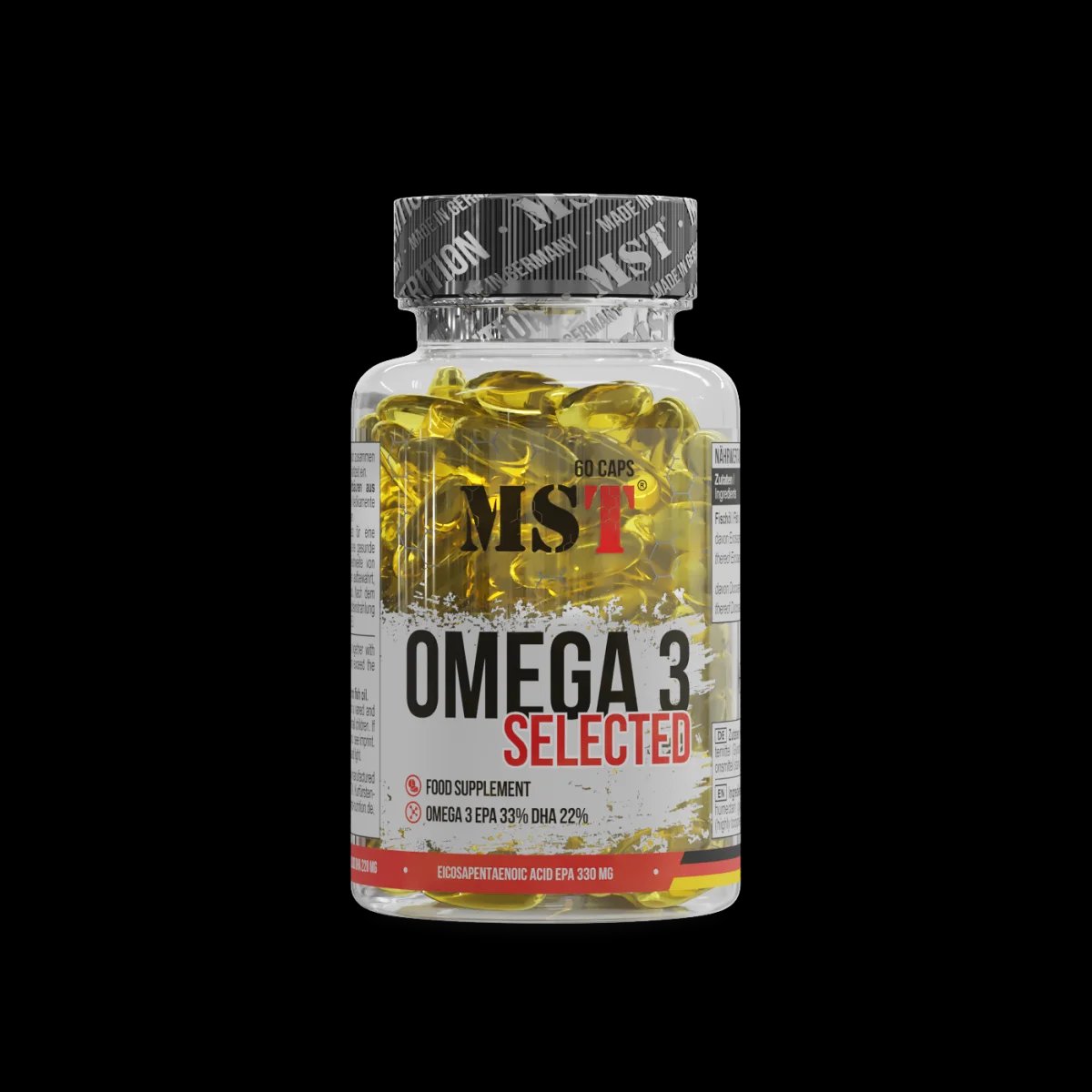
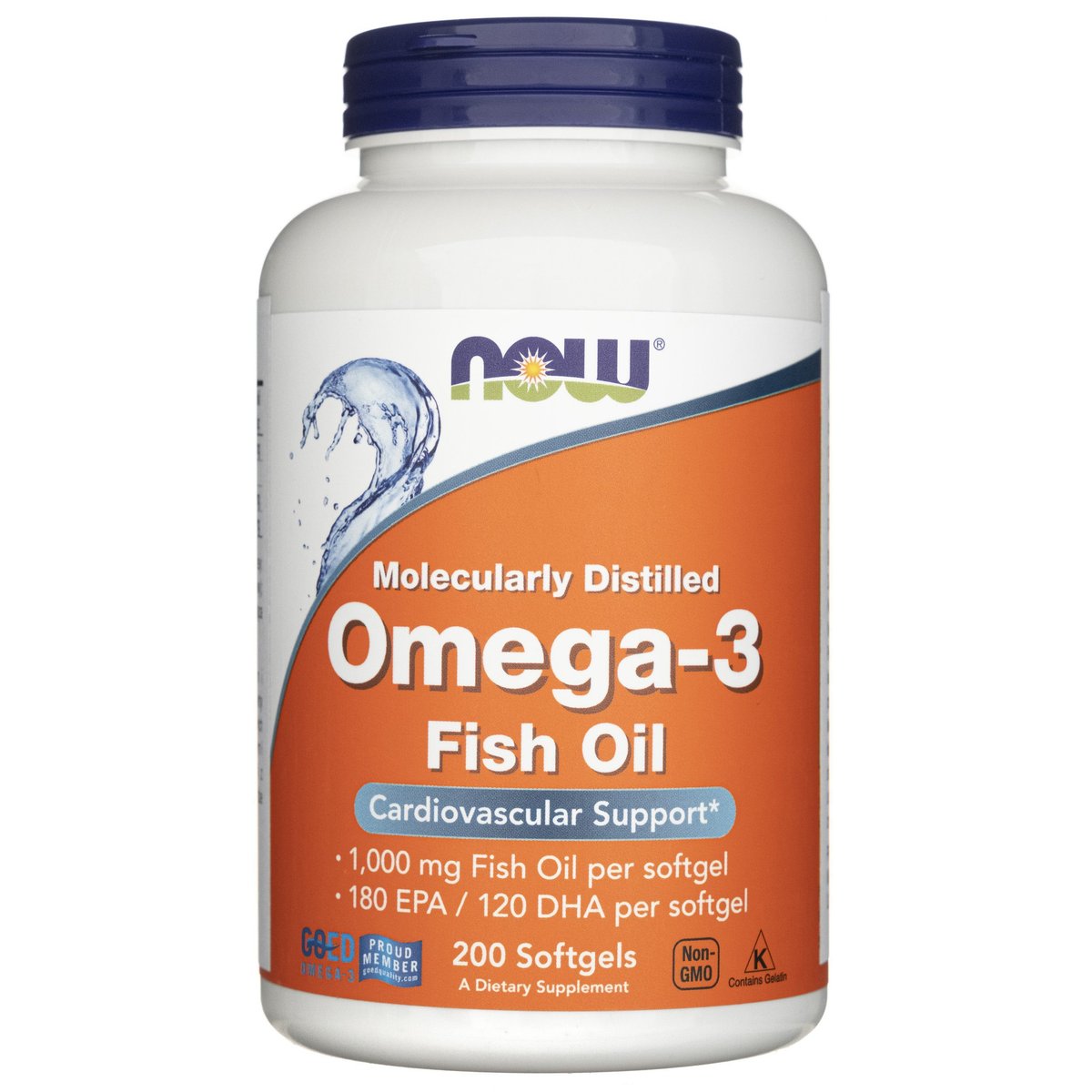
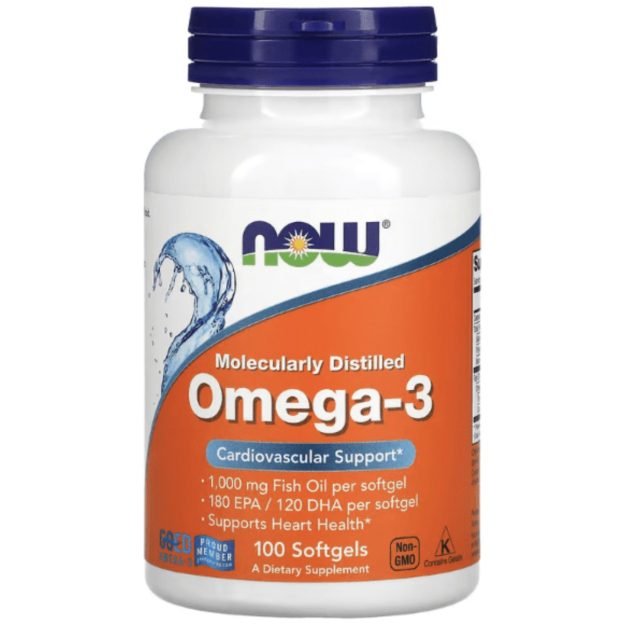
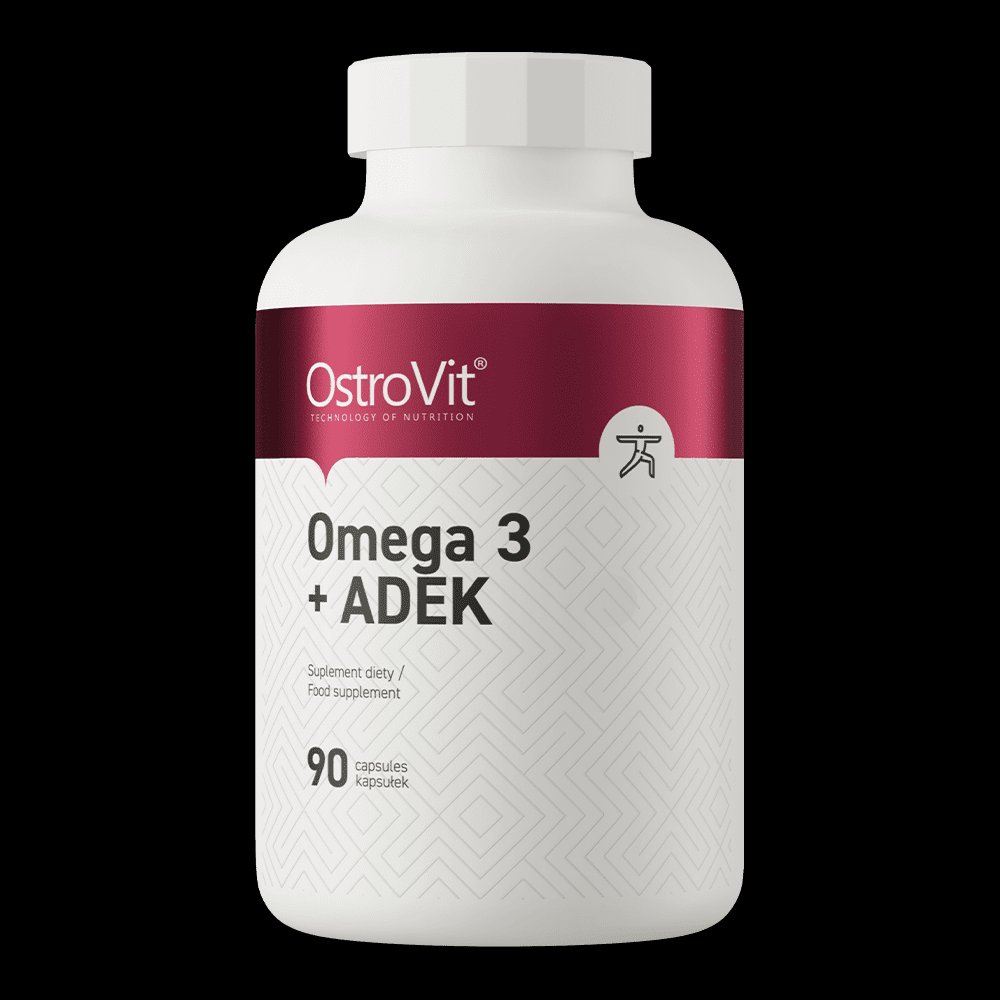
MST Omega 3 Selected 60 softgels is a quality-focused omega-3 supplement available at maxfit.ee, with careful attention to source and concentration. OstroVit Omega 3 Ultra 90caps offers a concentrated format suitable for those wanting higher EPA+DHA per serving. DY OMEGA-3 Softgel is another option from a recognized sports nutrition brand. NOW Omega 3 1000mg 200 Softgels rounds out the range with a well-tested international brand option.
For those interested in the broader omega-3 category, the omega-3 supplement range at maxfit.ee offers multiple concentrations and formats.
Dosage and Nordic Diet Context
Scientific literature widely references combined EPA+DHA intakes of 250 to 500 mg per day for general adult health maintenance (Calder, 2012). In the Nordic and Baltic context, fatty fish consumption two or more times per week can provide this naturally. In practice, however, many people in Estonia and neighboring countries have reduced their fish intake compared to traditional patterns, making supplementation a practical complement to modern diets.
For specific applications such as pregnancy, sports recovery, or cardiovascular management, intake recommendations differ and should be discussed with a healthcare professional.
Fish Oil vs Algae for DHA Nordic Needs
For those who follow a plant-based diet or want to avoid fish entirely, algae-based omega DHA is the appropriate alternative. Algae are the primary producers of DHA in the marine food chain; Nordic fish are rich in DHA precisely because they feed on DHA-rich algae and smaller organisms. Research confirms that algae-derived DHA raises blood DHA concentrations similarly to fish oil (Swanson et al., 2012), so switching from fish oil to algae does not compromise DHA delivery.
FAQ
Is Nordic Naturals DHA better than other fish oil brands?
Nordic Naturals has built a reputation for transparency, high IFOS scores, and consistent quality. However, many other brands also produce excellent omega-3 products. What matters most is the verified EPA+DHA content per serving, the TOTOX freshness index, and whether the product has independent third-party certification. A well-made product from any reputable brand can match the quality standards that Nordic Naturals is known for.
What is omega dha and how does it differ from standard omega-3?
Omega DHA refers specifically to the DHA component of omega-3 fatty acids, as distinct from EPA. Some products are formulated to provide higher DHA relative to EPA, which makes them more suitable for brain development, cognitive applications, or pregnancy. Standard fish oil provides both EPA and DHA in roughly a 3:2 ratio (EPA to DHA), while DHA-concentrated products flip this ratio.
How do I know if a nan dha or omega nordic product is high quality?
Look for clearly stated EPA and DHA milligrams per capsule on the label (not just total omega-3 or fish oil weight), a TOTOX value below 26 (the IFOS benchmark for good quality), third-party certification such as IFOS or NSF, and sustainable sourcing credentials such as MSC or Friend of the Sea.
References
Mozaffarian D, Wu JH. (2011). Omega-3 fatty acids and cardiovascular disease: effects on risk factors, molecular pathways, and clinical events. Journal of the American College of Cardiology, 58(20), 2047-2067. https://pubmed.ncbi.nlm.nih.gov/22051327/
Calder PC. (2012). Mechanisms of action of (n-3) fatty acids. Journal of Nutrition, 142(3), 592S-599S. https://pubmed.ncbi.nlm.nih.gov/22279140/
Innis SM. (2007). Dietary (n-3) fatty acids and brain development. Journal of Nutrition, 137(4), 855-859. https://pubmed.ncbi.nlm.nih.gov/17374644/
Swanson D, Block R, Mousa SA. (2012). Omega-3 fatty acids EPA and DHA: health benefits throughout life. Advances in Nutrition, 3(1), 1-7. https://pubmed.ncbi.nlm.nih.gov/22332096/