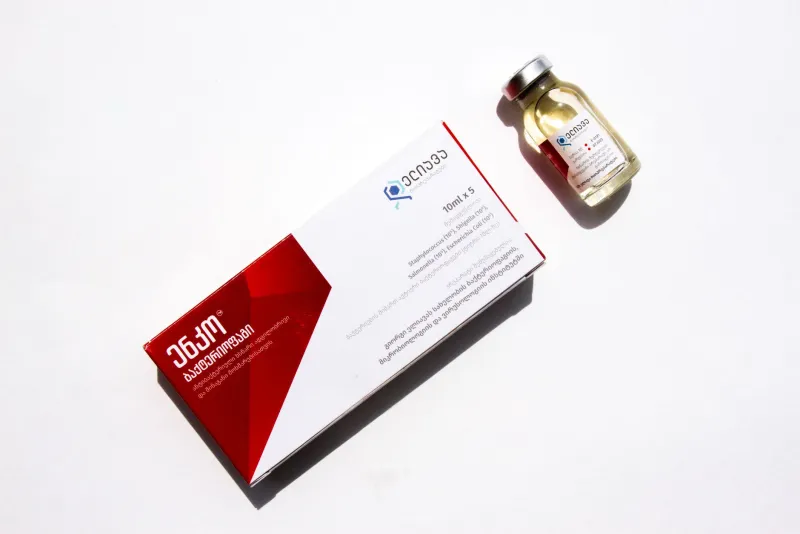
What Is Actavit Omega 3?
Omega-3 fatty acids are polyunsaturated fats the human body cannot produce in sufficient amounts on its own, making dietary intake or supplementation essential. When people search for actavit omega 3 or similar products, they are looking for a reliable source of two key fatty acids: eicosapentaenoic acid (EPA) and docosahexaenoic acid (DHA). These long-chain fatty acids occur naturally in fatty fish and certain algae, and research has consistently linked them to meaningful health benefits (Swanson et al., 2012).
A third omega-3 fatty acid, alpha-linolenic acid (ALA), is found in plant foods such as flaxseed, chia seeds, and walnuts. While ALA is beneficial, the body converts only a small fraction of it into EPA and DHA, making marine or algae-derived sources far more efficient for raising blood omega-3 levels.
EPA vs DHA: Two Essential Omega-3 Fatty Acids
Shop this category — in stock now

EPA and DHA play distinct but complementary roles. EPA is primarily involved in the production of signaling molecules that regulate inflammation, platelet aggregation, and vascular tone, all of which contribute to cardiovascular health (Mozaffarian & Wu, 2011). DHA is a structural component of cell membranes throughout the body, with especially high concentrations in the brain and retina. Adequate DHA supports fetal brain development and may help maintain cognitive function across the lifespan (Innis, 2007).
| Property | EPA | DHA |
|---|---|---|
| Primary role | Anti-inflammatory signaling | Brain and eye structure |
| Main source | Fatty fish, fish oil | Fatty fish, algae oil |
| Key benefits | Cardiovascular health, mood support | Cognition, vision, fetal development |
Both EPA and DHA are present together in fish oil and most marine omega-3 supplements. Some algae-based products provide DHA only, while others now offer both EPA and DHA from microalgae, which is a fully plant-based option.
Fish Oil, Krill Oil, and Algae Omega-3
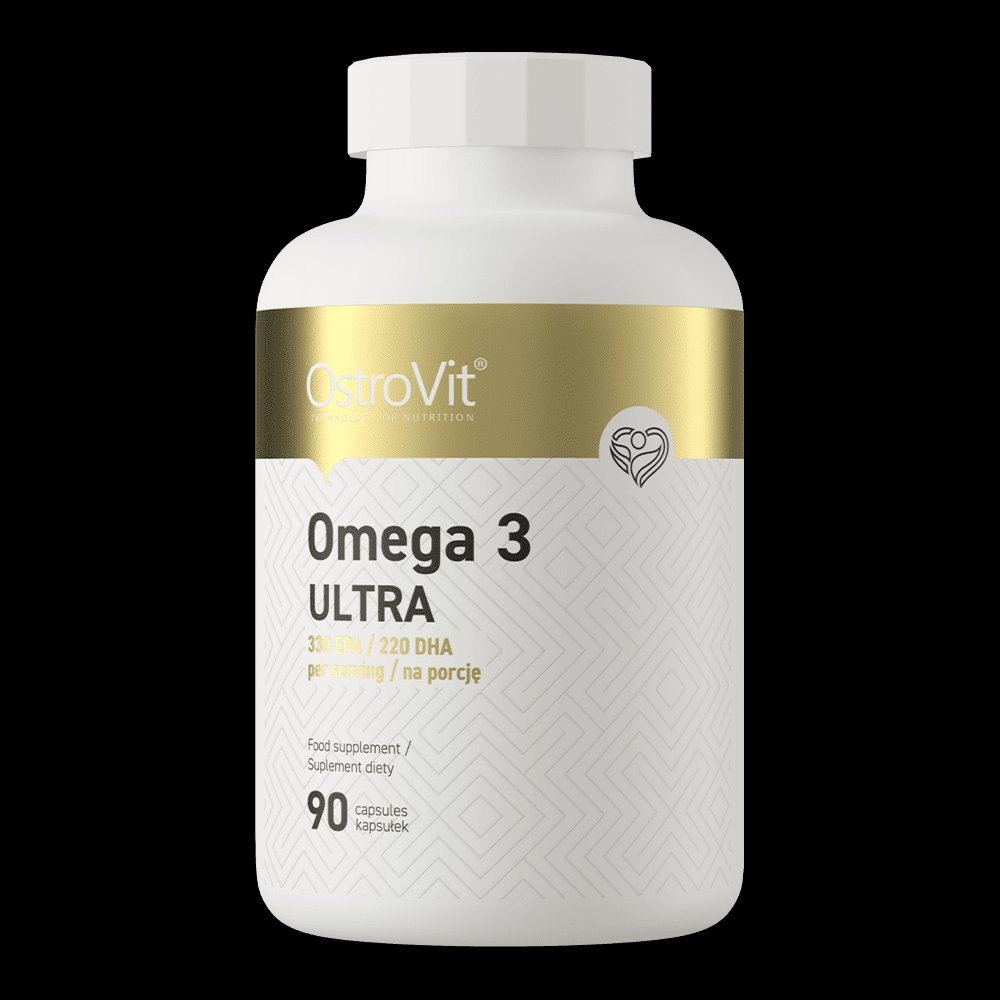
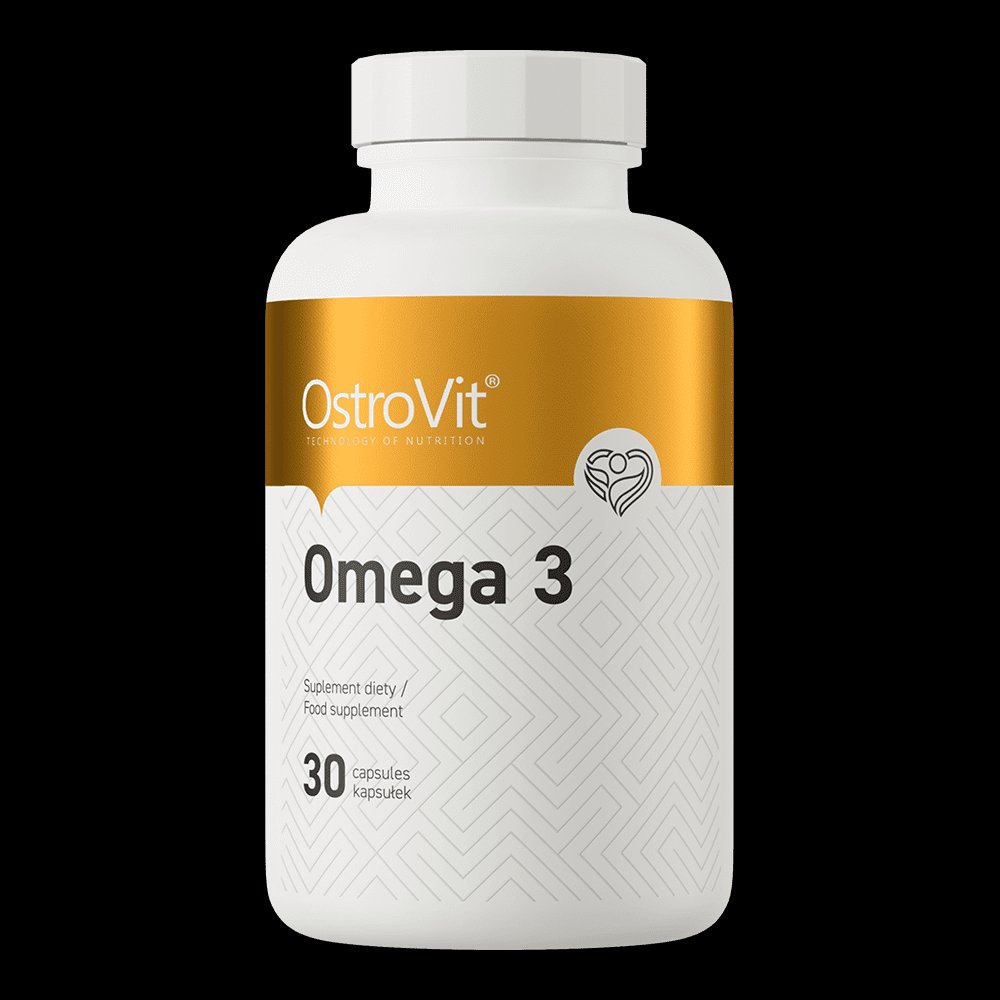
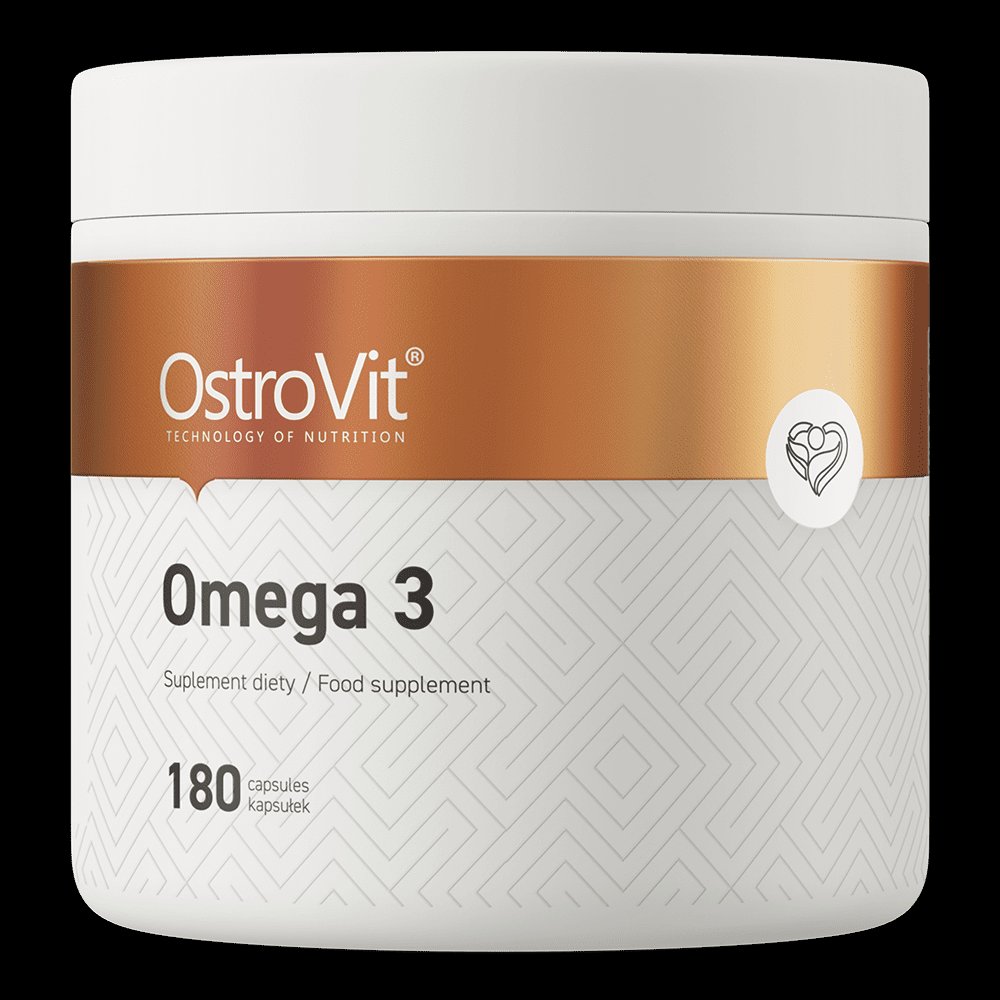
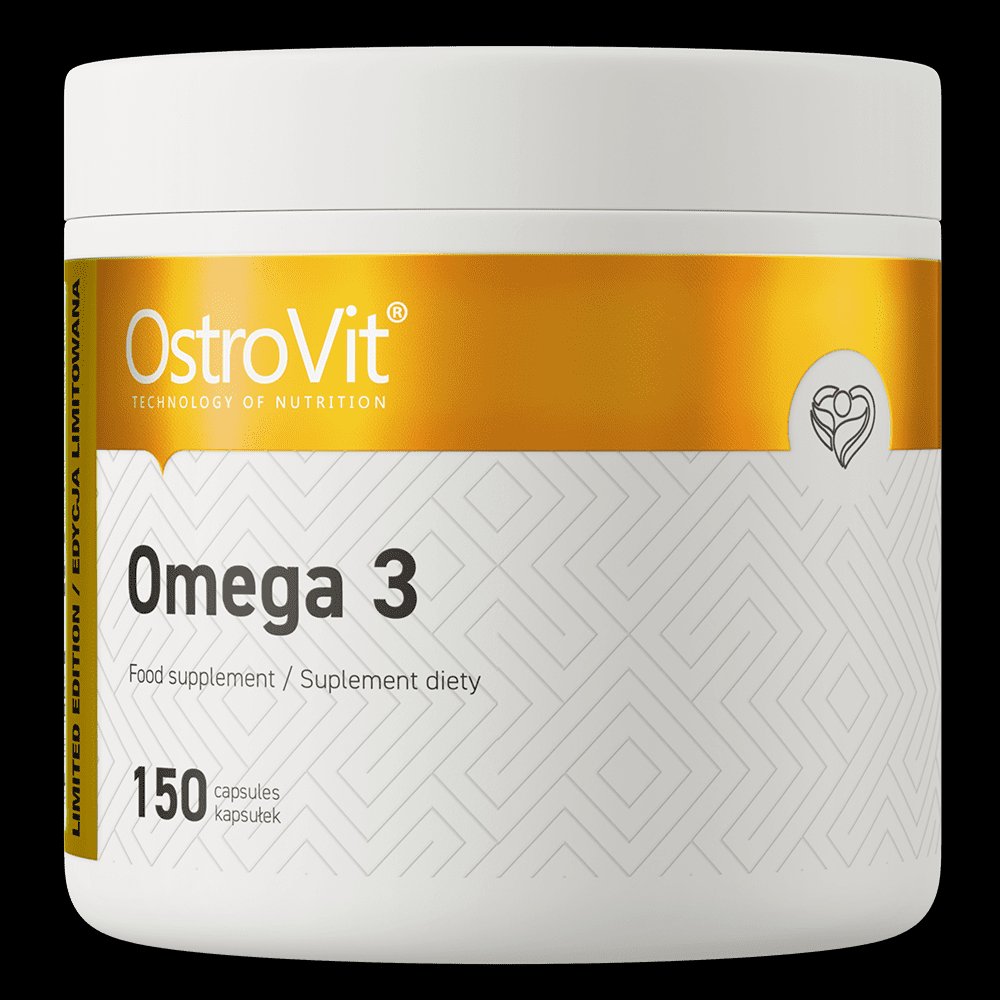
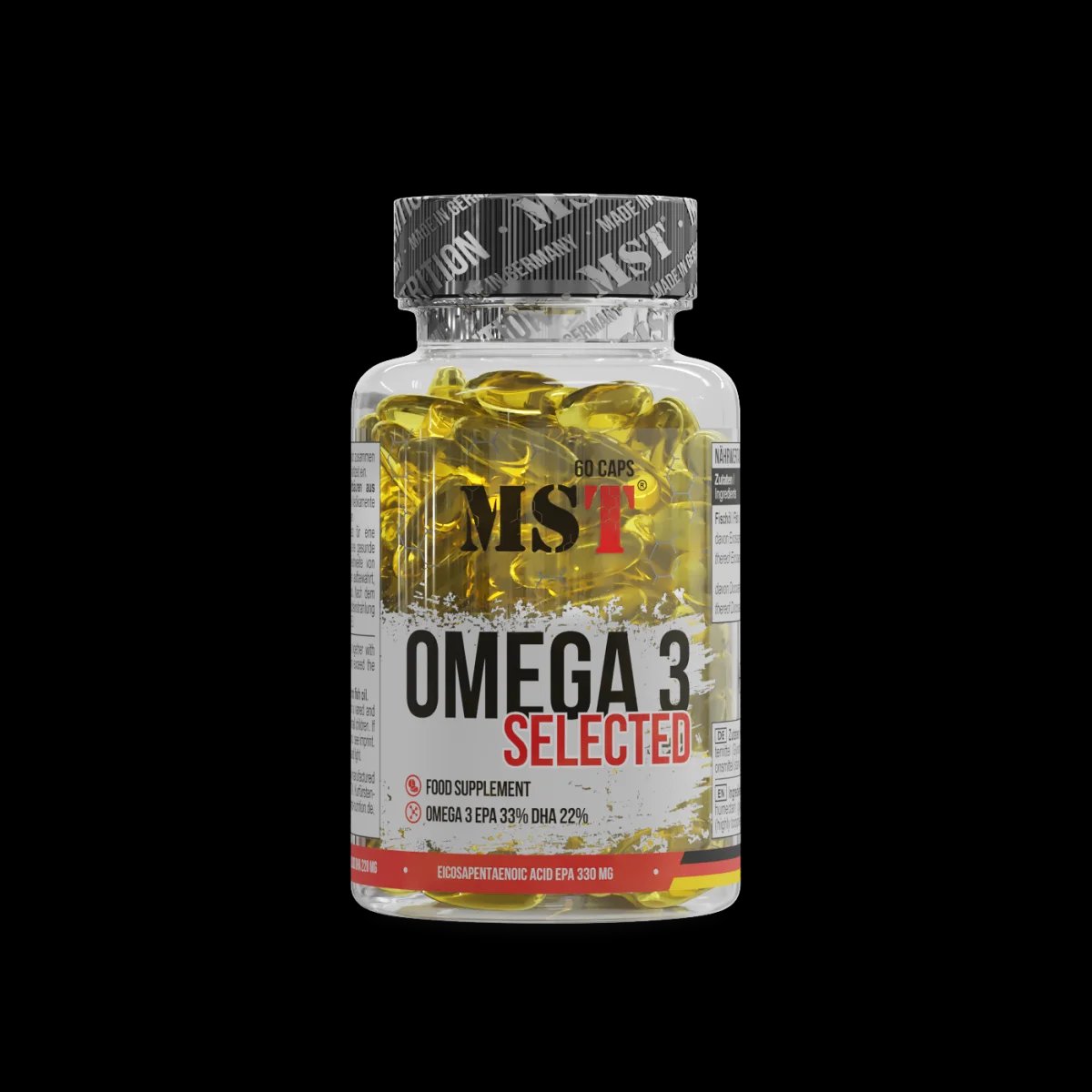
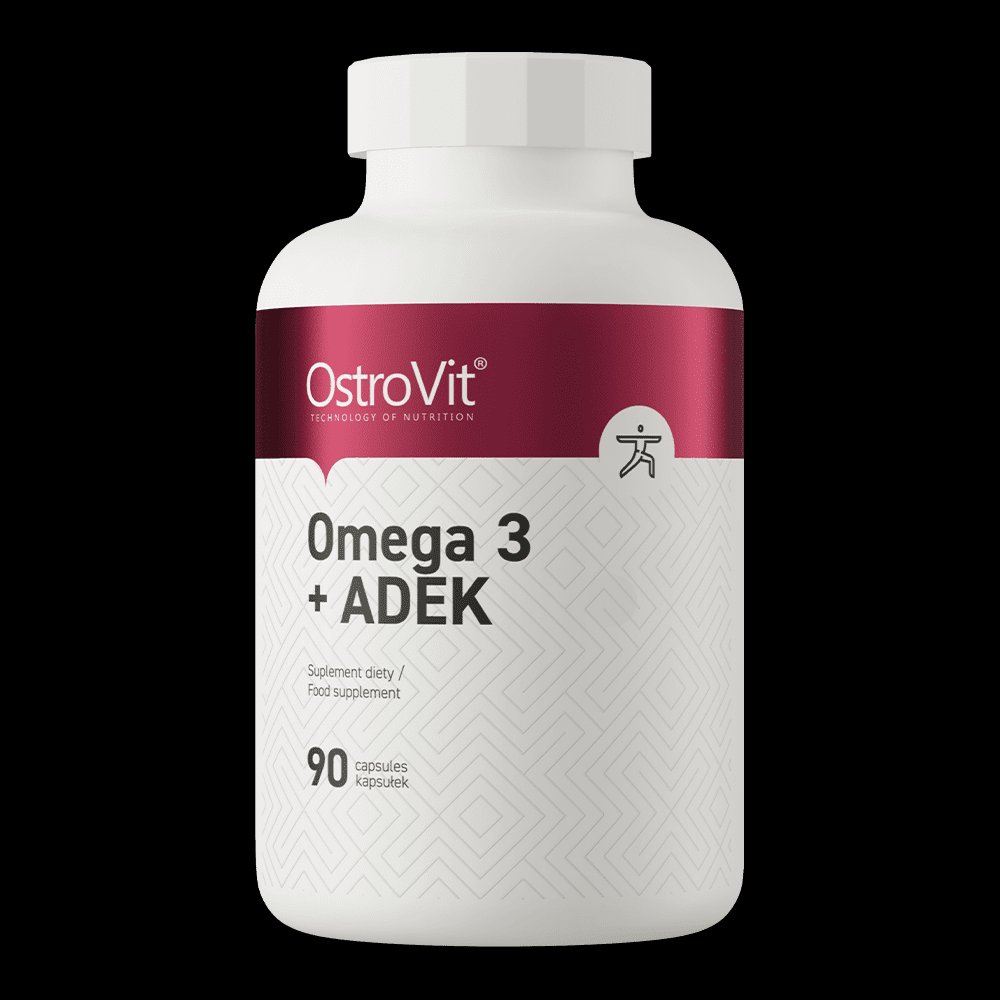
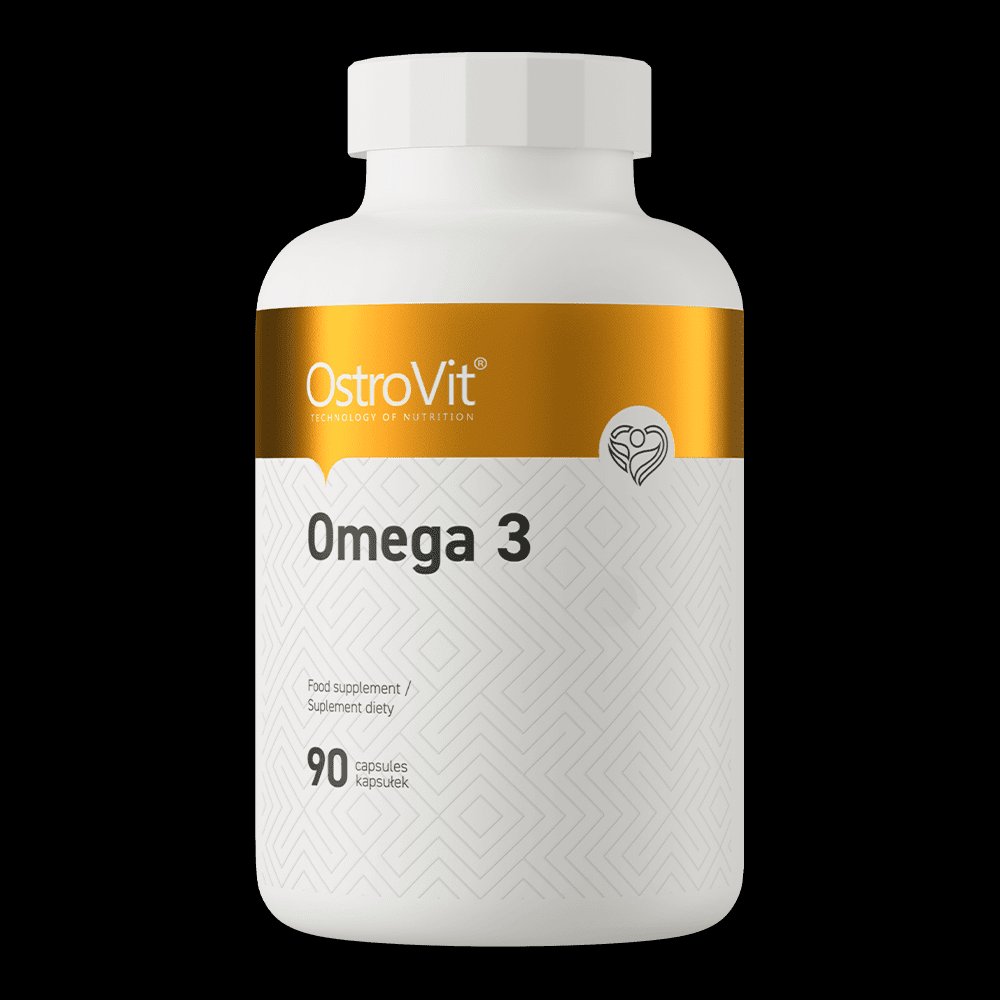
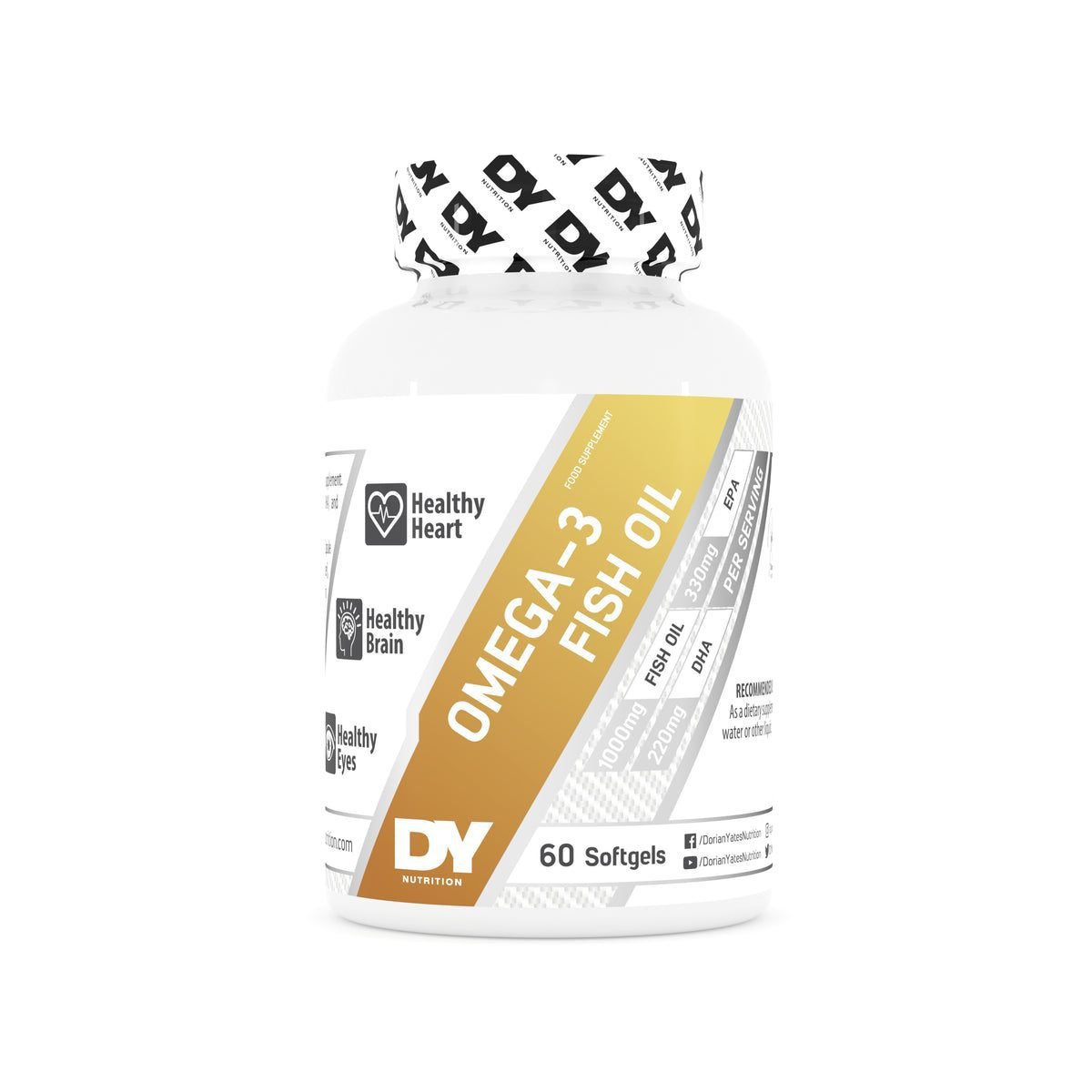
Fish oil is the most widely studied form of omega-3 supplementation. It delivers EPA and DHA in triglyceride or ethyl ester form. Triglyceride-form products are generally considered to have better absorption. OstroVit Omega 3 Ultra 90caps is a concentrated fish-oil option available at maxfit.ee that provides meaningful amounts of both EPA and DHA per serving. MST Omega 3 Selected 60 softgels is another quality choice for those seeking a well-formulated product.
Krill oil contains EPA and DHA bound to phospholipids, a form that some evidence suggests may improve uptake into tissues. It also contains astaxanthin, a natural antioxidant that helps protect the oil from oxidation. However, krill oil tends to cost more per gram of omega-3.
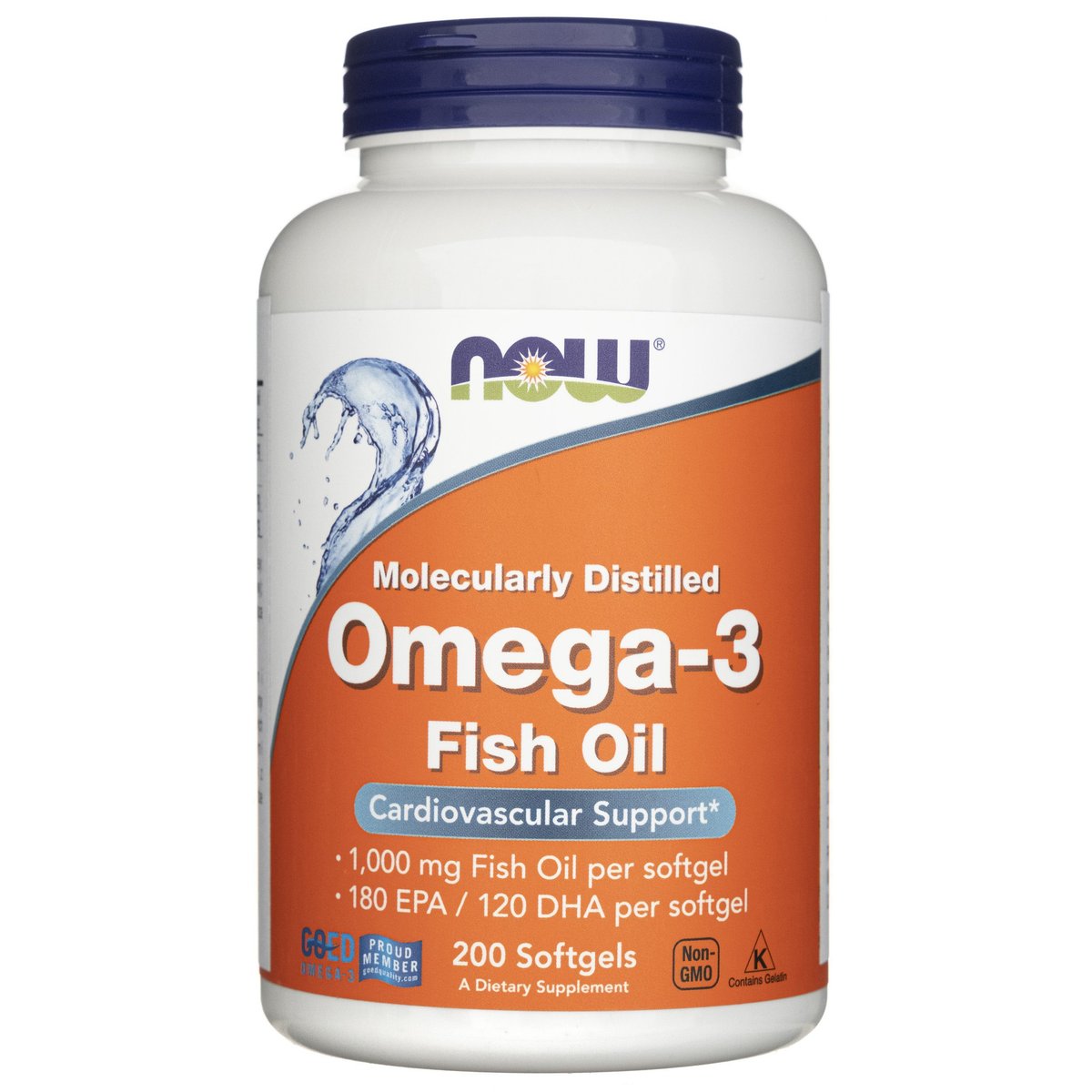
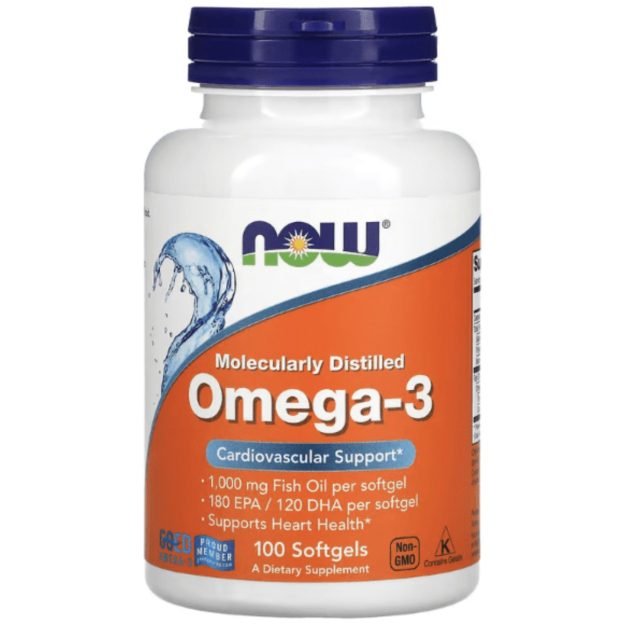
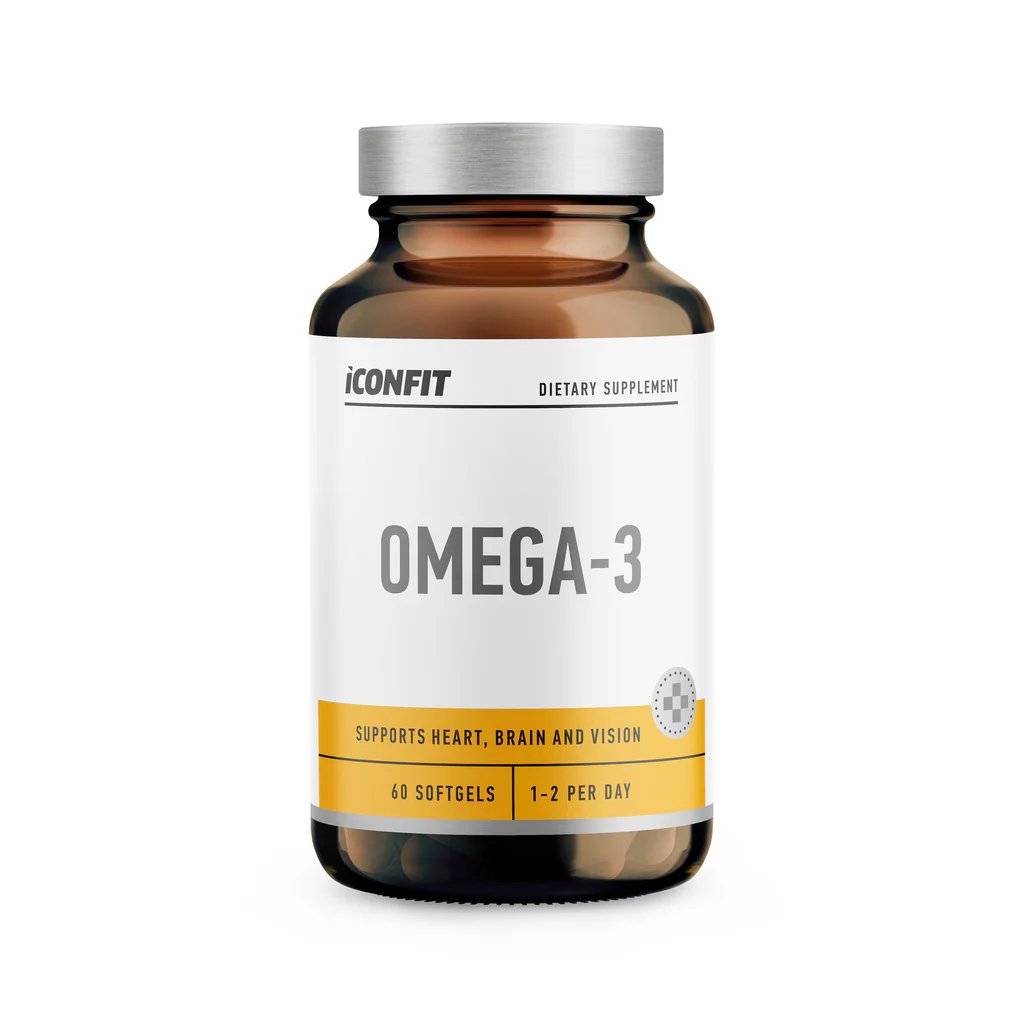
Algae oil is the original source of omega-3 in the marine food chain. Fish accumulate EPA and DHA by consuming algae. Algae-derived omega-3 supplements suit vegans and vegetarians and sidestep concerns about heavy-metal contamination. Research shows algae-derived DHA raises blood DHA levels comparably to fish oil (Swanson et al., 2012). Products like NOW Omega 3 1000mg 100 Softgels and ICONFIT Omega-3 60softgels offer accessible everyday options.
Dosage Guidelines
Needs vary by health goal and dietary background. For general health maintenance, intakes in the range of 250 to 500 mg of combined EPA+DHA per day are widely referenced in scientific literature (Calder, 2012). Higher intakes are studied for specific situations such as elevated triglycerides or chronic inflammation, typically under medical guidance. EFSA has reviewed omega-3 intake and provides guidance on adequate intakes for different population groups, though specific recommendations differ by age and physiological state.
People who regularly eat fatty fish may need less supplemental omega-3. Those on plant-based diets or who rarely eat fish tend to have lower baseline omega-3 status. Pregnant women and older adults have specific DHA needs that merit individual attention; consult a healthcare professional before starting high-dose supplementation.
Quality Indicators
Not all omega-3 products are equal. Key markers to check:
- EPA and DHA per serving: A 1,000 mg fish oil capsule may contain as little as 300 mg of actual EPA+DHA. Read the label carefully, not just the total oil weight.
- Oxidation status: Rancid fish oil is less effective and may cause discomfort. Low TOTOX values indicate freshness.
- Molecular form: Triglyceride (TG) form is the structure found naturally in fish. Ethyl ester (EE) products are also common and effective when well-formulated.
- Third-party testing: Certifications from IFOS (International Fish Oil Standards) or Friend of the Sea indicate verified purity and concentration.
- Sustainability: MSC (Marine Stewardship Council) certification signals responsibly sourced fish.
Omega-3 and the Nordic Diet
The Nordic diet, traditional across Estonia, Finland, Norway, Sweden, and Denmark, is naturally rich in fatty fish such as herring (räim), mackerel, and salmon. This tradition has historically supported good omega-3 status across populations in the region. However, as modern diets shift toward processed foods and lower fish consumption, supplementation is increasingly relevant for people in the Baltic and Nordic countries.
Arctic fish from cold northern waters tend to carry high concentrations of EPA and DHA. Whether you rely on traditional food sources or supplements such as those available at maxfit.ee, consistent omega-3 intake is a foundation of long-term health in this part of the world.
FAQ
Is actavit omega 3 suitable for daily use?
Omega-3 supplements, including actavit omega 3 and equivalent products, are generally well tolerated for daily use. They are fat-soluble, so taking them alongside a meal containing dietary fat may improve absorption and reduce the chance of mild gastrointestinal discomfort. If you take anticoagulant medications, discuss omega-3 supplementation with your doctor before starting.
What is the difference between age omega 3 and standard omega 3?
Some products marketed as age omega 3 are formulated specifically for older adults, often with higher DHA concentrations to support cognitive health or added vitamin D. The core EPA and DHA components are the same; what differs is typically the dose ratio and any additional nutrients. Always compare actual EPA and DHA amounts on the label rather than relying solely on the product name.
Can alga omega 3 replace fish oil?
For most people, alga omega 3 is an effective alternative to fish oil. Algae-derived DHA raises blood DHA levels comparably to fish-oil DHA (Swanson et al., 2012), and some algae products also supply EPA. This makes algae omega 3 especially suitable for vegans, vegetarians, or anyone concerned about fish-sourced contaminants or environmental sustainability.
References
Calder PC. (2012). Mechanisms of action of (n-3) fatty acids. Journal of Nutrition, 142(3), 592S-599S. https://pubmed.ncbi.nlm.nih.gov/22279140/
Mozaffarian D, Wu JH. (2011). Omega-3 fatty acids and cardiovascular disease: effects on risk factors, molecular pathways, and clinical events. Journal of the American College of Cardiology, 58(20), 2047-2067. https://pubmed.ncbi.nlm.nih.gov/22051327/
Swanson D, Block R, Mousa SA. (2012). Omega-3 fatty acids EPA and DHA: health benefits throughout life. Advances in Nutrition, 3(1), 1-7. https://pubmed.ncbi.nlm.nih.gov/22332096/
Innis SM. (2007). Dietary (n-3) fatty acids and brain development. Journal of Nutrition, 137(4), 855-859. https://pubmed.ncbi.nlm.nih.gov/17374644/