What Is Golden Milk and Where Does It Come From?
Shop this category — in stock now
Golden milk (haldi doodh) is a traditional Indian drink made from warm milk, turmeric, pepper, and often other spices such as cinnamon, ginger, and cardamom. This golden-yellow drink has been an evening ritual in Indian families for over 4,000 years.
In Ayurvedic medicine, golden milk is used as an almost universal remedy — from digestive issues to joint pain, from sleep disorders to skin conditions. And modern science is beginning to understand why this ancient practice has endured: curcumin (Aggarwal & Harikumar, 2009), found in turmeric, is one of the most studied natural compounds in the world.
Over the past decade, golden milk's popularity has surged in the West — it can be found in every health-conscious cafe from Tallinn to New York.
What Makes Curcumin So Special?
Curcumin is the main bioactive compound in turmeric (Curcuma longa). Although turmeric contains only 2-5% curcumin, this compound is responsible for most of turmeric's health benefits.
Curcumin's main mechanisms of action:
Anti-inflammatory effect: Curcumin inhibits the NF-κB signalling pathway — the body's main regulator of inflammatory response. This is the same mechanism used by several prescription medications, but without their side effects. A 2016 meta-analysis of 8 clinical studies confirmed that curcumin reduces the inflammation marker CRP by an average of 6.4 mg/L.
Antioxidant effect: Curcumin neutralises free radicals while simultaneously increasing the activity of the body's own antioxidant enzymes (SOD, catalase, glutathione peroxidase). This dual mechanism makes it a particularly potent antioxidant.
Brain health support: Curcumin increases BDNF (brain-derived neurotrophic factor) levels — a protein that supports brain cell growth and connection formation. Low BDNF levels are linked to depression and age-related cognitive decline.
Find more information about curcumin in our curcumin product selection.
Does Golden Milk Really Help Against Inflammation?
Yes, and the scientific evidence is strong:
Joint inflammation and arthritis: A 2016 study in the Journal of Medicinal Food showed that curcumin consumption reduced osteoarthritis symptoms as effectively as ibuprofen, but without gastrointestinal side effects. 40 arthritis patients received either 1500mg curcumin or 1200mg ibuprofen over 4 weeks — both groups showed significant improvement in pain and function.
Post-exercise inflammation: This is especially important for athletes: a 2020 systematic review found that curcumin consumption (150-1500mg daily) reduced delayed onset muscle soreness (DOMS) and accelerated recovery. The effect was noticeable within 24 hours.
Chronic low-grade inflammation: Many modern health concerns are linked to chronic low-grade inflammation. Regular curcumin consumption may help support the body's normal inflammatory response.
How to Make Classic Golden Milk?
Traditional recipe (1 serving):
Ingredients:
- 250ml milk (cow's, coconut, almond, or oat milk)
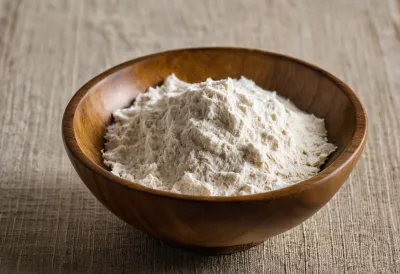
- 1 tsp turmeric powder (or 2cm fresh turmeric root, grated)
- 1/4 tsp black pepper (MANDATORY — increases absorption by 2000%)
- 1/2 tsp cinnamon
- 1/2 tsp ginger (fresh grated or powder)
- 1 tsp coconut oil or ghee
- Honey to taste (add after cooling below 40°C)
Preparation:
- Heat milk on medium heat (do not let it boil)
- Add turmeric, pepper, cinnamon, and ginger
- Add coconut oil or ghee
- Stir well and heat for 3-5 minutes
- Strain if necessary (if you used fresh turmeric)
- Add honey after slight cooling
Why is black pepper mandatory?
Black pepper contains piperine (Shoba et al., 1998) — a substance that increases curcumin absorption from the digestive tract by up to 2000%. Without pepper, less than 1% of curcumin is absorbed — meaning most goes to waste. A mere pinch is sufficient.
Why add fat?
Curcumin is fat-soluble — it is absorbed much better with fat. Coconut oil, ghee, olive oil — all work. This is another reason why the traditional milk recipe works so well.
What Are the Variations of Golden Milk?
Athlete's golden smoothie:
- 250ml coconut milk
- 1 tsp turmeric powder
- 1/4 tsp black pepper
- 1 scoop protein powder (vanilla)
- 1/2 banana
- 1 tsp bee pollen
- Ice cubes
Blend until smooth. An ideal post-workout recovery drink.
Anti-stress golden milk (evening):
- 250ml almond milk
- 1 tsp turmeric powder
- 1/4 tsp black pepper
- 1/2 tsp ashwagandha powder
- 1 tsp magnesium powder
- 1/2 tsp cinnamon
- Honey to taste
This combination supports sleep and relaxation.
Immune-boosting golden milk:
- 250ml cow's milk
- 1 tsp turmeric powder
- 1/4 tsp black pepper
- 1/2 tsp ginger
- 1/4 tsp clove
- 1 garlic clove (minced)
- Honey and lemon to taste
Does Golden Milk Help You Sleep Better?
Yes, for several reasons:
Milk's tryptophan: Warm milk contains tryptophan — an amino acid from which the body produces serotonin and melatonin. These are critically important neurotransmitters for sleep.
Curcumin's effect on the brain: Curcumin increases BDNF and serotonin levels, both of which are linked to better sleep quality. A 2020 study showed that curcumin consumption improved subjective sleep quality by 36%.
Anti-inflammatory effect: Chronic inflammation disrupts sleep — curcumin's anti-inflammatory (Hewlings & Kalman, 2017) effect helps the body relax.
Ritual effect: The act of preparing and drinking a warm evening drink is itself a calming ritual that signals the body it is time to rest.
How Much Curcumin Does Golden Milk Actually Contain?
It is important to be realistic here:
1 tsp turmeric powder (~3g) contains:
- Approximately 90-150mg curcumin (2-5% content)
- With black pepper, absorption improves 20x
- With fat, absorption improves further
Clinical studies often use:
- 500-2000mg curcumin daily
- Standardised extract (95% curcuminoids)
This means that golden milk is an excellent daily health drink, but for specific health issues you may need a supplemental curcumin supplement with a standardised dose.
Does Golden Milk Have Side Effects?
Generally very safe, but:
Possible side effects:
- Digestive upset at high doses
- Yellow stains on teeth and clothes (temporary)
- Allergic reaction (rare)
Caution:
- With gallstones — turmeric stimulates bile secretion
- With anticoagulant medications — curcumin has a mild blood-thinning effect
- With diabetes medications — curcumin lowers blood sugar
- During pregnancy — large doses may stimulate the uterus (normal food amounts are safe)
Turmeric vs Curcumin Extract — What to Choose?
| Property | Turmeric powder | Curcumin extract |
|---|---|---|
| Curcumin content | 2-5% | 95% |
| Other compounds | Contains other curcuminoids | Curcumin only |
| Use | In food, for golden milk | As capsules/tablets |
| Dose | 1-3 tsp daily | 500-2000mg daily |
| Absorption | Low (needs pepper + fat) | High (often with absorption enhancers) |
| Price | Affordable | More expensive |
Our recommendation: Use both! Golden milk for a daily ritual + curcumin extract in capsules when you need a higher dose for a specific issue.
Summary
Golden milk is one of the simplest and tastiest ways to consume curcumin daily. Its combination of turmeric, pepper, and fat ensures the best absorption, while warmth and taste make it a pleasant ritual.
Key takeaways:
- Curcumin is a powerful anti-inflammatory and antioxidant compound
- Black pepper increases absorption by 2000% — do not skip it!
- Fat improves absorption of fat-soluble curcumin
- Golden milk helps with joint pain, sleep, and recovery
- For daily consumption, 1-2 tsp of turmeric is sufficient
- For higher doses, consider curcumin extract in capsules
References
- Hewlings SJ, Kalman DS. (2017). Curcumin: a review of its effects on human health. Foods, 6(10), 92.
- Shoba G, Joy D, Joseph T, Majeed M, Rajendran R, Srinivas PS. (1998). Influence of piperine on the pharmacokinetics of curcumin in animals and human volunteers. Planta Medica, 64(4), 353-356.
- Daily JW, Yang M, Park S. (2016). Efficacy of turmeric extracts and curcumin for alleviating the symptoms of joint arthritis: a systematic review and meta-analysis. Journal of Medicinal Food, 19(8), 717-729.
- Aggarwal BB, Harikumar KB. (2009). Potential therapeutic effects of curcumin, the anti-inflammatory agent, against neurodegenerative, cardiovascular, pulmonary, metabolic, autoimmune and neoplastic diseases. International Journal of Biochemistry & Cell Biology, 41(1), 40-59.
See also: