


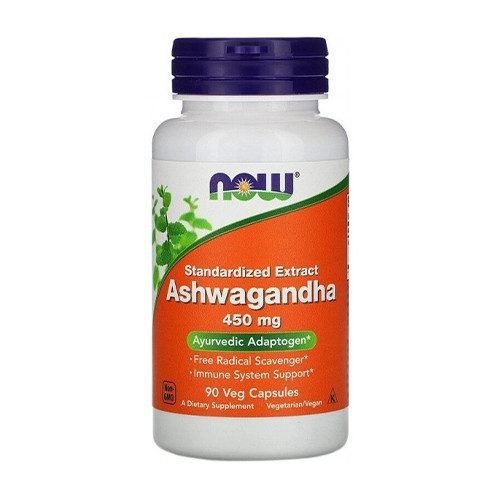
Ashwagandha
7 products · 6 in stock · €8.30–€25.10 · from €0.06/serving · Estonia 1–3 business days, free from €50.00
1–3 day delivery
Free shipping in Estonia from €50
Secure payment



Useful Articles


What is ashwagandha and how does it work?
Ashwagandha (Withania somnifera) is an adaptogen used for thousands of years in Ayurvedic medicine, helping the body cope with stress more effectively. As an adaptogen, ashwagandha regulates the body's stress response by balancing cortisol levels — the primary stress hormone. Clinical studies have shown that ashwagandha reduces cortisol levels by up to 30% and significantly improves sleep quality.
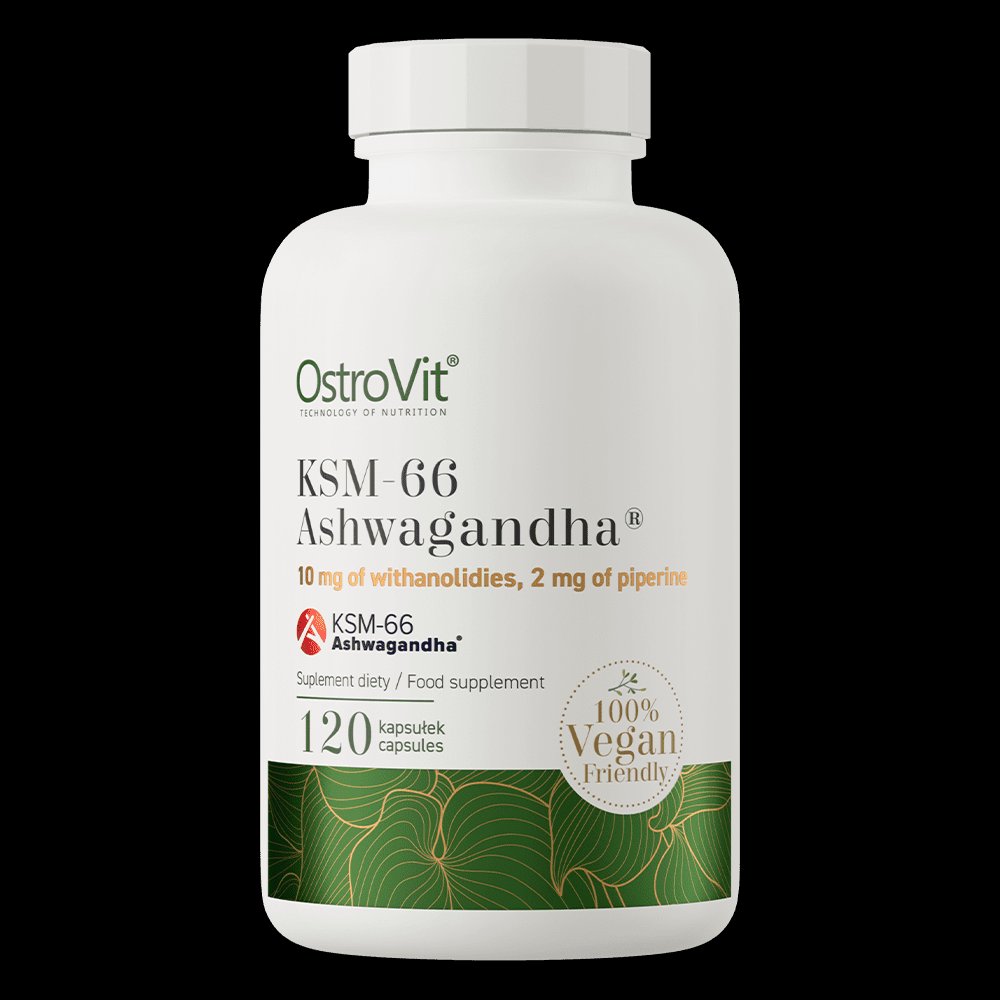
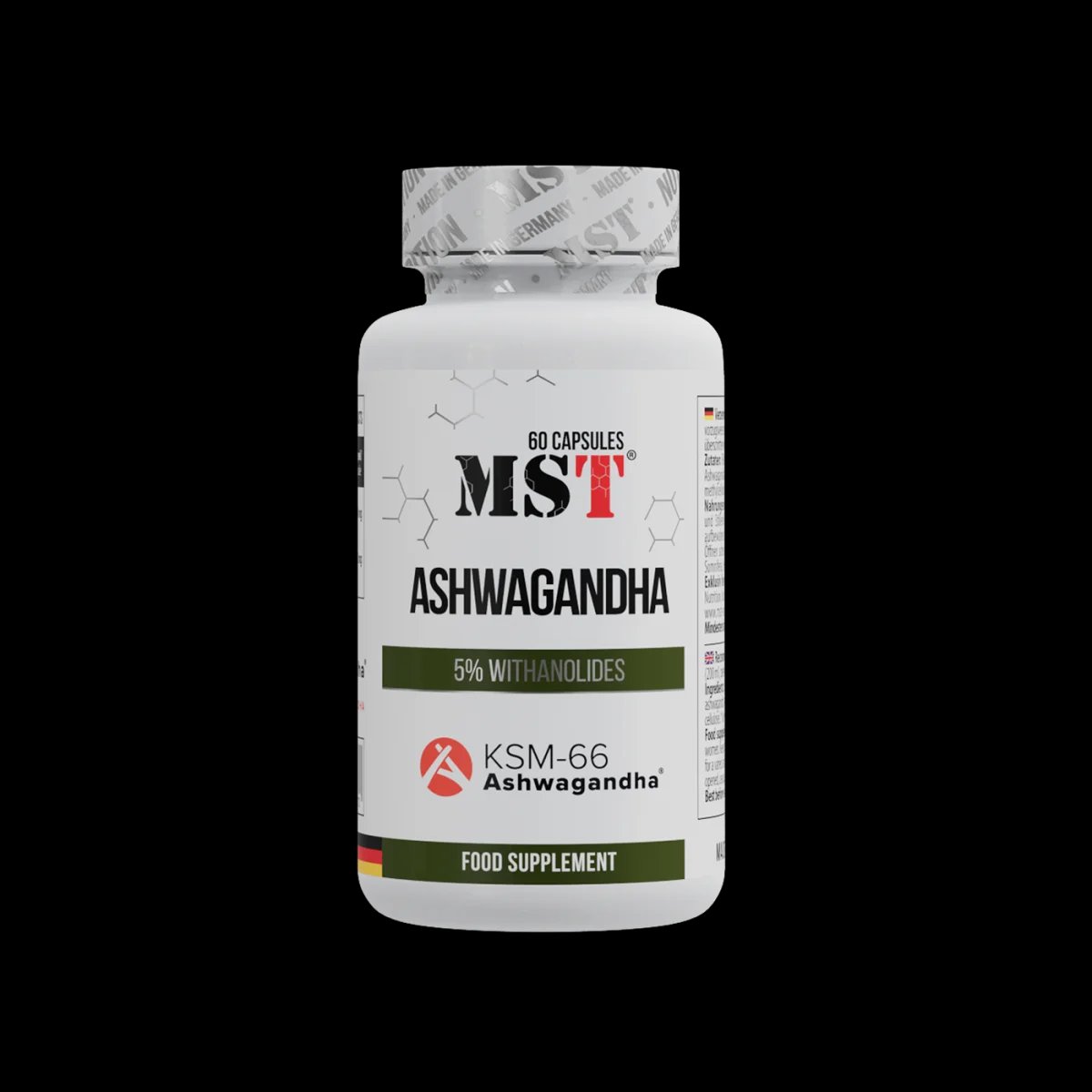
KSM-66 is the most researched ashwagandha extract, tested in over 24 clinical trials. It is a full-spectrum root extract containing standardized levels of withanolides — ashwagandha's active compounds. Ashwagandha also supports athletic performance: studies show it helps increase muscle strength, improves endurance, and accelerates post-workout recovery. The typical dose is 300-600 mg of KSM-66 extract per day, recommended in the morning or before bedtime.
Frequently asked questions about ashwagandha
Ashwagandha is generally well tolerated. In rare cases, mild digestive discomfort, drowsiness, or headache may occur. Ashwagandha is not recommended for pregnant or breastfeeding women or those with hyperthyroidism. Start with a lower dose (300 mg) and monitor your body's response.
If your goal is stress reduction and better sleep, take ashwagandha 30-60 minutes before bedtime. For energy and athletic performance support, morning intake with food works best. You can also split the dose between morning and evening.
You may notice initial results — better sleep and reduced stress — within 2-4 weeks. Full effects, including improved muscle strength and endurance, typically appear after 8-12 weeks of consistent use.
Yes, ashwagandha pairs well with magnesium (for better sleep), melatonin (sleep support), and vitamin D. Athletes often combine it with creatine. Avoid combining ashwagandha with sedatives or thyroid medications without consulting a doctor.