Omega 6 Rasvhapped: Complete Guide 2026
Shop this category — in stock now


"Omega 6 rasvhapped" is the Estonian phrase for omega-6 fatty acids — a family of polyunsaturated fats that are often misunderstood. Popular media frequently frames omega-6 as "bad" and omega-3 as "good," but the reality is more nuanced. Both families of fatty acids are essential for human health. What matters most is not the absolute intake of either, but the ratio between them and the overall quality of your diet.
What Are Omega-6 Fatty Acids?
Omega-6 fatty acids are a class of polyunsaturated fatty acids (PUFAs) characterised by a double bond at the sixth carbon from the methyl end. The most important dietary omega-6 fatty acid is linoleic acid (LA), which is classified as essential because the human body cannot synthesise it. LA must be obtained from food.
From LA, the body can synthesise longer-chain omega-6 fatty acids, including arachidonic acid (AA) and gamma-linolenic acid (GLA). AA is a precursor to eicosanoids — signalling molecules involved in inflammation, blood clotting, and immune responses. GLA, found in evening primrose oil and borage oil, has anti-inflammatory properties that distinguish it from most other omega-6 derivatives.
The key sources of omega-6 fatty acids in modern diets are vegetable oils (sunflower, corn, soybean), nuts and seeds, and many processed foods.
The Omega-6 to Omega-3 Ratio: Why It Matters
The ratio of omega-6 to omega-3 fatty acids in the human diet has shifted dramatically over the past century. Anthropological evidence suggests ancestral human diets had an omega-6 to omega-3 ratio close to 1:1. The ratio in modern Western diets is estimated at approximately 15:1 or even higher (Simopoulos, 2002).
This shift is not primarily because people eat more omega-6 — it is because people eat far less omega-3. The dramatic increase in vegetable oil consumption in processed foods has simultaneously raised omega-6 intake while fish consumption has declined.
Both omega-6 and omega-3 PUFAs compete for the same enzymes and incorporate into cell membranes. A high omega-6 to omega-3 ratio can promote a more pro-inflammatory environment, whereas a lower ratio — achieved by increasing omega-3 intake — is associated with reductions in pro-inflammatory markers (Simopoulos, 2002).
Critically, the American Heart Association and other major health bodies have concluded that reducing omega-6 intake is not a useful strategy. Rather, increasing omega-3 intake to correct the ratio is the evidence-supported approach (Harris et al., 2009).
Nordic Diet Context
Traditional Nordic and Estonian diets were naturally closer to a balanced omega-6 to omega-3 ratio because cold-water fish (herring, sprat, salmon, mackerel) were dietary staples. These fish provide EPA and DHA, the long-chain omega-3 fatty acids that most potently counter-balance omega-6 derived eicosanoids.
As traditional fish consumption has declined in many Estonian households and processed vegetable-oil-heavy foods have increased, the omega-6 to omega-3 balance in the typical modern diet has worsened. This is the primary nutritional argument for omega-3 supplementation — not to eliminate omega-6, but to restore a healthier ratio.
Bio Omega 3 6 9 and Combined Products
Products marketed as "bio omega 3 6 9" or "omega 3 6 9" provide a blend of omega-3 (from fish or plant sources), omega-6 (usually from plant oils), and omega-9 (oleic acid, also non-essential). These combination products appeal to consumers who want a single supplement to cover multiple fatty acid families.
However, a note of caution: omega-9 is monounsaturated and non-essential (the body synthesises it). Omega-6 is abundant in most modern diets and rarely requires supplementation for most people. The component that most people genuinely need to increase is omega-3. Products like "dayvit omega 3 6 9" or "equazen omega 3 and 6" are not inherently superior to a straight omega-3 supplement unless your diet is already very low in plant oils.
Dosage Guidelines
For omega-6 specifically, most health bodies do not recommend supplementation because dietary intake is already abundant in most Western and Northern European diets. The relevant action for most people is to increase omega-3 — particularly EPA and DHA from marine sources.
For combined omega-3 supplementation supporting cardiovascular health, research has commonly used daily EPA + DHA intakes around 1 gram combined (Calder, 2012). This is the practical recommendation for most healthy adults.
Quality Indicators for Omega-3 Products
- TOTOX oxidation value: Lower is better; indicates freshness of the oil
- IFOS or equivalent third-party certification: Guarantees purity and accurate labelling
- EPA and DHA concentration: Check the supplement facts panel — total omega-3 on the label includes ALA, which has minimal health benefit compared to EPA and DHA
- Molecular form: Triglyceride form is generally preferred for absorption over ethyl ester form
Products at MaxFit
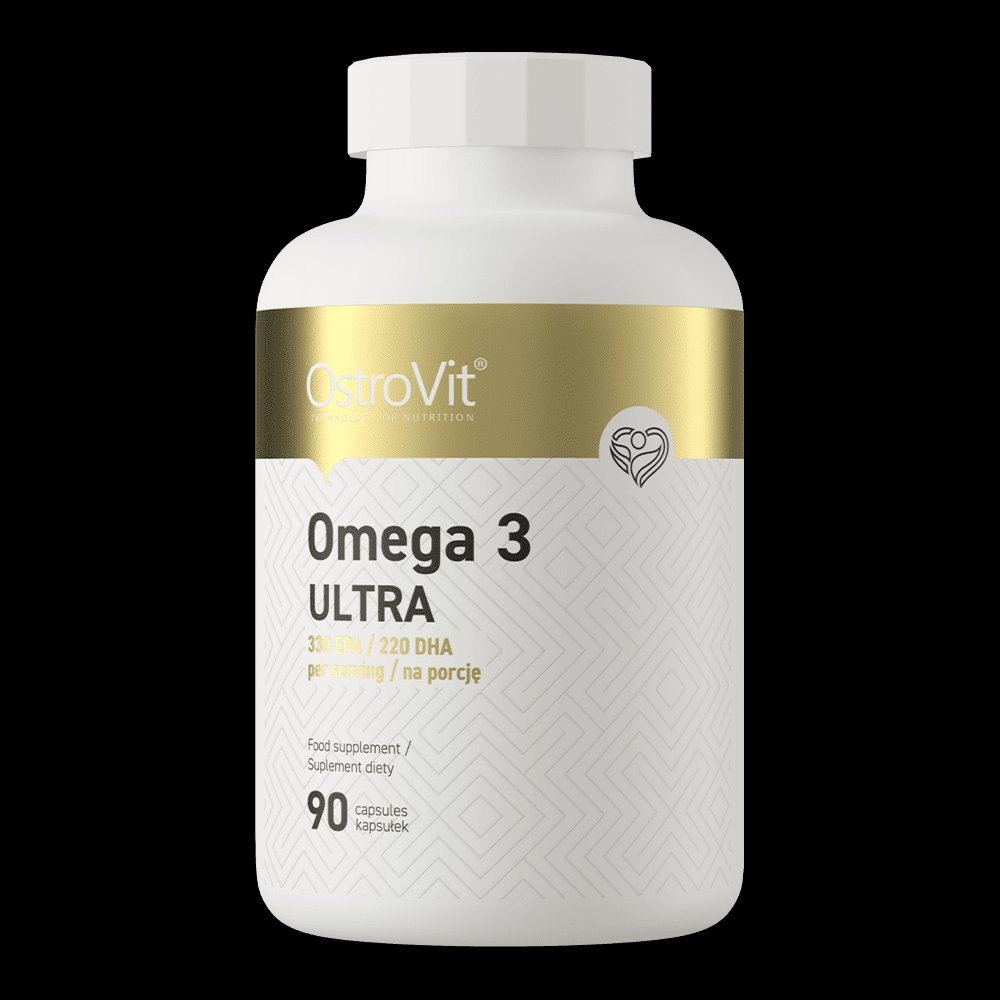
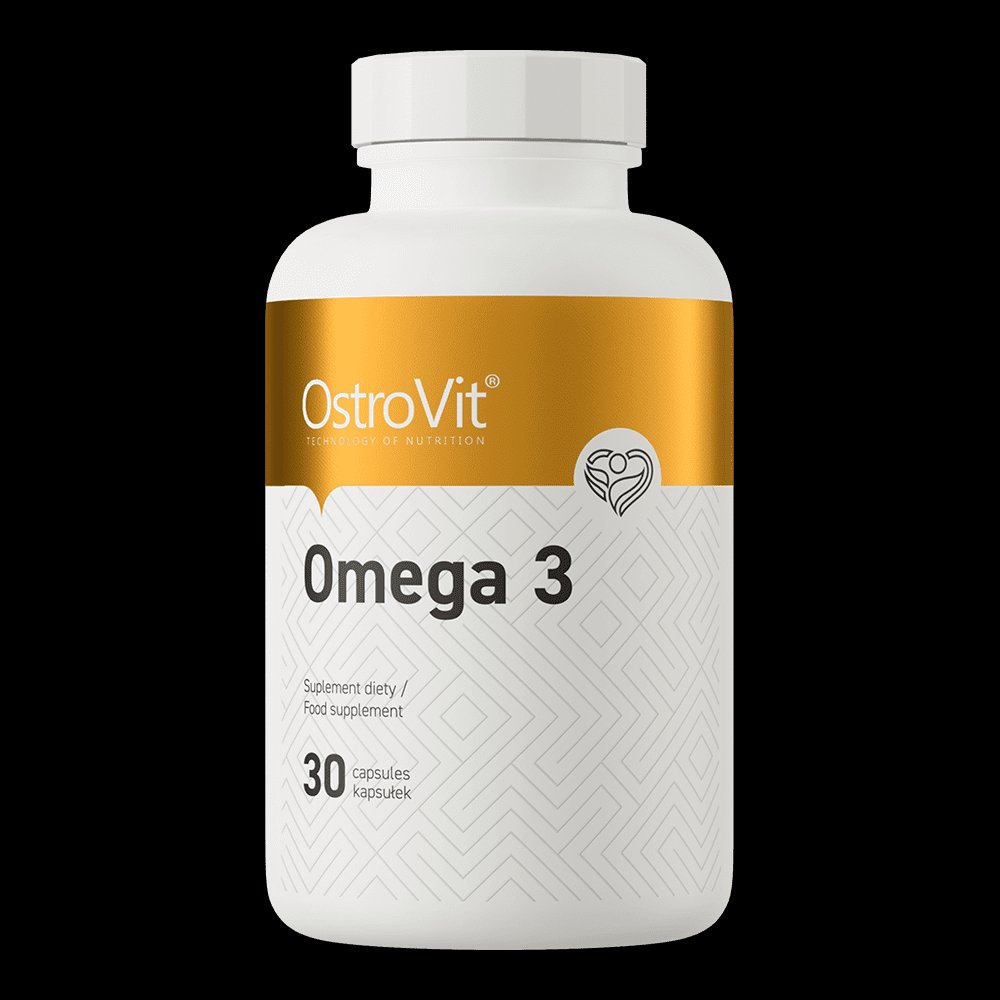
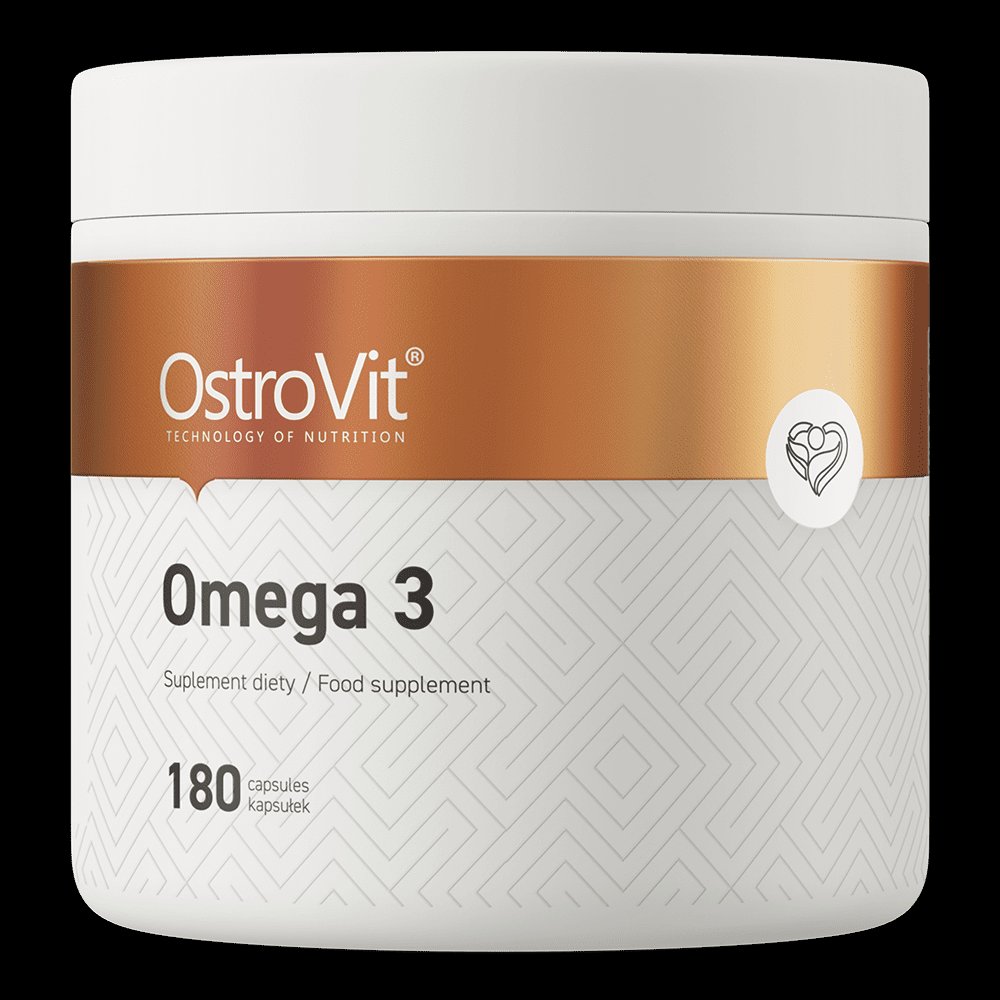
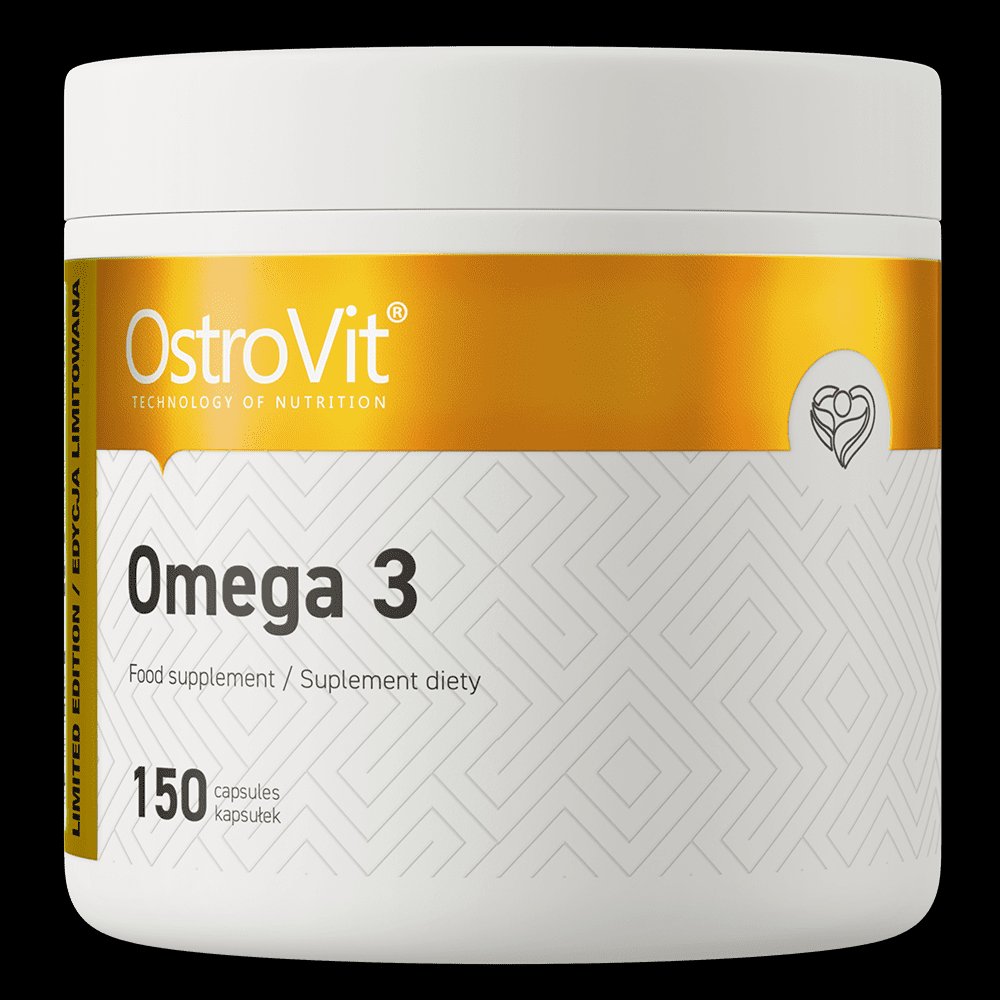
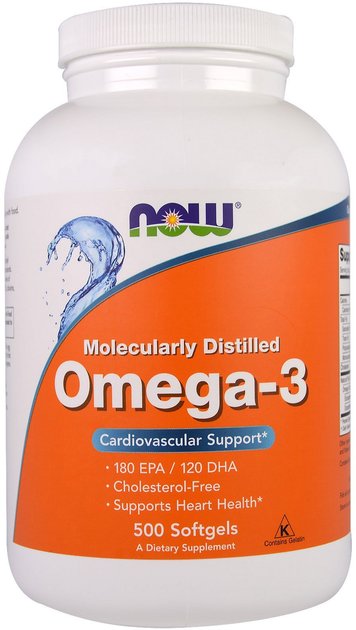
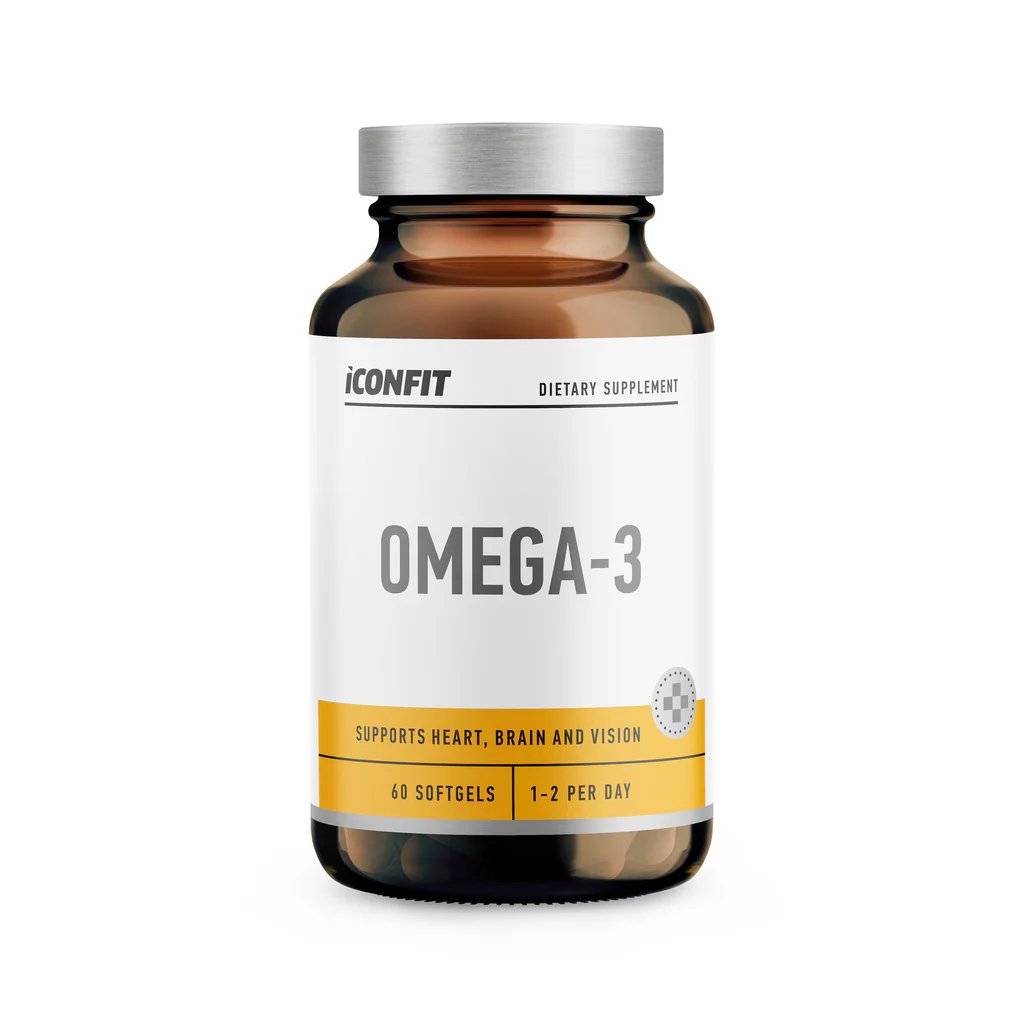
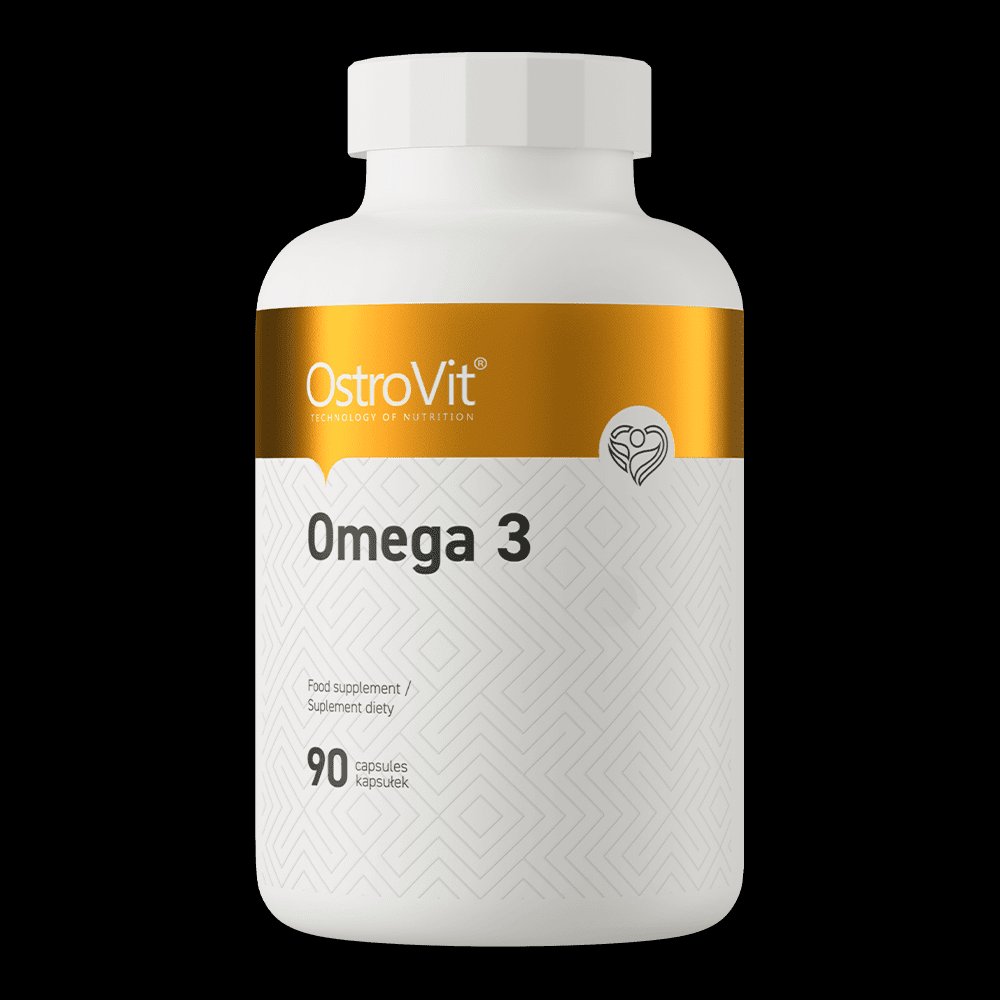
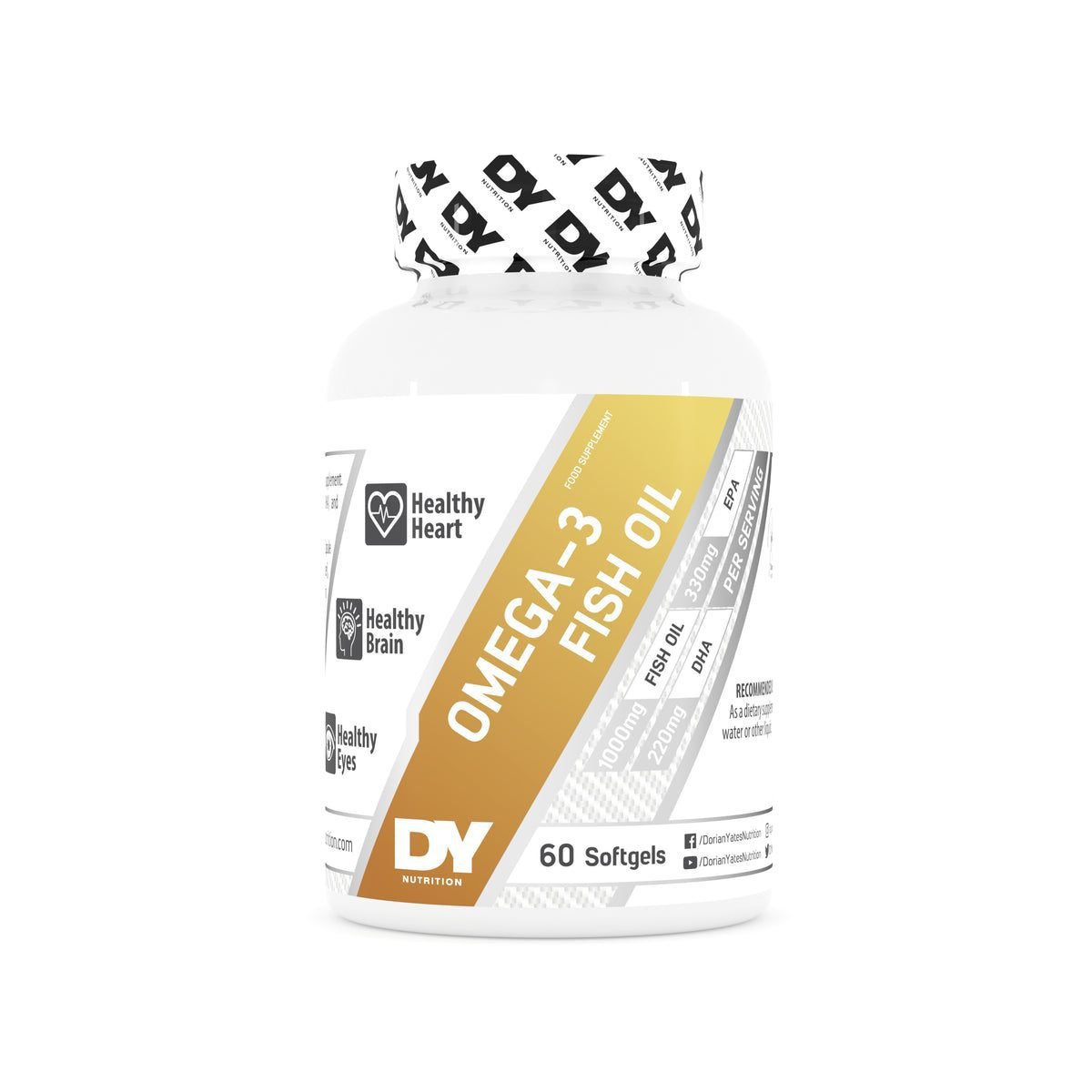
At maxfit.ee, the omega-3 category offers concentrated EPA + DHA products to help restore the omega-6 to omega-3 balance in your diet. OstroVit Omega 3 Ultra 90caps delivers a high-concentration EPA + DHA dose in a compact softgel. MST Omega 3 Selected 60 softgels uses carefully selected fish oil for quality and freshness. ICONFIT Omega-3 60softgels is a compact and accessible everyday option. For a combined approach, ICONFIT Softgel Omega 3-6-9 N90 covers all three fatty acid families in one product for those who prefer a broader-spectrum supplement.
Browse the full range at the omega-3 category on maxfit.ee.
FAQ
Are omega-6 fatty acids bad for you?
No. Omega-6 fatty acids are essential nutrients. Linoleic acid (LA) cannot be synthesised by the human body and must come from food. The concern is not omega-6 itself but an imbalanced ratio where omega-6 greatly exceeds omega-3. The solution is to increase omega-3 intake, not to eliminate omega-6.
Do I need an omega-3-6-9 supplement, or just omega-3?
For most people following a typical modern diet, omega-6 and omega-9 intake is already adequate. The primary gap is omega-3. A straight omega-3 (EPA + DHA) supplement is more efficient and cost-effective than a combined 3-6-9 product unless your plant oil intake is also very low.
What is GLA and is it worth supplementing?
Gamma-linolenic acid (GLA) is an omega-6 fatty acid with anti-inflammatory properties, found in evening primrose oil and borage oil. Unlike most omega-6 derivatives, GLA does not promote inflammation. Some research supports its use for inflammatory conditions, though evidence is mixed. It is a different product category from standard omega-6 linoleic acid.
References
Simopoulos AP. (2002). The importance of the ratio of omega-6/omega-3 essential fatty acids. Biomed Pharmacother, 56(8), 365-79. https://pubmed.ncbi.nlm.nih.gov/12442909/
Harris WS, Mozaffarian D, Rimm E, Kris-Etherton P, Rudel LL, Appel LJ, Engler MM, Engler MB, Sacks F. (2009). Omega-6 fatty acids and risk for cardiovascular disease. Circulation, 119(6), 902-07. https://pubmed.ncbi.nlm.nih.gov/19171857/
Calder PC. (2012). Omega-3 polyunsaturated fatty acids and inflammatory processes: nutrition or pharmacology? Br J Clin Pharmacol, 75(3), 645-62.