
What Is Omega 3 Vitamina A?
Shop this category — in stock now
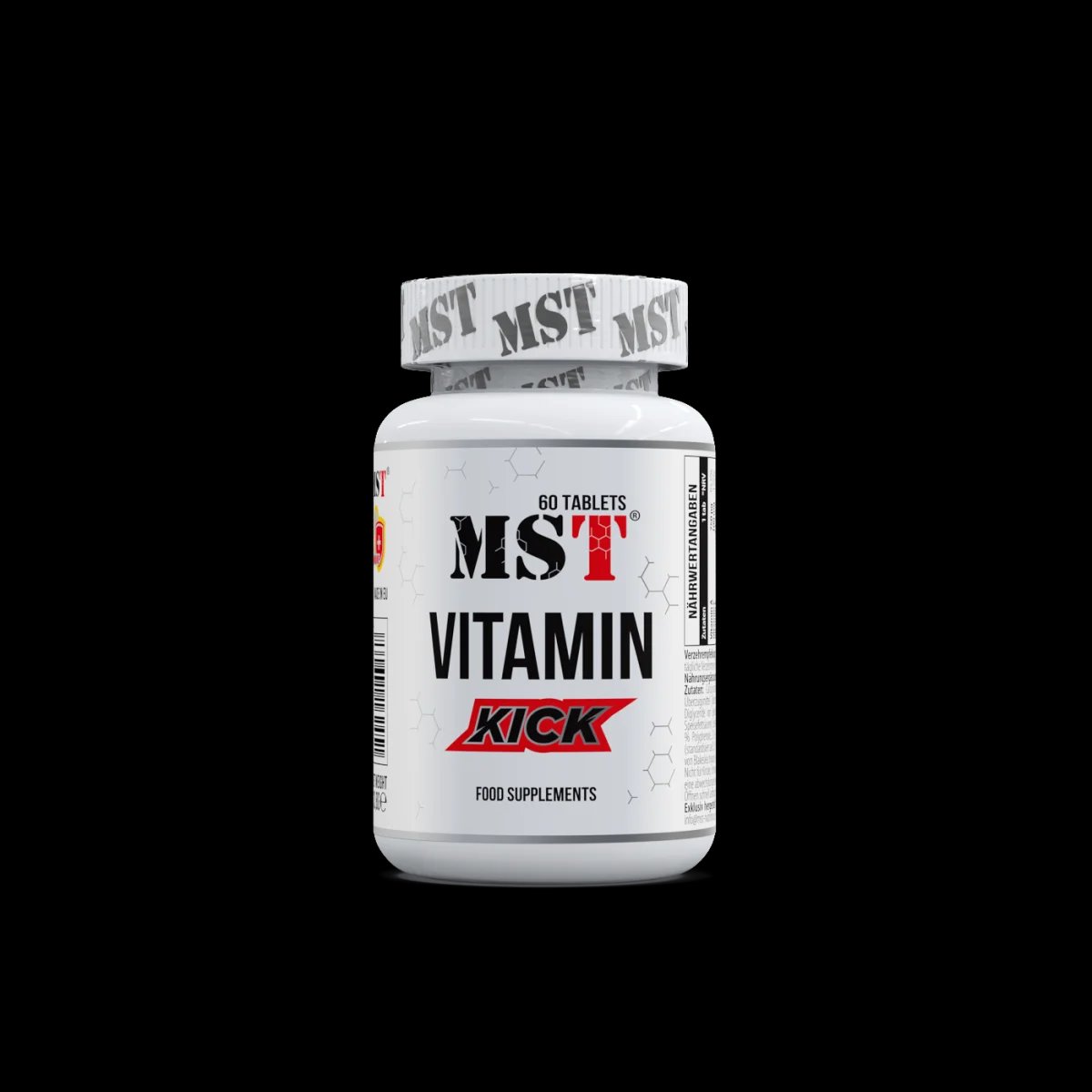
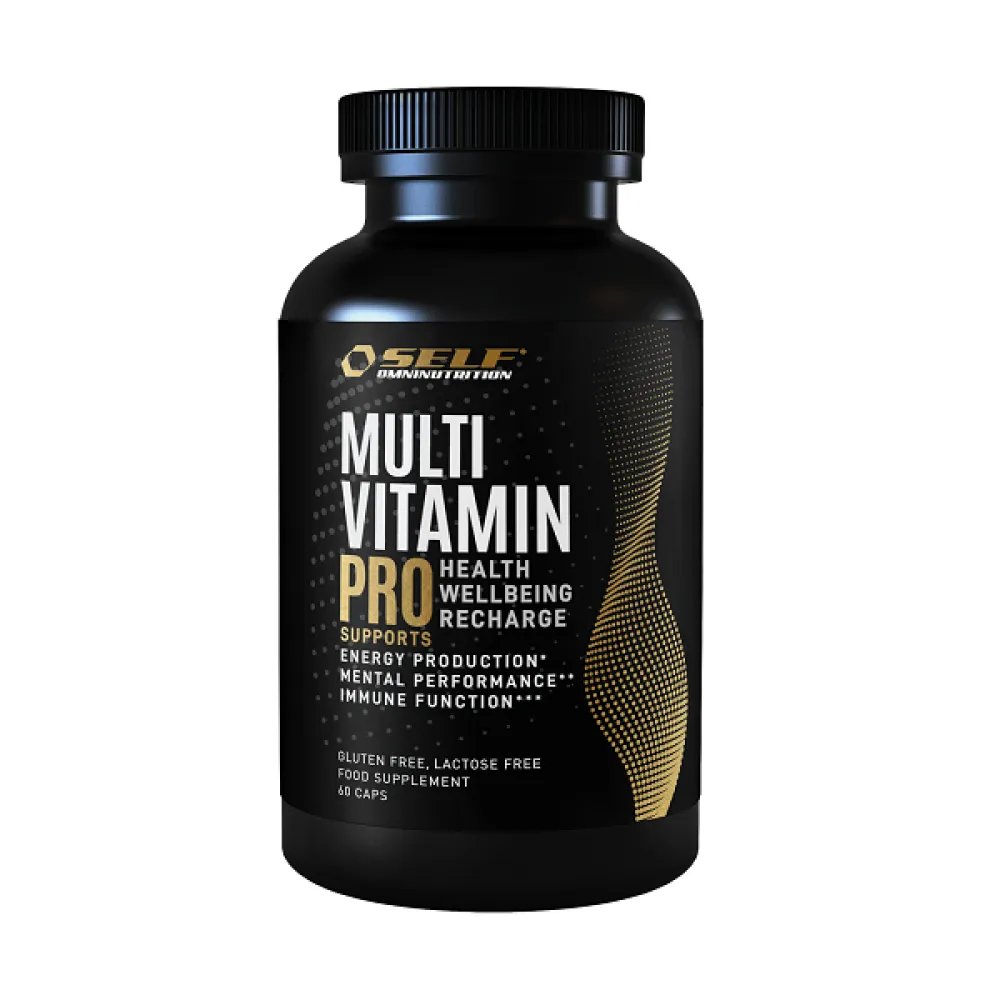
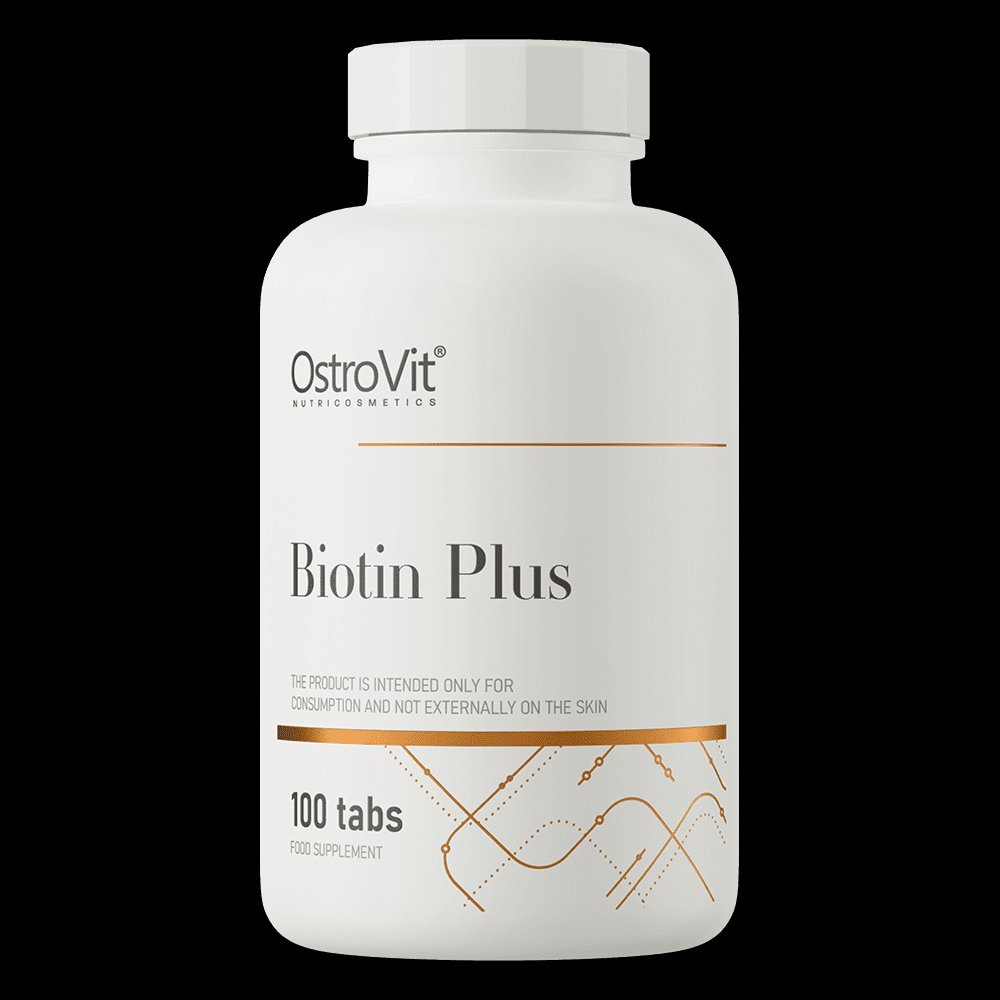

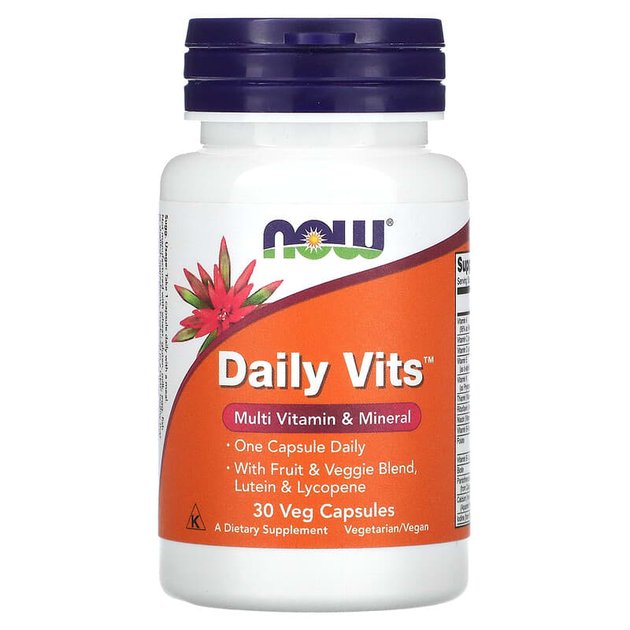

The phrase omega 3 vitamina a refers to the combination of omega-3 fatty acids with vitamin A, either in a single supplement product or as complementary components of a nutritional strategy. Vitamin A and omega-3 fatty acids are often found together in the same natural food sources, particularly fatty fish and fish liver oil. Cod liver oil, one of the most traditional nutritional supplements in Northern Europe, provides both vitamin A (as retinol) and omega-3 fatty acids (EPA and DHA) in a single product.
Beyond their co-occurrence in food, vitamin A and omega-3s share an important characteristic: both are fat-soluble. This means they are absorbed from the gut in the presence of dietary fat and stored in fatty tissues, particularly the liver. Taking fat-soluble nutrients with a meal containing fat supports their absorption.
Vitamin A: Functions and Forms
Vitamin A is an umbrella term for a group of compounds with similar biological activity, including retinol (found in animal foods), retinal (the aldehyde form used in vision), and retinoic acid (the acid form involved in gene regulation). From plant foods, the body obtains carotenoids such as beta-carotene, which it can convert to vitamin A, though conversion efficiency varies.
Vitamin A has three well-established functional roles:
Vision: Retinal is a component of rhodopsin, the photopigment in rod cells of the retina that enables vision in low-light conditions. Vitamin A deficiency is a leading cause of preventable blindness globally and is associated with night blindness at subclinical stages (Sommer, 2008).
Immune function: Vitamin A is required for maintaining the integrity of epithelial tissues (skin, gut lining, respiratory tract) that serve as physical barriers to infection. It also influences the differentiation and activity of immune cells.
Growth and development: Retinoic acid regulates gene expression involved in cell differentiation, embryonic development, and tissue maintenance.
Omega-3 and Vitamin A: Natural Partners
Omega-3 fatty acids (EPA and DHA) and vitamin A appear together in several important food sources:
- Cod liver oil: The classic source, traditionally used across Northern Europe and Scandinavia. Rich in both EPA+DHA and retinol-form vitamin A. However, cod liver oil contains high amounts of preformed vitamin A, and excessive intake can accumulate to toxic levels since vitamin A is fat-soluble and stored in the liver.
- Fatty fish: Salmon, herring, and mackerel provide good omega-3, with smaller amounts of vitamin A compared to liver-derived oils.
- Supplement combinations: Products like OstroVit Omega 3 + ADEK 90caps (available at maxfit.ee) combine omega-3 with multiple fat-soluble vitamins including vitamin A (A), D, E, and K in a single capsule, offering a convenient combined approach.
Omega B12 and Omega B6: Complementary Nutrients
Alongside fat-soluble vitamins, omega-3s are sometimes paired with B vitamins in multi-nutrient products. OstroVit Vitamin B12 Methylocobalamin 100mcg 120tabs and OstroVit Vitamin B Complex 90tabs address B-vitamin needs separately. The combination of omega-3 with B vitamins (omega b12, omega b6) reflects the co-occurrence of these nutrients in animal foods like fatty fish, which provide both omega-3 and B12.
Vitamin B12 and omega-3 share relevance for neurological function: B12 is required for myelin sheath maintenance and DHA is a structural component of neural membranes. People on plant-based diets may be low in both (Kennedy, 2016).
Omega Vitamine: The Fat-Soluble Vitamin Synergy
The concept of omega vitamine refers to combining omega-3 with fat-soluble vitamins (A, D, E, K) in one product. The rationale is practical:
- Shared absorption pathway: All fat-soluble nutrients require bile and dietary fat for absorption. Taking them together in one capsule may improve adherence to a supplement routine.
- Complementary roles: Vitamin D supports calcium metabolism and immune function; vitamin K directs calcium to bones and away from arteries; vitamin A supports immune barriers and vision; vitamin E protects polyunsaturated fats (including omega-3) from oxidation.
- Northern European context: Vitamin D, omega-3, and vitamin A (from cod liver or supplements) have all historically been part of Northern European nutritional traditions.
Vitamin A Dosage and Safety Considerations
Vitamin A differs from omega-3 and most water-soluble vitamins in that excessive intake of preformed retinol can accumulate in the liver and become toxic. The tolerable upper intake level for preformed vitamin A from supplements (retinol, not beta-carotene) has been set by European authorities, and this is important to observe if you take multiple products that include vitamin A.
Beta-carotene from plant sources (orange and red vegetables, leafy greens) does not carry the same toxicity risk, as the body regulates its conversion to vitamin A based on need. When evaluating omega 3 vitamina a combination products, check whether the vitamin A is provided as preformed retinol or as beta-carotene.
Food Sources of Vitamin A in the Nordic Diet
In Nordic and Baltic cuisine, traditional sources of vitamin A include:
- Liver (pork, beef, chicken): Very high in preformed retinol.
- Eggs: Moderate vitamin A in the yolk.
- Dairy: Butter and full-fat dairy provide retinol.
- Fatty fish: Lower vitamin A than liver but contribute retinol.
- Orange and yellow vegetables: Carrots, sweet potato, and pumpkin provide beta-carotene.
- Dark leafy greens: Spinach and kale provide beta-carotene.
Outright vitamin A deficiency is rare in Estonia and Northern Europe due to dietary diversity. However, insufficient vitamin A at subclinical levels can affect immune function and visual health. Those who avoid animal products entirely and do not eat enough carotenoid-rich vegetables may have lower vitamin A status.
Choosing Omega 3 and Vitamin A Supplements
For those who want omega-3 combined with fat-soluble vitamins, OstroVit Omega 3 + ADEK 90caps at maxfit.ee provides omega-3 alongside vitamins A, D, E, and K in one convenient daily capsule. OstroVit Omega 3 Ultra 90caps is the focused omega-3 choice for those who manage their vitamins separately.
For the full range of available omega-3 products, see the omega-3 category at maxfit.ee.
FAQ
What does omega 3 vitamina a mean on a supplement label?
On a supplement label, omega 3 vitamina a (sometimes written as vitamin A + omega-3) means the product contains both omega-3 fatty acids (typically EPA and DHA from fish oil or algae) and vitamin A (either as preformed retinol from animal sources or as beta-carotene from plant sources). Check the label to see how much of each is provided per serving and what form of vitamin A is used.
What are omega vitamines in combined supplements?
Omega vitamines typically refers to products combining omega-3 fatty acids with fat-soluble vitamins. Common combinations include ADEK (vitamins A, D, E, K with omega-3) or omega-3 with just vitamin D. These products are designed for people who want to cover both omega-3 and fat-soluble vitamin needs in one step.
Is cod liver oil a good source of omega 3 and vitamin A?
Cod liver oil is a traditional Nordic source of both omega-3 (EPA and DHA) and preformed vitamin A (retinol). It is effective, but care is needed with dosage: cod liver oil can provide high amounts of preformed vitamin A, and taking large doses alongside other vitamin A-containing supplements or a diet already rich in liver and dairy products could push intake toward the upper safe limit. Standard supplemental doses of cod liver oil are generally safe for healthy adults.
References
Sommer A. (2008). Vitamin A deficiency and clinical disease: an historical overview. Journal of Nutrition, 138(10), 1835-1839. https://pubmed.ncbi.nlm.nih.gov/18806089/
Kennedy DO. (2016). B vitamins and the brain: mechanisms, dose and efficacy -- a review. Nutrients, 8(2), 68. https://pubmed.ncbi.nlm.nih.gov/26828517/
Swanson D, Block R, Mousa SA. (2012). Omega-3 fatty acids EPA and DHA: health benefits throughout life. Advances in Nutrition, 3(1), 1-7. https://pubmed.ncbi.nlm.nih.gov/22332096/
Calder PC. (2012). Mechanisms of action of (n-3) fatty acids. Journal of Nutrition, 142(3), 592S-599S. https://pubmed.ncbi.nlm.nih.gov/22279140/