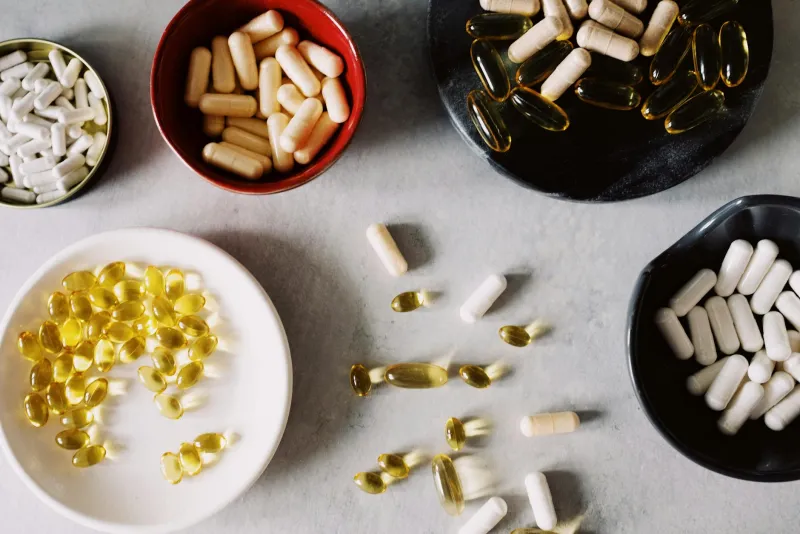
Micronutrients and the Immune System
The relationship between multivitamins and immune function is grounded in a well-established biological reality: the immune system has significant micronutrient requirements. Vitamins and minerals are not optional additions to immune biochemistry -- they are structural and functional components of it. The question worth asking is not whether micronutrients matter for immunity (they clearly do) but whether taking a multivitamin supplement makes a meaningful difference for people who are already eating reasonably well.
A thorough review of the science reveals that the immune benefits of micronutrients are most pronounced at the transition from deficiency to adequacy. Moving from insufficient intake to adequate intake produces real immune improvements. Moving from adequate to high intake produces much more modest additional effects in most individuals.
How Micronutrients Support Immune Function
The immunologically relevant micronutrients in most multivitamins include vitamins A, C, D, E, B6, B12, folate, zinc, iron, copper, and selenium. A comprehensive review confirmed that these nutrients work in concert to support immune function by maintaining epithelial barrier integrity, supporting innate immune cell activity (neutrophils, macrophages, natural killer cells), and enabling the adaptive immune response through lymphocyte development and antibody production (Gombart et al., 2020).
Vitamin A maintains the structural integrity of mucosal surfaces -- the physical barriers that prevent pathogens from entering the body. Without adequate vitamin A, mucosal membranes lose their normal architecture and their ability to secrete protective mucus and antimicrobial molecules.
Vitamin C concentrates inside immune cells at levels far above plasma concentrations, supporting their killing capacity against pathogens and reducing oxidative damage to immune cells during active infection. It also supports collagen synthesis that underpins skin and mucosal barrier integrity.
Vitamin D's role in immune regulation is bidirectional: it supports innate immune responses against bacterial pathogens while also moderating excessive inflammatory responses. Vitamin D receptors are present on nearly all immune cells, reflecting how widely this nutrient's signaling pervades immune biology.
Zinc is required for the development and function of T cells, B cells, and natural killer cells. Selenium supports antioxidant defense systems within immune cells, particularly through glutathione peroxidase enzymes.
Infection and Illness Evidence
For multivitamin supplementation specifically, evidence from clinical trials in generally healthy adults is modest but positive in certain sub-groups. In elderly individuals and others at risk of micronutrient deficiency, multivitamin supplementation has been associated with fewer infection episodes and improved vaccine responses -- outcomes consistent with restoring adequate micronutrient status.
For specific nutrient combinations, targeted evidence exists. A combination of high-dose vitamin C and zinc was associated with significantly greater reductions in cold symptoms -- particularly runny nose and sore throat -- compared to either nutrient alone, in a randomized clinical trial (Maggini et al., 2012). This suggests that the combined micronutrient approach, as found in a multivitamin plus additional targeted supplementation, may offer advantages over single-nutrient strategies.
In well-nourished healthy adults without deficiencies, the evidence for multivitamin supplementation reducing infection rates or severity is weaker. The immune system, when adequately supported by diet, does not show dramatic further improvements from supplemental micronutrients at standard doses.
Who Benefits Most?
Multivitamin supplementation for immune support is most likely to produce meaningful results in several populations.
Elderly individuals often have reduced dietary intake, impaired absorption, and increased nutrient requirements relative to younger adults -- making micronutrient deficiency more common and multivitamin supplementation more likely to make a functional difference.
Athletes with high training loads have increased micronutrient turnover, potentially depleting vitamins and minerals faster than diet replenishes them. The open immune window following intense exercise may be partially mediated by micronutrient status, making supplementation during heavy training blocks a reasonable strategy.
People with restricted diets -- whether through food allergies, vegan eating patterns, caloric restriction, or limited food variety -- may not consume adequate amounts of all immunologically relevant micronutrients through diet alone. A broad-spectrum multivitamin fills the coverage gap rather than relying on a perfectly planned diet.
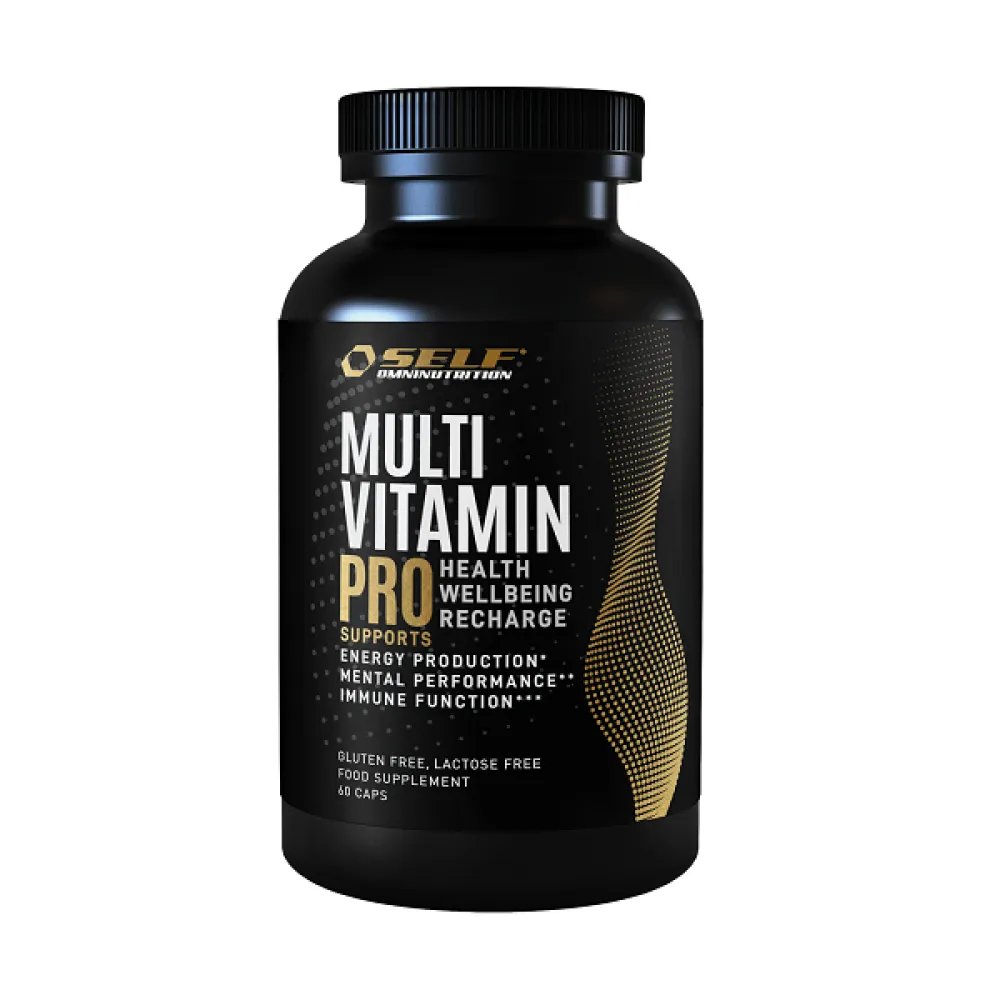
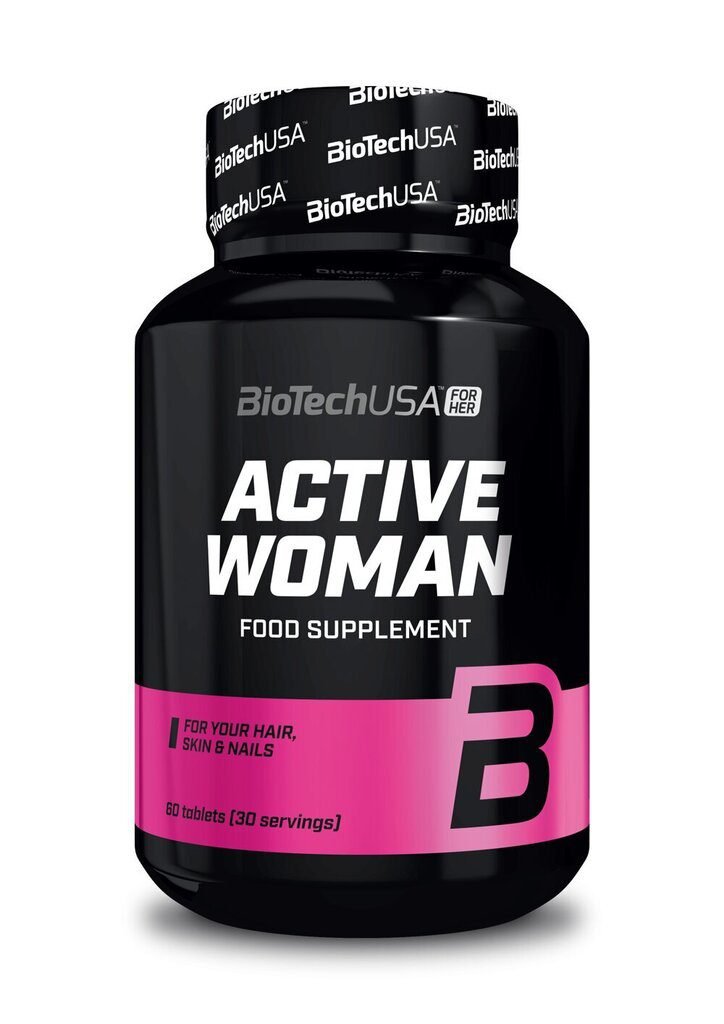
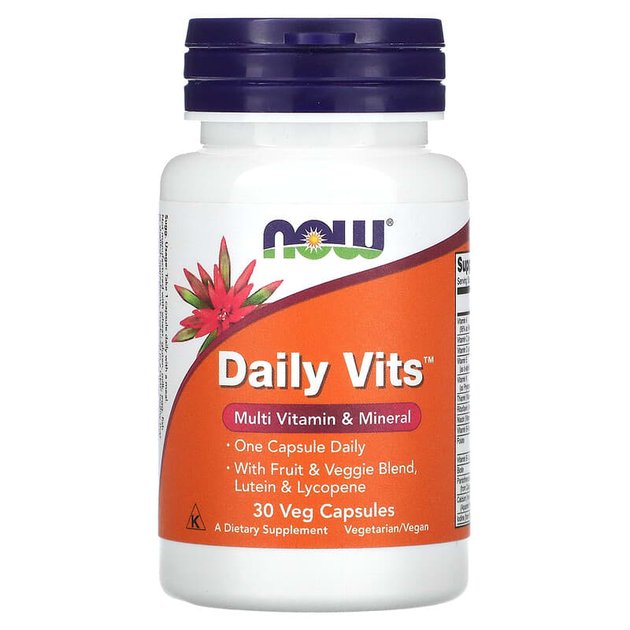
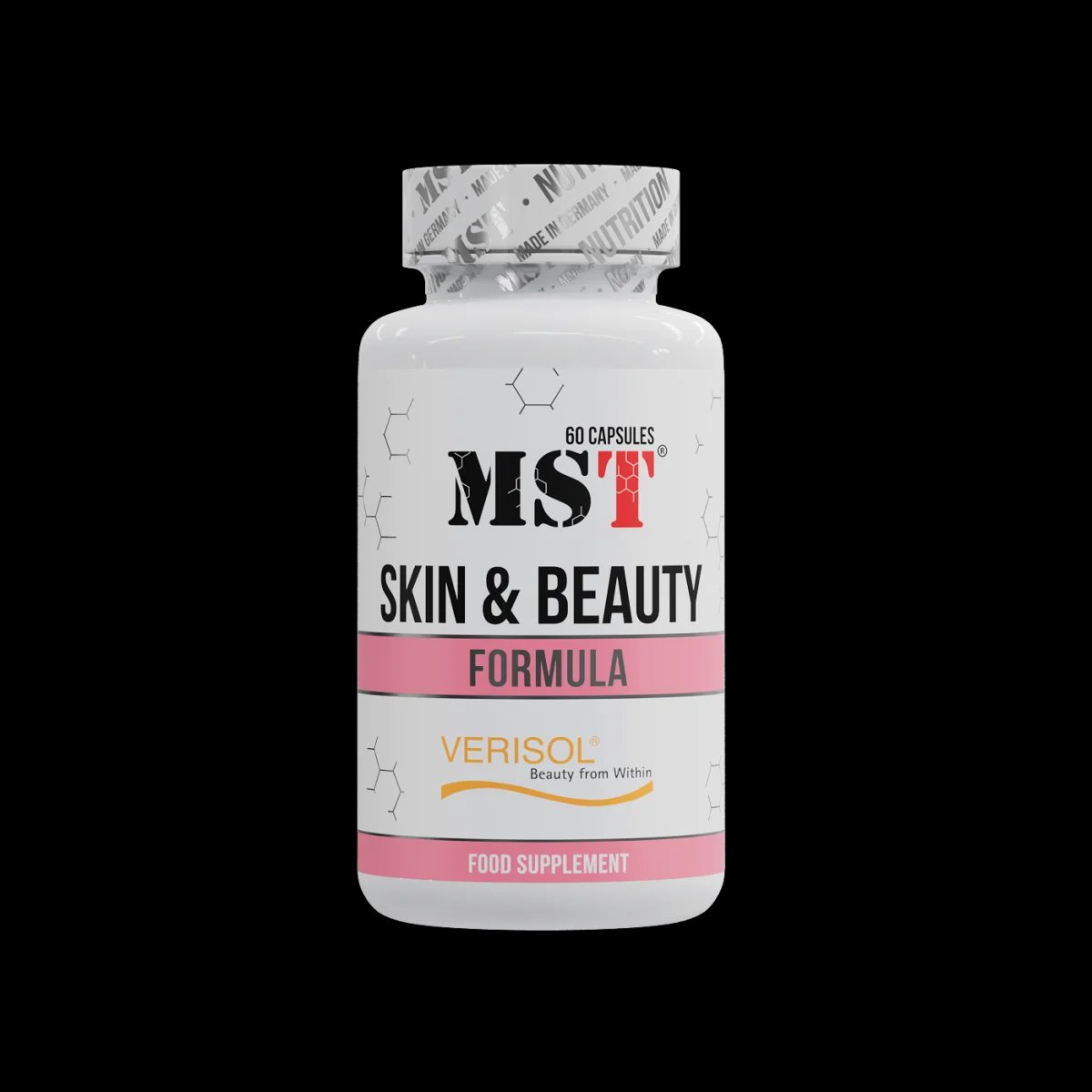
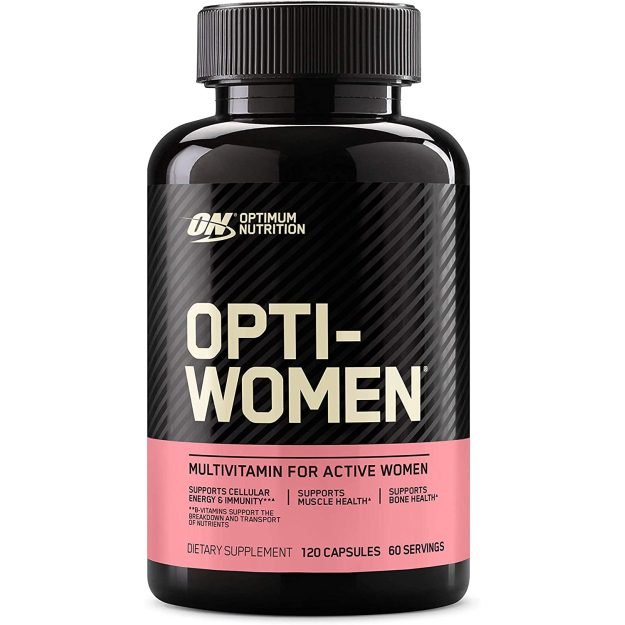
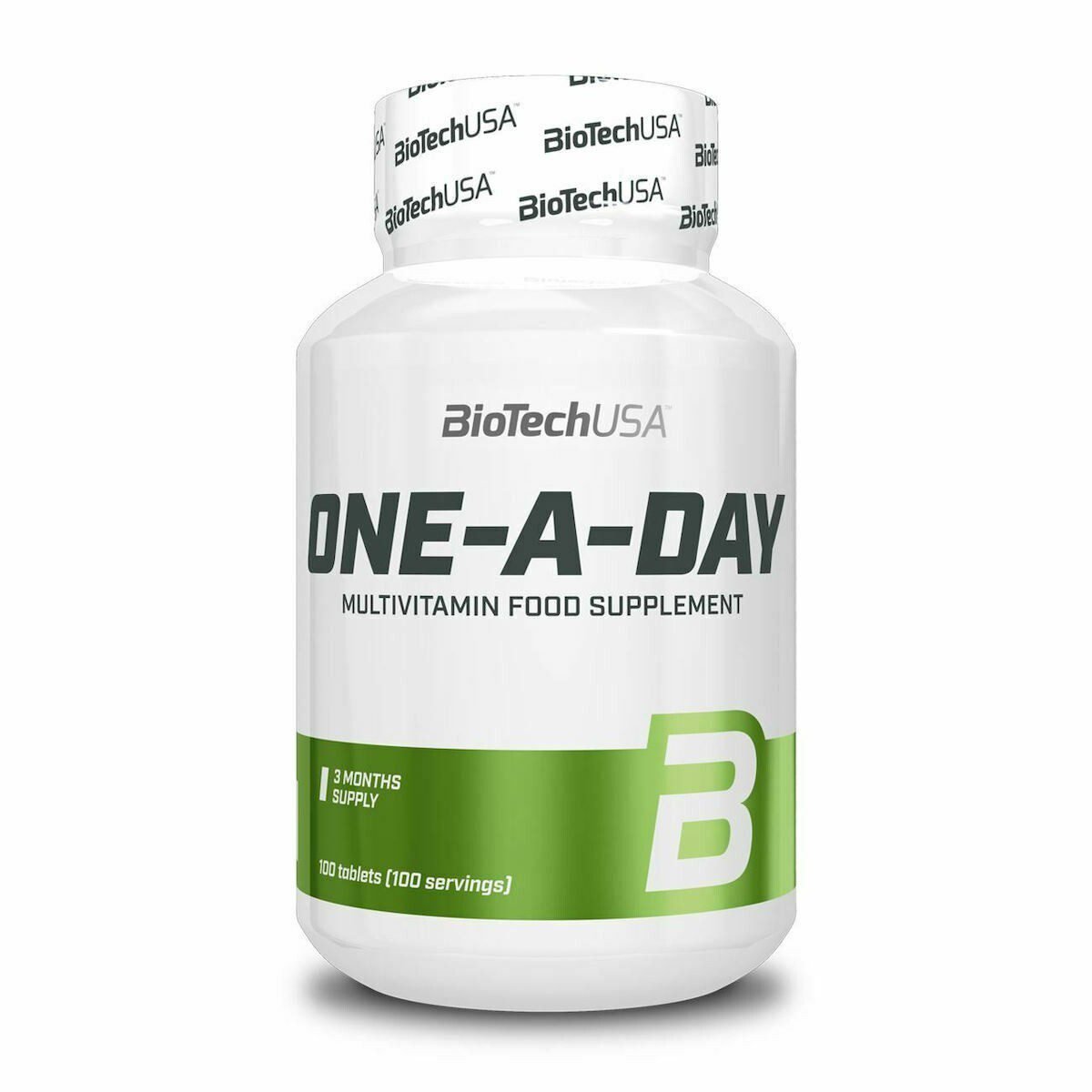
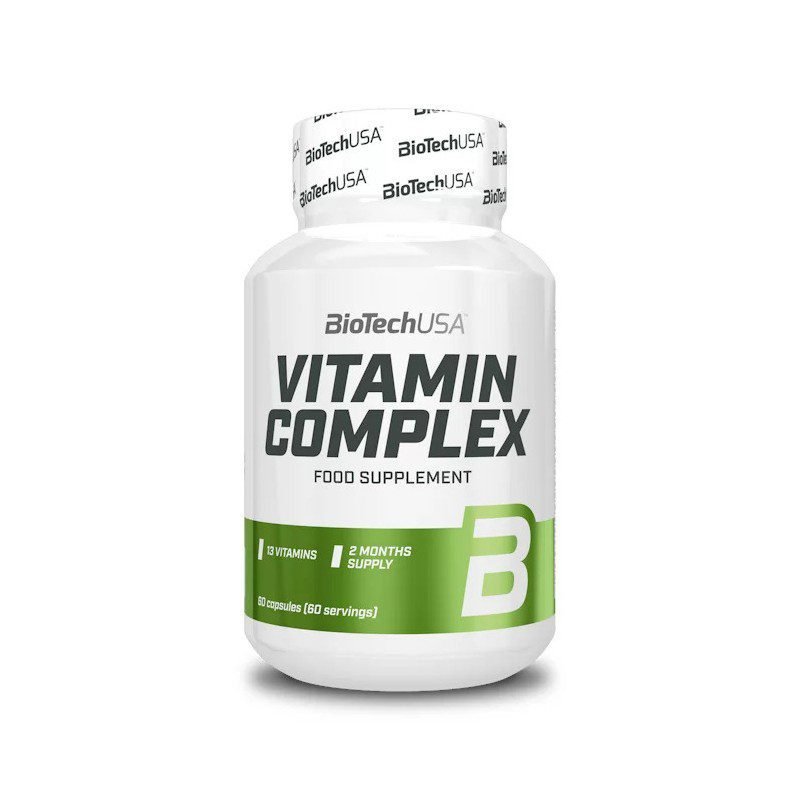
Products like SELF Multivitamin 60caps, BIOTECHUSA One a Day 100tab, and Optimum Nutrition Opti-Women 120tabs provide convenient coverage of the core micronutrient spectrum and are available in the multivitamiinid-vitamiinikompleksid category at maxfit.ee.
Dose and Safety
Most standard multivitamins are formulated at doses close to Recommended Daily Allowances or slightly above. These doses are generally safe for long-term use and appropriate for correcting or preventing mild deficiencies.
High-dose single-nutrient supplements carry more risk. Fat-soluble vitamins A and E accumulate in the body and can reach toxic levels at very high supplemental doses, unlike water-soluble vitamins that are excreted more readily. Standard multivitamin formulas are designed to stay well within safe limits across all their components.
For iron, the story is more nuanced: many people in active athletic populations, particularly women with heavy menstrual cycles, do benefit from iron-containing multivitamins. However, iron supplementation when not needed can be pro-oxidant and counterproductive. Multivitamins with and without iron exist for this reason, and the choice should reflect individual iron status.
Honest Verdict
Multivitamins are one of the better-substantiated supplement categories for immune support, precisely because their mechanism -- correcting micronutrient shortfalls -- is directly aligned with known immune requirements. The evidence is strongest for deficiency correction and in higher-risk populations (elderly, restricted dieters, high-volume athletes).
For genuinely well-nourished people eating diverse, balanced diets, a multivitamin still provides a practical insurance policy against gaps that even good diets can leave -- particularly for nutrients like vitamin D and zinc where dietary adequacy is harder to guarantee. The immune contribution of a standard multivitamin is not dramatic for this group, but it is real and low-risk.
Think of a multivitamin not as an immune booster but as an immune foundation -- one that ensures the system has all its building blocks available when needed.
FAQ
Can multivitamins prevent colds?
Shop this category — in stock now
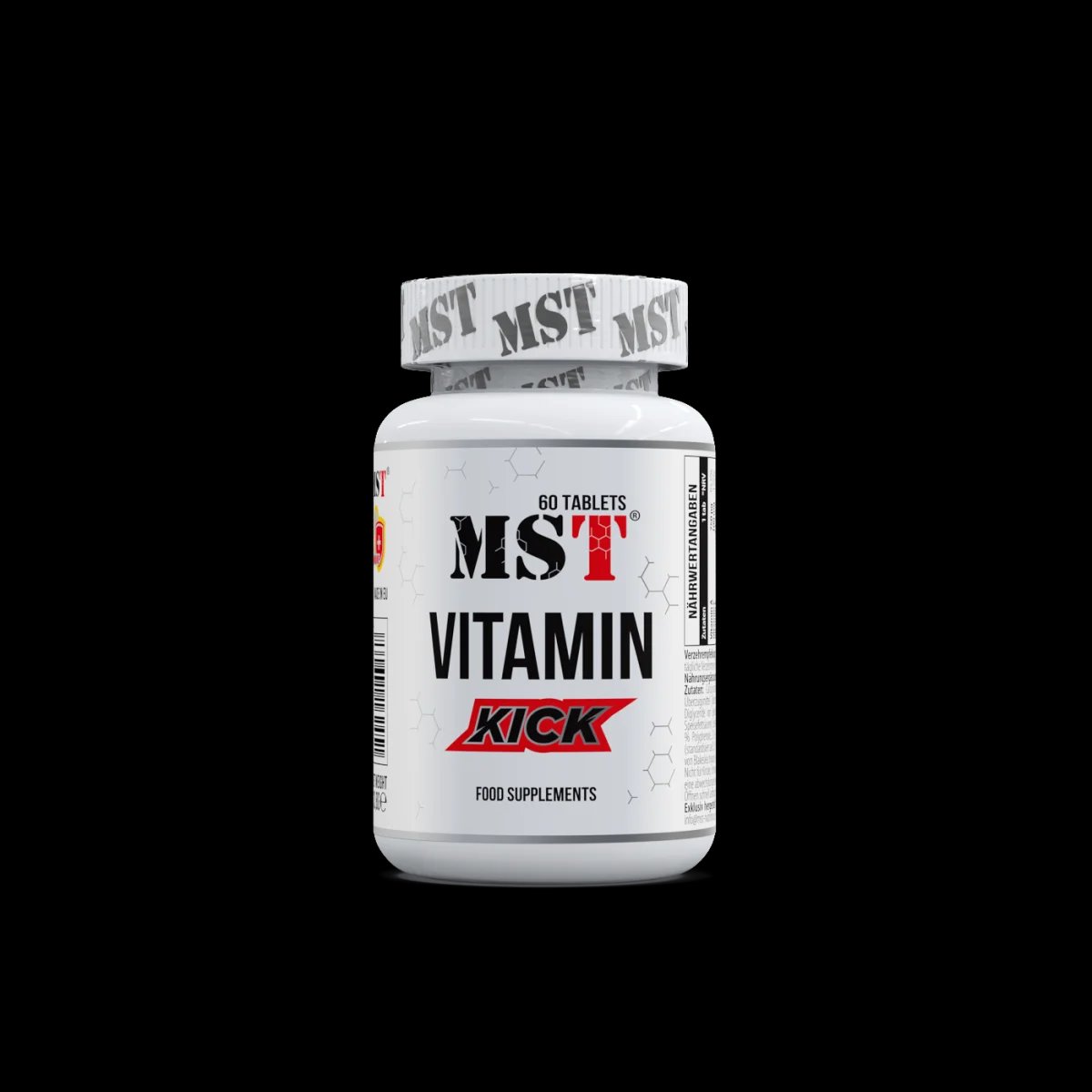
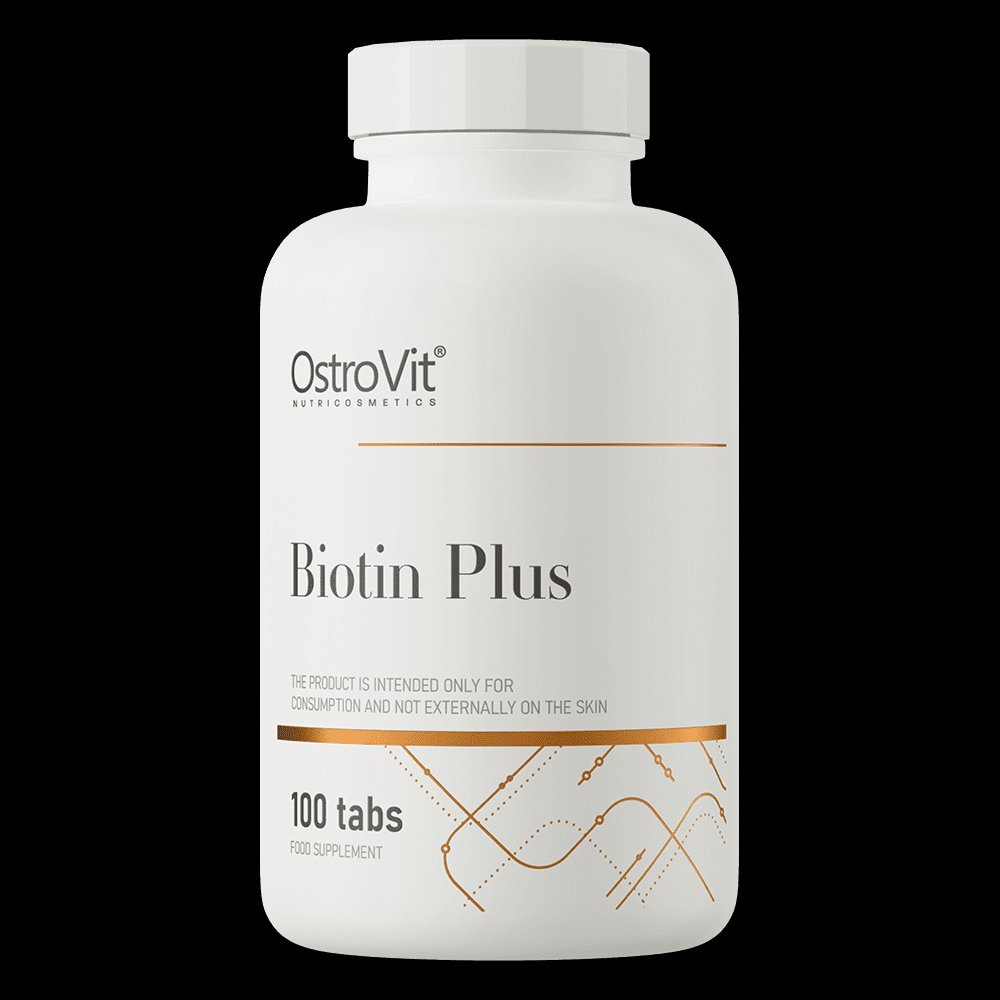
No supplement, including multivitamins, has been shown to reliably prevent the common cold in well-nourished healthy adults. Some micronutrients within a multivitamin -- particularly vitamin C and zinc -- have evidence supporting modest reductions in cold duration and severity, but prevention is a higher bar that current evidence does not meet.
Is it better to take separate vitamins or a multivitamin?
For general immune support, a comprehensive multivitamin covering the full spectrum of immunologically relevant nutrients is convenient and avoids the risk of overshooting any single nutrient. Separate supplements make more sense when a specific, confirmed deficiency requires correction at a dose higher than what a multivitamin provides -- for example, vitamin D deficiency often requires doses beyond what most multivitamins supply.
How long do I need to take a multivitamin before seeing immune benefits?
The timeline depends on starting micronutrient status. People who are significantly deficient in one or more nutrients may notice immune and wellbeing improvements within weeks of correction. For people starting near adequacy, the effect is preventive rather than curative -- you are maintaining immune competence rather than rapidly improving it from a low baseline.
References
Gombart, A. F., Pierre, A., & Maggini, S. (2020). A review of micronutrients and the immune system -- working in harmony to reduce the risk of infection. Nutrients, 12(1), 236. https://pubmed.ncbi.nlm.nih.gov/31963293/
Maggini, S., Beveridge, S., & Suter, M. (2012). A combination of high-dose vitamin C plus zinc for the common cold. Journal of International Medical Research, 40(1), 28-42. https://pubmed.ncbi.nlm.nih.gov/22429343/