How Fiber and Immunity Are Connected
Dietary fiber is perhaps the most underappreciated nutrient in the context of immune health. While vitamins C and D receive most of the attention for immune support, the mechanistic connection between fiber intake and immune function is extraordinarily well-documented in modern nutritional science.
The connection operates primarily through the gut microbiota. When soluble and fermentable dietary fibers reach the large intestine, they are fermented by resident bacteria into short-chain fatty acids (SCFAs), principally butyrate, propionate, and acetate. These metabolites are not merely byproducts of fermentation — they are active signaling molecules that profoundly influence immune cell populations, inflammatory tone, and barrier function throughout the body.
Approximately 70 percent of the body's immune cells reside in or around the gastrointestinal tract. The gut-associated lymphoid tissue (GALT) is the largest immune organ in the body, and its function is intimately shaped by the microbial ecosystem that dietary fiber sustains.
The Gut-Immune Axis: Mechanisms
Koh and colleagues (2016) published a landmark review in Cell detailing how dietary fiber-derived SCFAs signal from the gut to the host's immune and metabolic systems. Butyrate in particular acts as a primary energy source for colonocytes, maintains gut barrier integrity, and promotes the differentiation of regulatory T cells (Tregs) — specialized immune cells that suppress excessive inflammatory responses and maintain immune tolerance (Koh et al., 2016).
Propionate signals through G-protein coupled receptors on innate immune cells, modulating neutrophil and dendritic cell responses. Acetate has been shown to influence systemic immune regulation and may reduce susceptibility to infection by enhancing mucosal IgA production. Together, SCFAs create an environment in the colon and beyond that biases the immune system toward measured, proportionate responses rather than chronic inflammation or inappropriate reactivity.
Trompette and colleagues (2014) demonstrated in animal models that high dietary fiber intake promoted hematopoietic changes — the production of more anti-inflammatory innate immune cell populations — and reduced allergic airway inflammation, providing experimental evidence that fiber's effects on immunity extend well beyond the gut barrier (Trompette et al., 2014).
Evidence from Human Studies
Dahl, Rivero Mendoza, and Lambert (2020) reviewed the extensive literature linking dietary fiber to microbiome composition and downstream immune parameters, concluding that fiber type, dose, and fermentability all matter for specific immune outcomes (Dahl et al., 2020). Prebiotic fibers such as inulin and fructooligosaccharides consistently increase populations of Bifidobacterium and Lactobacillus, genera well-established as immune-supportive through multiple mechanisms.
Several human intervention trials using specific prebiotic fibers have demonstrated measurable improvements in secretory IgA output (a mucosal immune defense marker), natural killer cell activity, and responses to vaccination. The effects are strongest in populations with initially low fiber intake, reflecting the well-documented phenomenon that microbiome-dependent benefits plateau once diversity and SCFA production reach sufficient levels.
Epidemiological data consistently show that populations with higher dietary fiber intakes have lower rates of inflammatory conditions, including those where immune dysregulation plays a central role. While epidemiology cannot establish causation, these associations align closely with the mechanistic evidence from intervention trials.
Who Benefits Most
People with low dietary fiber intake gain the most from fiber supplementation. Surveys in Western Europe and North America consistently find that average fiber consumption falls well short of the recommended range, meaning most adults have room to improve.
Athletes on high-protein diets that crowd out carbohydrate-rich plant foods may have particularly reduced fiber intake and, consequently, reduced microbiome diversity. This matters for immune resilience because heavy training temporarily suppresses immune function, and a fiber-supported microbiome may help offset some of that training-induced immune suppression.
Older adults experience age-related decline in microbiome diversity that is associated with reduced immune competence. Targeted prebiotic fiber supplementation in this group has shown measurable improvements in immune markers in some trials.
Dose and Safety
Public health guidelines generally recommend 25 to 30 grams of dietary fiber per day from diverse food sources. For supplemental fiber specifically, the dose that has been studied in human immune trials varies considerably by fiber type: inulin and fructooligosaccharide studies have typically used 5 to 20 grams per day, while psyllium husk trials for metabolic and gut health have used 10 to 15 grams per day.
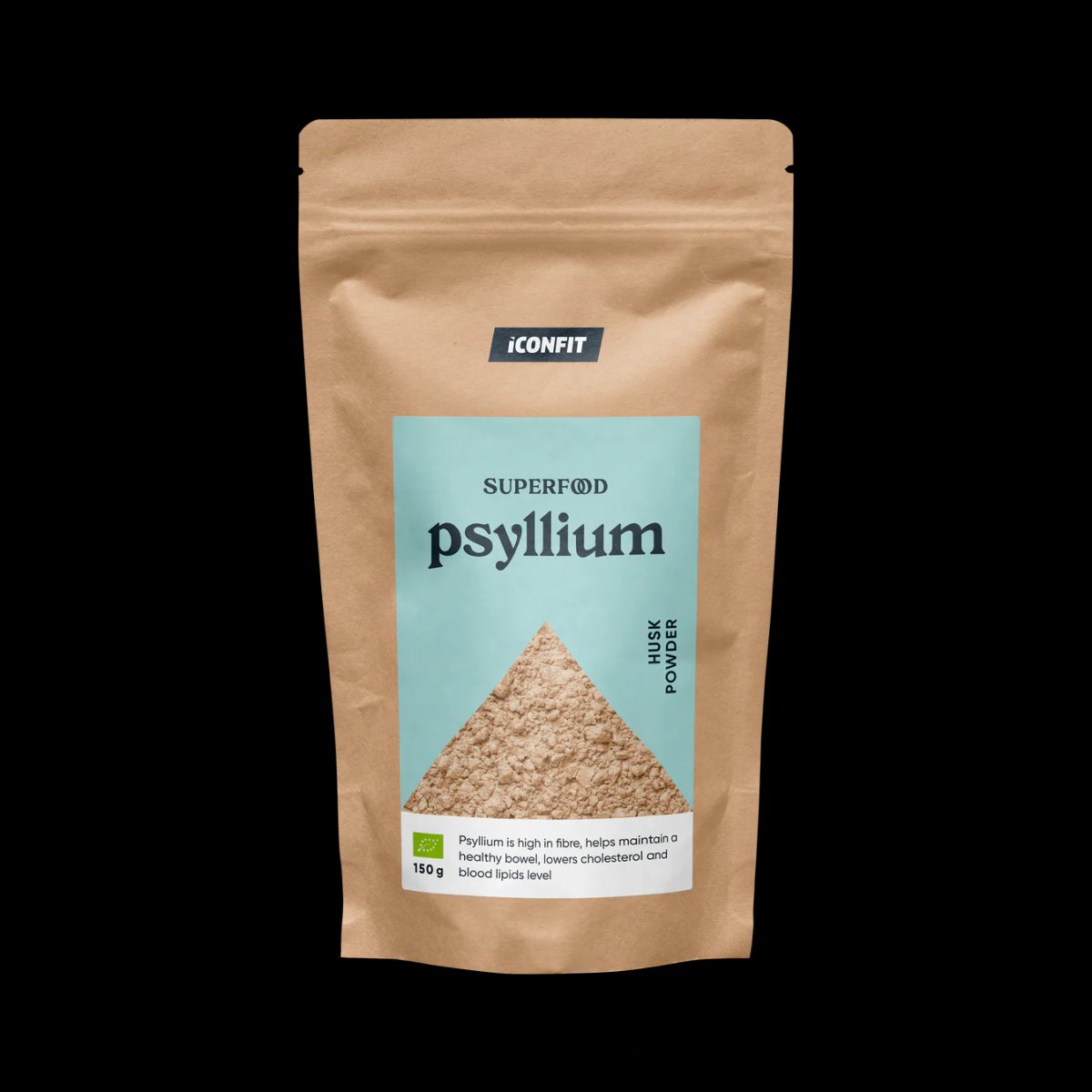
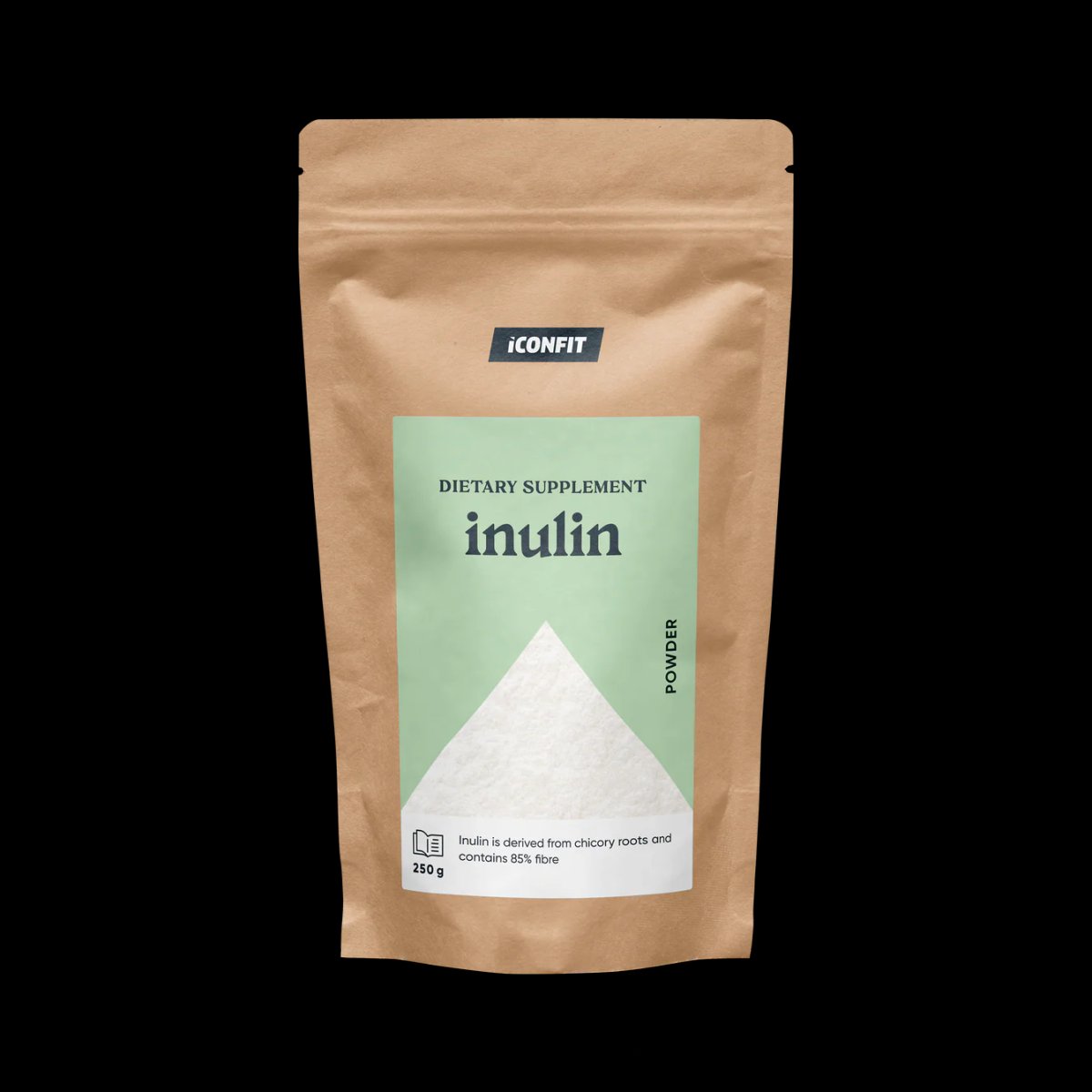
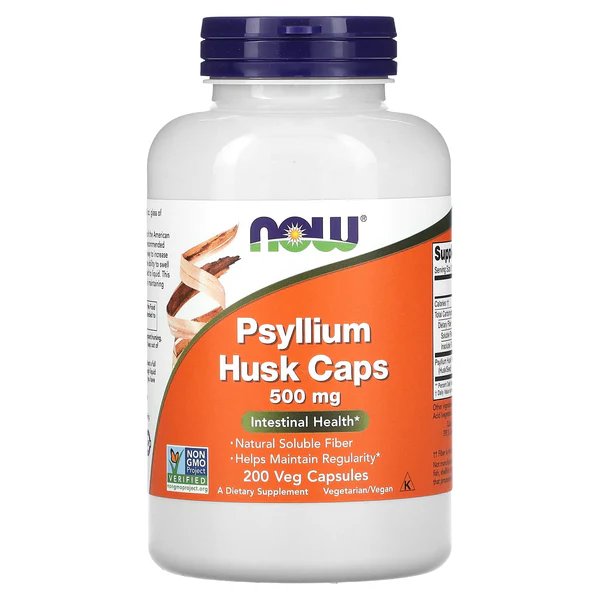
Products available at maxfit.ee include ICONFIT Superfoods Organic Psyllium Husk Powder 150g, ICONFIT Superfoods Inulin Powder 250g, and NOW Psyllium Husk 500mg 200 veg caps, offering two complementary types of supplemental fiber — psyllium for viscous gel-forming bulk effects and inulin as a prebiotic for targeted microbiome support.
Fiber intake should be increased gradually to allow the microbiome time to adapt. Rapid increases in fermentable fiber can cause temporary bloating, flatulence, or cramping as bacteria populations adjust. Adequate hydration (at least 1.5 to 2 liters of water daily) is important when supplementing with fiber, particularly psyllium, which absorbs substantial water in the gut.
Fiber Type Matters
Shop this category — in stock now
Not all dietary fiber affects the immune system equally. Fermentable, soluble fibers such as inulin, beta-glucan, pectin, and arabinoxylan are the most active substrates for SCFA production and microbiome diversification. Non-fermentable fibers like cellulose contribute to stool bulk and transit time but do not drive the same SCFA-mediated immune effects.
Psyllium husk is a partially fermentable soluble fiber that forms a viscous gel, which slows digestion, modulates the gut environment, and supports healthy cholesterol and blood sugar regulation alongside its prebiotic effects. Inulin is a purely prebiotic fructan that strongly promotes Bifidobacterium growth and SCFA production.
For immune support specifically, prebiotic fibers that selectively feed beneficial bacterial genera are the most directly relevant, and inulin is among the most studied for this purpose.
Honest Verdict
Dietary fiber is one of the best-supported nutritional interventions for long-term immune health. The mechanism — fiber feeding beneficial bacteria, which produce SCFAs, which regulate immune cells — is extraordinarily well-characterized from molecular biology through to human clinical trials. The evidence for direct infection reduction is still developing, but the mechanistic and epidemiological case for fiber as an immune-supportive dietary component is compelling.
For anyone regularly consuming less fiber than recommended — which includes most people on Western diets — increasing intake through both food and targeted supplements available at maxfit.ee represents one of the highest-impact, lowest-risk dietary changes they can make for long-term health and immune resilience.
References
Koh, A., De Vadder, F., Kovatcheva-Datchary, P., & Backhed, F. (2016). From dietary fiber to host physiology: short-chain fatty acids as key bacterial metabolites. Cell, 165(6), 1332-1345. https://pubmed.ncbi.nlm.nih.gov/27259147/
Trompette, A., Gollwitzer, E.S., Yadava, K., Sichelstiel, A.K., Sprenger, N., Ngom-Bru, C., Blanchard, C., Junt, T., Nicod, L.P., Harris, N.L., & Marsland, B.J. (2014). Gut microbiota metabolism of dietary fiber influences allergic airway disease and hematopoiesis. Nature Medicine, 20(2), 159-166. https://pubmed.ncbi.nlm.nih.gov/24390308/
Dahl, W.J., Rivero Mendoza, D., & Lambert, J.M. (2020). Diet, nutrients and the microbiome. Progress in Molecular Biology and Translational Science, 171, 237-263. https://pubmed.ncbi.nlm.nih.gov/32475524/
FAQ
How does dietary fiber support immune function?
Fiber is fermented by gut bacteria into short-chain fatty acids (butyrate, propionate, acetate), which regulate immune cell populations, maintain gut barrier integrity, and reduce chronic inflammatory tone. A fiber-fed microbiome supports proportionate immune responses and helps prevent the chronic low-grade inflammation associated with immune dysfunction.
Which type of fiber is best for immune support?
Fermentable, prebiotic fibers such as inulin and fructooligosaccharides are the most directly relevant for SCFA production and microbiome diversification. Psyllium husk provides complementary benefits through its gel-forming and gut-conditioning effects. Both types work well together and are available as supplements at maxfit.ee.
How quickly does increasing fiber intake improve immune markers?
Human intervention studies typically observe changes in microbiome composition within one to four weeks of consistent fiber supplementation. Changes in downstream immune markers such as secretory IgA or T cell populations may take several weeks to months to become measurable. Long-term consistent intake produces the most durable immune benefits.