Choline and Immune Support: An Evidence Review
Choline is an essential nutrient that most people have heard of only in the context of liver health or pregnancy nutrition. Yet choline plays several roles relevant to immune function -- from building the membranes that surround every immune cell to participating in pathways that regulate inflammatory signalling. This article reviews those mechanisms, what the research shows, who is most likely to benefit from choline supplementation for immune purposes, and what the honest limitations of the current evidence are.
How Choline Supports Immune Function
Choline's contributions to immunity operate through several distinct but interconnected mechanisms.
Cell membrane integrity. Every cell in the body -- including T lymphocytes, B cells, macrophages, and natural killer cells -- depends on an intact phospholipid bilayer membrane. Phosphatidylcholine is the single most abundant phospholipid in mammalian cell membranes (Zeisel & da Costa, 2009). Adequate choline supply ensures that newly proliferating immune cells can form and maintain their membranes properly. When immune cells are activated and begin rapid division in response to infection, choline demand for membrane construction increases sharply.
The cholinergic anti-inflammatory pathway. Acetylcholine, synthesised directly from choline, activates nicotinic acetylcholine receptors (alpha-7 nAChR) on macrophages. This activation suppresses the release of pro-inflammatory cytokines -- including TNF-alpha, IL-1, and IL-6 -- through inhibition of the NF-kB signalling pathway. This reflex arc, sometimes called the inflammatory reflex, provides a physiological brake on excessive inflammatory responses. Animal and in vitro studies have confirmed this mechanism, though clinical trial data in humans are limited.
Betaine and one-carbon metabolism. Choline is converted to betaine, which serves as a methyl donor in one-carbon metabolism. This pathway is intertwined with folate and vitamin B12 metabolism and supports DNA synthesis and repair -- processes that are central to the rapid cell division of activated immune cells. Adequate methyl group supply is essential for immune cell proliferation.
Sphingomyelin synthesis. Choline is a component of sphingomyelin, a sphingolipid that is particularly abundant in lymphocyte membranes and plays a role in signal transduction within immune cells.
What the Research Shows
Direct randomised trials of choline supplementation for immune outcomes in healthy people are limited. The available evidence is primarily observational and mechanistic.
A large cross-sectional study of adults found that higher dietary choline and betaine intakes were associated with lower concentrations of several inflammatory markers, including CRP, TNF-alpha, and IL-6 (Detopoulou et al., 2008). This association held after adjustment for confounders including total caloric intake, physical activity, and smoking status. While observational, the finding is biologically coherent given choline's role in the cholinergic anti-inflammatory pathway.
A comprehensive review of choline's functions across the life cycle confirmed that choline deficiency produces defective immune responses in animal models, including impaired lymphocyte proliferation and reduced antibody production (Zeisel & da Costa, 2009). Human data on immune deficits specifically from isolated choline deficiency are sparse, partly because frank deficiency in otherwise healthy adults is uncommon on mixed diets.
The honest assessment: the immune-relevant biology of choline is well established at the mechanistic level. Clinical evidence specifically demonstrating improved immune outcomes from choline supplementation in healthy humans is not yet robust. The strongest case for choline and immunity rests on deficiency prevention rather than pharmacological supplementation.
Who Benefits Most
Those most likely to see immune-relevant benefit from choline:
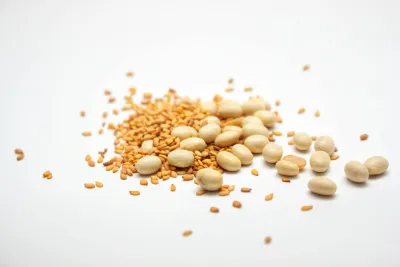
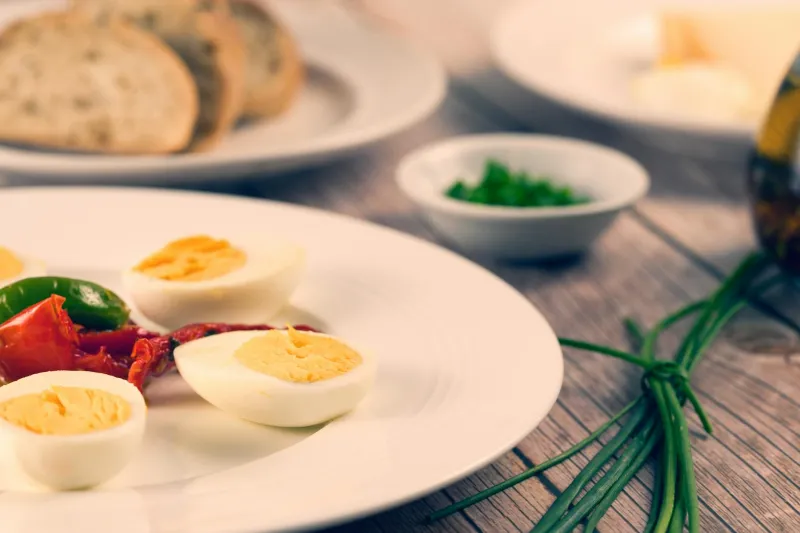
- Vegans and strict vegetarians. Eggs are the dominant dietary source of choline, providing around 147 mg per large egg. People who avoid eggs, liver, and fatty meat are at greatest risk of inadequate choline intake and may benefit from supplementing or choosing choline-rich plant foods (soybeans, peanuts, cruciferous vegetables).
- People with genetic variants affecting choline metabolism. Single-nucleotide polymorphisms (SNPs) in genes including PEMT, BHMT, and MTHFR affect how efficiently the body synthesises or converts choline. Women with certain PEMT variants have substantially higher dietary choline requirements, for instance.
- Pregnant women. Choline requirements increase significantly during pregnancy. Inadequate choline intake during pregnancy is associated with altered fetal immune programming, making maternal choline status relevant to both maternal and offspring immune health.
- People with liver conditions. Choline is essential for hepatic VLDL assembly. Choline deficiency directly causes non-alcoholic fatty liver disease in experimental models, and liver inflammation has downstream effects on systemic immune tone.
Dose and Supplementation
The European Food Safety Authority sets the adequate intake for choline at 400 mg per day for adults. Higher amounts are established for pregnancy (480 mg) and lactation (520 mg). Most supplements deliver choline as choline bitartrate, choline chloride, or as phosphatidylcholine (from lecithin).
OstroVit Liver Aid 90caps contains choline alongside other liver-supportive nutrients and is available at maxfit.ee. OstroVit Choline 200g Naturaalne delivers choline as a standalone supplement in powder form. Both are options for people looking to ensure adequate daily choline intake.
Very high choline intakes -- above the established tolerable upper intake level of 3500 mg per day for adults -- can produce a fishy body odour due to excess trimethylamine production, as well as nausea and hypotension. Standard supplement doses (250-500 mg per day) are well within the safe range.
For more options, explore the choline supplement range at maxfit.ee.
Honest Verdict
Choline is an essential nutrient with well-established roles in immune cell membrane integrity and a mechanistically credible connection to anti-inflammatory signalling. Dietary deficiency is associated with impaired immune responses in experimental models and with higher inflammatory markers in observational studies.
For people eating a varied diet that includes eggs, the practical relevance of additional choline for immune function is modest. For those who avoid eggs and animal products, ensuring adequate choline intake through supplements is a reasonable precaution with good evidence for biological plausibility.
Choline is not an immune stimulant and will not noticeably sharpen your immune response in the short term. Its value is in maintaining the nutritional baseline that allows immune cells to function normally.
FAQ
Does choline directly boost immunity?
Not in an acute, stimulant sense. Choline maintains the conditions that allow immune cells to function normally -- healthy cell membranes, adequate methyl donors for DNA replication, and activation of anti-inflammatory acetylcholine signalling. These effects are most relevant in preventing deficiency-related impairment rather than enhancing immune function above baseline.
What foods are highest in choline?
Eggs (particularly the yolk), beef liver, chicken liver, fish (especially salmon and cod), beef, and soybeans are the richest sources. Among plant foods, soybeans, peanuts, and cruciferous vegetables like broccoli and Brussels sprouts are meaningful contributors. Low-fat, plant-based diets that exclude eggs typically deliver much less choline than omnivorous diets.
Can I take choline with other immune supplements?
Yes. Choline complements other micronutrients involved in immune function including zinc, vitamin D, and selenium. There are no known adverse interactions between choline and these nutrients. Combining them addresses different aspects of immune support rather than duplicating the same mechanism.
References
Zeisel SH, da Costa KA. (2009). Choline: an essential nutrient for public health. Nutr Rev, 67(11), 615-623. https://pubmed.ncbi.nlm.nih.gov/19906248/
Detopoulou P, Panagiotakos DB, Antonopoulou S, Pitsavos C, Stefanadis C. (2008). Dietary choline and betaine intakes in relation to concentrations of inflammatory markers in healthy adults: the ATTICA study. Am J Clin Nutr, 87(2), 424-430. https://pubmed.ncbi.nlm.nih.gov/18258634/