


Choline — Supplement for Brain & Cognitive Function
2 products · 2 in stock · €11.45–€14.60 · Estonia 1–3 business days, free from €50.00
1–3 day delivery
Free shipping in Estonia from €50
Secure payment


Useful Articles


What is choline and why is it important for brain health?
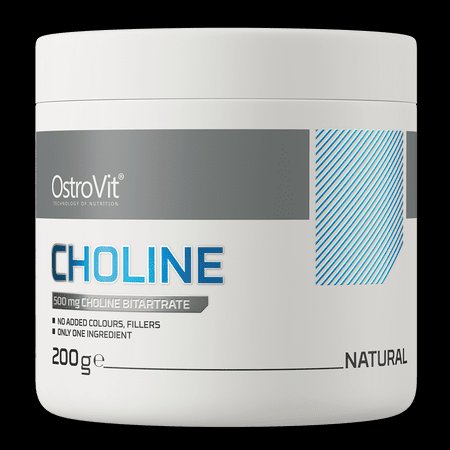
Choline is an essential nutrient required for acetylcholine (neurotransmitter) production, cell membrane building, and liver health. Although the body produces small amounts of choline, this does not cover the body's needs, so it must be obtained from food or supplements. Choline deficiency is common, especially in people who consume few eggs and liver — the best food sources.
Frequently asked questions about choline
Choline is the precursor to acetylcholine — a neurotransmitter responsible for memory, learning, and muscle control. Adequate choline intake supports memory, concentration, and mental clarity. Studies show choline is especially important for brain development during pregnancy and cognitive function maintenance in older adults.
Men are recommended 550 mg and women 425 mg of choline per day. Pregnant women need more — 450-930 mg per day. The most common supplement forms are alpha-GPC (higher brain bioavailability) and citicoline (CDP-choline). Eggs are the primary food source (1 egg provides about 147 mg of choline).
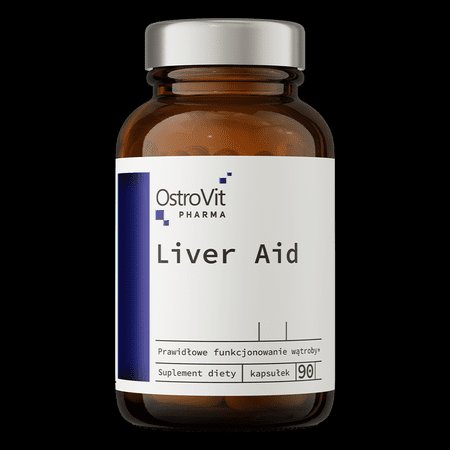
Yes, choline is essential for liver health as it participates in transporting fats out of the liver. Choline deficiency causes fat accumulation in the liver (fatty liver), even in people who do not consume alcohol. Adequate choline intake helps prevent non-alcoholic fatty liver disease and supports the liver's detoxifying function.
Alpha-GPC contains a higher choline percentage (40% vs 18%) and is a better brain-targeted choline source. Citicoline (CDP-choline) also provides cytidine in addition to choline, supporting neuronal energy production. Athletes prefer alpha-GPC for strength and reaction time, while citicoline is better suited for cognitive support.