


Lecithin — Supplement for Brain & Liver Health
2 products · 1 in stock · €18.80–€35.60 · Estonia 1–3 business days, free from €50.00
1–3 day delivery
Free shipping in Estonia from €50
Secure payment


Useful Articles


What is lecithin and why is it important for the body?
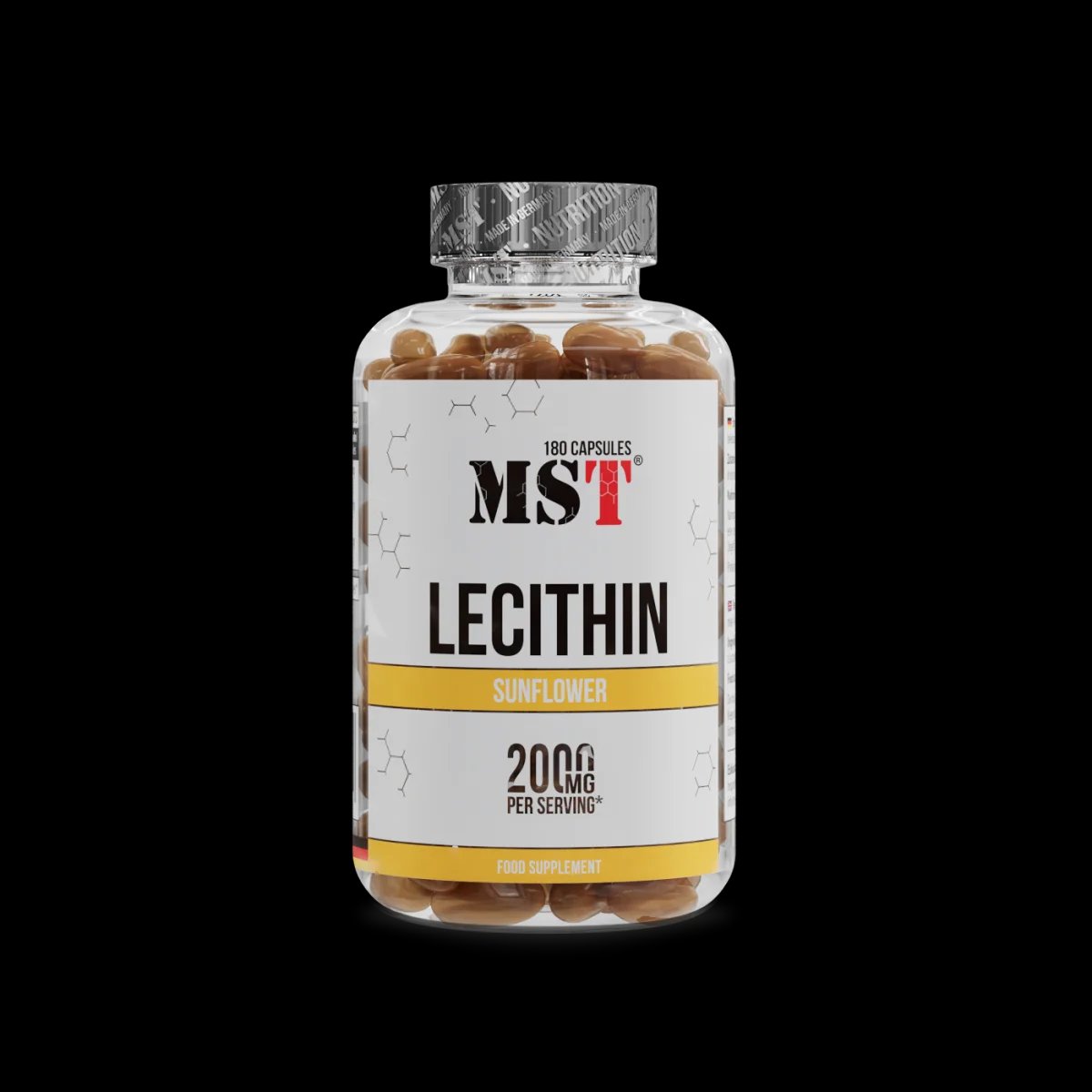
Lecithin is a mixture of phospholipids found naturally in egg yolks, soybeans, and sunflower seeds. It is a primary building block of cell membranes and an important source of choline — a nutrient the body needs for proper brain, liver, and nervous system function. Lecithin supplements are produced mainly as soy or sunflower lecithin — the latter is also suitable for those with soy allergies.
Frequently asked questions about lecithin
Lecithin's main benefit is providing choline, which supports brain cognitive function, liver fat metabolism, and nervous system health. The phospholipids in lecithin help maintain cell membrane integrity. Lecithin also helps balance cholesterol levels by supporting a decrease in LDL cholesterol and an increase in HDL cholesterol.
Both forms provide similar phospholipids and choline. Sunflower lecithin is the preferred choice for those with soy allergies or sensitivities and is always GMO-free. Soy lecithin is cheaper and more widely available. In terms of nutrient content, the differences are minimal — the choice depends mainly on allergy restrictions and personal preferences.
A typical lecithin dosage is 1,200-2,400 mg per day, divided into 1-2 doses taken with food. The adequate daily choline intake is 550 mg for men and 425 mg for women. Lecithin is well tolerated with side effects being rare, though very large doses may cause gastrointestinal discomfort.