


NAC
6 products · 3 in stock · €8.30–€14.60 · from €0.07/serving · Estonia 1–3 business days, free from €50.00
1–3 day delivery
Free shipping in Estonia from €50
Secure payment


Useful Articles


What is NAC and how does it protect the body?
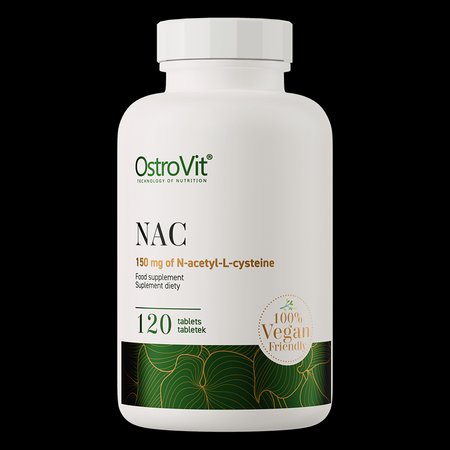
NAC (N-acetylcysteine) is a stable form of the amino acid L-cysteine, which is the primary precursor of the body's most powerful antioxidant, glutathione. Glutathione protects cells from toxins, free radicals, and oxidative stress. NAC has been used in medicine for decades as an antidote for acetaminophen overdose and as a respiratory mucus thinner. As a supplement, NAC supports liver detoxification, immune function, and mental health.
Frequently asked questions about NAC
NAC is primarily used to raise glutathione levels, support the liver, and strengthen antioxidant defense. It helps thin respiratory mucus, supports the immune system, and has shown positive effects on mental health in studies — including alleviating obsessive-compulsive disorder and anxiety. NAC also protects the liver from the burden of alcohol and medications.
A typical NAC dose is 600-1,800 mg per day, divided into 1-3 doses. For general antioxidant support, 600 mg per day is sufficient. For liver support and respiratory health, 1,200-1,800 mg per day is recommended. NAC is better taken on an empty stomach, as absorption may decrease when taken with food.
NAC is often more effective than oral glutathione because glutathione largely breaks down in the digestive tract before absorption. NAC absorbs well, and the body uses it to produce glutathione in cells where it is most needed. Liposomal glutathione has better absorption, but NAC is more affordable and additionally provides direct antioxidant properties.
NAC is generally well tolerated. The most common side effects are gastrointestinal symptoms — nausea, bloating, and diarrhea, especially at higher doses. NAC can thin mucus, which in some cases may temporarily worsen cough. Asthma sufferers should be cautious, as NAC may rarely cause bronchospasm.