Fat Burners for Weight Management: A Science-Based Review
Fat burners are among the most heavily marketed product categories in sports nutrition, promising to accelerate metabolism, increase fat oxidation, and support fat burners weight management goals. The category is broad and heterogeneous: it includes stimulant-based thermogenics, carnitine products, green tea extracts, fibre-based appetite suppressants, and multi-ingredient blends. This article evaluates the evidence for the key active ingredients found across these products.
The honest framework: no fat burner supplement replaces a sustained caloric deficit. What some ingredients can do is provide modest, incremental support for the thermogenic and oxidative processes that contribute to fat loss -- and the size of that contribution matters when setting expectations.
Proposed Mechanisms: How Fat Burners Are Supposed to Work
Fat burner ingredients target several distinct physiological pathways:
Thermogenics (caffeine, green tea catechins, synephrine, capsaicin) increase heat production and resting energy expenditure. Caffeine activates the sympathetic nervous system, promoting lipolysis and elevating metabolic rate. Green tea catechins, particularly epigallocatechin gallate (EGCG), appear to inhibit catechol-O-methyltransferase (COMT), the enzyme that breaks down norepinephrine, thereby prolonging its lipolytic signal.
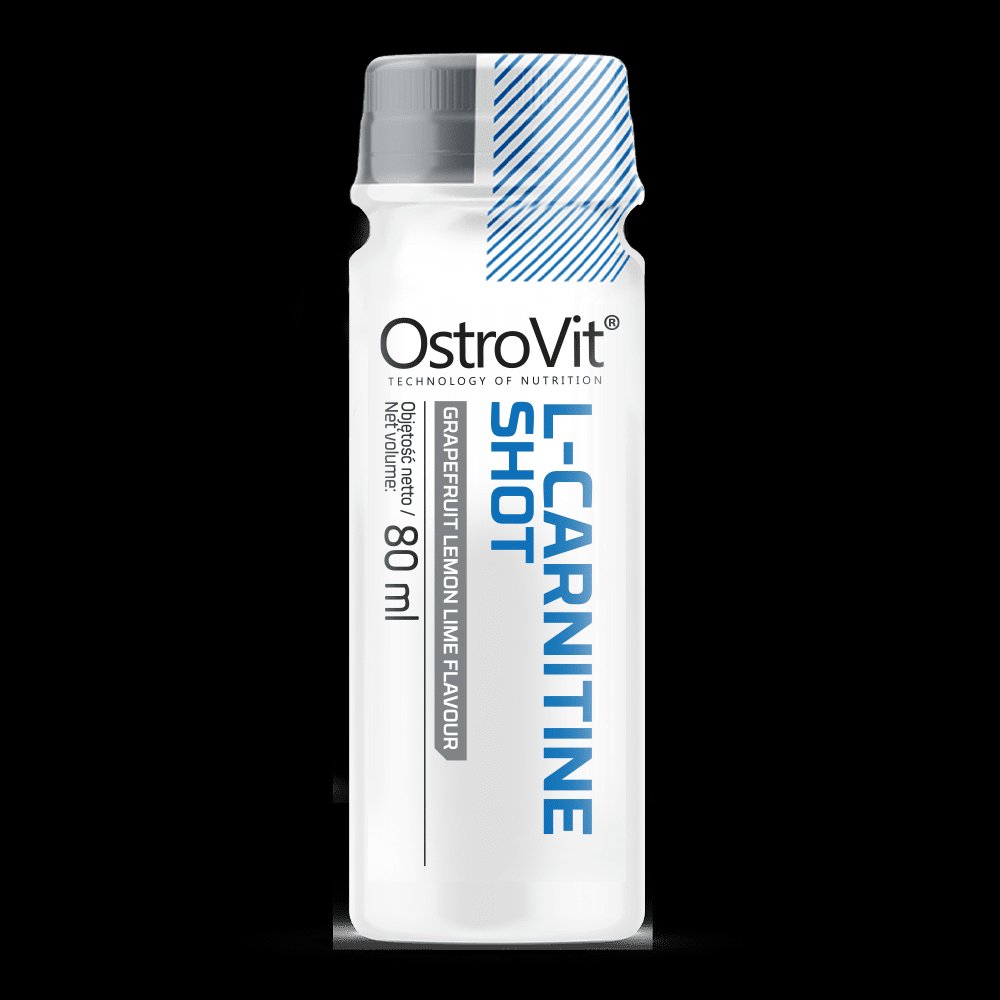
Fat transport agents (L-carnitine) support the transport of long-chain fatty acids into mitochondria for oxidation. Without sufficient carnitine, fats cannot be fully metabolized for energy. However, in most healthy adults, carnitine synthesis is sufficient for this function.
Appetite modulators (fibre, certain plant extracts) reduce caloric intake by promoting satiety, slowing gastric emptying, or reducing postprandial blood glucose spikes.
What the Evidence Actually Shows
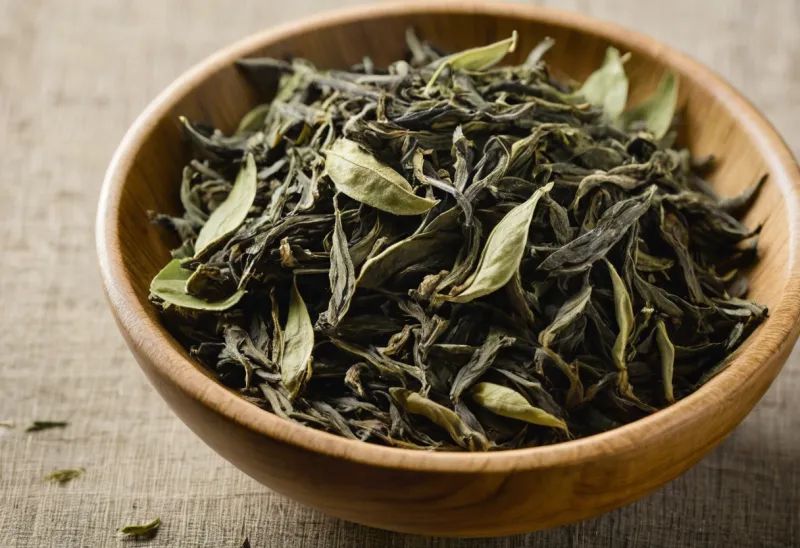
Green tea catechins with caffeine have the most consistent evidence base among common fat burner ingredients. A meta-analysis of randomized controlled trials found that green tea preparations resulted in small but statistically significant reductions in body weight and waist circumference (Hursel et al., 2009). The effect was more pronounced when caffeine was included, suggesting a synergistic thermogenic effect. The mechanistic basis is well-established: Dulloo et al. (2000) demonstrated that green tea extract increased 24-hour energy expenditure and fat oxidation in controlled respiration chamber studies.
L-carnitine has been studied specifically for weight management in a meta-analysis of 37 randomized controlled trials, which found a statistically significant though modest reduction in body weight with L-carnitine supplementation (Pooyandjoo et al., 2016). The effect was larger in older adults and those who were overweight, and in populations where baseline carnitine levels were more likely to be limiting.
Stimulant-based thermogenics including caffeine and synephrine produce real, measurable increases in energy expenditure. However, tolerance develops with regular use, and the magnitude of effect diminishes over time. Westerterp-Plantenga et al. (2005) found that habitual caffeine use attenuated the thermogenic response, suggesting that these benefits are most meaningful for non-habitual users or in cycling protocols.
Effect Sizes: What to Realistically Expect
Across the evidence base, the effect sizes for fat burner ingredients are modest when used without dietary restriction. Green tea meta-analyses typically show weight loss differences of around 0.5 to 1.5 kg over trial durations of several weeks to months compared to placebo. L-carnitine meta-analyses show similar magnitude effects. These are real effects, but they are not transformative on their own.
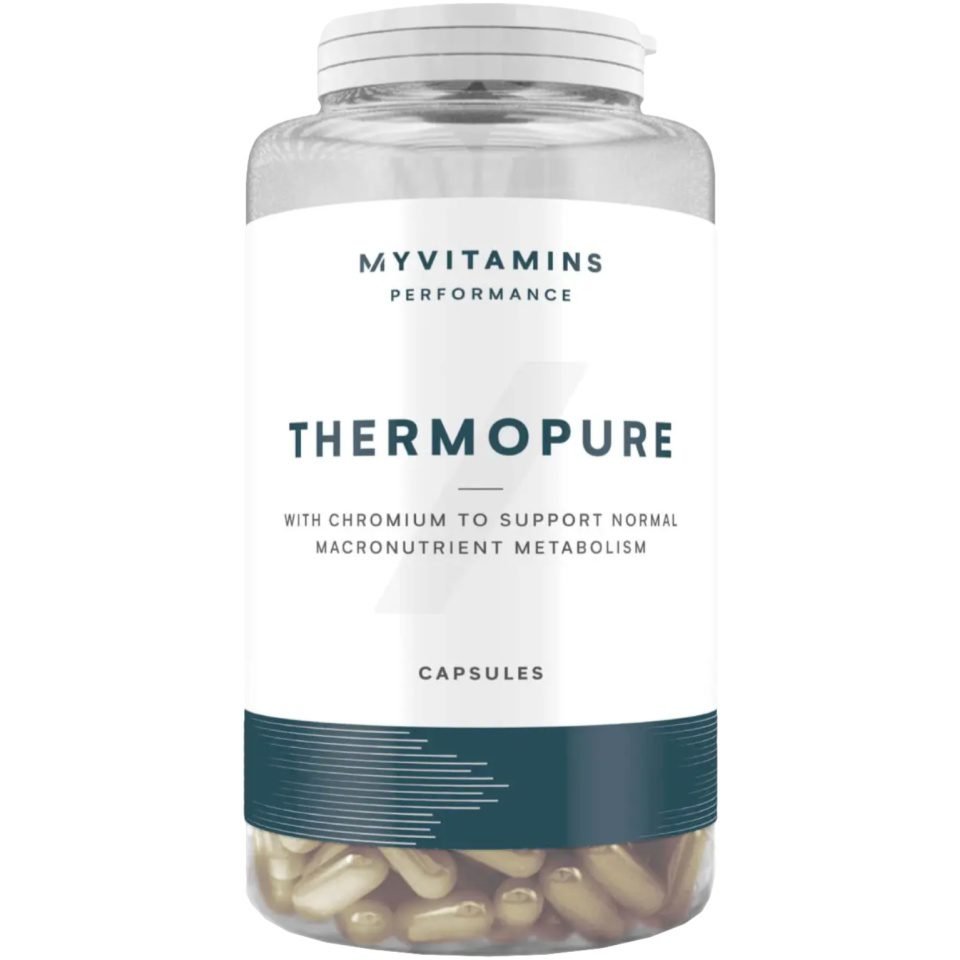
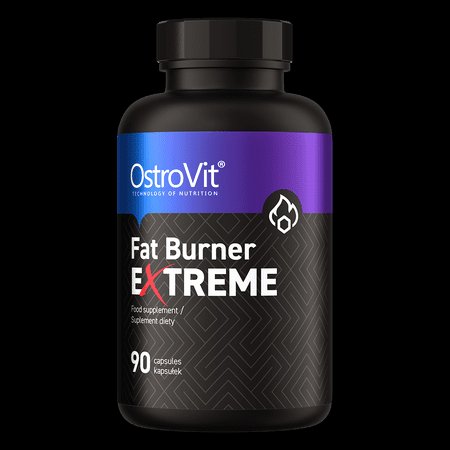
The ingredient combinations in multi-formula fat burners (such as MyProtein Thermopure 180caps and OstroVit Fat Burner eXtreme 90caps from maxfit.ee) aim to stack modest effects from multiple pathways -- thermogenesis, fat transport, and appetite -- for an additive total benefit.
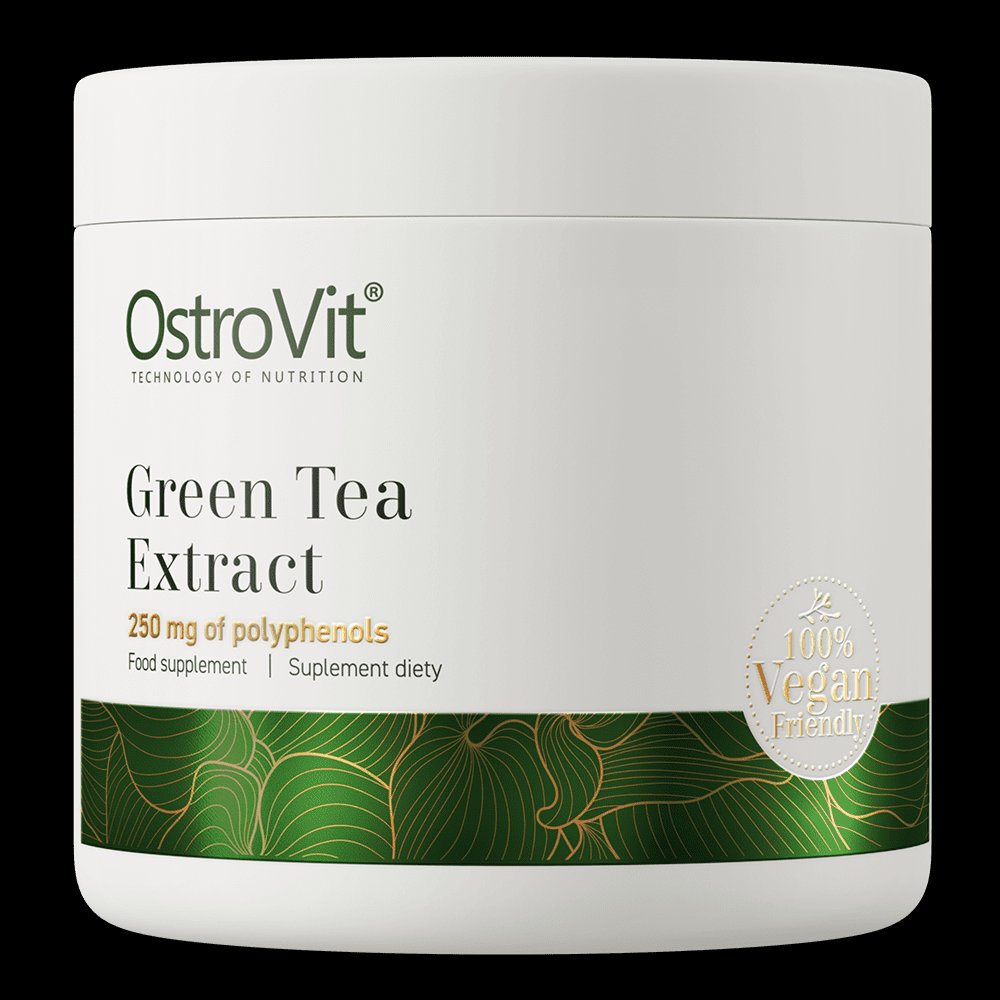
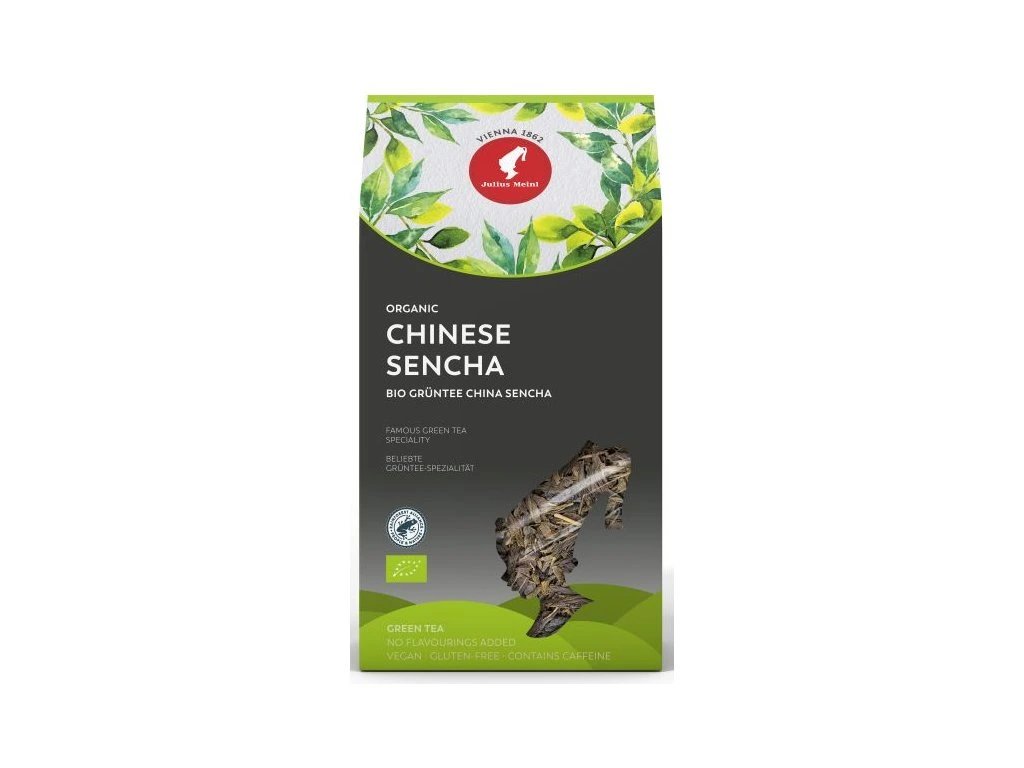
Single-ingredient products like 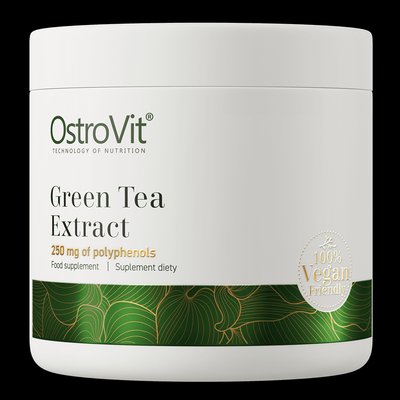 OstroVit Green Tea Extract€10.90 In stock 100g provide standardized dosing of one well-evidenced compound. For those managing calories and looking for supplementary metabolic support, green tea extract is among the better-evidenced options at reasonable doses.
Realistic Expectations and Limitations
Fat burner supplements work best as additions to -- not substitutions for -- a structured diet and training programme. In the absence of a caloric deficit, the modest thermogenic and fat oxidation benefits they provide are insufficient to produce meaningful weight change. This is not a failure of the supplement; it is a reflection of physiological reality.
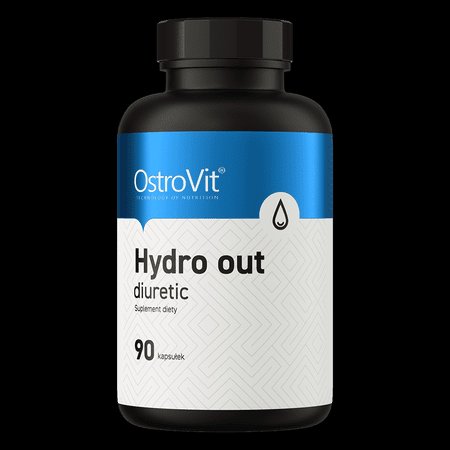
The stimulant side effects of many fat burner products (insomnia, elevated heart rate, anxiety) also limit their appropriate use. Many products are contraindicated for individuals with cardiovascular conditions, anxiety disorders, or those sensitive to stimulants. Stimulant-free options focus on carnitine, green tea, and fibre for those who cannot tolerate caffeine.
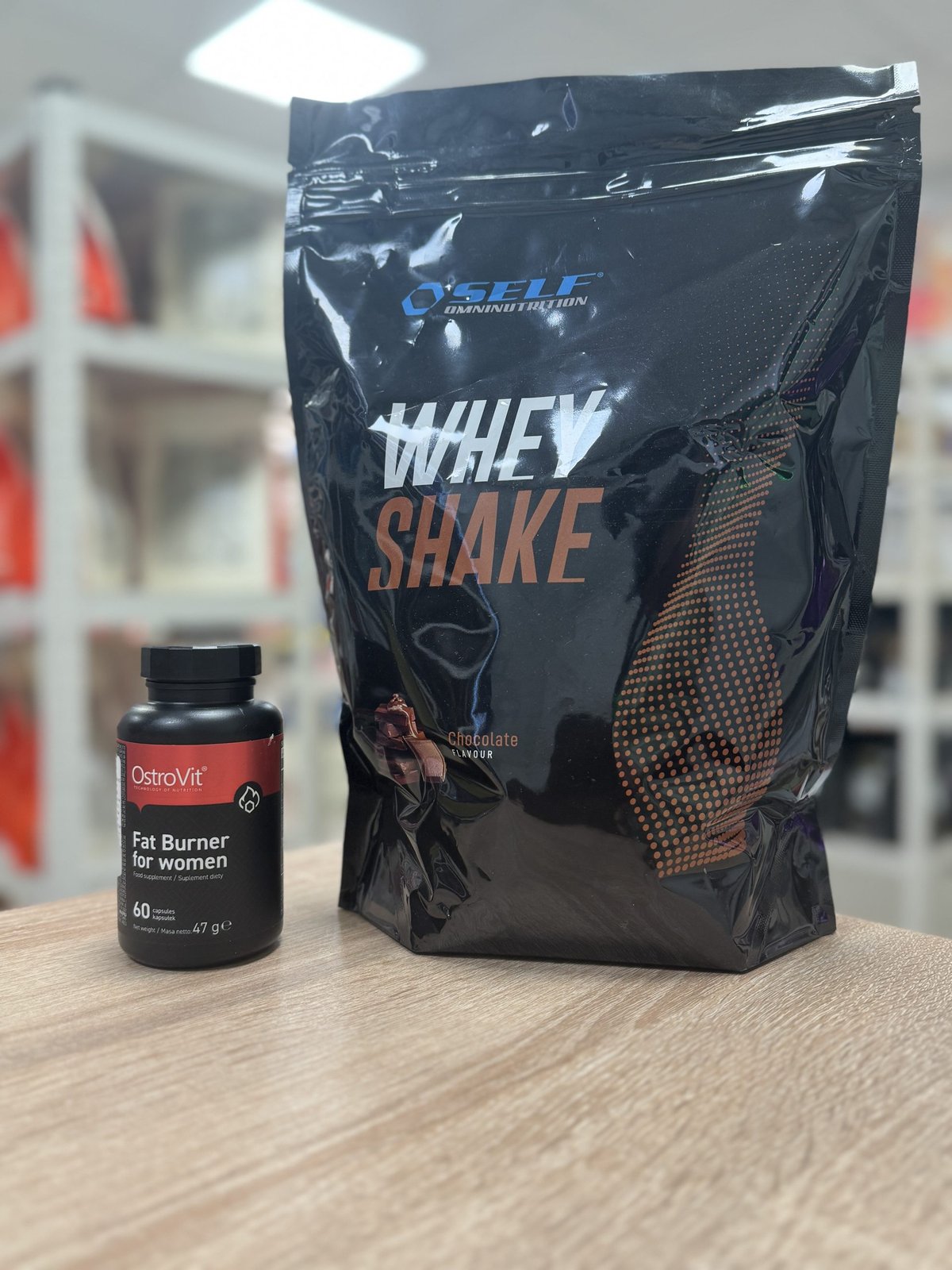
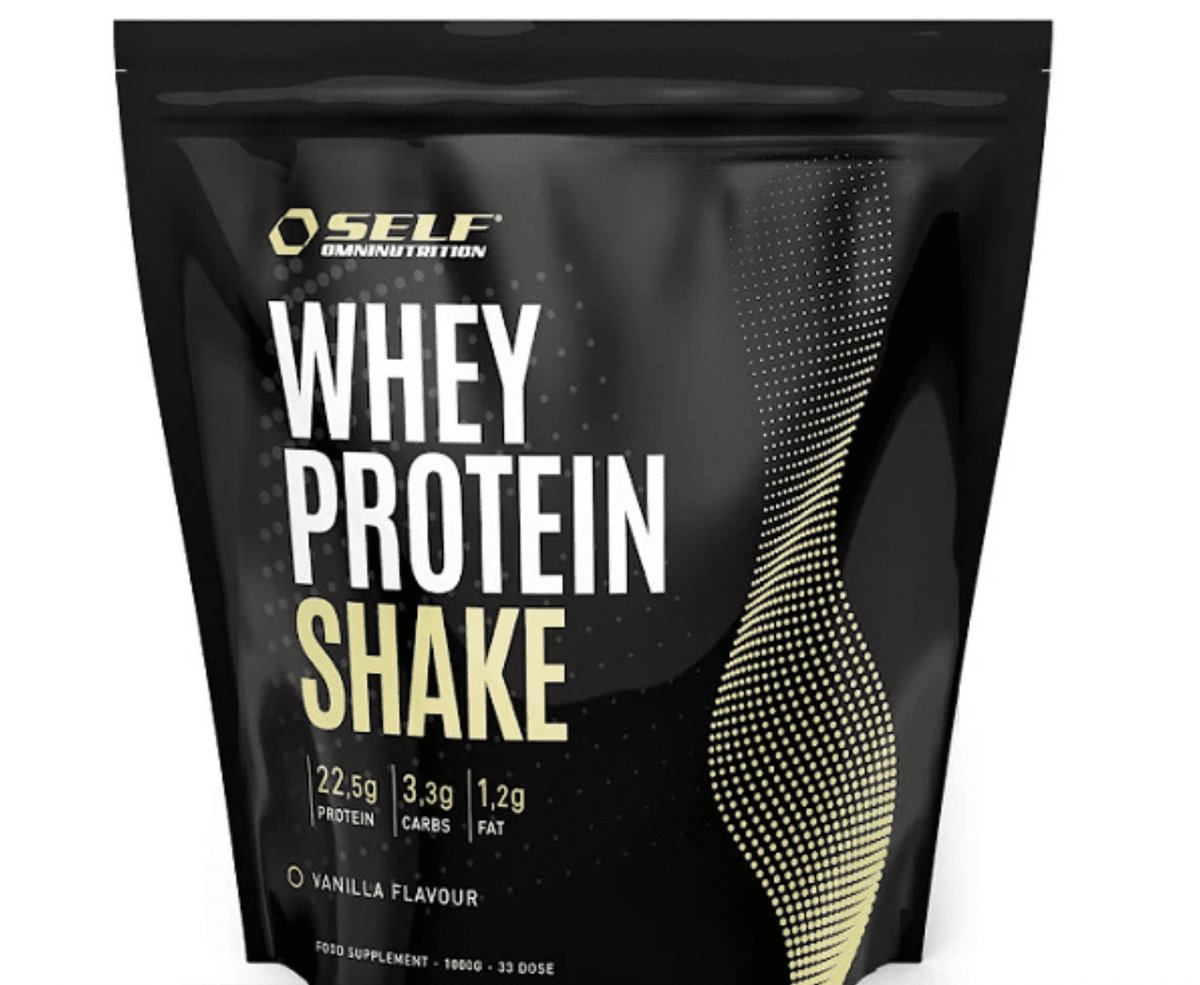
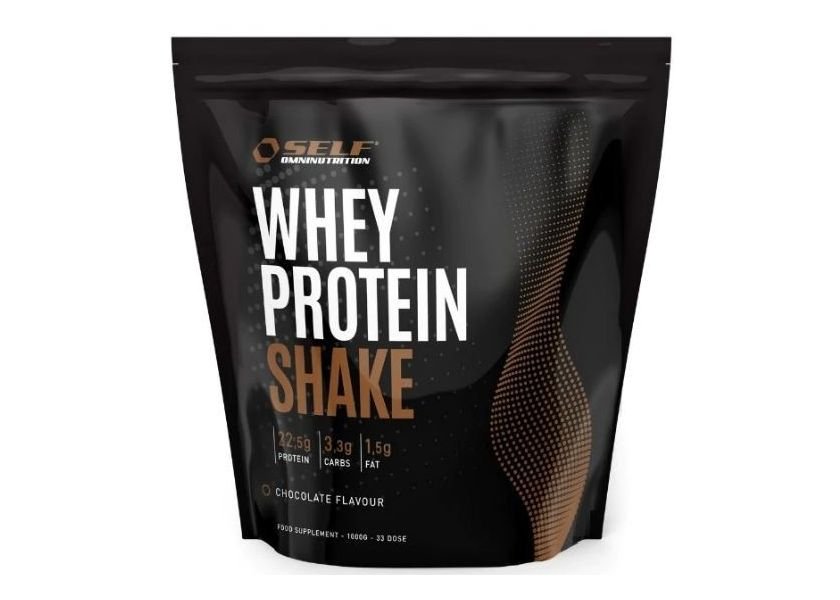
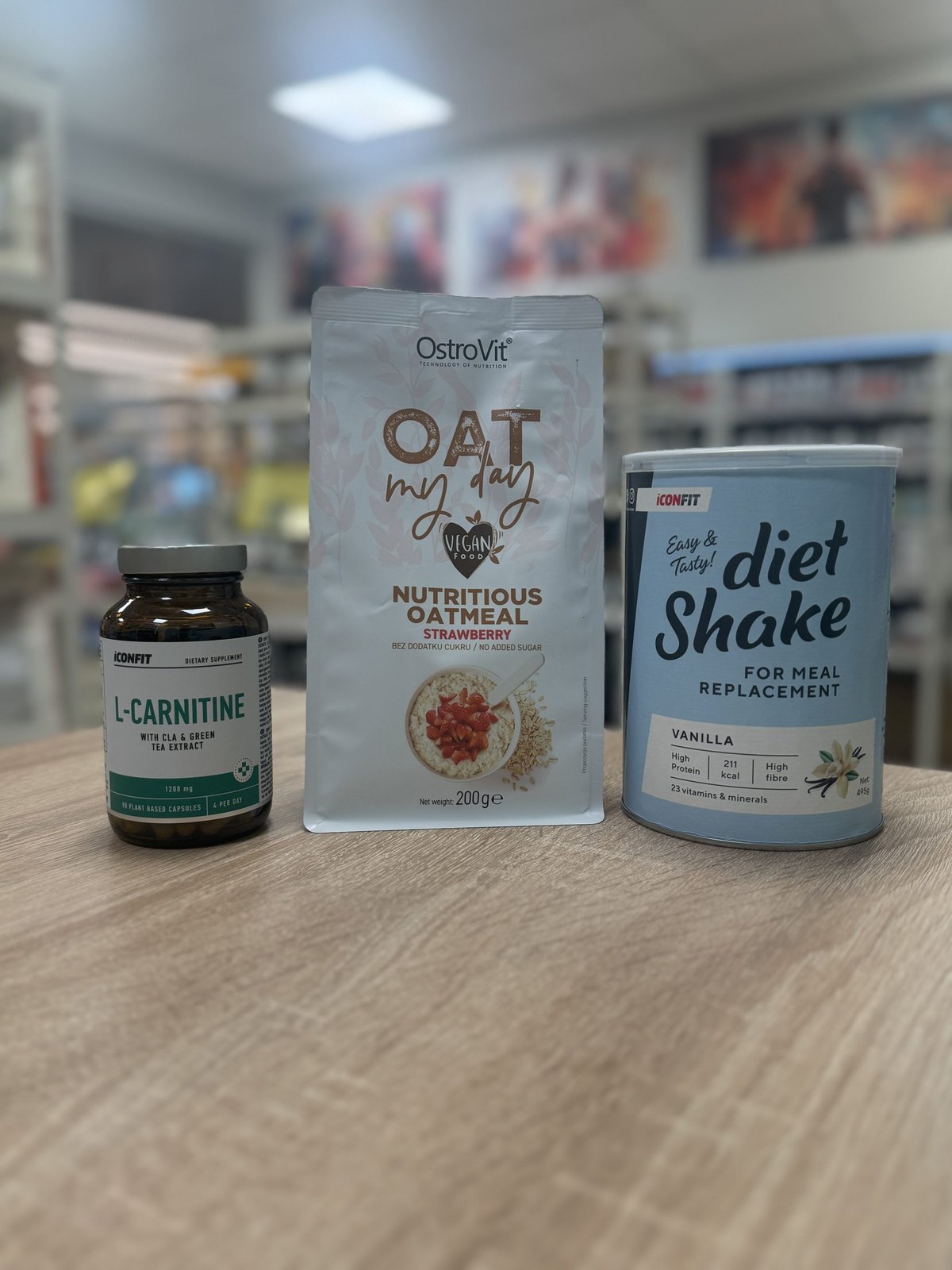
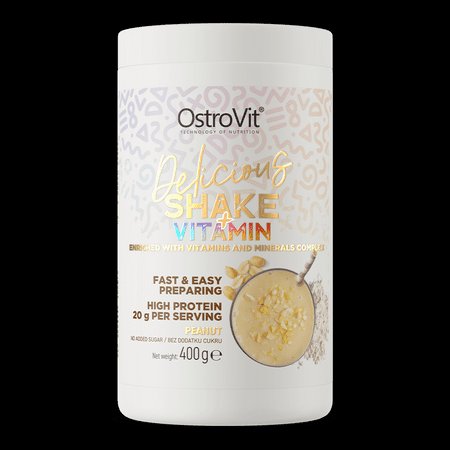
For those seeking support during a caloric deficit, a high-protein meal replacement such as SELF Whey Shake 1kg Vanill supports satiety and lean mass retention more comprehensively than most thermogenic supplements. Browse the full range of fat burners at maxfit.ee, thermogenic products, green tea extracts, and diet shakes.
Better Levers Alongside Fat Burners
Fat burners perform best as one component of a complete strategy:
Caloric deficit: The non-negotiable foundation. A consistent 300-500 calorie daily deficit is more powerful than any supplement combination.
High protein intake: Protein has the highest thermic effect of food among macronutrients and is essential for lean mass preservation during weight loss.
Resistance training: Preserves and builds muscle mass, increasing resting metabolic rate over time.
Sleep quality: Poor sleep dysregulates ghrelin and leptin, increasing hunger and cravings for calorie-dense foods. No supplement compensates for chronic poor sleep.
FAQ
Are fat burners safe to use every day?
Most stimulant-based fat burners are not recommended for continuous daily use indefinitely. Tolerance development, cardiovascular load, and sleep disruption are concerns with long-term daily use of high-stimulant products. Cycling (e.g., 8 weeks on, 2-4 weeks off) and taking stimulant-containing products earlier in the day are common harm-reduction strategies. Always follow manufacturer dosing guidelines and consult a healthcare professional if you have any underlying health conditions.
Can I take fat burners without exercising or dieting?
Fat burners without diet and exercise produce at most modest effects. The clinical trials showing statistically significant effects on body weight are almost always conducted alongside some degree of dietary guidance or energy restriction. Using fat burners as standalone solutions without addressing caloric intake is unlikely to produce meaningful results.
Which fat burner ingredient has the strongest evidence?
Shop this category — in stock now
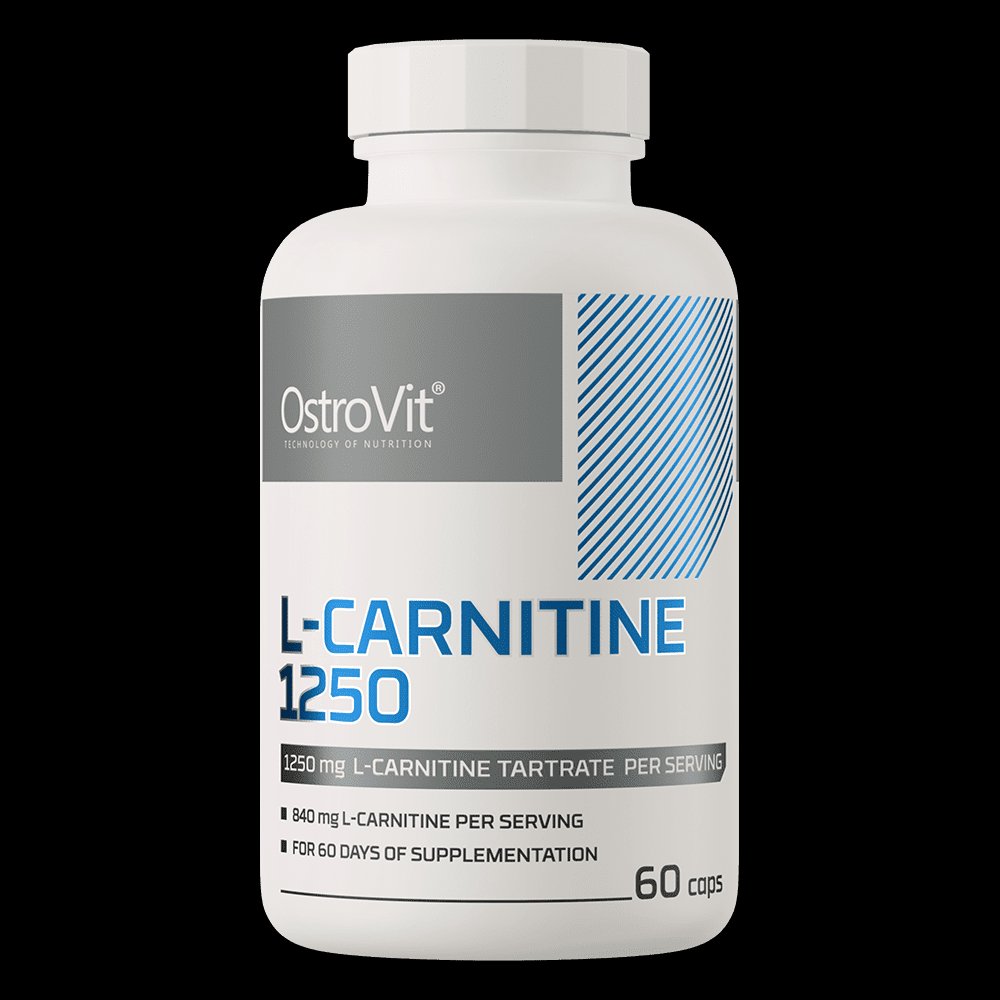
Among commonly used ingredients, the combination of green tea catechins (EGCG) with caffeine has the most consistent and replicated evidence for modest thermogenic and weight management support. L-carnitine has a meaningful meta-analytic evidence base, particularly for overweight or older individuals. Stimulant-free options with carnitine or green tea extract are suitable for those sensitive to caffeine.
References
Hursel R, Viechtbauer W, Westerterp-Plantenga MS. (2009). The effects of green tea on weight loss and weight maintenance: a meta-analysis. International Journal of Obesity, 33(9), 956-961. https://pubmed.ncbi.nlm.nih.gov/19597519/
Dulloo AG, Seydoux J, Girardier L, Chantre P, Vandermander J. (2000). Green tea and thermogenesis: interactions between catechin-polyphenols, caffeine and sympathetic activity. International Journal of Obesity, 24(2), 252-258. https://pubmed.ncbi.nlm.nih.gov/10702779/
Westerterp-Plantenga MS, Lejeune MP, Kovacs EM. (2005). Body weight loss and weight maintenance in relation to habitual caffeine intake and green tea supplementation. Obesity Research, 13(7), 1195-1204. https://pubmed.ncbi.nlm.nih.gov/16076989/
Pooyandjoo M, Nouhi M, Shab-Bidar S, Djafarian K, Olyaeemanesh A. (2016). The effect of (L-)carnitine on weight loss in adults: a systematic review and meta-analysis of randomized controlled trials. Obesity Reviews, 17(10), 970-976. https://pubmed.ncbi.nlm.nih.gov/27335245/