Fat Burners and Immune Function: The Connection
Shop this category — in stock now
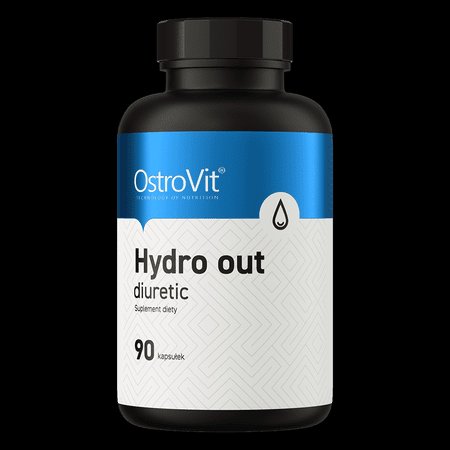
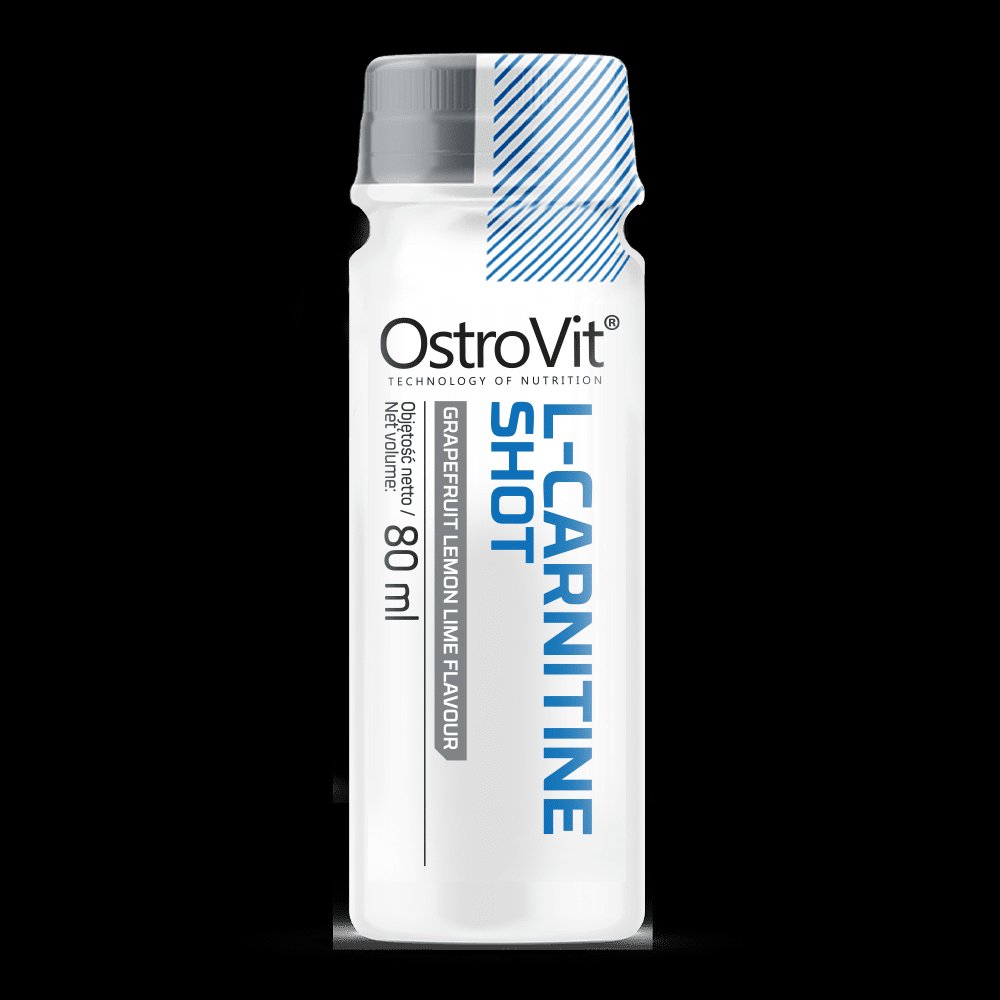
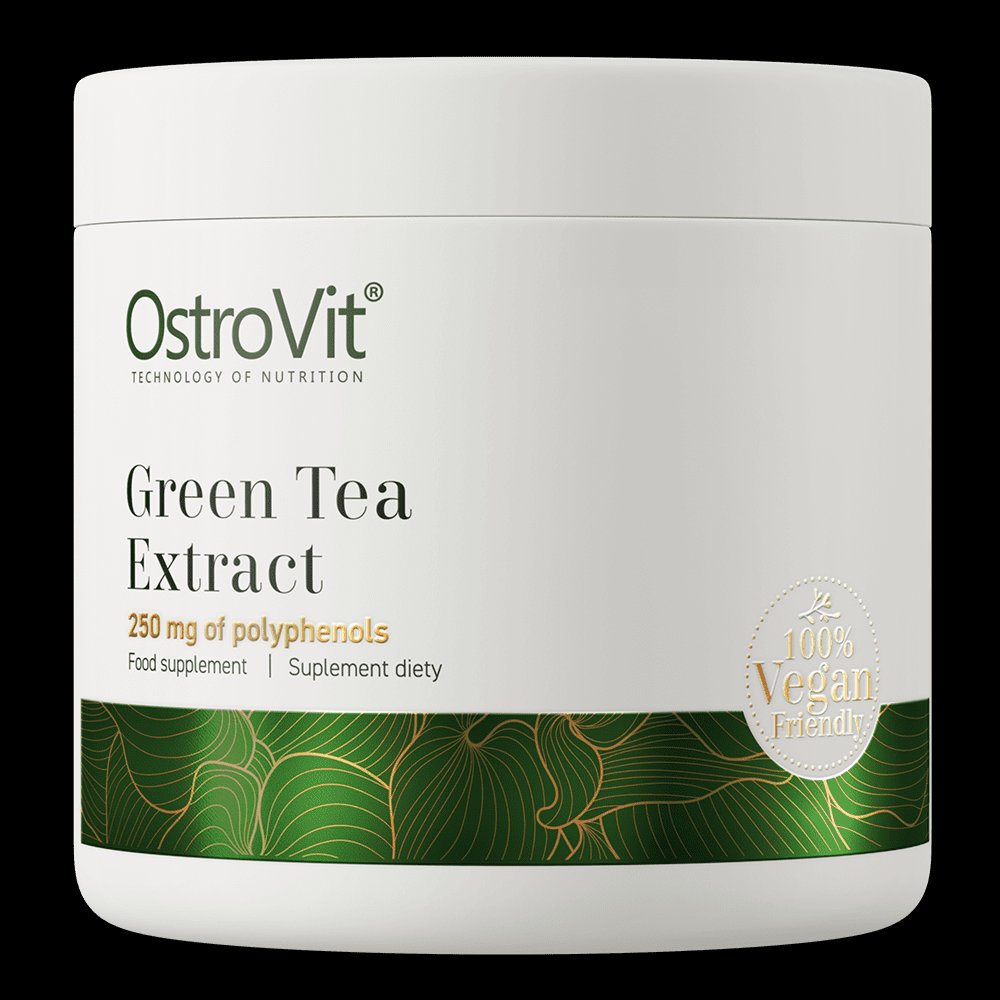
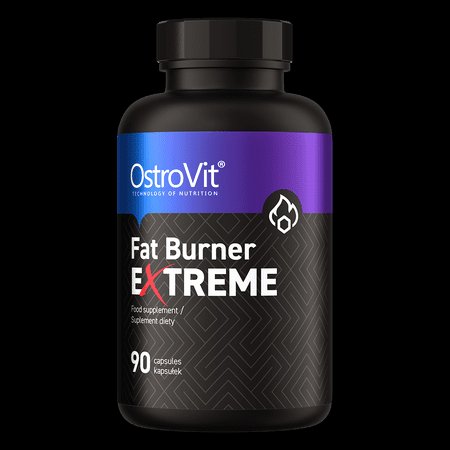
The question of whether fat burners support immune function is a reasonable one, given that many popular fat-burning formulas contain ingredients -- like green tea extract, L-carnitine, and various vitamins -- that have some biological relationship to immune health. But the honest answer requires separating the category of "fat burners" into its individual ingredients, because the evidence is ingredient-specific rather than category-wide.
"Fat burner" is a commercial label applied to products with very different compositions. A thermogenic formula dominated by caffeine and synephrine operates through entirely different pathways than a green tea extract supplement or an L-carnitine product. Evaluating immunity support for the category as a whole is therefore misleading -- what matters is which specific ingredients have genuine immune evidence and at what doses.
Immune Mechanism
The components most relevant to immune function that appear in fat-burning products are green tea catechins (particularly epigallocatechin gallate, EGCG), zinc, and certain vitamins.
Green tea catechins have direct biological activity on immune cells. EGCG has been shown to modulate gamma-delta T cell function -- a class of T cells important in early immune response to infections, particularly at mucosal surfaces such as the gut and respiratory tract. This pathway is distinct from the thermogenic action of caffeine and represents a genuine immune-relevant mechanism.
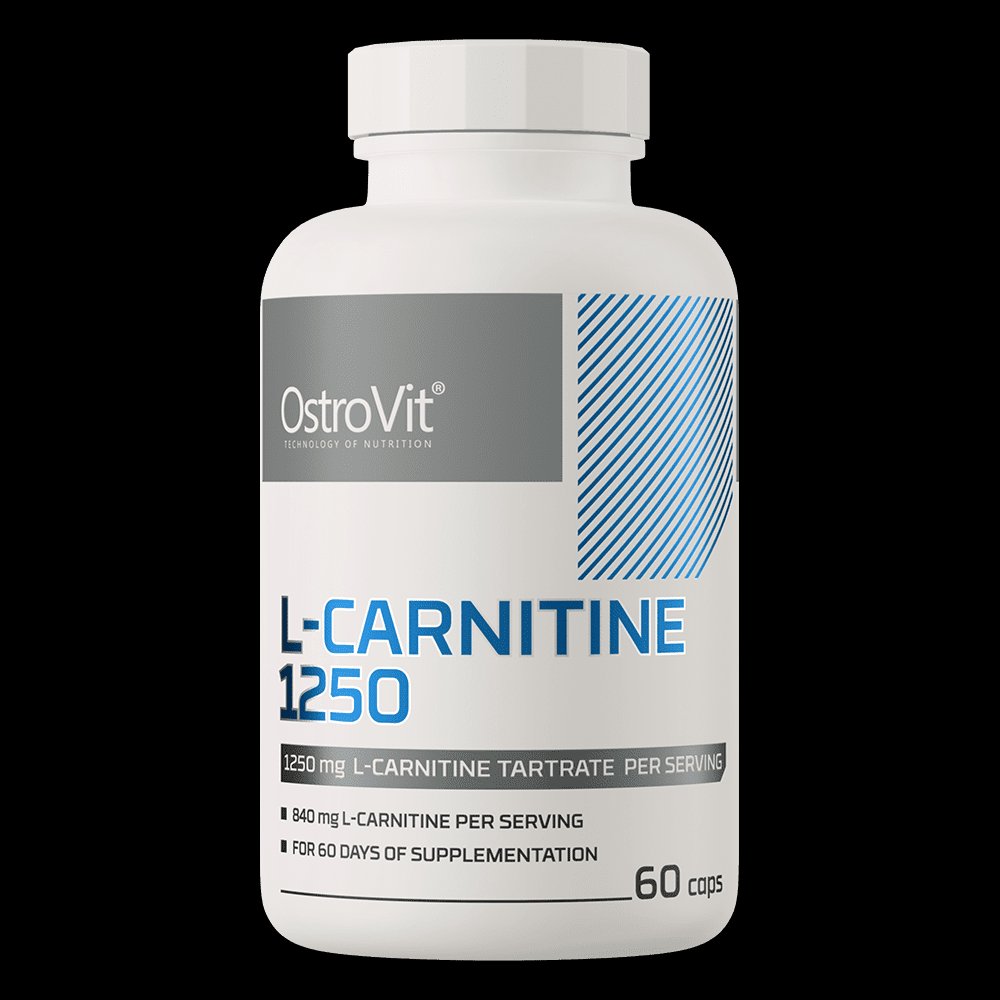
L-carnitine, which appears in many fat burner formulas because of its role in fatty acid transport into mitochondria, has some biological overlap with immune cell function -- immune cells, particularly macrophages, have high energy demands and rely on mitochondrial activity. However, the direct immune evidence for supplemental L-carnitine in healthy individuals is not strong.
Caffeine, the most common active ingredient in thermogenics, has a complex relationship with immunity. Acute high-dose caffeine can temporarily suppress certain immune parameters through adenosine receptor blockade and associated effects on immune cell signaling, though this appears to normalize with regular use. High caffeine intake driving excessive training without adequate recovery can compound the immune suppression associated with overtraining -- a relevant consideration for people using stimulant-heavy fat burners.
Infection and Illness Evidence
The most relevant direct evidence for a fat-burning ingredient and immune outcomes comes from green tea catechins. In a randomized double-blind placebo-controlled study, participants consuming a specific formulation of Camellia sinensis showed significantly lower rates of cold and flu symptoms and enhanced gamma-delta T cell function compared to placebo (Rowe et al., 2007). The formulation studied was not a generic thermogenic fat burner but a targeted green tea preparation -- an important distinction.
Beyond green tea, the immune evidence from fat burner ingredients is indirect or absent. There are no published clinical trials demonstrating that stimulant thermogenics, CLA, or typical fat burner blends reduce infection rates or improve immune biomarkers in healthy people. A supplement that increases metabolic rate does not necessarily support the immune system, and the category marketing that implies this connection is not backed by direct evidence.
For general micronutrient support of immune function, a broader evidence base exists for vitamins and minerals -- but these are typically covered by dedicated immune support products rather than fat burners.
Who Benefits Most?
The sub-population most likely to see genuine immune-relevant benefit from fat-burning supplement ingredients is athletes undergoing high training loads. Intense endurance exercise is well documented to create an open window of immune suppression in the hours following training. In this context, ingredients that support immune cell function -- including the catechins in green tea -- may have a meaningful role.
People who specifically choose green tea extract products, rather than general thermogenic blends, will be getting the ingredient with the most direct immune evidence. OstroVit Green Tea Extract 100g is one option that focuses on this ingredient without the stimulant complexity of a full thermogenic stack.
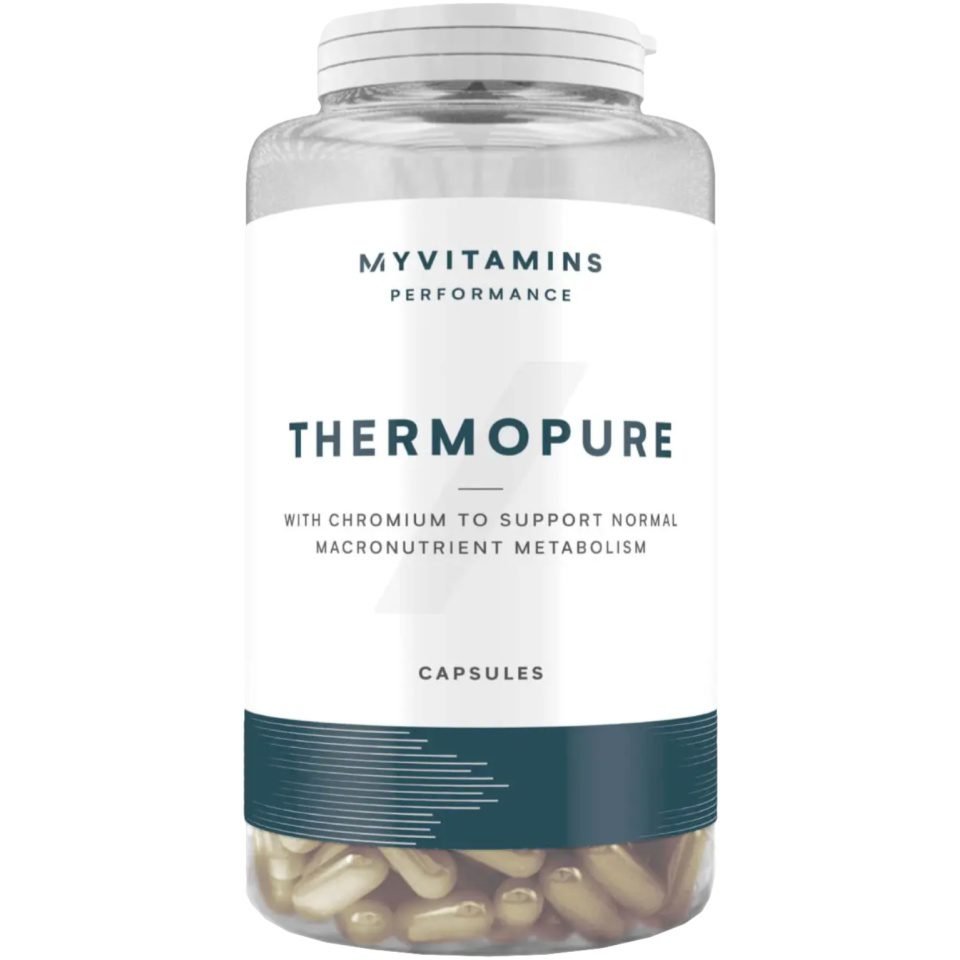
For those preferring a comprehensive thermogenic formula, products like MyProtein Thermopure 180caps and OstroVit Fat Burner VEGE 60caps provide multi-ingredient thermogenic support and are available in the rasvapoletajad category at maxfit.ee. The immune-supportive component in such products comes primarily from any green tea extract included rather than from the thermogenic profile as a whole.
Dose and Safety
For green tea catechins specifically, studies showing immune effects have used preparations standardized to meaningful catechin content. The dose studied in the Rowe et al. (2007) trial was one that provided substantial EGCG alongside other catechins -- well above what a typical thermogenic formula delivers per serving.
High doses of EGCG (above about 800 mg per day) have been associated with liver toxicity in case reports, though this risk is primarily from highly concentrated extracts. Typical supplemental green tea doses are well within a safe range. Caffeine-heavy thermogenics should be treated with appropriate caution regarding total daily stimulant intake, especially when combined with dietary caffeine sources.
For people who want to explore dedicated green tea supplement options, the rohelise-tee-ekstrakt category provides products where green tea is the primary focus.
Honest Verdict
Fat burners as a product category are not immune support supplements. The primary mechanism of most commercial fat burners -- stimulant-driven thermogenesis -- has no direct pathway to meaningful immune enhancement, and excessive stimulant use can be counterproductive for immunity in the context of hard training.
Within the ingredient landscape of fat burners, green tea catechins are the one component with credible direct immune evidence. People interested in immune support from a fat-burning context should prioritize products where green tea extract is a substantial, standardized component rather than a minor addition to a stimulant stack.
If immune support is a primary goal, targeted immune supplements provide a more direct path. Fat burners can be useful for their primary purpose -- supporting thermogenesis and fat oxidation -- and some of their ingredients (particularly green tea) carry immune benefits as a secondary property.
FAQ
Do fat burners weaken the immune system?
Not directly. However, the stimulant component of many thermogenic fat burners (primarily caffeine) can amplify the immune suppression associated with intense training if it facilitates excessive exercise without adequate recovery. This is an indirect effect of use pattern rather than a direct immunosuppressive action of the ingredients.
Is green tea extract in fat burners enough for immune support?
Typically, the green tea content in commercial thermogenic blends is lower than the doses studied in immune-specific trials. If immune support is a priority, a dedicated green tea extract product allows for better dosing control than a multi-ingredient thermogenic formula.
Can I take fat burners and immune supplements together?
Generally yes, though it is worth reviewing the ingredient overlap to avoid duplicating high doses of any single component. Many immune supplements contain green tea catechins, vitamins, and zinc that may already be present in a fat burner, so checking total daily intake of each active ingredient is advisable.
References
Rowe, C. A., Nantz, M. P., Bukowski, J. F., & Percival, S. S. (2007). Specific formulation of Camellia sinensis prevents cold and flu symptoms and enhances gamma,delta T cell function: a randomized, double-blind, placebo-controlled study. Journal of the American College of Nutrition, 26(5), 445-452. https://pubmed.ncbi.nlm.nih.gov/17914132/
Maggini, S., Wintergerst, E. S., Beveridge, S., & Hornig, D. H. (2007). Selected vitamins and trace elements support immune function by strengthening epithelial barriers and cellular and humoral immune responses. British Journal of Nutrition, 98(Suppl 1), S29-35.