Do zero-calorie sauces actually help you eat better?
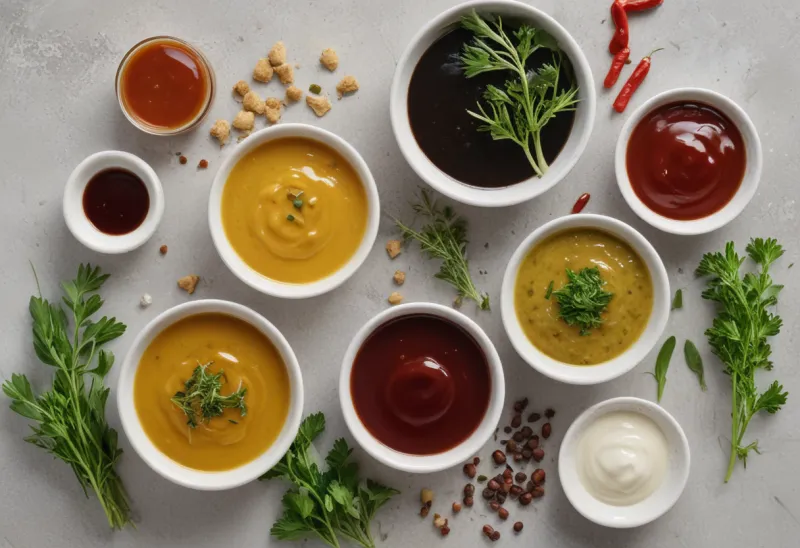
Honest answer: yes, but for a simpler reason than the marketing suggests. A zero- or low-calorie sauce isn't a fat-burner — it's an energy-density tool. The science of eating less without feeling deprived comes down to lowering the calories packed into each bite while keeping the food's weight, flavour and satisfaction high (Ello-Martin et al., 2007). A tablespoon of regular mayo or barbecue glaze can quietly add 80–150 kcal to a meal; a near-zero-calorie alternative gives you the same taste and "wetness" for a fraction of that. Over a day of meals, that swap is one of the least painful ways to trim intake.
What's your goal with zero-calorie swaps?
Browse the rangeWhy energy density beats willpower
In a year-long trial, people who lowered the energy density of their diet — by adding water-rich foods and lighter dressings — were able to eat a larger weight of food, reported less hunger and lost more weight than a comparison group (Ello-Martin et al., 2007). The mechanism is intuitive: your stomach responds to volume and weight as much as to calories. A flavourful, low-calorie sauce lets you keep meals appetising and bulky while quietly removing "stealth" calories from oils and sugar.
What to look for on the label
Not every "light" sauce is genuinely low-calorie. Scan for:
- Calories per serving — under ~15 kcal per tablespoon is the real "near-zero" zone.
- Sugar — some low-fat sauces add sugar back for flavour; sugar-free versions use sucralose or stevia instead.
- Sodium — the trade-off in many zero-calorie sauces is higher salt, which matters if you watch blood pressure.
- Fibre or thickeners — gums (xanthan, guar) give body without calories and are well tolerated by most people.
A macro-friendly pairing guide
The point of a low-calorie sauce is to make high-protein, high-volume meals taste better so you actually stick with them. Some pairings that work:
- Lean chicken or white fish + a zero-calorie chilli, teriyaki or garlic sauce.
- Plain Greek yogurt or quark + a calorie-free flavour drop, turned into a savoury dip.
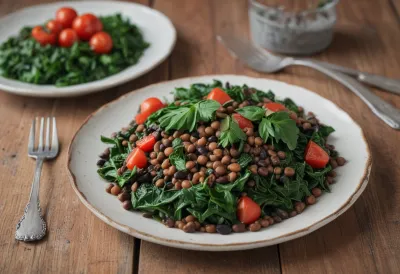
- A big vegetable-and-grain bowl + a light dressing instead of oil-heavy ones.
- A scoop of OstroVit 100% Whey Protein 700g Biscuit Dream stirred into oats or yogurt for a sweet, high-protein base that needs little added sugar.
Protein is the real lever here. High-protein meals and snacks are more thermogenic and more satiating than fat- or carb-heavy ones (Halton & Hu, 2004), and a high-protein snack delayed the next meal and cut later intake by about 100 kcal versus a high-fat snack in one trial (Ortinau et al., 2014). A low-calorie sauce simply makes those protein-forward meals enjoyable. A Barebells Protein Bar 55g Lemon Cheesecake or a fibre top-up like 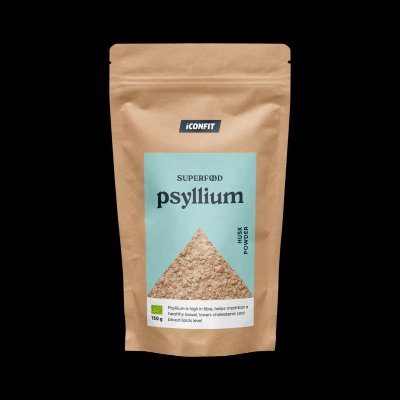 ICONFIT Superfoods Organic Psyllium Husk Powder€8.90 In stock 150g can round out the "filling but light" plan.
What the science actually says — and doesn't
Low-calorie sauces help mainly by displacing calories, not by any special metabolic magic. Two caveats worth honesty about:
- Sweeteners aren't a free pass. They cut calories effectively, but health authorities don't frame them as a health-promoting ingredient; use them as a tool, not a target.
- Portion size still rules. Even a near-zero sauce won't help if the plate keeps growing. Larger portions and packages reliably increase how much people eat (Hollands et al., 2015), so the sauce works best alongside sensible serving sizes.
A quick calorie-comparison
Seeing the swap as numbers makes it concrete. Approximate values per tablespoon:
| Condiment | Regular | Low/zero-calorie version |
|---|---|---|
| Mayonnaise | ~90–100 kcal | ~5–15 kcal |
| Barbecue / sweet glaze | ~30–60 kcal | ~5–10 kcal |
| Ketchup | ~15–20 kcal | ~5 kcal (no-sugar-added) |
| Salad dressing (creamy) | ~70–90 kcal | ~5–15 kcal |
Use a couple of tablespoons across a day and the regular versions can quietly add 150–300 kcal — roughly a snack's worth — while the lighter versions barely register. That is the whole mechanism: you are not adding a fat-burner, you are subtracting calories you would not have missed in terms of taste. The trade-offs to watch are sodium and, occasionally, a slightly thinner texture, since some calories in creamy sauces come from the oil that also gives them body. For most cooking that is a fair swap, and pairing the sauce with a genuinely high-protein base — lean meat, fish, dairy or a scoop of whey — is what turns "fewer calories" into "a meal that actually keeps you full."
Practical takeaways
- Treat zero-calorie sauces as an energy-density tool: same flavour, far fewer calories per bite.
- Build meals around protein and volume; the sauce makes them palatable, not magical.
- Check the label for hidden sugar and high sodium.
- Mind portion sizes — the biggest driver of how much you eat.
- A flavourful low-calorie sauce is one of the easiest sustainable swaps for a high-protein diet.
Stock up on protein for those meals at maxfit.ee in the valgud category, with electrolytes in the elektroluudid category and fibre in the kiudained category.
References
- Ello-Martin JA, Roe LS, Ledikwe JH, Beach AM, Rolls BJ. (2007). Dietary energy density in the treatment of obesity: a year-long trial comparing 2 weight-loss diets. American Journal of Clinical Nutrition, 85(6), 1465–1477. https://pubmed.ncbi.nlm.nih.gov/17556681/
- Halton TL, Hu FB. (2004). The effects of high protein diets on thermogenesis, satiety and weight loss: a critical review. Journal of the American College of Nutrition, 23(5), 373–385. https://pubmed.ncbi.nlm.nih.gov/15466943/
- Ortinau LC, Hoertel HA, Douglas SM, Leidy HJ. (2014). Effects of high-protein vs. high-fat snacks on appetite control, satiety, and eating initiation in healthy women. Nutrition Journal, 13, 97. https://pubmed.ncbi.nlm.nih.gov/25266206/
- Hollands GJ, Shemilt I, Marteau TM, et al. (2015). Portion, package or tableware size for changing selection and consumption of food, alcohol and tobacco. Cochrane Database of Systematic Reviews, 2015(9), CD011045. https://pubmed.ncbi.nlm.nih.gov/26368271/
FAQ
Are zero-calorie sauces actually zero calories?
"Zero-calorie" usually means below a small legal threshold per serving (often under ~5 kcal), not literally nothing. Eat several servings and the calories add up, so still check the label and your total portion.
Do low-calorie sauces help with weight loss?
Indirectly — they lower the energy density of meals, which helps people eat fewer calories while feeling just as full (Ello-Martin et al., 2007). They are a tool to support a calorie deficit, not a fat-burner on their own.
Is the sodium in zero-calorie sauces a problem?
Many low-calorie sauces are higher in salt to keep flavour. For most people that's fine in moderation, but if you watch blood pressure, compare sodium per serving and keep an eye on your daily total.