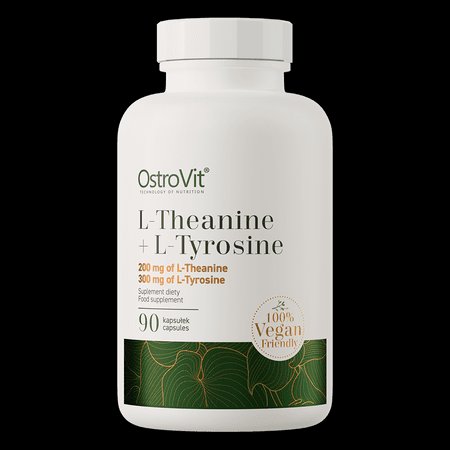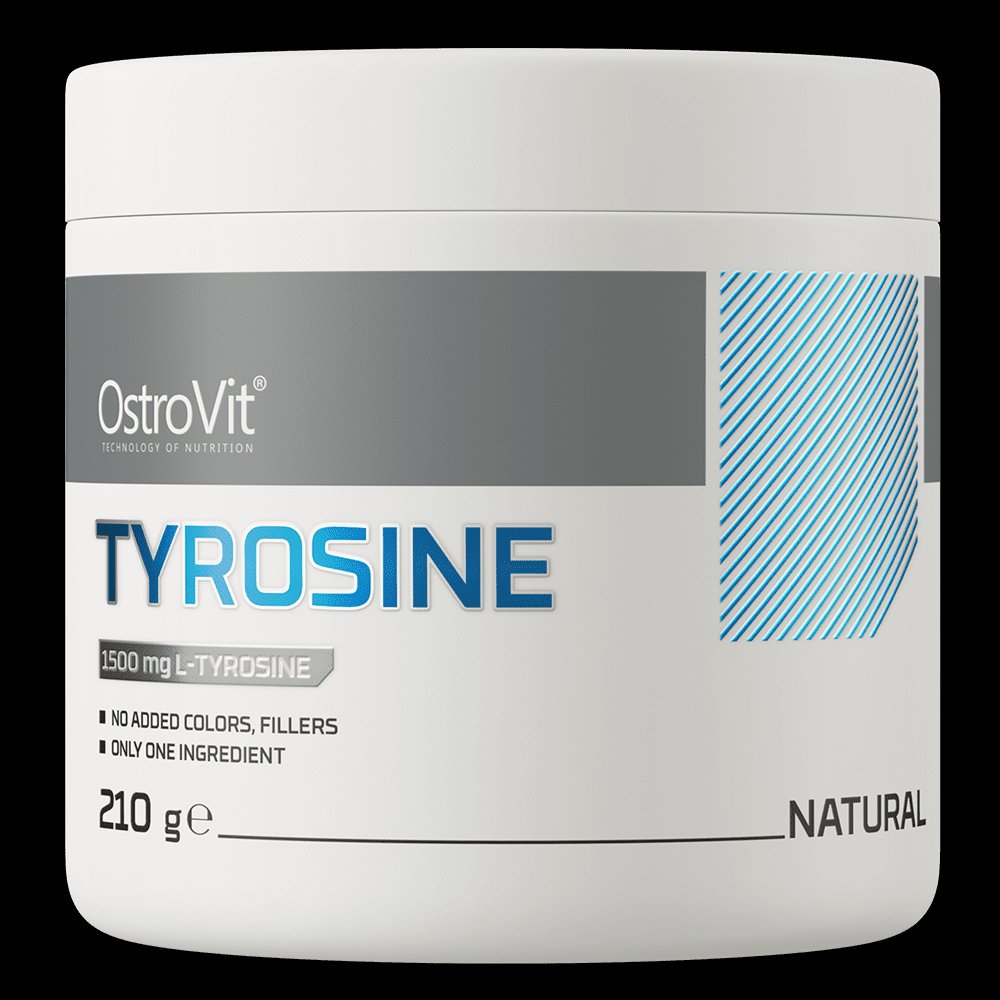
L-tyrosine is an amino acid from which the body synthesizes crucial neurotransmitters — dopamine, norepinephrine, and epinephrine — that regulate motivation, focus, and stress response. During stress and fatigue, these neurotransmitters deplete rapidly, leading to mental fatigue and reduced motivation. Tyrosine supplementation helps maintain stable neurotransmitter levels, improving focus and decision-making during both intense training and mentally demanding situations.
Yes, tyrosine improves focus especially in stressful situations. Studies show that tyrosine helps maintain cognitive performance during fatigue, sleep deprivation, and physical stress. For athletes, this means better focus during prolonged training sessions and competitions, especially when mental fatigue begins affecting technique.
The effective dose is 500-2,000 mg, taken 30-60 minutes before training or mentally demanding activities. Start with a lower dose (500 mg) and increase as needed. Tyrosine can also be taken in the morning on an empty stomach for better absorption. Do not exceed 3,000 mg per day.
NALT (N-acetyl-L-tyrosine) is an acetylated form of tyrosine that is more water-soluble. However, studies show that the body's ability to convert NALT into free tyrosine is limited, making pure L-tyrosine more effective for raising dopamine levels. NALT often requires a higher dose to achieve the same effect.
Yes, L-tyrosine is generally safe for daily use at recommended doses. Since the body regulates dopamine production, tyrosine does not cause dependency or tolerance buildup. Those with thyroid disorders should consult their doctor, as tyrosine is also a precursor to thyroid hormones.