


L-Leucine — Key Amino for Muscle Synthesis
4 products · 3 in stock · €10.40–€17.75 · from €0.10/serving · Estonia 1–3 business days, free from €50.00
1–3 day delivery
Free shipping in Estonia from €50
Secure payment


Useful Articles


What is L-leucine and why is it important for muscle growth?
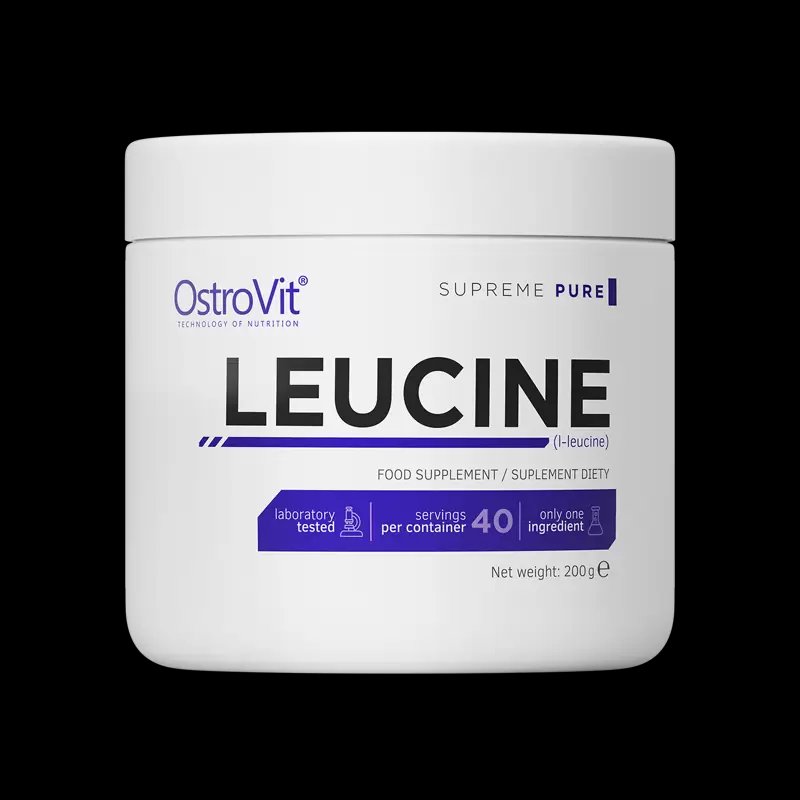
L-leucine is the most critical of the three branched-chain amino acids (BCAAs) because it directly activates the mTOR signaling pathway — the primary mechanism that triggers muscle protein synthesis. The body cannot produce leucine on its own, so it must be obtained from food or supplements. Athletes use standalone leucine supplements often after training to maximize the anabolic response, especially when dietary leucine intake falls below the optimal 2-3 grams per meal.
Frequently asked questions about L-leucine
L-leucine is one of three BCAAs (along with isoleucine and valine), but it is the only one that directly activates the mTOR signaling pathway. A BCAA blend typically contains leucine, isoleucine, and valine in a 2:1:1 ratio. Standalone leucine provides greater mTOR activation, while a BCAA blend supports broader recovery.
To maximally stimulate muscle protein synthesis, you need 2-3 grams of leucine per meal. The total daily dose for athletes typically ranges from 5-10 grams. As a standalone supplement, 3-5 grams is often taken immediately after training, especially if the post-workout meal does not contain enough protein.
Quality whey protein already contains about 2.5 grams of leucine per 25-gram serving. If you drink a protein shake after training, additional leucine may not be necessary. Standalone leucine benefits those using low-leucine proteins (such as plant protein) or wanting to reach the leucine threshold with a smaller meal.