


Glycine — Sleep Quality & Collagen Synthesis
2 products · 1 in stock · €14.60–€20.90 · Estonia 1–3 business days, free from €50.00
1–3 day delivery
Free shipping in Estonia from €50
Secure payment


Useful Articles


What is glycine and what are its benefits?
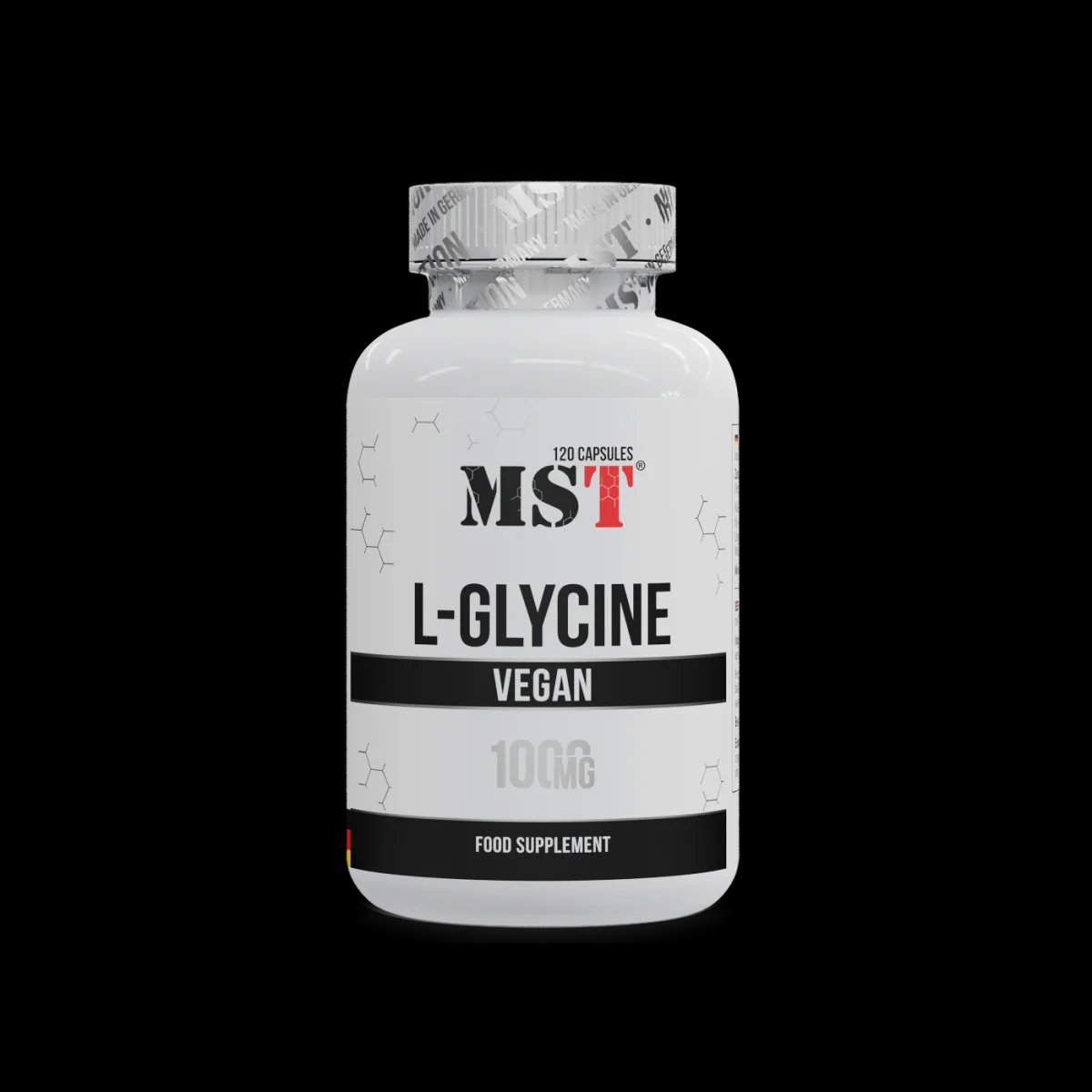
Glycine is the simplest and smallest amino acid, essential for collagen synthesis, glutathione (the body's primary antioxidant) production, and nervous system regulation. While glycine is conditionally non-essential, research shows the body cannot always produce sufficient amounts, especially during intense training and stress. Glycine improves sleep quality, supports joints and tendons, and aids muscle recovery after exercise.
Frequently asked questions about glycine
Glycine lowers core body temperature and increases inhibitory neurotransmitter activity in the brain, promoting sleep onset and deepening sleep. Taking 3 g of glycine 30-60 minutes before bedtime improves subjective sleep quality and reduces daytime fatigue. Unlike melatonin, glycine does not cause morning grogginess or affect the body's own melatonin production.
For sleep support, the effective dose is 3 g before bedtime. For joint health and collagen synthesis support, 5-10 g per day is recommended. Athletes seeking recovery support commonly take 10-15 g per day, divided into multiple doses. Glycine has a sweet taste and dissolves well in water.
Yes, glycine and magnesium complement each other excellently. Both support sleep and muscle relaxation through different mechanisms. Magnesium glycinate is a particularly popular form where magnesium is bound to glycine — delivering the benefits of both compounds from a single supplement and being gentler on the stomach than other magnesium forms.
Yes, glycine is very safe for long-term use. It is a natural amino acid that the body uses continuously and whose excess is easily excreted. At doses up to 15 g per day, no significant side effects have been observed in studies. Very large doses (above 15 g) may cause mild digestive discomfort in some people.