


HMB — Muscle Protection & Recovery
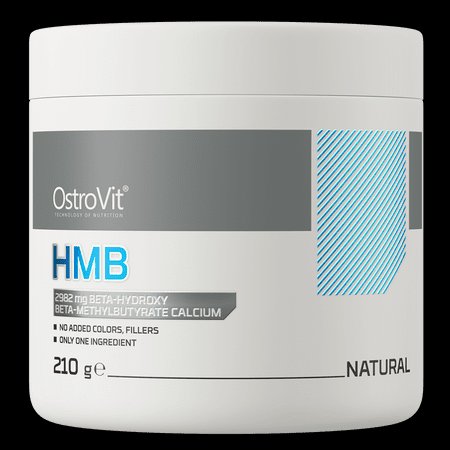
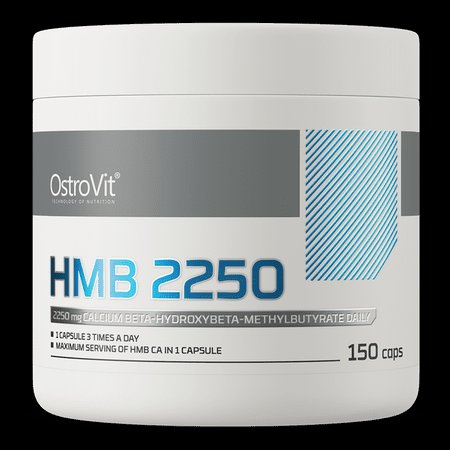
2 products · 2 in stock · €15.65–€19.85 · Estonia 1–3 business days, free from €50.00
1–3 day delivery
Free shipping in Estonia from €50
Secure payment


Useful Articles


What is HMB and how does it protect muscles?
HMB (beta-hydroxy-beta-methylbutyrate) is a metabolite of leucine that the body naturally produces in small quantities (about 5% of consumed leucine converts to HMB). HMB reduces muscle protein breakdown by inhibiting the proteolytic ubiquitin-proteasome pathway and stimulates the mTOR signaling pathway that initiates muscle protein synthesis. HMB is especially valuable during calorie deficits, recovery from injury, and preventing age-related muscle loss (sarcopenia).
Frequently asked questions about HMB
HMB provides the greatest benefit to beginner trainees whose muscles are especially susceptible to new training stress, and to experienced athletes during calorie deficits (cutting phases). HMB has also proven effective in preventing muscle loss in older adults and during injury recovery. For experienced trainees during regular training, HMB benefits are more modest.
The most commonly studied dose is 3 g of HMB per day, divided into three 1 g doses taken with meals. HMB is available in two forms: HMB-Ca (calcium salt) and HMB-FA (free acid). The free acid form absorbs faster and reaches peak serum levels in 30 minutes, while the calcium salt takes 60-120 minutes.
Yes, HMB and creatine work through different mechanisms and their combined use has shown additive benefits in studies. Creatine increases ATP production and short-term power, while HMB protects muscles from breakdown. Their combination is especially effective for preserving muscle mass during cutting phases.
First measurable changes in muscle recovery speed appear within 1-2 weeks. More significant results in muscle mass preservation and strength indicators emerge over 4-8 weeks. Maximum muscle protection benefit occurs with consistent daily use — HMB effects do not accumulate when taken intermittently.