
What Is Omega Iii?
Omega iii — also written omega-3 or n-3 fatty acids — names a family of polyunsaturated fatty acids (PUFAs) defined by a double bond at the third carbon from the methyl end of the chain. In nutrition labels, scientific papers, and everyday conversation the spellings omega iii, omega-3, n-3 PUFA, and fish oil fatty acids all refer to the same chemical family, so knowing they are equivalent prevents confusion when comparing products or reading research.
Three members are physiologically most important. Alpha-linolenic acid (ALA) is the plant-derived member, found in flaxseed, walnuts, and chia seeds. Eicosapentaenoic acid (EPA) and docosahexaenoic acid (DHA) are the long-chain marine members, concentrated in fatty fish, krill, and algae. It is EPA and DHA that account for the majority of omega iii's well-documented effects in the body.
A critical metabolic fact: the human body cannot convert ALA into EPA or DHA in physiologically useful quantities. The enzymatic pathway exists but is slow and is further depressed by high intakes of competing omega-6 fatty acids — common in Western diets. This means that for most people, dietary or supplemental EPA and DHA are not optional extras but the primary route to adequate omega iii status.
Once consumed, EPA and DHA are incorporated into the phospholipid bilayers of cell membranes throughout the body. There they alter membrane fluidity, influence receptor conformation, and serve as precursors for a range of potent signalling molecules. These membrane-level changes explain why omega iii effects appear across such different tissues — cardiovascular, neural, immune, and musculoskeletal.
The sustained scientific interest in omega iii supplementation rests on four decades of population studies, mechanistic research, and randomised trials. This guide surveys the most relevant and well-replicated findings, with citations to primary literature so you can follow the evidence yourself.
EPA vs DHA — Distinct Physiological Roles
EPA and DHA are structurally close — both are long-chain, highly unsaturated omega iii fatty acids — but they serve distinct roles and should not be treated as interchangeable.
EPA (eicosapentaenoic acid, C20:5n-3) is a 20-carbon fatty acid with five double bonds. Its primary role is as a substrate for the biosynthesis of eicosanoids: prostaglandins, thromboxanes, and leukotrienes. Eicosanoids derived from EPA are structurally different from, and generally less pro-inflammatory than, those derived from arachidonic acid (AA) — the dominant omega-6 fatty acid in Western diets. When EPA displaces AA in cell membranes, the balance of eicosanoid signalling shifts. Calder (2013) provides a comprehensive review of the mechanisms by which EPA and other omega-3 PUFAs modulate inflammatory processes, noting that EPA-derived eicosanoids and the specialised pro-resolving mediators (SPMs) they generate — including resolvins of the E-series — actively resolve inflammation rather than merely suppressing it.
EPA also competes with AA for the same desaturase and elongase enzymes. A higher EPA-to-AA ratio in tissue phospholipids therefore reshapes the entire eicosanoid landscape in a sustained way, not just acutely after a dose.
DHA (docosahexaenoic acid, C22:6n-3) is a 22-carbon fatty acid with six double bonds. It is the dominant structural lipid of the central nervous system: the grey matter of the human brain contains roughly 15–20% DHA by dry weight, and the photoreceptor membranes of the retina are similarly DHA-rich. DHA's extreme unsaturation makes membranes exceptionally fluid, which is essential for the rapid lateral movement of rhodopsin in photoreceptors and for efficient synaptic vesicle fusion in neurons. DHA also serves as the precursor for neuroprotectin D1 (NPD1) and D-series resolvins, molecules involved in neuronal survival signalling and the resolution of neuro-inflammation.
While DHA can be retro-converted to EPA in some tissues, this process is limited and does not compensate for inadequate EPA intake. For this reason, supplements or food sources providing both fatty acids are preferred over single-component products.
For muscle physiology, Smith et al. (2011) conducted a randomised controlled trial in which older adults received omega-3 fatty acid supplementation and showed a significantly increased rate of muscle protein synthesis compared with controls receiving corn oil. This points to a role for EPA and DHA in anabolic signalling — beyond inflammation modulation — that is particularly relevant for athletes and older adults seeking to preserve muscle mass.
From a cardiovascular standpoint, Mozaffarian and Wu (2011) reviewed the evidence showing that omega-3 fatty acids influence triglyceride concentrations, endothelial function, platelet aggregation, heart rate variability, and arterial compliance through multiple distinct molecular pathways — findings that span both EPA and DHA and cannot be attributed to a single mechanism.
Fish Oil vs Krill Oil vs Algae Oil
Shop this category — in stock now

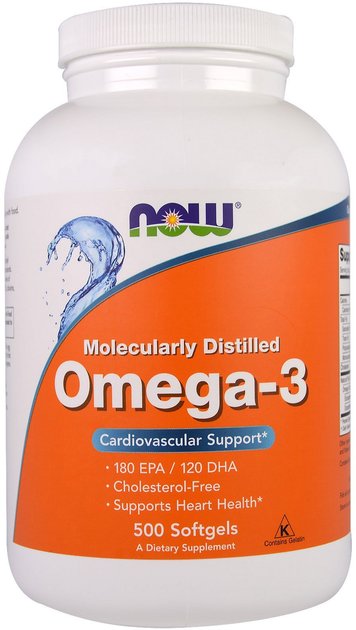
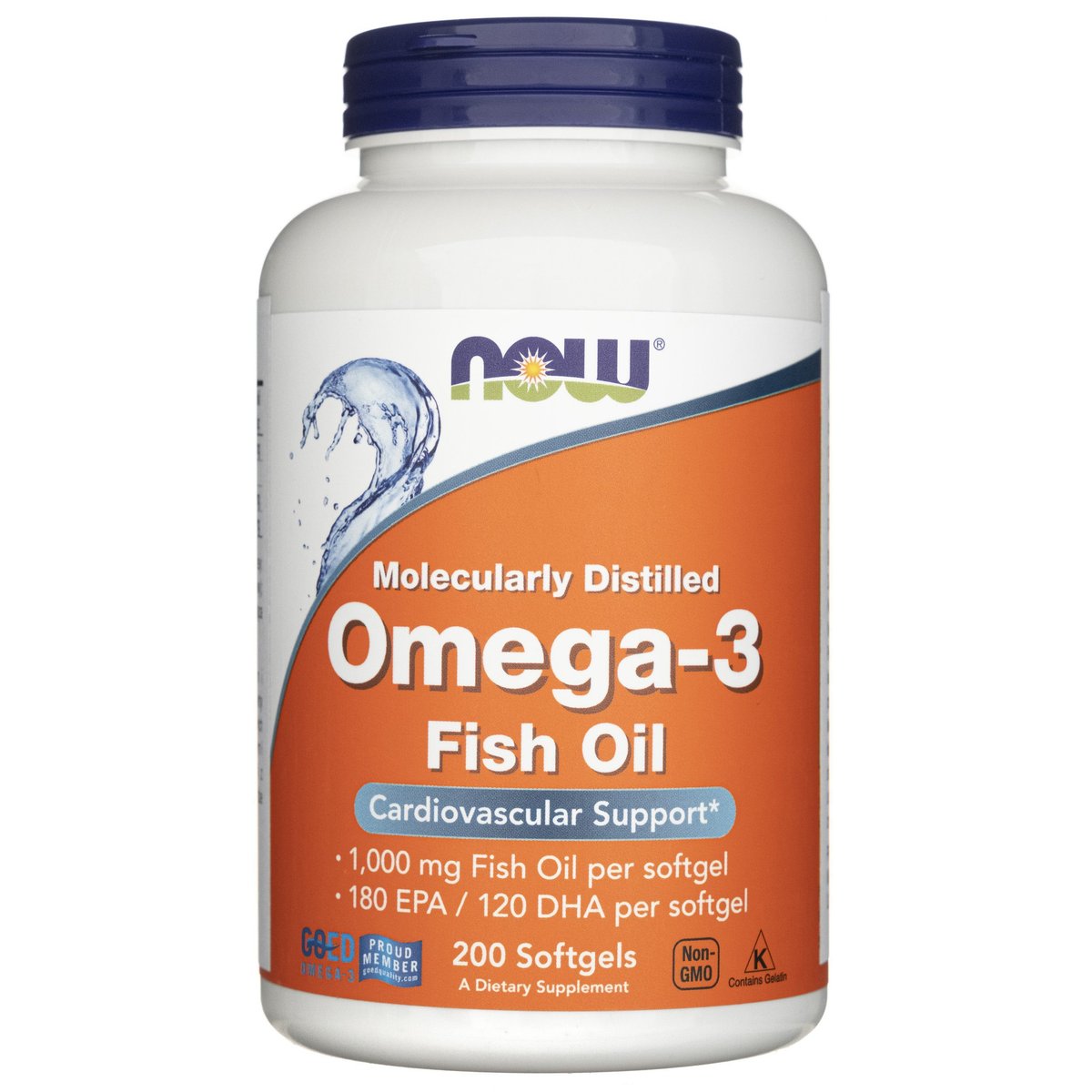

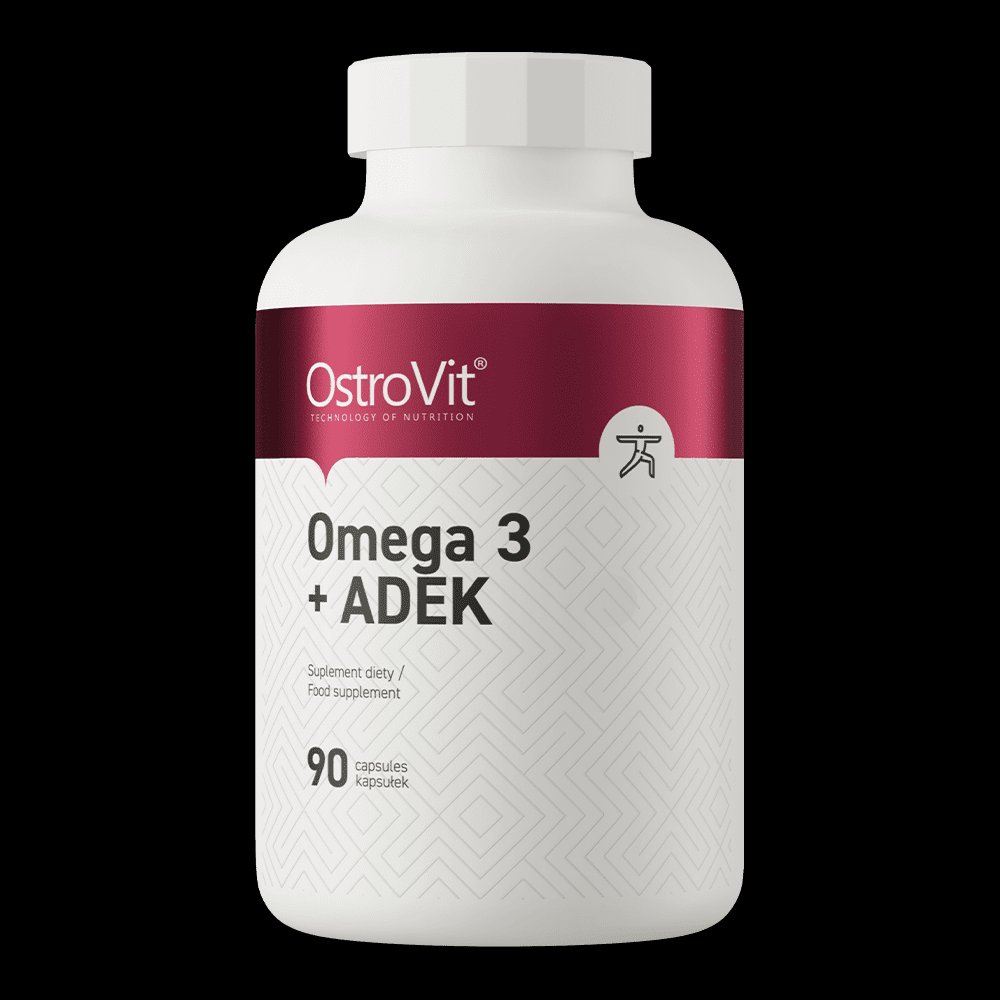
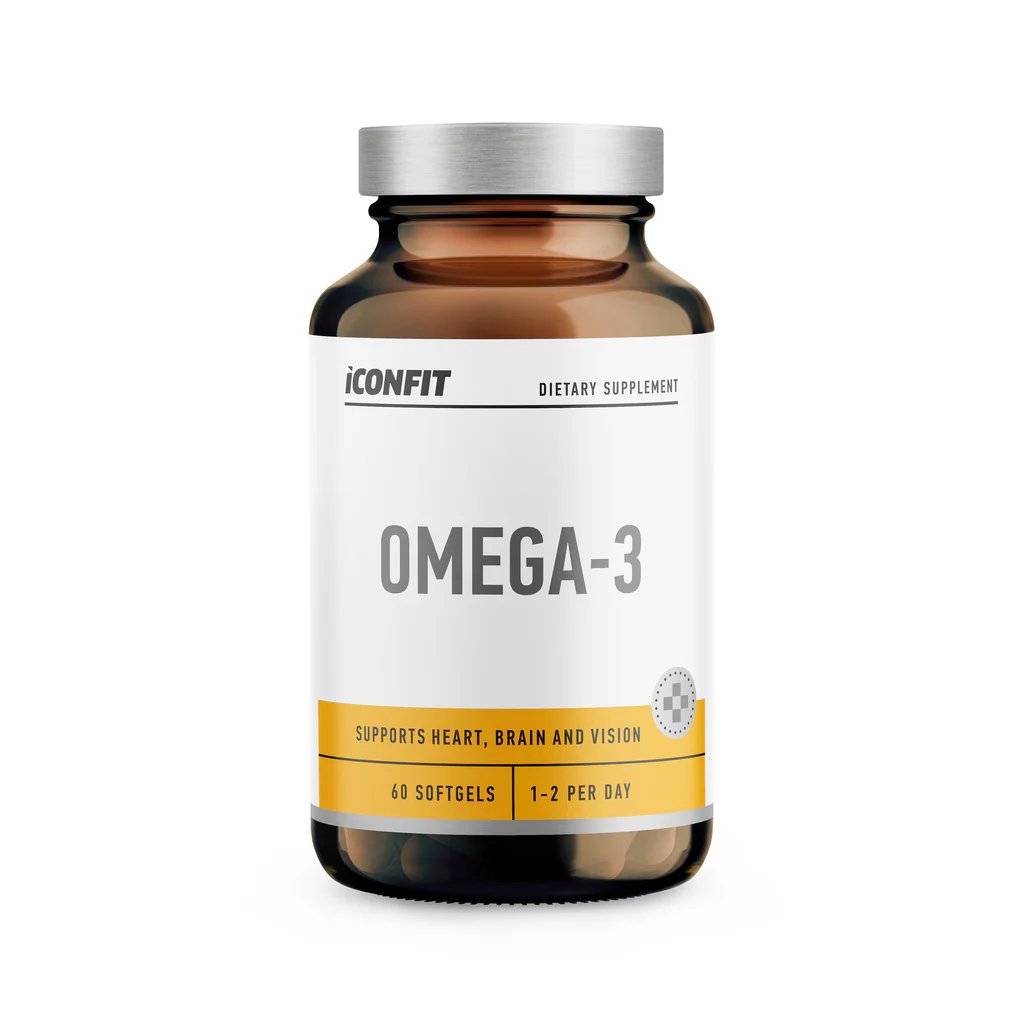
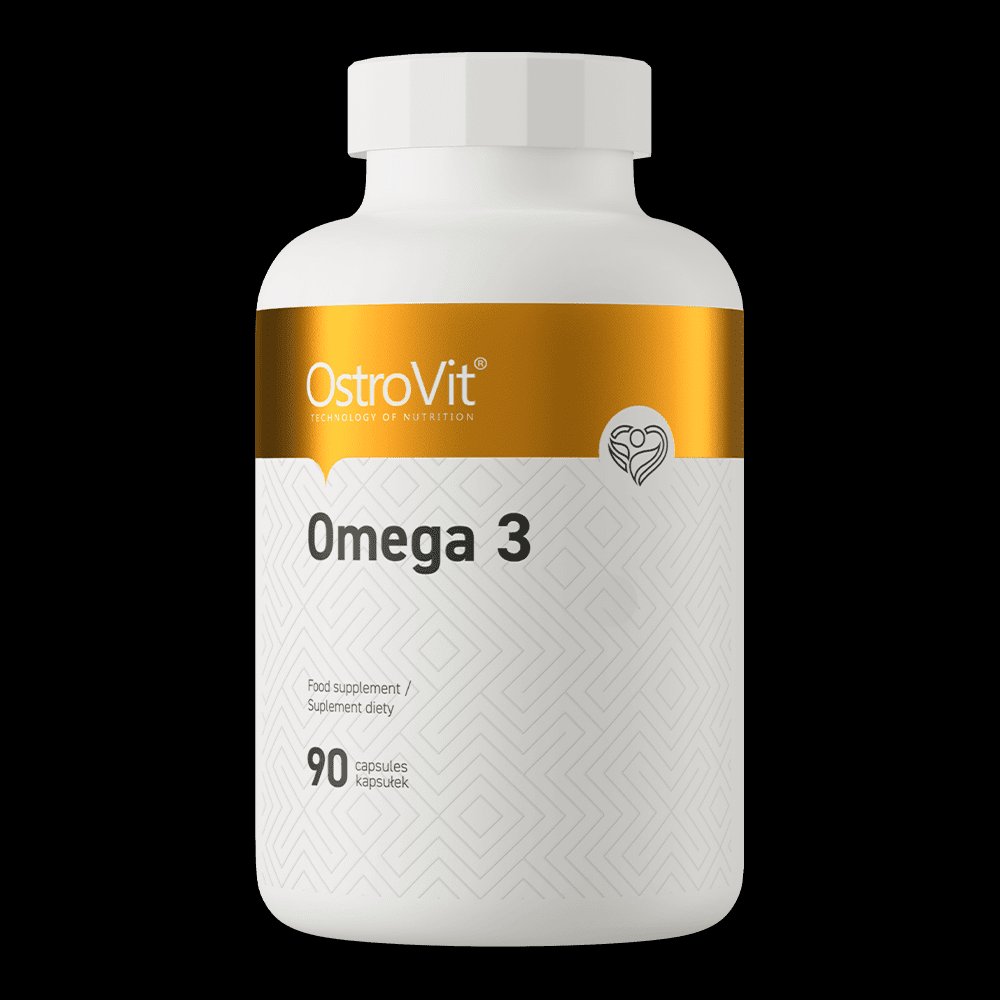
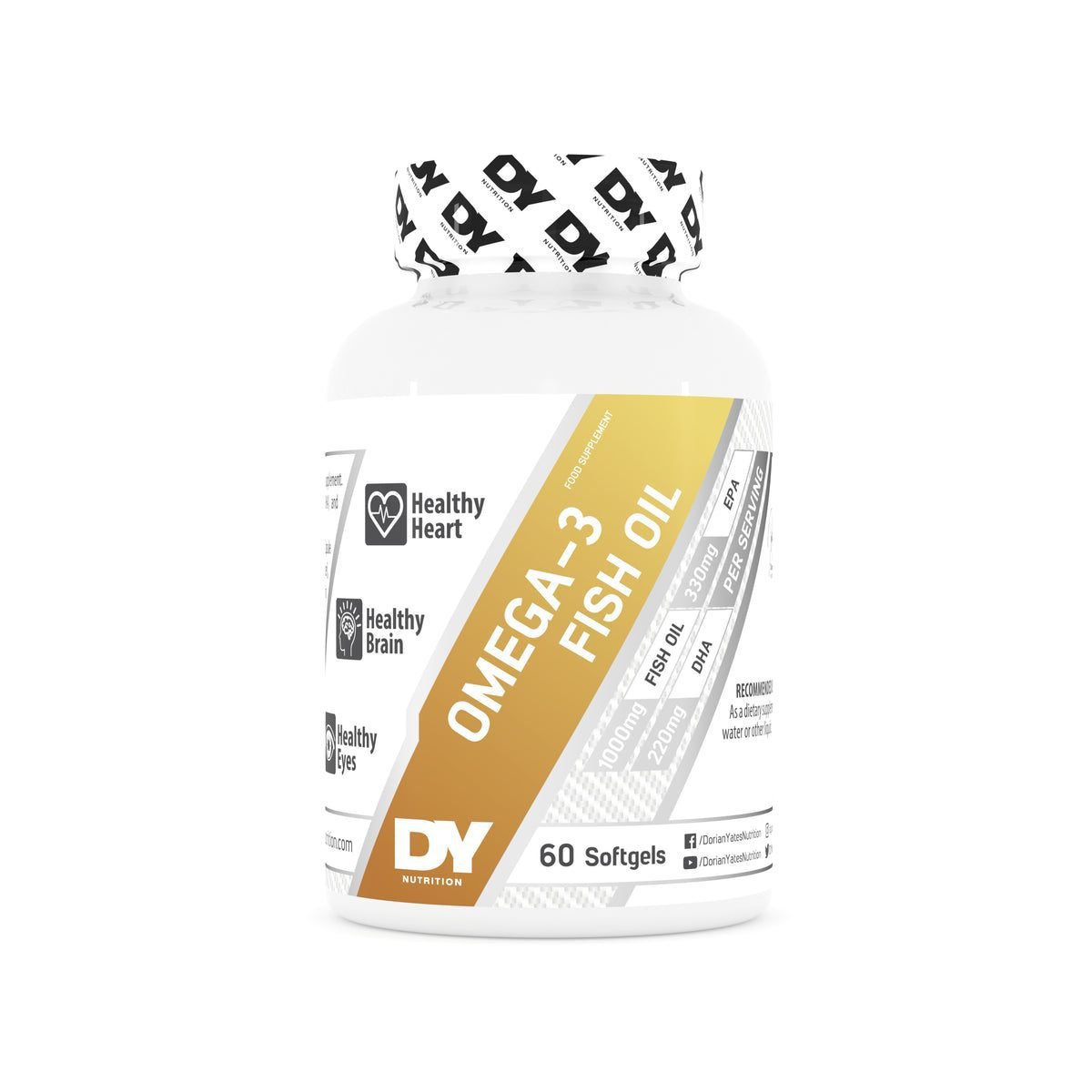
Three main product categories deliver EPA and DHA to consumers. Each differs in origin, molecular form, sustainability, and practical trade-offs.
| Feature | Fish Oil | Krill Oil | Algae Oil |
|---|---|---|---|
| Source | Fatty fish (anchovy, sardine, mackerel) | Antarctic krill | Microalgae (Schizochytrium, Nannochloropsis) |
| Main fatty acids | EPA + DHA | EPA + DHA | DHA primary; some EPA |
| Molecular form | Triglyceride or ethyl ester | Phospholipid | Triglyceride |
| Bioavailability | Good (TG form) to moderate (EE form) | High (phospholipid form) | Good to high |
| Suitable for vegans | No | No | Yes |
| Sustainability | Variable — certification-dependent | Generally well-managed MSC stocks | Best — no fishing required |
| EPA+DHA per capsule | Typically highest (concentrated) | Lower | Medium |
| Aftertaste | Moderate to strong | Low | Very low |
Fish oil is the most researched and cost-effective source. It is extracted from the tissue of small pelagic fish and sold in three molecular forms. Natural triglyceride (TG) fish oil is the form closest to what you eat when you consume a whole fish. Ethyl ester (EE) concentrate is a processed form with higher EPA+DHA per gram but lower bioavailability. Re-esterified triglyceride (rTG) concentrate combines high concentration with restored bioavailability. Dyerberg et al. (2010) compared absorption of these forms in healthy volunteers and found that rTG and phospholipid (krill) forms were significantly more bioavailable than the EE form — a clinically relevant difference when comparing products at equivalent EPA+DHA doses.
Krill oil comes from Euphausia superba, a small crustacean harvested in Antarctic waters under Marine Stewardship Council oversight. The distinguishing feature is that EPA and DHA are bound in phospholipids — the same molecular form found in cell membranes. Phospholipid-bound omega-3 may be absorbed efficiently without requiring re-esterification steps. Krill oil also contains astaxanthin, a carotenoid antioxidant that provides some inherent protection against lipid oxidation. The trade-off is lower EPA+DHA content per capsule compared with concentrated fish oil.
Algae oil deserves special attention because algae are the original source of marine omega-3: small fatty fish do not synthesise EPA and DHA themselves — they accumulate these fatty acids by eating microalgae, either directly or through the food chain. Algae oil therefore cuts out the intermediary entirely. It carries no risk of oceanic heavy-metal or persistent organic pollutant contamination and has the lowest ecological footprint of the three options. Most commercial algae oils are DHA-dominant, though EPA-containing algae oils are increasingly available. Algae oil is also the only long-chain omega iii source suitable for vegans and vegetarians.
Dosage Guidelines
Health and nutrition authorities, including the European Food Safety Authority (EFSA), have established reference intakes for EPA and DHA across different life stages and purposes. Rather than citing specific milligram figures here — because appropriate amounts depend heavily on the molecular form of the supplement, individual health status, diet, and purpose of supplementation — a few practical principles apply broadly.
For general health maintenance, epidemiological data consistently supports regular, moderate intake of EPA+DHA from food or supplements. Populations with traditional high-fish diets generally show the patterns associated with adequate omega iii status. For those who do not regularly eat fatty fish, a daily supplement closes this gap.
For athletes and physically active individuals, higher intakes may support recovery. Smith et al. (2011) demonstrated increased muscle protein synthesis with omega-3 supplementation in older adults; whether similar effects apply to younger athletes is an active area of research, but the mechanistic rationale — reduced exercise-induced inflammatory signalling — is plausible.
For cardiovascular health, Mozaffarian and Wu (2011) note that the evidence base spans a wide range of supplemental doses studied in diverse clinical settings, suggesting the benefit is not tied to a single narrow intake window.
Practical guidance that applies regardless of dose:
- Take omega iii capsules with a meal containing dietary fat. Bile release triggered by fat in the meal is essential for efficient absorption of fat-soluble substances, and the difference in absorption between fasted and fed states is substantial, especially for ethyl ester products.
- Consistency matters more than timing. Tissue fatty acid levels take at least eight to twelve weeks of daily intake to stabilise; a moderate dose taken every day will outperform a large dose taken sporadically.
- Store omega iii supplements in a cool, dark place or refrigerate after opening. These fatty acids are highly susceptible to oxidation, and heat, light, and oxygen accelerate rancidity.
- Consult a healthcare professional if you take anticoagulant medication, as high-dose omega-3 supplementation may affect platelet aggregation.
Quality Indicators: What to Look For
Not all omega iii supplements deliver what their labels suggest. Several quality markers meaningfully separate well-made products from inferior ones.
TOTOX value (Total Oxidation) is the standard measure of lipid oxidation in fish oil. It is calculated as (2 × peroxide value) + anisidine value. A lower TOTOX indicates fresher, less oxidised oil. Industry guidelines suggest a TOTOX below 26 as acceptable, but premium products aim substantially lower. Manufacturers who voluntarily disclose TOTOX values — or submit products to third-party bodies such as IFOS (International Fish Oil Standards) — signal a commitment to quality that less transparent brands do not.
Molecular form and bioavailability are perhaps the single most underappreciated quality dimension. Dyerberg et al. (2010) enrolled healthy volunteers in a crossover study comparing four omega-3 formulations and found that re-esterified triglyceride (rTG) and phospholipid (krill) forms were absorbed significantly more efficiently than the ethyl ester form. The practical implication: two products with identical EPA+DHA content on the label can deliver meaningfully different amounts of fatty acids to tissues depending on their molecular form. Look for labels that state natural triglycerides, re-esterified triglycerides (rTG), or phospholipid-bound.
Actual EPA+DHA concentration per capsule is more informative than total oil volume. A 1000 mg fish oil capsule may contain as little as 300 mg of combined EPA+DHA if it is a standard-concentrate product. Premium concentrated products often provide 600–800 mg or more of EPA+DHA per capsule, meaning fewer capsules are needed to reach a given intake.
Purity certifications address contaminant risk. Fatty fish accumulate mercury, lead, cadmium, PCBs, and dioxins from seawater. Responsible manufacturers test every production batch and publish results. Third-party certifications from IFOS, Friend of the Sea (FOS), or the Marine Stewardship Council (MSC) provide independent verification of both purity and sustainable sourcing.
Species and region transparency on the label indicates traceability. Small pelagic species such as anchovy, sardine, and sprat from certified South Pacific or North Atlantic fisheries are widely regarded as the most sustainable and lowest-contaminant sources for fish oil production.
Omega III in the Nordic and Baltic Context
The Nordic dietary tradition is historically one of the world's richest in naturally occurring EPA and DHA. Fatty fish — herring, salmon, sprats, mackerel — have been central to Baltic Sea cuisine for centuries, providing the coastal and island populations of Estonia, Finland, Sweden, and Norway with consistent omega iii intake from whole food sources. Estonian culinary tradition includes räim (Baltic herring), kilud (sprats in oil), and various salted and pickled fish preparations that once ensured meaningful EPA+DHA intake as a natural part of daily meals.
Modern dietary shifts have eroded this baseline significantly. Convenience food has displaced traditional fish preparation in many households. Fish consumption frequency among younger Estonians has declined over successive generations. Environmental pressures on Baltic herring stocks — driven by warming sea temperatures, altered salinity, and changing prey availability — have further reduced the abundance and quality of the fish that historically underpinned the Nordic omega iii advantage.
The Estonian winter compounds the challenge. From October through March, daylight is limited, outdoor activity narrows, and dietary variety tends to contract. While omega iii supplementation is not a substitute for adequate vitamin D or a varied diet, winter is the season when reviewing and filling nutritional gaps makes the most practical sense. Targeted supplementation during this period is a straightforward, evidence-based strategy for the many Estonians who no longer obtain adequate EPA and DHA from their habitual diet.
For those who do consume fatty fish two or more times per week — a frequency associated with meaningful EPA+DHA contribution in population studies — supplementation adds less marginal benefit. For the rest, a well-chosen omega iii supplement is not a luxury but a practical dietary gap-filler.
Choosing Your Omega III Supplement
The MaxFit omega-3 range carries a curated selection suited to different needs, budgets, and preferences.
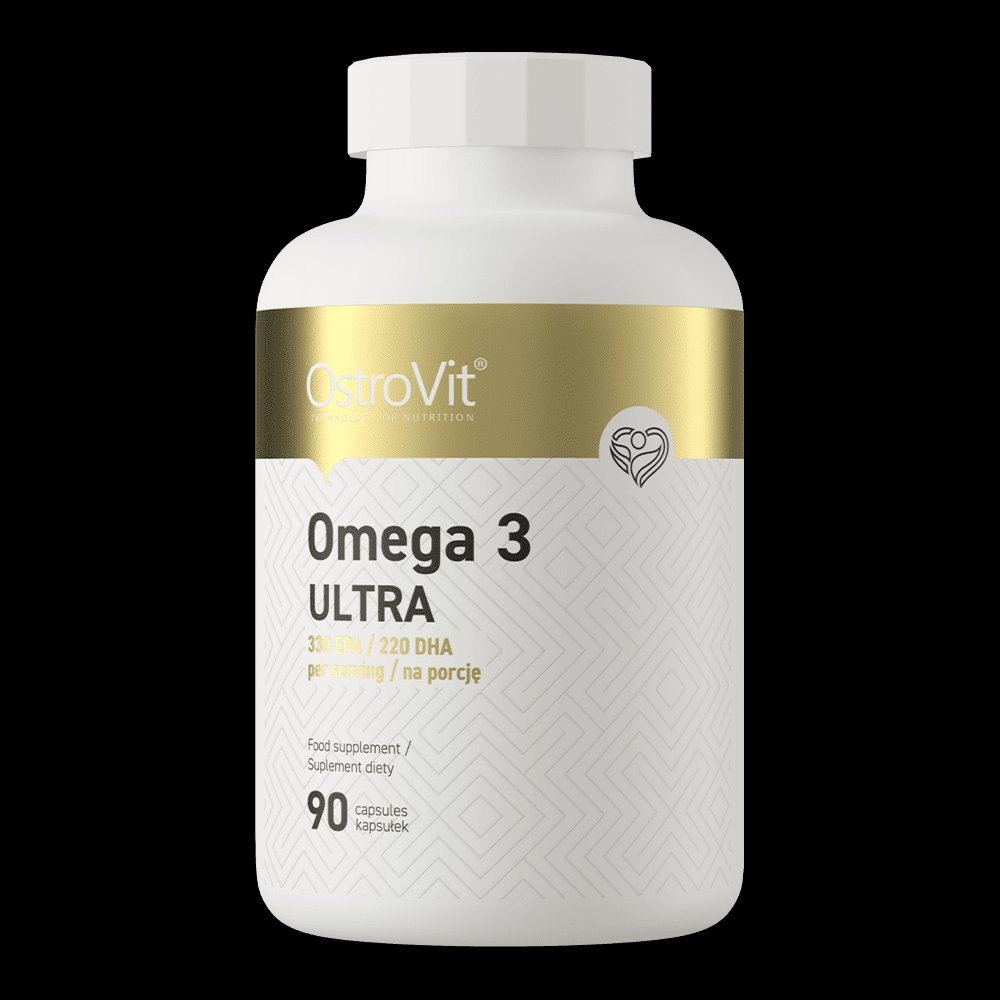
OstroVit Omega 3 Ultra 90caps is a high-volume fish oil supplement designed for consistent daily use. The 90-capsule format provides a three-month supply at a daily dose, making it practical for those who want to maintain supplementation without frequent reordering. It is a solid entry point for anyone new to omega iii supplementation.
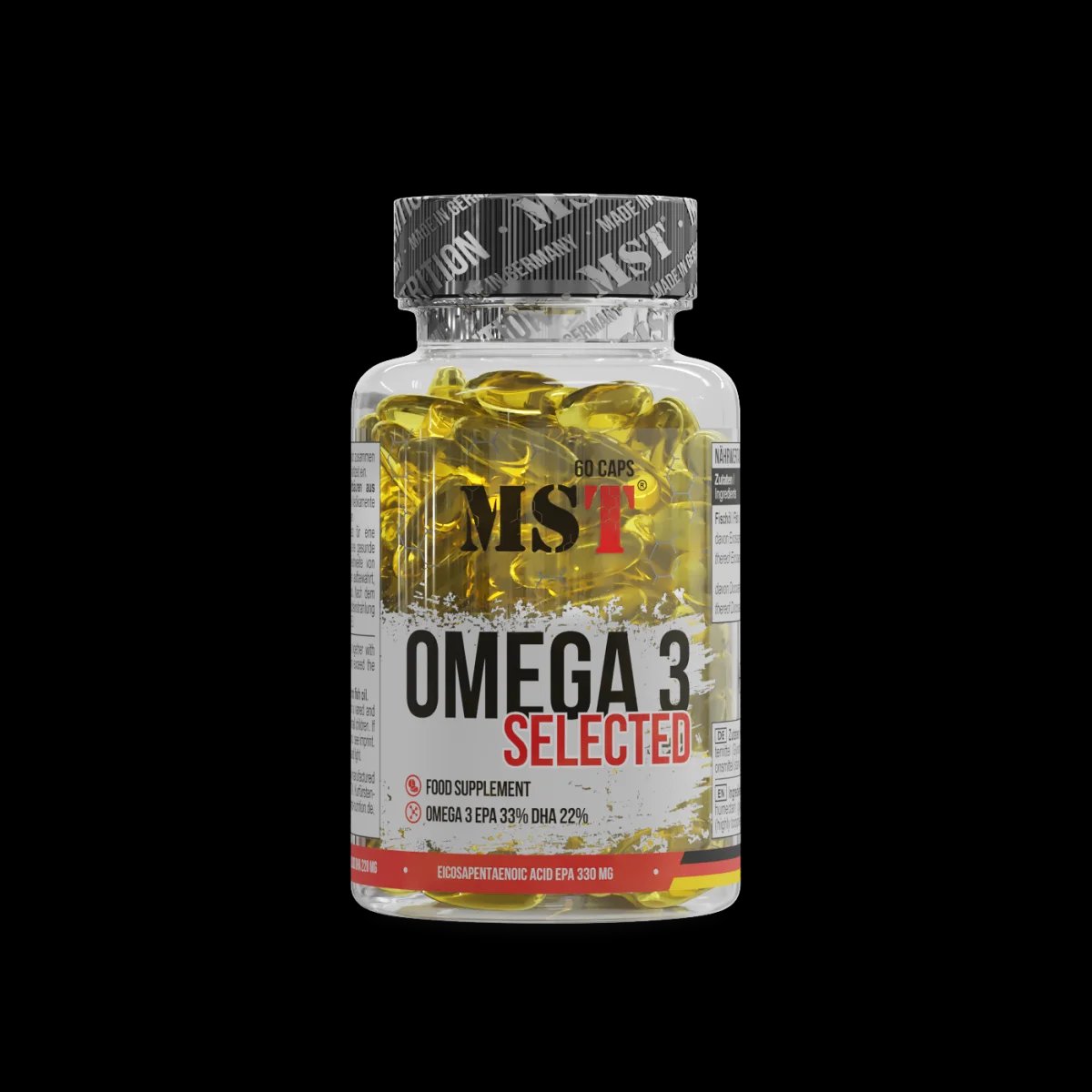
MST Omega 3 Selected 60 softgels is positioned as a higher-quality selection, with emphasis on sourcing and purity standards. For those who prioritise the quality of the raw material over the lowest price per capsule, this is a strong option backed by careful ingredient selection.
For those seeking a broader nutritional approach, OstroVit Omega 3 + ADEK 90caps combines omega-3 fatty acids with the fat-soluble vitamins A, D, E, and K in a single daily capsule. This combination addresses several nutritional gaps that are especially common in northern European winters, when vitamin D deficiency is widespread and dietary variety narrows.
NOW Omega 3 1000mg 100 Softgels offers a high capsule count at a competitive price point, making it accessible for those who want a dependable daily omega iii source without a significant budget commitment.
Whatever product you choose, consistency is the decisive factor. Omega iii fatty acids must accumulate in cell membrane phospholipids over weeks to months before their physiological effects are fully established. A product of moderate quality taken every day will deliver more benefit than a premium product taken intermittently.
FAQ
What is omega iii and how is it different from omega-3?
Omega iii is an alternative spelling of omega-3. Both names refer to the same family of polyunsaturated fatty acids defined by a double bond at the third carbon from the methyl end of the chain. The terms omega-3, omega iii, n-3 fatty acids, and n-3 PUFAs are all synonymous and are used interchangeably in nutrition science, product labelling, and health journalism. The most important members for human health are EPA and DHA (from marine sources including fish, krill, and algae) and ALA (from plant foods such as flaxseed and walnuts).
Is algae oil as effective as fish oil for omega iii?
Algae oil is the original source: fish accumulate EPA and DHA by eating microalgae, directly or through the food chain. For DHA specifically, direct supplementation with algae oil is well-supported and bypasses concerns about ocean contaminants and the environmental impact of wild-catch fishing. The bioavailability of algae-derived DHA in triglyceride form is considered good (Dyerberg et al., 2010). The main practical limitation is that most commercial algae oils are DHA-dominant with relatively little EPA, so those who specifically want EPA may prefer fish oil or a combined algae product that provides both fatty acids.
How do I know if my omega iii supplement is high quality?
Four markers matter most. First, check the actual EPA+DHA content per serving — not the total oil volume. Second, look for the molecular form: triglyceride or phospholipid forms are more bioavailable than the ethyl ester form (Dyerberg et al., 2010). Third, look for a disclosed TOTOX value or third-party certification such as IFOS, which independently verifies freshness and purity. Fourth, check for transparency about fish source, species used, and published contaminant test results. Products that clearly disclose all four are a safer choice than those that only show total oil weight per capsule.
References
Calder PC. (2013). Omega-3 polyunsaturated fatty acids and inflammatory processes: nutrition or pharmacology? Br J Clin Pharmacol, 75(3), 645-662. https://pubmed.ncbi.nlm.nih.gov/22765297/
Dyerberg J, Madsen P, Moller JM, Aardestrup I, Schmidt EB. (2010). Bioavailability of marine n-3 fatty acid formulations. Prostaglandins Leukot Essent Fatty Acids, 83(3), 137-141. https://pubmed.ncbi.nlm.nih.gov/20638827/
Mozaffarian D, Wu JH. (2011). Omega-3 fatty acids and cardiovascular disease: effects on risk factors, molecular pathways, and clinical events. J Am Coll Cardiol, 58(20), 2047-2067. https://pubmed.ncbi.nlm.nih.gov/22051327/
Smith GI, Atherton P, Reeds DN, et al. (2011). Dietary omega-3 fatty acid supplementation increases the rate of muscle protein synthesis in older adults: a randomized controlled trial. Am J Clin Nutr, 93(2), 402-412. https://pubmed.ncbi.nlm.nih.gov/21159787/