What Is Serotonin?
Serotonin (5-hydroxytryptamine, or 5-HT) is a monoamine neurotransmitter found throughout the body. While most people associate serotonin with the brain, approximately 90% of the body's serotonin is produced in the gastrointestinal tract, where it regulates gut motility and digestive function. The remaining roughly 10% is synthesised in the raphe nuclei of the brainstem, from where it projects widely across the forebrain and acts as a neurotransmitter influencing cognition, emotional processing, and a broad range of physiological processes.
One of the most important biochemical facts about serotonin is that it does not cross the blood-brain barrier. The brain must therefore produce its own independent supply. The synthesis pathway begins with the essential amino acid tryptophan, which is first converted to 5-hydroxytryptophan (5-HTP) by the enzyme tryptophan hydroxylase, and then to serotonin by aromatic amino acid decarboxylase. Because the brain cannot manufacture tryptophan itself, dietary intake of this amino acid is the foundational upstream variable in brain serotonin availability.
Once synthesised, serotonin is stored in presynaptic vesicles, released into the synapse in response to neural signals, and then either binds to postsynaptic receptors or is taken back up by the serotonin reuptake transporter (SERT) for recycling. The family of serotonin receptors is extensive, with at least 14 distinct receptor subtypes identified, each with different distributions and functional roles across brain regions and peripheral tissues. This diversity of receptor types underlies the wide range of physiological and psychological processes that serotonin is involved in regulating.
Serotonin and Mood: How the "Feel-Good Neurotransmitter" Works
Serotonin earned its popular reputation as the "feel-good neurotransmitter" due to its broad role in regulating mood, emotional processing, and stress responses. Serotonin receptors are distributed across the limbic system, prefrontal cortex, and basal ganglia — regions deeply involved in emotional regulation, decision-making, and executive function.
When serotonin signalling is robust, people commonly report feelings of calm, focus, and emotional resilience. Reduced serotonin availability has been associated with low mood, irritability, increased anxiety, and difficulty concentrating — though the relationship between serotonin and mood is considerably more complex than the simple "more serotonin equals better mood" framing that often appears in popular accounts. Serotonin acts more as a modulator of emotional processing than as a direct cause of any particular emotional state.
Research consistently shows that manipulating tryptophan availability changes mood states in healthy individuals. Studies using acute tryptophan depletion — a method that temporarily lowers brain serotonin synthesis by providing a tryptophan-free amino acid mixture — reliably produce transient mood disturbances in healthy volunteers, while tryptophan loading tends to improve mood metrics (Silber BY, Schmitt JA., 2010). This dose-dependent relationship between tryptophan availability and mood provides some of the strongest causal evidence linking serotonin to emotional regulation.
It is also worth noting that serotonin interacts extensively with other neurotransmitter systems. Its effects on mood are intertwined with dopamine (motivation and reward), noradrenaline (alertness and stress response), and GABA (inhibitory tone). A genuine understanding of emotional regulation therefore requires looking at multiple systems rather than serotonin in isolation.
The Serotonin-Melatonin Pathway: From Mood to Sleep
One of the most important and often overlooked functions of serotonin is its role as the direct biochemical precursor to melatonin — the hormone that governs circadian rhythms and sleep onset. In the pineal gland, serotonin undergoes two sequential enzymatic reactions: it is first acetylated to N-acetylserotonin by the enzyme arylalkylamine N-acetyltransferase (AANAT), and then methylated to melatonin by hydroxyindole-O-methyltransferase (HIOMT).
This biochemical link creates a crucial dependency: adequate daytime serotonin activity is a prerequisite for healthy nighttime melatonin production. The synthesis of melatonin in the pineal gland is driven by darkness, mediated through the retinohypothalamic tract. But the substrate available for melatonin synthesis is set by the serotonin that has accumulated in the pineal over the preceding daylight hours. People who spend little time in natural light during the day — a common situation in Estonia's long, dark winters — may have chronically suppressed serotonin rhythms that cascade into disrupted melatonin secretion and poor sleep quality.
Melatonin, in turn, synchronises the master circadian clock located in the suprachiasmatic nucleus (SCN) of the hypothalamus with the external light-dark cycle. Disruptions to this synchronisation system have wide-ranging consequences. Research examining the role of melatonin in circadian physiology has found that it plays a central part in maintaining not only sleep timing but also metabolic, immune, and reproductive rhythms (Zisapel N., 2018). The serotonin-melatonin axis is therefore a key link between daytime light exposure, brain chemistry, and overall health across the full 24-hour cycle.
Tryptophan: The Dietary Precursor to Serotonin
Because the brain cannot synthesise tryptophan itself, dietary intake is the sole route for supplying the raw material needed for serotonin synthesis. Tryptophan is classified as an essential amino acid, meaning it must be obtained from food. Excellent dietary sources include:
- Turkey and chicken breast
- Eggs, particularly egg whites
- Dairy products such as milk, yogurt, and cheese
- Soy products and legumes including lentils and chickpeas
- Pumpkin seeds and sunflower seeds
- Oats, quinoa, and other whole grains
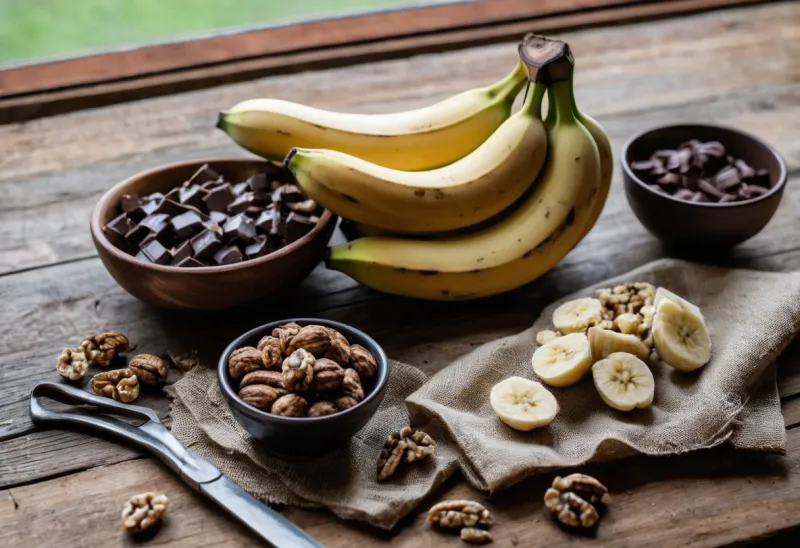
- Dark chocolate and bananas in smaller amounts
A pharmacologically important nuance is that tryptophan competes with other large neutral amino acids (LNAAs) — including phenylalanine, tyrosine, leucine, isoleucine, and valine — for transport across the blood-brain barrier via the same shared carrier system. A mixed high-protein meal, while rich in tryptophan in absolute terms, does not necessarily raise brain tryptophan because the simultaneously elevated competing amino acids crowd out tryptophan's transport.
Interestingly, consuming carbohydrates alongside protein creates a different dynamic. Carbohydrates stimulate insulin secretion, and insulin preferentially drives branched-chain and other LNAAs into muscle tissue, reducing their plasma concentrations. Tryptophan, which binds extensively to albumin in the blood and is thus partially shielded from this insulin effect, ends up with a higher ratio relative to competing amino acids in the plasma — and therefore improved competitive access to brain transport (Silber BY, Schmitt JA., 2010).
This is one physiological explanation for why many people feel calm or sleepy after a carbohydrate-heavy meal — not purely from blood glucose effects, but partly because the insulin response increases the plasma tryptophan-to-LNAA ratio, potentially raising brain tryptophan and serotonin synthesis.
Natural Ways to Support Serotonin Production
Supporting serotonin production naturally involves addressing several lifestyle factors simultaneously. Evidence consistently supports the following strategies:
Sunlight exposure: Bright light exposure — particularly in the morning — is one of the most potent natural stimulants of serotonin activity. Sunlight activates serotonin transporter expression and promotes serotonin synthesis in the raphe nuclei. Even on overcast days, outdoor light (typically 2,000–10,000 lux outside versus 200–500 lux indoors) provides a meaningful photostimulus. Aim for 20–30 minutes of outdoor exposure within the first hour of waking, without sunglasses if safely possible.
Aerobic exercise: Physical activity consistently elevates brain serotonin through at least two mechanisms. First, exercise reduces plasma concentrations of competing LNAAs relative to tryptophan, improving tryptophan's brain uptake. Second, sustained aerobic activity is associated with increased serotonin synthesis rates in the raphe nuclei, likely through activity-dependent upregulation of tryptophan hydroxylase. Moderate-intensity aerobic exercise lasting 30 or more minutes appears to produce the most consistent effects.
Dietary tryptophan strategy: Combining moderate protein intake — specifically tryptophan-rich sources — with carbohydrates at breakfast and lunch may optimise tryptophan availability for brain serotonin synthesis throughout the active day. Avoid very high-protein meals that flood the bloodstream with competing amino acids without the accompanying insulin signal.
Social connection and meaningful engagement: Evidence from human and animal studies suggests that serotonin activity is sensitive to social context. Positive social interactions, a sense of belonging, and engagement in meaningful activities are associated with more stable serotonin signalling over time.
Stress management: Chronic psychological stress elevates cortisol, which over time can downregulate serotonin receptor expression and impair serotonin synthesis. Regular mindfulness practice, adequate rest, and deliberate recovery periods all support the long-term health of the serotonin system.
Estonian Winter and Serotonin: Why Latitude Matters
Estonia sits at approximately 59 degrees North latitude — comparable to Oslo, Helsinki, and southern Alaska. At this latitude, winter days are dramatically shortened: in December and January, Tallinn receives as few as 5 to 6 hours of daylight, and persistent cloud cover frequently reduces usable light intensity to levels insufficient to trigger robust morning serotonin synthesis.
This creates a predictable seasonal pattern for many Estonian residents. During the autumn and winter months, reduced light exposure suppresses morning serotonin signalling, which in turn impairs the downstream conversion to melatonin needed to anchor healthy sleep-wake cycles. The practical result for many people is a measurable worsening of mood, energy, and sleep quality during the darker half of the year.
Light therapy lamps — typically 10,000-lux devices used for 20 to 30 minutes each morning — are widely recommended at northern latitudes to compensate for the deficit in natural light. Their primary mechanism involves circadian entrainment through the retinohypothalamic tract and direct suppression of melatonin during morning hours, resetting the circadian clock earlier. Part of the benefit may also operate through serotonin-mediated pathways, since bright light exposure is one of the strongest known stimuli of serotonin synthesis.
Vitamin D is an additional consideration specific to northern latitudes. Cutaneous synthesis of Vitamin D requires UVB radiation, which drops to effectively zero at Estonian latitudes from October through March. Although Vitamin D is not a direct participant in the serotonin synthesis pathway, researchers have identified Vitamin D response elements in the promoter regions of the gene encoding tryptophan hydroxylase 2 (TPH2) — the rate-limiting enzyme for brain serotonin synthesis. This suggests that chronically low Vitamin D status, which is common in northern populations during winter, may indirectly reduce the brain's capacity for serotonin production.
Melatonin Supplementation for Sleep
When the body's natural serotonin-melatonin pathway is disrupted — by insufficient light during the day, excess artificial light at night, irregular sleep schedules, or travel across time zones — supplemental melatonin can help re-anchor the circadian clock.
A systematic review and meta-analysis found that exogenous melatonin significantly reduces sleep onset latency and improves overall sleep quality in people with primary sleep disorders (Buscemi N. et al., 2005). The dose range studied in clinical research is generally 0.5 to 5 mg, taken 30 to 60 minutes before the desired sleep time. Notably, lower doses in the 0.5 to 1 mg range are often sufficient for circadian re-entrainment and carry a lower risk of causing morning grogginess compared with higher doses.
ICONFIT Capsules Melatonin N90 provides a measured daily dose of melatonin in convenient capsule form, making it straightforward to establish a consistent supplementation routine. Each capsule delivers a precise dose designed for ease of use without the need to split or adjust tablets.
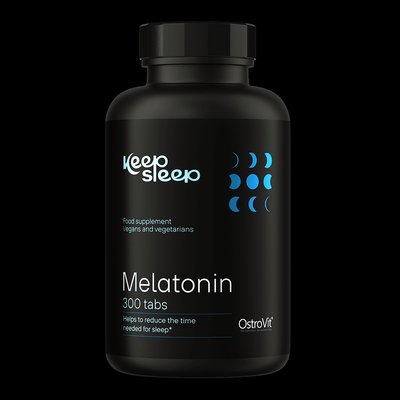 OstroVit Keep Sleep Melatonin€8.90 In stock 300tabs offers a high-count tablet format — practical for those seeking a long-term supply without the inconvenience of frequent reordering. The tablet format also provides flexibility for those who wish to experiment with dosing.
It is important to understand that melatonin is not a sedative in the conventional pharmacological sense. Rather than directly inducing sedation, it functions as a chemical signal that communicates to the body that nighttime has arrived, nudging the circadian clock into its sleep phase. This mechanistic distinction matters practically: melatonin is most effective when used to correct timing-related sleep problems — jet lag, shift work disruption, delayed sleep phase — rather than as a nightly sleep-forcing agent for insomnia unrelated to circadian timing.
Supplement Stacking for Better Sleep
Some individuals benefit from combining melatonin with complementary ingredients that support sleep quality through distinct mechanisms. The most evidence-supported additions include:
Magnesium: Magnesium supports inhibitory GABAergic signalling and promotes muscle relaxation, making it a widely used companion to melatonin in sleep formulas. Forms with good bioavailability include magnesium bisglycinate and magnesium citrate.
L-theanine: An amino acid found naturally in green tea, L-theanine promotes alpha-wave brain activity associated with relaxed alertness and reduces subjective anxiety without causing sedation — a useful effect in the hour before sleep.
Lemon balm and passionflower: Botanical extracts traditionally used to support relaxation. They are often included in multi-ingredient sleep formulas alongside melatonin.
ICONFIT Capsules Good Sleep N90 is a multi-ingredient formula that combines melatonin with botanical extracts and other sleep-supporting nutrients in a single daily capsule. This kind of stacked approach can be particularly valuable during periods of high stress, irregular schedules, or seasonal transitions when single-ingredient melatonin alone may not address all the relevant contributing factors.
BIOTECHUSA Night 60 caps is a comprehensive nighttime recovery formula that addresses multiple aspects of sleep quality simultaneously. It is particularly popular among active individuals and athletes, for whom deep slow-wave sleep is essential not only for subjective restfulness but also for muscle protein synthesis, hormonal recovery, and adaptation to training.
When combining supplements, the prudent approach is to start with the lowest effective dose of each ingredient and introduce new additions one at a time, allowing at least a week between additions to accurately assess the contribution of each component. Evening use of stimulants — caffeine, high-dose B vitamins — should be avoided, as these can actively counteract the quieting signals being sent by melatonin and relaxation-supporting compounds.
Sleep Hygiene Tips
Supplementation delivers the most consistent benefit when layered onto a solid foundation of sleep hygiene practices. The most consistently evidence-supported habits include:
Consistent sleep schedule: Going to bed and waking at the same time every day — including weekends — is the single most powerful behavioural anchor for the circadian clock. Even two or three nights of irregular timing can produce measurable circadian disruption.
Dark, cool bedroom: Melatonin secretion is acutely suppressed by light, especially blue-wavelength light in the 460–490 nm range. A dark bedroom (blackout curtains are effective) and a room temperature of approximately 16–19°C support natural melatonin production and the core body temperature drop associated with deep sleep.
Screen curfew 1–2 hours before bed: Blue-light-emitting screens used close to bedtime can delay melatonin onset by 30 minutes or more. Night mode settings or blue-light-blocking glasses used consistently in the evening measurably reduce this interference.
Wind-down routine: Engaging in calming activities in the final hour before bed — reading a physical book, gentle stretching, slow breathing exercises — helps transition the autonomic nervous system from sympathetic (alert) to parasympathetic (rest and digest) dominance, which is the physiological state most conducive to sleep onset.
Morning light first: Before seeking any supplementation or therapeutic intervention, prioritise morning bright light exposure. It is the most potent zeitgeber for the human circadian system, sets the phase of the serotonin-melatonin cycle for the following night, and costs nothing.
Serotonin-Supporting Supplements at MaxFit
MaxFit carries a curated range of sleep and relaxation products that work along the serotonin-melatonin pathway and address broader sleep quality. Whether you are looking for a simple melatonin product for occasional use, a comprehensive multi-ingredient sleep formula, or supporting nutrients such as magnesium, the range is selected to serve varied needs and preferences.
When choosing a supplement, it helps to be clear about your primary goal. If your main challenge is difficulty falling asleep or jet lag, a standard melatonin product at a low dose is the most targeted starting point. If your challenge is sleep quality — waking during the night, shallow sleep, or feeling unrefreshed — a multi-ingredient formula addressing relaxation and sleep architecture may be more appropriate. During Estonian winter months, when the full serotonin-melatonin cycle is under additional environmental pressure, more comprehensive support may be warranted.
As always, supplements are intended to support a healthy lifestyle and should not be viewed as substitutes for the foundational behaviours — consistent sleep timing, adequate daylight exposure, and regular physical activity — that most strongly influence the serotonin system.
FAQ
Does serotonin directly cause happiness?
Serotonin's role in mood is considerably more nuanced than the popular "happiness chemical" label suggests. It functions primarily as a modulator of emotional processing rather than a direct cause of happiness or any other specific emotion. Higher serotonin signalling is associated with feelings of calm and emotional resilience, while lower serotonin availability is linked to increased irritability and reduced stress tolerance. Happiness is a complex state involving multiple neurotransmitter systems, hormones, and cognitive factors well beyond serotonin alone. Studies using acute tryptophan depletion to reduce serotonin show that mood disturbances are more reliably observed under stress conditions than at baseline, suggesting that serotonin's primary role may be in setting emotional reactivity thresholds rather than baseline hedonic tone (Silber BY, Schmitt JA., 2010).
Can I increase serotonin through diet alone?
Dietary tryptophan intake directly supplies the substrate for serotonin synthesis in the brain, so food choices do have a meaningful influence. Consuming tryptophan-rich foods alongside carbohydrates appears to optimise tryptophan's competitive access to brain transport, as the resulting insulin response reduces plasma concentrations of competing amino acids. However, diet is one of several interacting determinants of brain serotonin activity. Sunlight exposure and aerobic exercise both influence serotonin synthesis and signalling through mechanisms independent of tryptophan availability and are difficult to replace with dietary adjustments alone. The most effective approach addresses all three factors — diet, light, and movement — in combination.
Is melatonin safe for long-term use?
Current evidence suggests melatonin has a favourable safety and tolerability profile even with regular use. A systematic review of clinical trials did not identify significant adverse effects or evidence of dependency or withdrawal effects at doses in the 0.5–5 mg range used for sleep disorders (Buscemi N. et al., 2005). Some research has examined longer-term use in shift workers and older adults without identifying safety signals. That said, the general recommendation is to use the lowest dose that achieves the desired circadian effect and to continue addressing underlying sleep hygiene and light exposure habits so that supplementation can be reduced or discontinued as circumstances allow.
References
- Silber BY, Schmitt JA. Effects of tryptophan loading on human cognition, mood, and sleep. Neurosci Biobehav Rev. 2010;34(3):387-407.
- Buscemi N, Vandermeer B, Hooton N, et al. The efficacy and safety of exogenous melatonin for primary sleep disorders. J Gen Intern Med. 2005;20(12):1151-1158.
- Zisapel N. New perspectives on the role of melatonin in human sleep, circadian rhythms and their regulation. Br J Pharmacol. 2018;175(16):3190-3199.