Витамины Для Волос: Complete Guide 2026
When searching for "витамины для волос" (vitamins for hair in Russian) or "витамины для роста волос" (vitamins for hair growth), most people want to understand whether specific nutrients can genuinely prevent hair loss or accelerate growth. The research tells a nuanced story: vitamin and mineral deficiencies can certainly cause or worsen hair loss, but supplementing beyond sufficiency does not reliably produce extra growth. This guide covers the key nutrients with the strongest evidence, who actually needs them, and what the realistic expectations are.
Why Nutritional Status Affects Hair
Hair follicles are among the most metabolically active structures in the body. They cycle through rapid growth, transition, and resting phases, and this cycling requires consistent nutrient availability. Micronutrient shortfalls — even subclinical ones — can push more follicles into the resting (telogen) phase prematurely, resulting in increased shedding known as telogen effluvium.
Correcting a genuine deficiency often visibly improves hair density and reduces shedding over several months. However, this is restoration to baseline — not supra-normal growth. For athletes and active individuals ("витамины для спортсменов"), higher metabolic demands and potential dietary restrictions increase the risk of sub-optimal micronutrient status.
Biotin (Vitamin B7): The Most Popular Hair Vitamin
Biotin is the most marketed nutrient for hair, and the evidence is both real and often overstated. Biotin is genuinely essential for the enzyme reactions involved in keratin production — the structural protein of hair and nails.
Clinical studies have documented biotin deficiency as a cause of hair loss. A systematic review confirmed that biotin supplementation improves hair growth in individuals with documented biotin deficiency, and noted that all published cases of biotin use for hair loss involved an underlying deficiency or genetic disorder affecting biotin metabolism (Patel et al., 2017).
A separate study evaluating serum biotin levels found that a substantial proportion of women presenting with hair loss complaints had levels below the laboratory reference range, suggesting subclinical deficiency is more common than previously recognised (Trueb, 2016).
The practical implication: if you have hair loss and have not checked your biotin status, it is worth evaluating. If you are biotin-sufficient, large supplemental doses above dietary requirements are unlikely to produce dramatic effects.
Vitamin D: The Sunshine Vitamin and the Hair Follicle
Vitamin D receptors are present in hair follicle cells, and research has found associations between low Vitamin D levels and various types of hair loss including alopecia areata and female pattern hair loss. A study examining serum micronutrient levels in women with hair loss found significantly lower Vitamin D levels compared with controls (Rasheed et al., 2013).
In the Nordic context, Vitamin D insufficiency is extremely common — especially in Estonia and other high-latitude countries during the winter months, when UV-B radiation is insufficient for cutaneous synthesis. This makes Vitamin D supplementation practically relevant not only for bone and immune health, but potentially for hair follicle function as well.
However, correlation does not equal causation in cross-sectional studies. Supplementing Vitamin D will not magically grow hair in people who are already sufficient. The benefit is most likely seen in correcting genuine insufficiency.
Iron: An Overlooked Contributor
Iron deficiency is one of the most common micronutrient deficiencies globally, particularly among premenopausal women and athletes with high training loads. Low ferritin (stored iron) has been associated with increased hair shedding, and the same study documenting Vitamin D associations also found significantly lower ferritin in women with hair loss (Rasheed et al., 2013).
Iron supports the proliferative activity of hair follicle cells. When iron stores are depleted, the body prioritises essential functions and hair growth is deprioritised. Correcting iron deficiency — through diet or supplementation — can reverse this type of hair loss over several months.
Note: Iron supplementation is not appropriate for everyone. Iron overload can be harmful. Have iron status assessed by a healthcare provider before supplementing, particularly if hair loss is your primary concern.
Zinc: Cell Proliferation and Sebaceous Glands
Zinc plays a role in DNA synthesis and cell division, processes central to follicle cycling. It also regulates the activity of sebaceous glands adjacent to follicles. Zinc deficiency is associated with hair loss, and supplementation has shown benefit in zinc-deficient individuals. Excess zinc can paradoxically interfere with iron absorption, so balance matters.
B Vitamins Beyond Biotin
Other B vitamins — particularly folate (B9) and B12 — support red blood cell production and DNA replication in rapidly dividing follicle cells. Deficiencies of these nutrients, common in people following strict plant-based diets without supplementation, can compromise hair follicle metabolism. Athletes following vegan or restrictive diets should consider a comprehensive B-complex or a multivitamin that covers the full B-vitamin spectrum.
What Supplements Actually Help?
To summarise the evidence hierarchy:
- Biotin: Effective for correcting documented biotin deficiency or genetic biotin-metabolism disorders
- Vitamin D: Most relevant for those with documented insufficiency, particularly in high-latitude countries
- Iron: Address deficiency (check ferritin) — do not supplement blindly
- Zinc: Relevant when deficiency is documented; avoid excessive doses
- B-complex: Useful for broad B-vitamin coverage, particularly in restricted diets
- Multivitamins: Can serve as a nutritional insurance policy when dietary variety is limited
Products at MaxFit
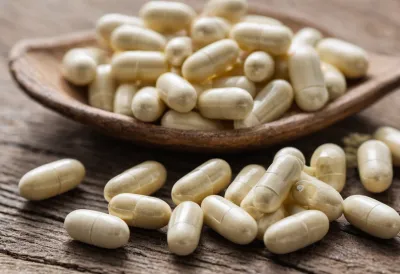
For hair-focused supplementation, maxfit.ee stocks several targeted options. OstroVit Biotin Plus 100tabs provides concentrated biotin in a convenient tablet format. MST Hair Advanced Formula with Keratin 60caps combines biotin with keratin and other hair-supportive nutrients for a comprehensive approach. 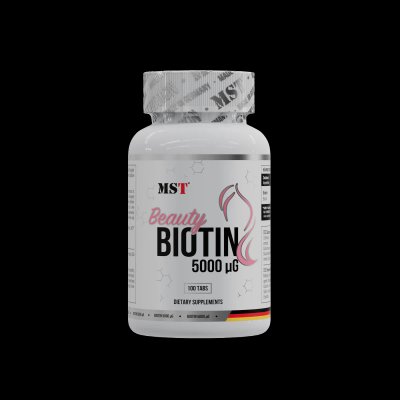 MST Beauty Biotin 5000mcg€16.90 In stock delivers a high-dose biotin option for those with documented deficiency. For broader micronutrient coverage including multiple hair-relevant vitamins,
 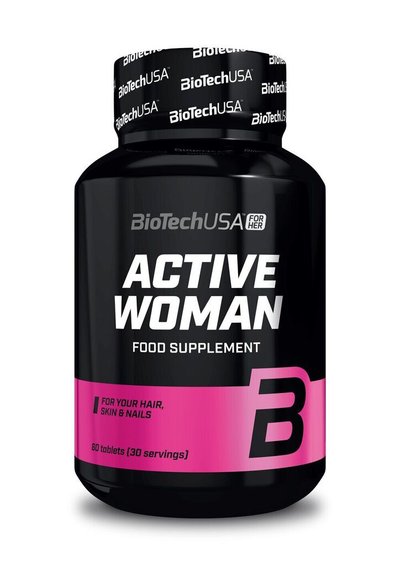 BIOTECHUSA Active Women€19.90 In stock 60tab covers a full spectrum designed for active women.
Browse the full range at the vitamins category on maxfit.ee.
Lifestyle Factors That Affect Hair Health
Beyond supplementation, several lifestyle factors significantly influence hair quality and loss:
- Protein intake: Hair is made of protein. Inadequate dietary protein is a direct cause of hair loss in cases of severe restriction.
- Caloric deficit: Aggressive caloric restriction — as seen in crash dieting — is a well-recognised trigger for telogen effluvium, often presenting as diffuse shedding three to six months after the restriction period.
- Stress: Chronic psychological stress elevates cortisol, which can push follicles into the telogen phase.
- Physical trauma and illness: Major surgery, childbirth, or severe illness can trigger temporary hair shedding.
- Heat and mechanical damage: Excessive heat styling and tight hairstyles cause physical breakage distinct from follicle-driven loss.
Addressing these root causes often produces more visible results than supplementation alone.
FAQ
Will biotin supplements grow my hair faster?
Biotin supplementation supports hair growth in individuals with documented biotin deficiency. For people with adequate biotin levels, supplementation at standard doses is unlikely to produce dramatic additional growth. Biotin is safe and widely used; it is simply not a universal hair growth booster.
How long does it take for vitamin supplements to improve hair health?
Hair grows approximately one centimetre per month. Nutritional improvements typically take three to six months to become visible, reflecting the hair growth cycle. Patience and consistent intake are required.
Do athletes need more vitamins for hair than non-athletes?
High training loads increase micronutrient turnover and can raise the risk of iron, zinc, and B-vitamin insufficiency. Athletes following restrictive diets (low calorie, low fat, or plant-based) are at higher risk and may benefit from regular micronutrient assessment.
References
Patel DP, Swink SM, Castelo-Soccio L. (2017). A review of the use of biotin for hair loss. Skin Appendage Disord, 3(3), 166-69. https://pubmed.ncbi.nlm.nih.gov/28879195/
Trueb RM. (2016). Serum biotin levels in women complaining of hair loss. Int J Trichology, 8(2), 73-77. https://pubmed.ncbi.nlm.nih.gov/27601860/
Rasheed H, Mahgoub D, Hegazy R, El-Komy M, Abd El Hay R, Hamid MA, Hamdy E. (2013). Serum ferritin and vitamin D in female hair loss: do they play a role? Skin Pharmacol Physiol, 26(2), 101-07. https://pubmed.ncbi.nlm.nih.gov/23428658/