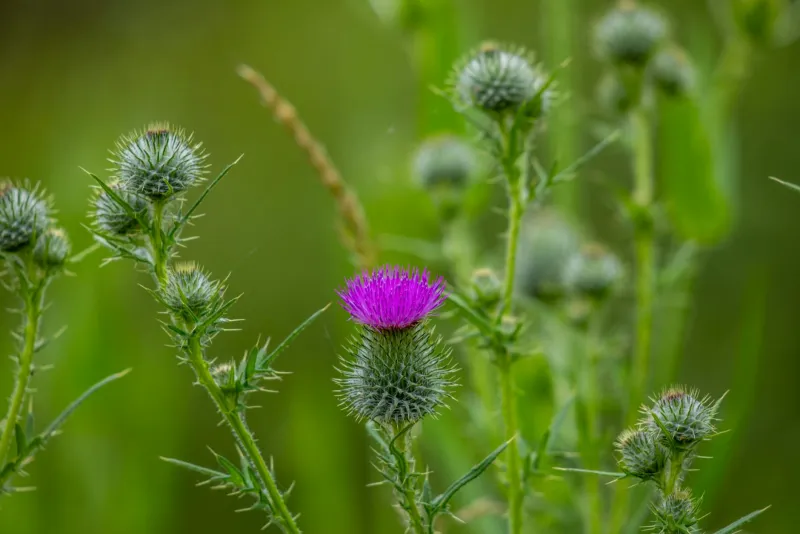
What Is Milk Thistle and Why Is It Called the Liver's Best Friend?
Shop this category — in stock now
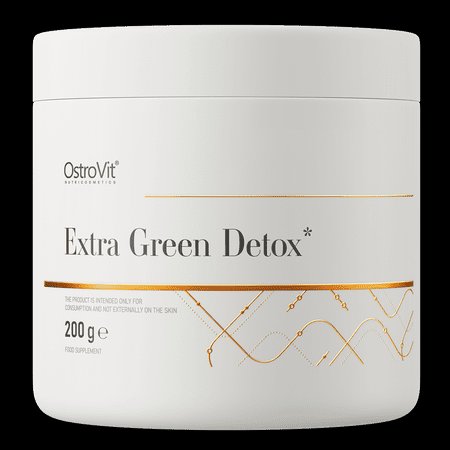
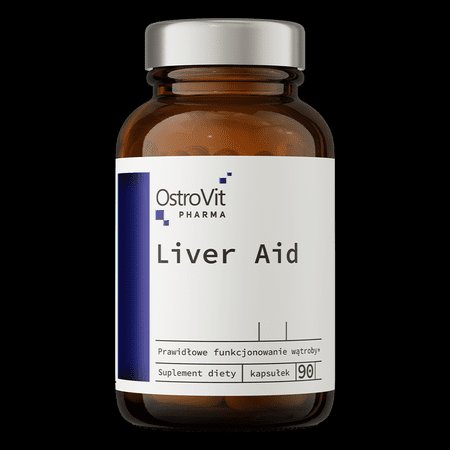
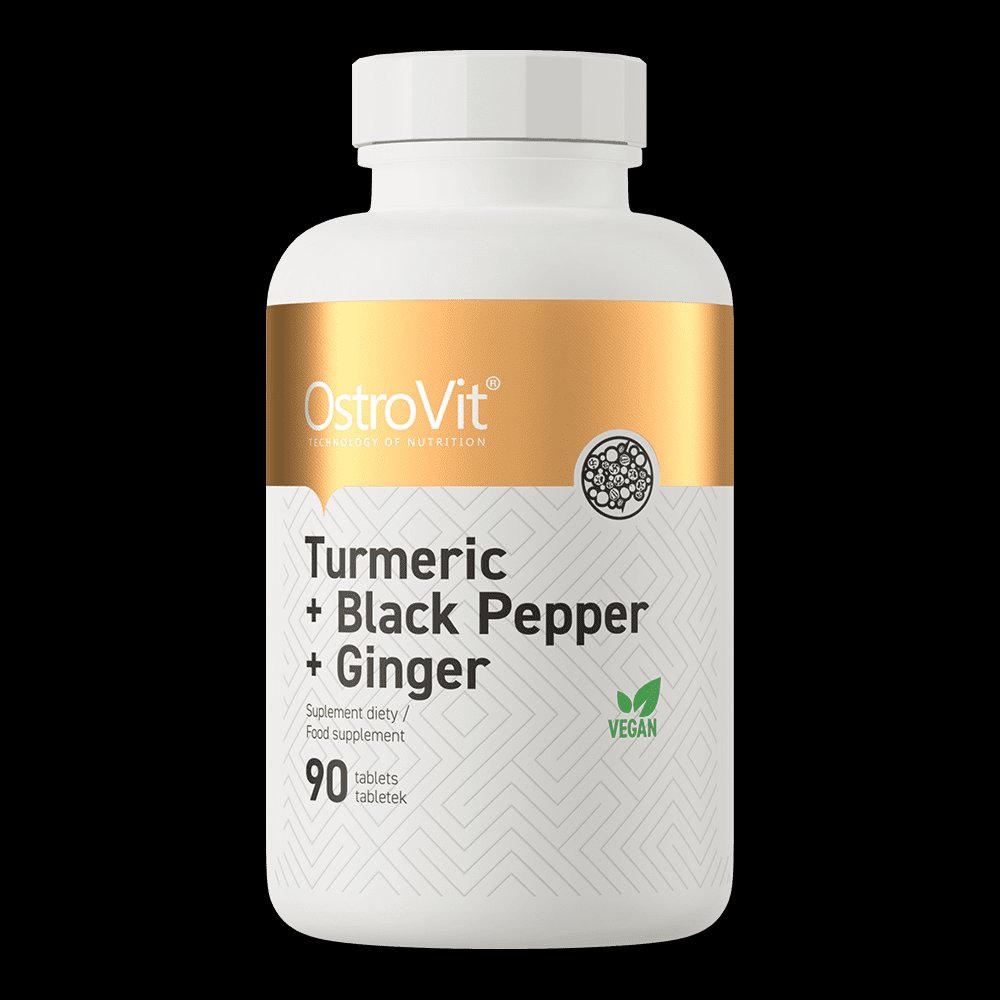
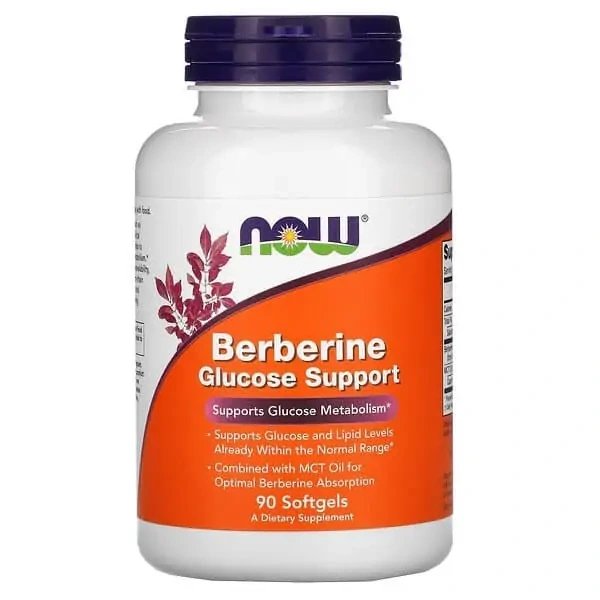
Milk thistle (Silybum marianum) is a thistle-like plant that has been an essential part of European folk medicine for over 2,000 years. The Roman naturalist Pliny the Elder described it in the 1st century as a support for the liver and bile ducts. Today, milk thistle is the world's most studied herbal hepatoprotectant (liver protector), with over 10,000 scientific studies published.
Milk thistle stands out from other herbal supplements because its active compound — silymarin — is well-defined, standardisable, and repeatedly clinically tested. This is not a vague "natural miracle cure" but a plant compound with a specific mechanism of action.
Silymarin consists of several flavonolignans:
- Silibinin (most active, comprising 50-70% of silymarin)
- Silydianin (~20%)
- Silychristin (~10%)
- Isosilibinin and other minor components
Milk thistle in Europe: Germany's Commission E and the European Medicines Agency (EMA) have both approved milk thistle extract as a traditional herbal medicine for digestive tract complaints and liver support. In several European countries, including Germany, milk thistle is a prescription herbal medicine.
How Does Silymarin Protect the Liver?
The liver is called the body's "chemical factory" — it processes everything we eat, drink, breathe in, and put on our skin. The liver has an astounding ability to regenerate, but constant strain from alcohol, medications, pollutants, and unhealthy food can overwhelm it.
Silymarin protects the liver on multiple levels:
1. Antioxidant protection: The liver produces abundant free radicals during metabolic processes. Silymarin is one of the most potent natural antioxidants in the liver context:
- Directly neutralises free radicals in liver cells
- Raises glutathione levels in liver tissue by up to 35% — glutathione is the body's primary antioxidant
- Stimulates superoxide dismutase (SOD) production
- Protects mitochondrial DNA from oxidative damage
2. Membrane-stabilising effect: Silibinin integrates into the membrane of liver cells (hepatocytes), making them stronger and more resistant to toxin attacks. This mechanism is unique and explains why milk thistle protects even against strong toxins.
3. Anti-inflammatory effect: Silymarin inhibits the NF-κB inflammatory pathway and reduces the production of inflammatory mediators (TNF-α, IL-6). Chronic liver inflammation burdens the liver — supporting the reduction of inflammation is important.
4. Regeneration stimulation: Surprisingly, silibinin stimulates liver cell division and regeneration. It works by activating RNA polymerase I, which increases ribosomal RNA synthesis and thereby the production of new proteins in liver cells.
Does Milk Thistle Help Liver Damage From Alcohol and Medications?
This is one of the most studied questions in milk thistle research, and the answer is nuanced.
Alcohol-related liver damage:
Ferenci et al. (1989) — One of the earliest large studies: 170 patients participated in a study over 41 months (Ferenci et al., 1989). The silymarin group (140mg 3x daily) showed:
- Liver biochemical markers were better in the silymarin group
- The study observed differences compared to the placebo group
Rambaldi et al. (2007) — Cochrane review: 13 randomised studies (915 patients) (Rambaldi et al., 2007). Conclusions:
- Silymarin was associated with improvements in liver biochemical markers (ALT, AST)
- Side effects were minimal
Medication and toxin effects:
Milk thistle is particularly well documented in treating death cap mushroom (Amanita phalloides) poisoning. Intravenous silibinin administration is standard treatment in many European hospitals — it blocks amatoxin entry into liver cells (medical use, not in a food supplement context).
Paracetamol (acetaminophen): Animal studies and some clinical case reports show that silymarin protects the liver from paracetamol damage by raising glutathione levels and blocking the toxic metabolite (NAPQI).
Athletes' liver load: Athletes burden their liver more than the average person:
- High-protein diets increase ammonia production
- Post-exercise inflammatory processes burden the liver
- Supplement variety requires liver metabolism
- Some athletes use anti-inflammatory medications regularly
Silymarin 200-400mg daily is a sensible prophylactic measure for active athletes.
Does Milk Thistle Support Metabolism and Weight Control?
Research from the last decade has revealed surprising metabolic benefits of milk thistle that extend beyond mere liver protection.
Blood sugar regulation:
A 2016 meta-analysis of 5 clinical studies in type 2 diabetes patients showed (Voroneanu et al., 2016):
- Fasting blood sugar decreased by an average of 26.86 mg/dL
- HbA1c (long-term blood sugar marker) decreased by 1.07%
- Insulin resistance decreased
These are noteworthy results.
Cholesterol profile: A 2006 study in type 2 diabetes patients showed (Huseini et al., 2006):
- Total cholesterol decreased by 12%
- LDL ("bad" cholesterol) decreased by 17%
- Triglycerides decreased by 25%
- HDL ("good" cholesterol) increased by 9%
Body weight: Animal studies show that silymarin may influence fat metabolism by activating the AMPK pathway — the same pathway activated by exercise. Clinical studies in humans are at early stages, but initial results are promising.
The liver's role in metabolism: The liver is a central organ in metabolism — it regulates glucose metabolism, fat breakdown, hormonal balance, and toxin removal. Healthy liver = better metabolism = easier weight control.
What Is the Best Milk Thistle Extract and How Should You Dose It?
Forms and standardisation:
| Form | Silymarin content | Bioavailability | Recommended dose |
|---|---|---|---|
| Standardised extract (70-80% silymarin) | High | Moderate | 200-400mg silymarin daily |
| Phospholipid complex (Siliphos/Silipide) | High | 4-10x better | 100-200mg silibinin daily |
| Powder/capsules (whole plant) | Low (1-3%) | Low | Not recommended |
| Tea | Very low | Very low | Not therapeutic |
Our recommendation — choose a phospholipid complex: One of silymarin's main issues is low bioavailability — it dissolves poorly in water and absorbs in limited amounts from the digestive tract. Phospholipid-complexed silibinin (Siliphos, Silipide) is the solution — bioavailability is 4-10 times higher.
Dosing by goal:
| Goal | Dose (silymarin) | Duration |
|---|---|---|
| General liver support | 200-300mg | Ongoing |
| Athletes and active lifestyle | 200-400mg | Ongoing |
| Moderate alcohol consumers | 300-400mg | Ongoing |
| Liver damage recovery | 400-600mg | 3-6 months |
| Fatty liver (NAFLD) | 400-600mg | 6+ months |
Timing:
- Take with food (improves absorption)
- Divide the dose into 2-3 portions daily (consistent blood levels)
- Morning and evening is the most common schedule
Who Benefits Most From Milk Thistle?
High-priority groups:
- Regular alcohol consumers — even moderate alcohol consumption burdens the liver
- Medication users — especially paracetamol, statins, antibiotics
- Athletes — high-protein diet, supplements, exercise-induced inflammation
- People with fatty liver — NAFLD affects ~25% of the population
- Those over 40 — the liver's detoxification capacity decreases with age
- Those exposed to toxins — urban air, pesticides, work environment
Milk thistle for athletes and fitness enthusiasts:
If you regularly use protein powders, creatine, fat burners, and other supplements, your liver works harder than the average person's. Milk thistle is a sensible investment in your liver's long-term health.
Combinations with other supplements:
Milk thistle + NAC (N-acetylcysteine): NAC is a glutathione precursor — milk thistle raises glutathione levels, NAC provides the raw material for it. A powerful detoxification combination.
Milk thistle + curcumin: Both are strong anti-inflammatory agents that protect the liver through different mechanisms. Curcumin products
Milk thistle + probiotics: The gut-liver axis is increasingly recognised. Healthy gut microbiota reduces liver burden. Probiotics
Is Milk Thistle Safe and What Are the Side Effects?
Milk thistle is one of the safest herbal supplements overall — its safety profile is remarkable given its strong pharmacological action.
Safety data:
- European Medicines Agency (EMA) approved traditional herbal medicine
- Side effect incidence is practically identical to placebo in clinical studies
- Long-term use (12+ months) has been safe in studies
- No teratogenicity (foetal damage) identified, but still not recommended during pregnancy (precaution)
Rare side effects:
- Mild digestive issues (1-2% of cases)
- Diarrhoea (very rare, usually with large doses)
- Allergic reactions (extremely rare, in people allergic to the Asteraceae family)
- Headache (rare)
Drug interactions:
- Silymarin inhibits some CYP450 enzymes (especially CYP2C9 and CYP3A4), but this is rarely clinically significant at therapeutic doses
- Caution with statins — consult your doctor (paradoxically, milk thistle protects the liver from statin side effects)
- Diabetes medications — silymarin may enhance blood sugar-lowering effects
Summary
Milk thistle is one of the few herbal supplements whose effectiveness has been proven by thousands of scientific studies. It is safe, well-tolerated, and offers diverse benefits — from liver protection to metabolic support.
Key points:
- Silymarin protects the liver through antioxidant, membrane-stabilising, and regeneration-stimulating effects
- Studies support its role in supporting normal liver function
- Supports blood sugar and cholesterol regulation
- Especially beneficial for athletes, medication users, and alcohol consumers
- Choose a phospholipid complex (Siliphos) for best bioavailability
- Recommended dose: 200-400mg silymarin daily
- Excellent safety profile — suitable for long-term use
See also:
- Methionine: Metabolic Support, Joint Health, and Sulfur Metabolism
- Alcohol and Fitness: The Real Impact on Training Results
- Chlorella: Nutritional Profile and Health Benefits
References
- Ferenci, P., Dragosics, B., Dittrich, H., Frank, H., Benda, L., Lochs, H., ... & Schneider, B. (1989). Randomized controlled trial of silymarin treatment in patients with cirrhosis of the liver. Journal of Hepatology, 9(1), 105–113.
- Rambaldi, A., Jacobs, B. P., & Gluud, C. (2007). Milk thistle for alcoholic and/or hepatitis B or C virus liver diseases. Cochrane Database of Systematic Reviews, (4), CD003620.
- Voroneanu, L., Nistor, I., Dumea, R., Apetrii, M., & Covic, A. (2016). Silymarin in type 2 diabetes mellitus: a systematic review and meta-analysis of randomized controlled trials. Journal of Diabetes Research, 2016, 5147468.
- Huseini, H. F., Larijani, B., Heshmat, R., Fakhrzadeh, H., Radjabipour, B., Toliat, T., & Raza, M. (2006). The efficacy of Silybum marianum (L.) Gaertn. (silymarin) in the treatment of type II diabetes: a randomized, double-blind, placebo-controlled, clinical trial. Phytotherapy Research, 20(12), 1036–1039.
- Saller, R., Brignoli, R., Melzer, J., & Meier, R. (2008). An updated systematic review with meta-analysis for the clinical evidence of silymarin. Forschende Komplementärmedizin, 15(1), 9–20.