Casein Protein — Slow-Release Protein
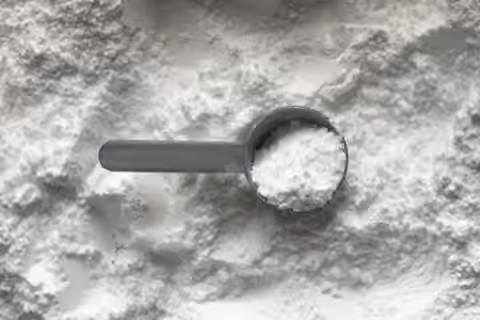
Casein Protein — Slow-Release Protein

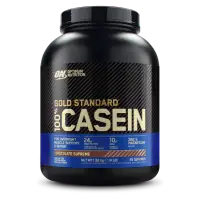
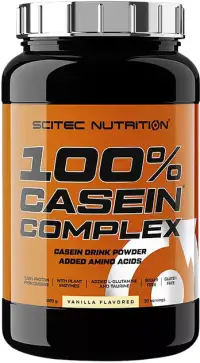
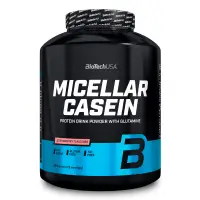
What is casein protein and how does it differ from whey?
Casein protein makes up about 80% of milk protein and is known for its slow digestion — it forms a gel in the stomach that gradually releases amino acids over 6-8 hours. This makes casein ideal as a nighttime protein source and for sustained satiety. Unlike whey protein, which spikes amino acid levels quickly but briefly, casein provides a steady flow of amino acids that maintains muscle protein synthesis over a longer period and reduces overnight muscle protein breakdown.
Frequently asked questions about casein protein
The most effective time for casein is 30-60 minutes before bedtime. During the overnight period (7-9 hours without food), casein's slow digestion ensures a continuous flow of amino acids to muscles. Casein is also suitable during longer daytime gaps when eating is not possible for 4-5 hours.
Yes, combining casein and whey provides both rapid and slow amino acid release. Whey raises amino acid levels immediately after training, while the casein component extends this effect. This combination is called "time-release" protein and is especially useful post-workout when the next meal is several hours away.
Casein is an excellent diet protein choice because it maintains satiety longer than whey. Studies show that consuming casein before bed reduces next-morning hunger and daytime calorie intake. 30-40 g of casein before sleep adds only 120-160 kcal while keeping metabolism active throughout the night.
Micellar casein is the most natural and slowest-digesting form — it forms a gel in the stomach and releases over 6-8 hours. Hydrolyzed casein is partially pre-broken down, absorbing faster (1-3 hours). Hydrolyzed casein suits post-workout better, while micellar casein is ideal for nighttime protein.