
D3 Vitamin 10000 IU: What You Need to Know
High-dose vitamin D3 supplements at 10000 IU (250 mcg) per day are widely available and actively discussed in health communities. Many people encounter these products after reading about vitamin D deficiency or following recommendations from online health communities. This guide explains what the research says, who may genuinely need high-dose D3, what safety boundaries look like, and what options are available at maxfit.ee.
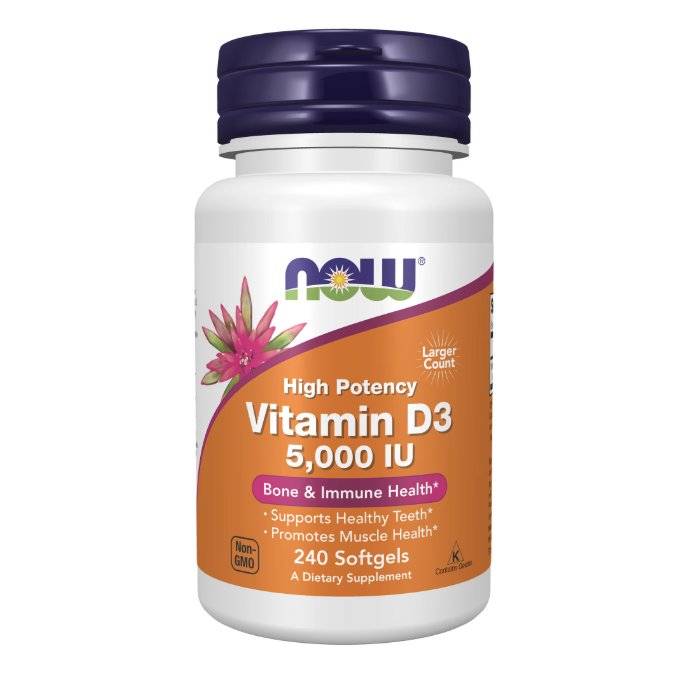
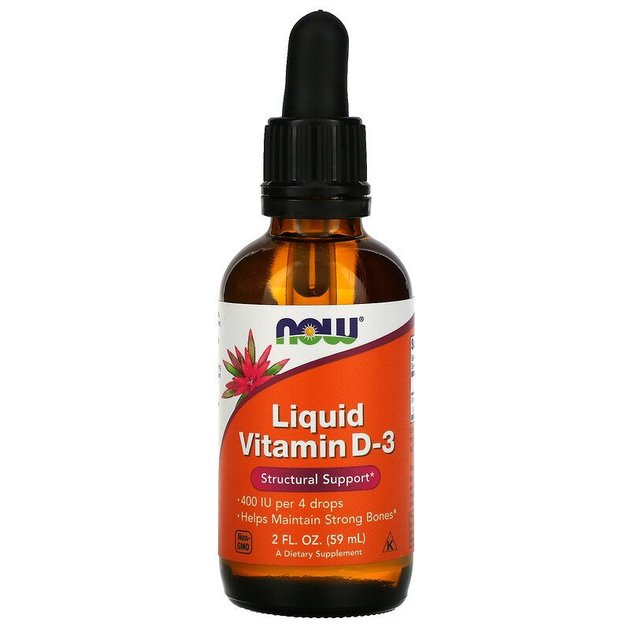
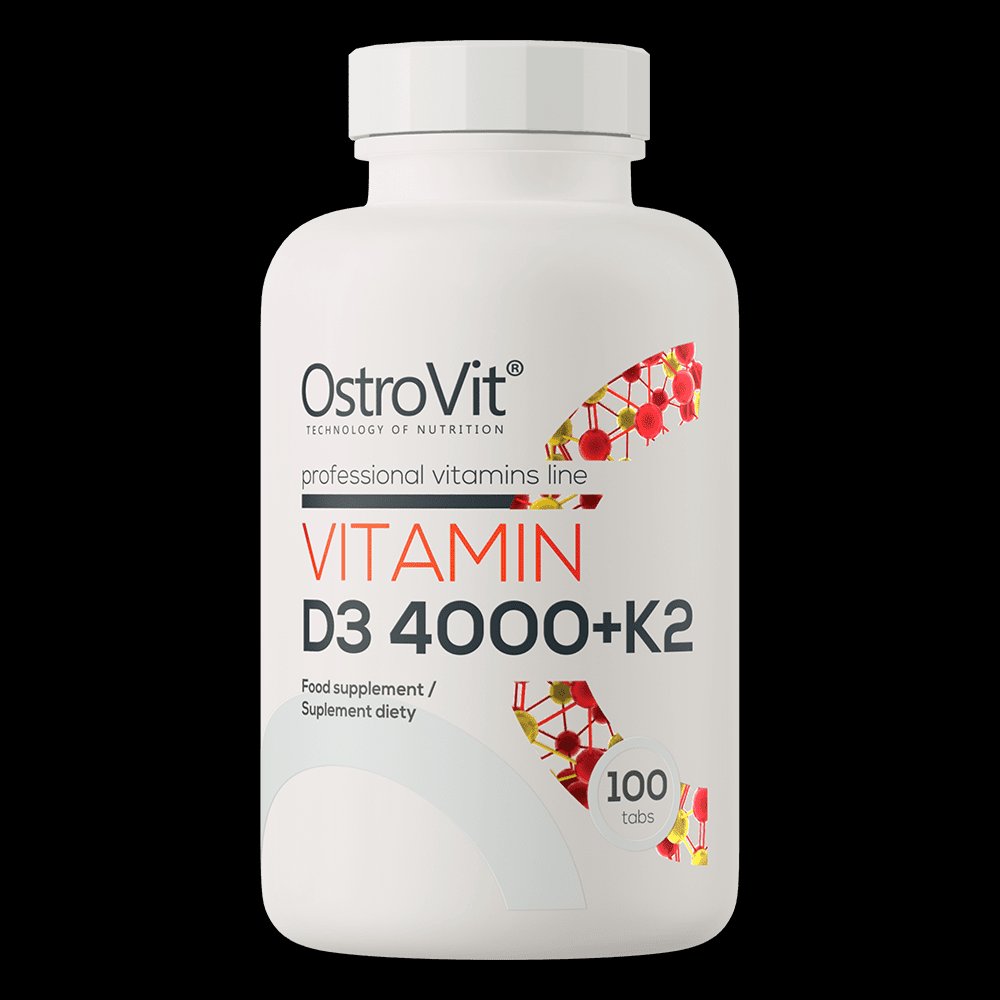
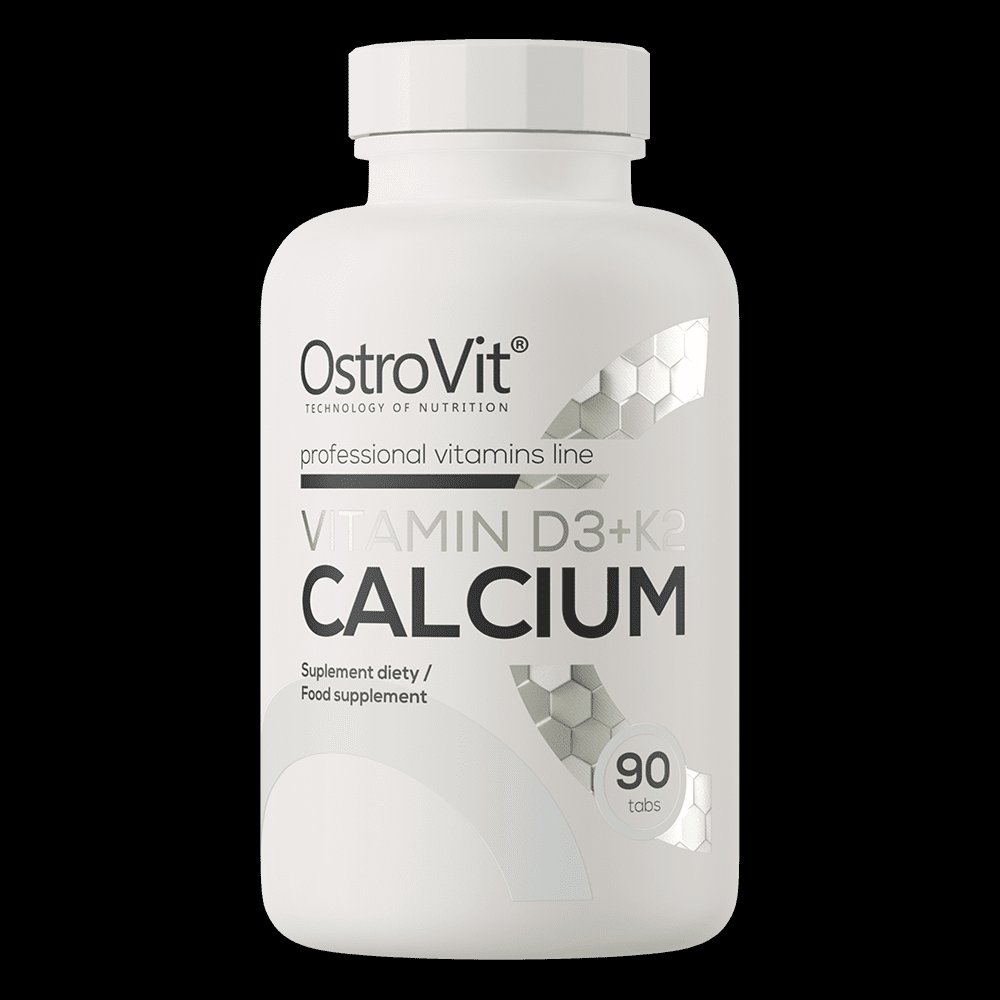
OstroVit Vitamin D3 4000 IU 120caps and OstroVit Pharma D3 4000 IU + K2 MK-7 90tabs are practical D3 supplement options at maxfit.ee suited for adults in Estonia during the darker months.
What Is Vitamin D3?
Shop this category — in stock now
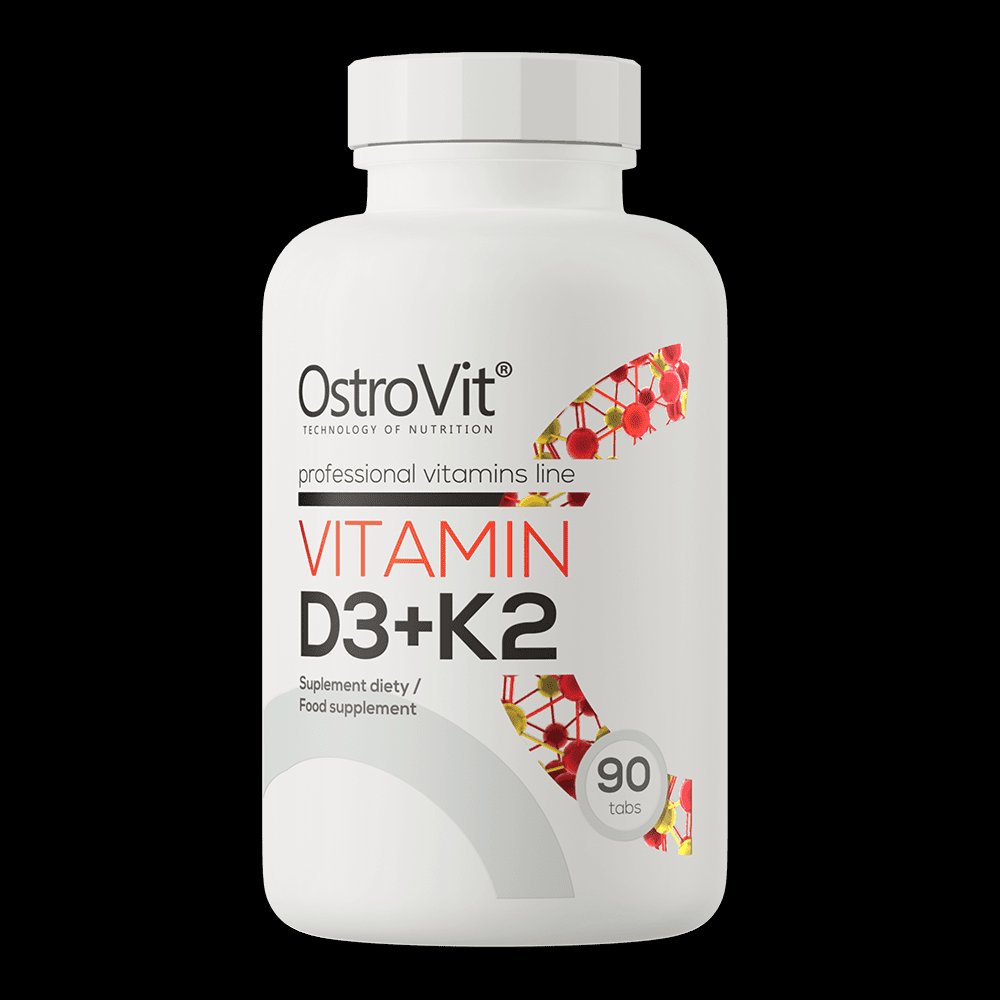
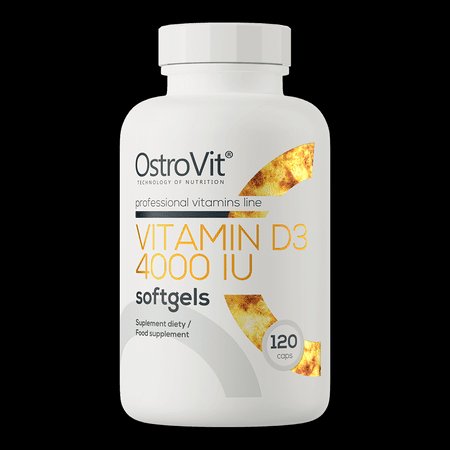
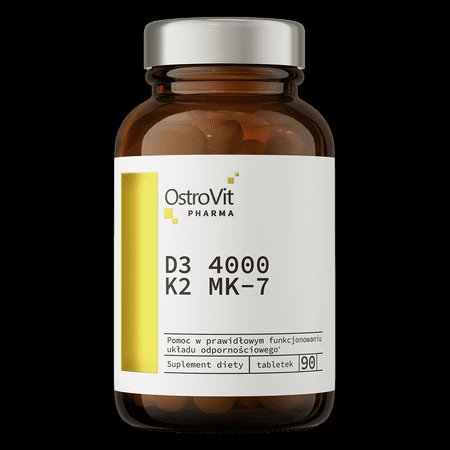
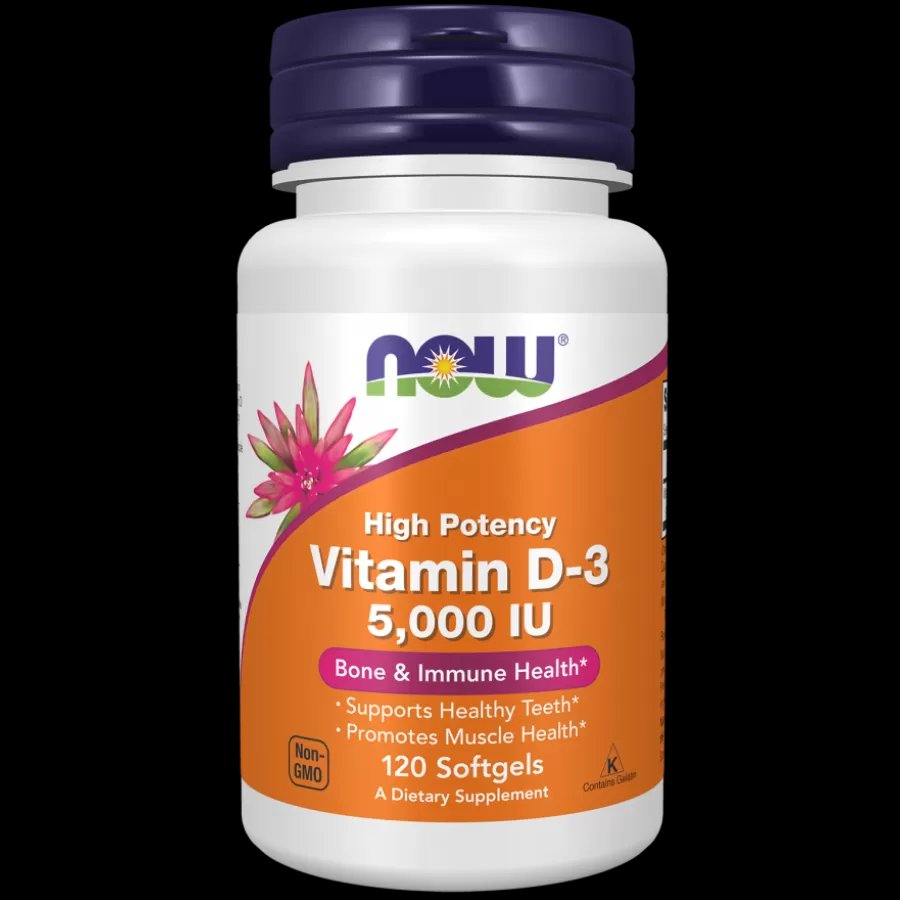

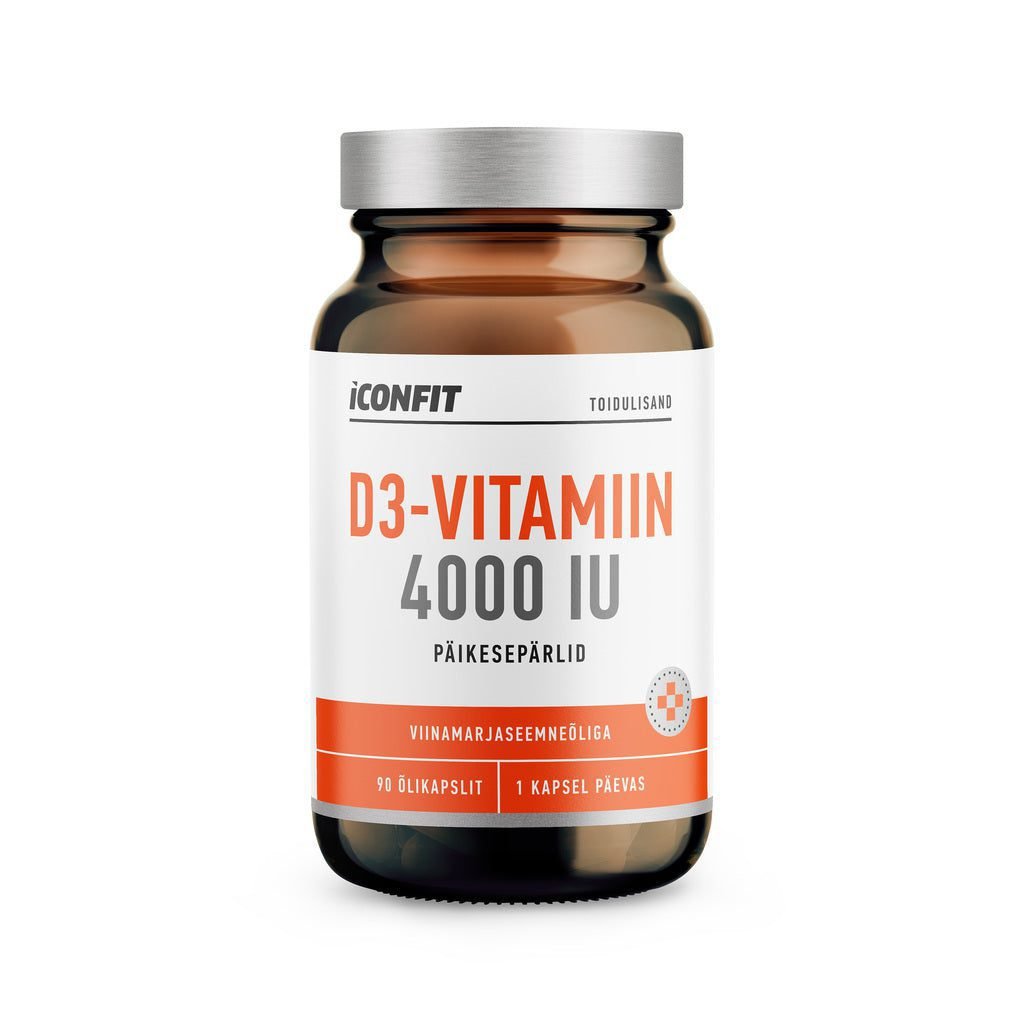
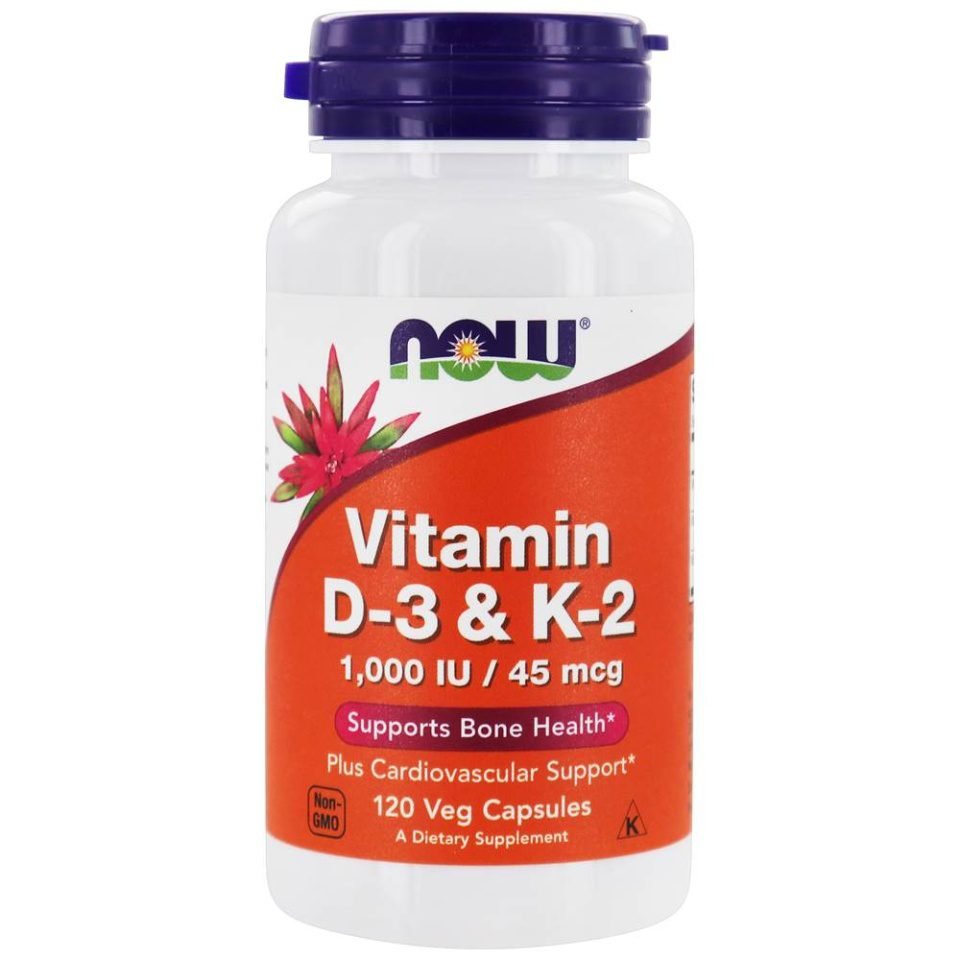
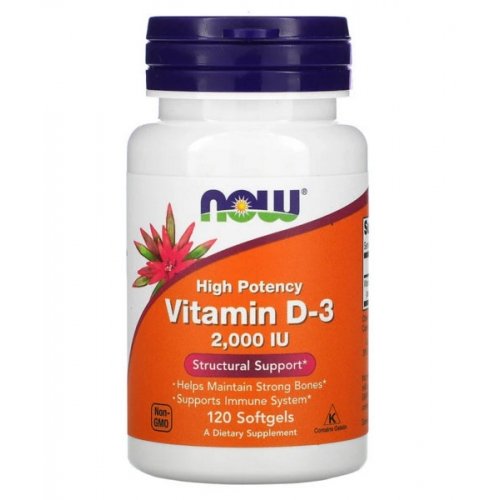
Vitamin D3 (cholecalciferol) is the form of vitamin D that:
- Is synthesized in the skin through UVB solar radiation
- Is found in animal-based foods: fatty fish, egg yolks, liver
- Is widely considered the preferred supplement form because research consistently shows it raises serum 25(OH)D levels more effectively than vitamin D2
Once ingested or produced by the skin, D3 is converted in the liver to 25-hydroxyvitamin D [25(OH)D], the storage form measured in blood. From there, kidneys activate it into 1,25-dihydroxyvitamin D (calcitriol), the active hormonal form.
Benefits and Research
Immune support: Martineau et al. (2017) analyzed pooled data from 25 randomized trials and found that vitamin D supplementation significantly reduced the incidence of acute respiratory tract infections, with the largest benefit in those with baseline serum 25(OH)D below 25 nmol/L (Martineau et al., 2017).
Bone health: Adequate D3 supports intestinal calcium absorption and bone mineralization. Holick (2007) reviewed the extensive evidence linking vitamin D deficiency to skeletal disease, noting that deficiency is far more common than generally recognized (Holick, 2007).
Recommended Dosage
Standard supplementation doses for adults in northern Europe during autumn and winter range from 1000 to 4000 IU (25-100 mcg) per day.
EFSA has set a tolerable upper intake level (UL) of 4000 IU (100 mcg) per day for adults as a long-term safe level from all dietary sources combined. This means 4000 IU per day is considered safe for ongoing supplementation without the need for monitoring.
10000 IU (250 mcg) per day exceeds EFSA's adult UL and should not be used as a routine daily supplement without medical supervision and periodic blood level testing. Some physicians do prescribe doses in this range for short-term loading in individuals with severe deficiency, but this falls under clinical management rather than self-directed supplementation.
Is 10000 IU of D3 Safe?
Vitamin D toxicity (hypervitaminosis D) can occur when serum 25(OH)D rises to very high levels, causing elevated blood calcium (hypercalcemia). Symptoms include nausea, vomiting, weakness, confusion, and in severe cases kidney damage.
Jones (2008) reviewed the pharmacokinetics of vitamin D toxicity and noted that at intake levels up to 10000 IU per day in healthy adults, toxicity is unlikely in the short term, but individual variation exists and cumulative over-supplementation carries real risk (Jones, 2008). Regular blood testing is the only way to confirm that levels remain within a safe range.
Key safety points:
- The risk of toxicity increases significantly with sustained daily intakes well above 4000 IU
- Toxicity is caused by excessive 25(OH)D accumulation, not by sun exposure (the skin self-regulates)
- Co-supplementing vitamin K2 does not prevent toxicity but does support proper calcium direction
Who Might Need Higher Doses?
Certain situations may justify higher D3 doses under medical guidance:
- Confirmed severe deficiency: Serum 25(OH)D below 25 nmol/L documented by blood test
- Malabsorption conditions: Crohn's disease, celiac disease, or gastric bypass surgery impair fat-soluble vitamin absorption and may require higher supplementation
- Very limited sun exposure year-round: Shift workers, individuals who fully cover their skin, or those who are housebound
- Obesity: Vitamin D is distributed into adipose tissue, potentially reducing its circulating bioavailability
In all these situations, supplementation should be guided by a healthcare provider with periodic monitoring of blood 25(OH)D levels.
Deficiency Signs
- Persistent fatigue and low energy despite adequate sleep
- Bone pain or tenderness in the back, hips, or legs
- Muscle weakness or cramps
- Increased susceptibility to respiratory infections
- Low mood, especially during autumn and winter
Best Forms Available in Estonia
For most Estonian adults, the practical and safe supplementation range is 2000-4000 IU daily through the darker months. Available at maxfit.ee:
- NOW Vitamin D3 5000 IU 120 softgels — for those with confirmed higher needs or supplementing under supervision
- BIOTECHUSA Vitamin D3 60tab — a convenient standard-dose option for regular maintenance
Soft gel capsules containing vitamin D3 in oil are the best-absorbed form. Taking D3 with a fat-containing meal further improves absorption.
Food Sources
Vitamin D3 is found in:
- Fatty fish (salmon, mackerel, herring, trout)
- Fortified dairy and plant milks
- Egg yolks
- Cod liver oil
No realistic dietary intake can approach 10000 IU per day from food; this reinforces that high-dose supplementation is a clinical tool rather than a dietary strategy.
Estonian Market Availability
In Estonia, vitamin D3 supplements up to 4000 IU per capsule are widely available at pharmacies and at online stores like maxfit.ee. Higher-dose products exist but require awareness of safety limits. For routine supplementation, a 2000-4000 IU product taken daily from October through April is appropriate for most adults.
FAQ
Is D3 10000 IU safe to take every day?
For most healthy adults, EFSA's tolerable upper intake level is 4000 IU per day for long-term use. Taking 10000 IU daily without medical supervision and periodic blood monitoring carries a risk of vitamin D accumulation to toxic levels over time. A blood test is the only reliable way to assess whether a high dose is appropriate and safe for you specifically.
What is D3 10000 IU used for clinically?
High-dose D3 (10000 IU or more) is sometimes prescribed in supervised loading protocols to rapidly raise vitamin D levels in people with severe deficiency or malabsorption. These are clinical interventions, not routine self-care supplements, and they require monitoring.
What is the difference between D3 4000 IU and 10000 IU products?
The primary difference is dose size. D3 4000 IU is within EFSA's long-term adult safe upper limit and is appropriate for maintenance supplementation in autumn and winter. D3 10000 IU exceeds this limit for routine daily use and should only be used under medical supervision with blood level testing.
References
Holick MF. (2007). Vitamin D deficiency. New England Journal of Medicine, 357(3), 266-281. https://pubmed.ncbi.nlm.nih.gov/17634462/
Martineau AR, Jolliffe DA, Hooper RL, et al. (2017). Vitamin D supplementation to prevent acute respiratory tract infections: systematic review and meta-analysis of individual participant data. BMJ, 356, i6583. https://pubmed.ncbi.nlm.nih.gov/28202713/
Jones G. (2008). Pharmacokinetics of vitamin D toxicity. American Journal of Clinical Nutrition, 88(2), 582S-586S. https://pubmed.ncbi.nlm.nih.gov/18689406/