


Vitamin D — Supplements
16 products · 11 in stock · €7.25–€15.65 · from €0.02/serving · Estonia 1–3 business days, free from €50.00
1–3 day delivery
Free shipping in Estonia from €50
Secure payment






Useful Articles


What is vitamin D and why is vitamin D deficiency so common in Estonia?
Vitamin D is a fat-soluble vitamin essential for bone health, immune system function, and normal muscle activity. The body produces vitamin D in the skin when exposed to UVB rays from sunlight, but Estonia is located at latitude 59 degrees north, which means from October through March the sun angle is too low for vitamin D synthesis to occur in the skin. As a result, an estimated 80% of Estonians suffer from vitamin D deficiency during the winter months.
Symptoms of vitamin D deficiency are often subtle and hard to recognise: chronic fatigue and low energy, frequent colds and infections, muscle weakness and pain, bone fragility and soreness, low mood and seasonal depression, and slow recovery from exercise. Children, the elderly, office workers, and athletes who train indoors are at particularly high risk. Vitamin D supplements are available in three main forms: capsules and softgels, tablets, and drops — everyone can find the right solution. Vitamin D3, also known as cholecalciferol, is the preferred and most effectively absorbed form.
Vitamin D3 vs D2 — dosage table and recommended vitamin D levels
| Target group | Daily dose | When deficient | Form | Notes |
|---|---|---|---|---|
| Adults (healthy) | 1000–2000 IU | 4000 IU | D3 capsules, tablets | Sufficient for most — best starting dose |
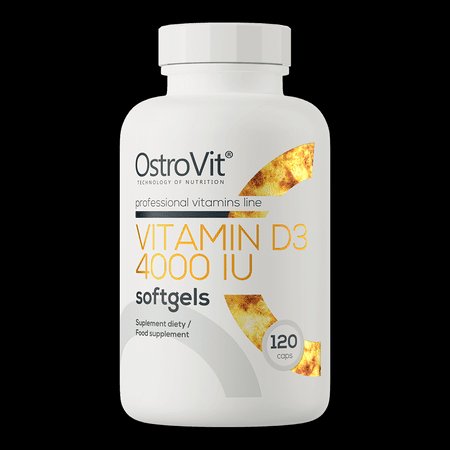
| Adults (deficient) | 4000–5000 IU | Per doctor | D3 capsules, drops | Vitamin D 4000 IU — most popular choice for deficiency |
| Children (1–12 y) | 400–1000 IU | Per doctor | D3 drops | Drops allow precise dosing for children |
| Athletes | 2000–4000 IU | 5000 IU | D3 capsules | Intense training increases vitamin D requirements |
| Elderly (65+) | 2000–4000 IU | Per doctor | D3 capsules, drops | Aging skin produces less vitamin D from sunlight |
| Pregnant & nursing | 1500–2000 IU | Per doctor | D3 capsules | Essential for foetal bone and immune development |
How to choose the best vitamin D supplement?
When choosing vitamin D, form, dosage, and additional ingredients all matter. Here is a step-by-step guide to help you find the right vitamin D supplement, taking into account the specifics of the Estonian climate.
- Prefer vitamin D3 over D2Vitamin D3 (cholecalciferol) is absorbed significantly better than D2 (ergocalciferol). D3 raises blood vitamin D levels up to 87% more effectively. Always choose products containing vitamin D3.
- Choose oil-based capsules for best absorptionVitamin D is fat-soluble — oil-based softgel capsules provide the best absorption without needing extra fat from food. Tablets and dry capsules should be taken with a meal. Drops are ideal for children and those who prefer flexible dosing.
- Account for Estonian climateDue to Estonia's dark winters, we recommend at least 2000 IU of vitamin D3 daily from October to April. In summer, 1000 IU is sufficient for most people. Check your vitamin D levels with a blood test at least once a year.
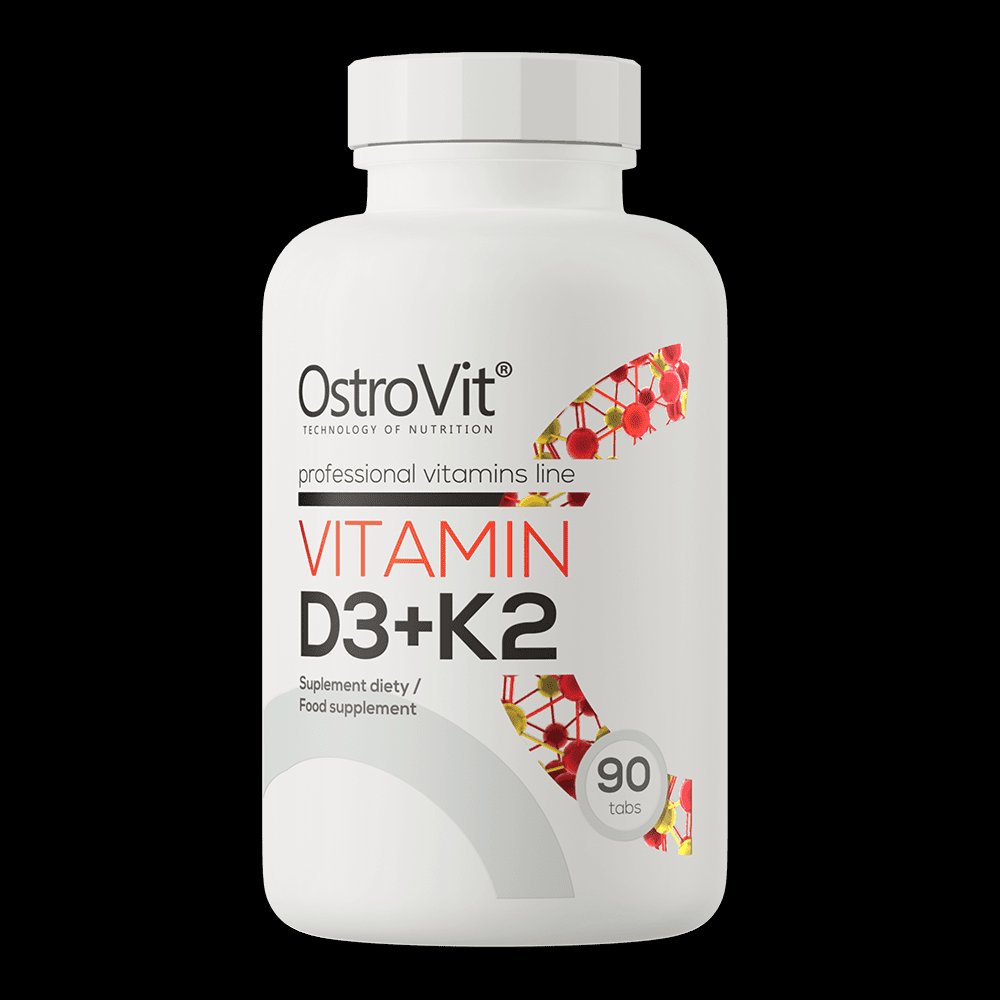
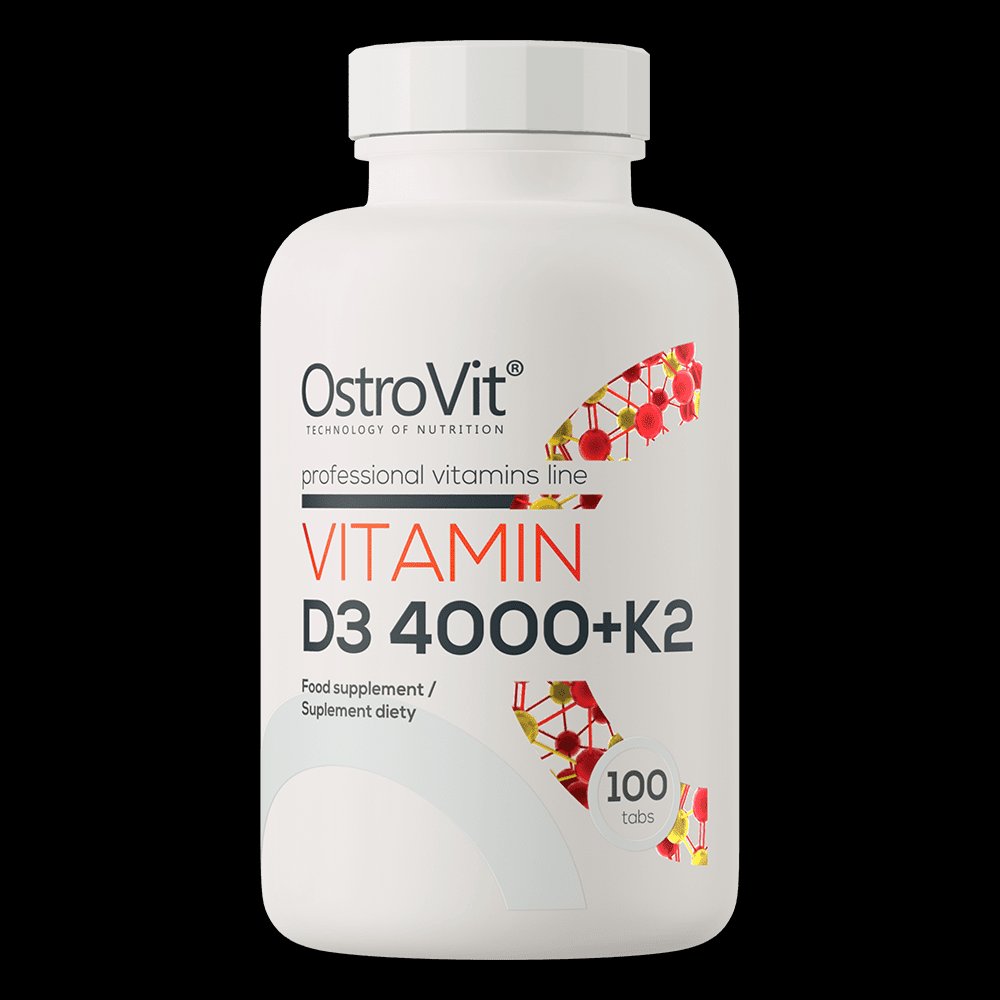
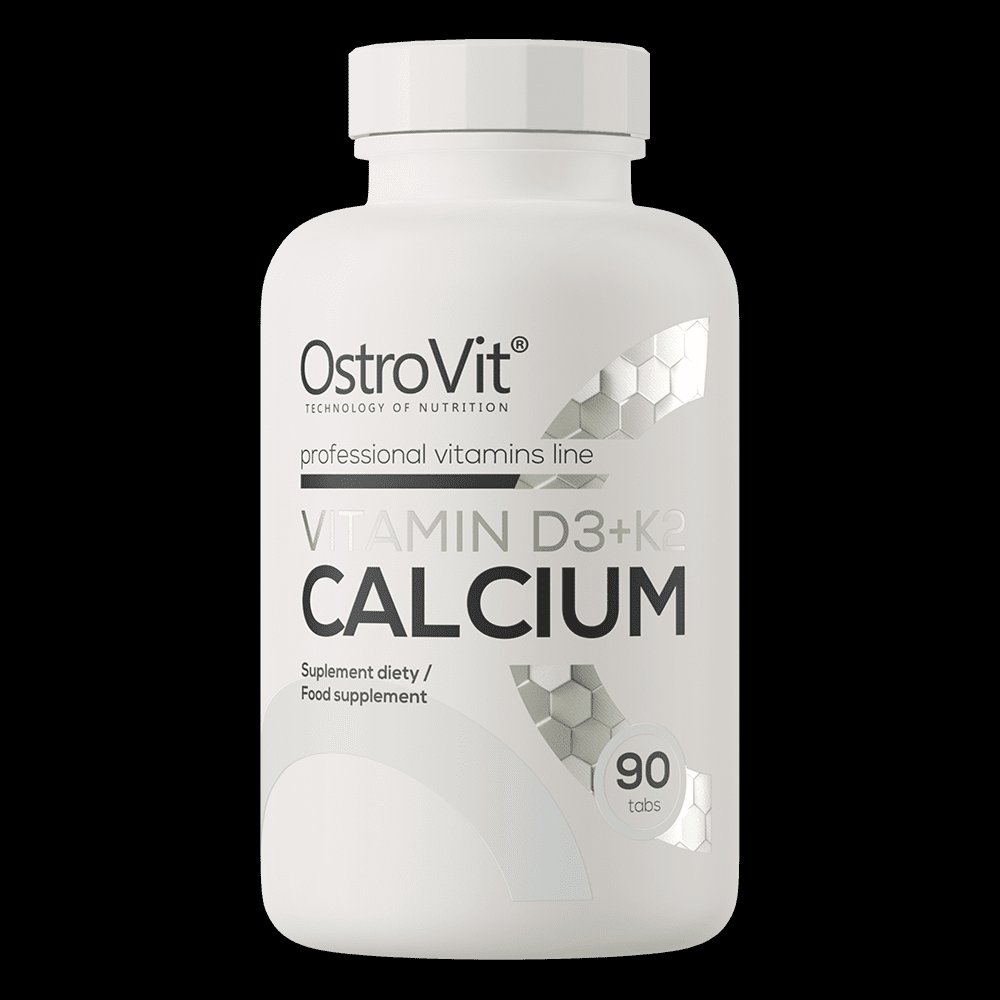
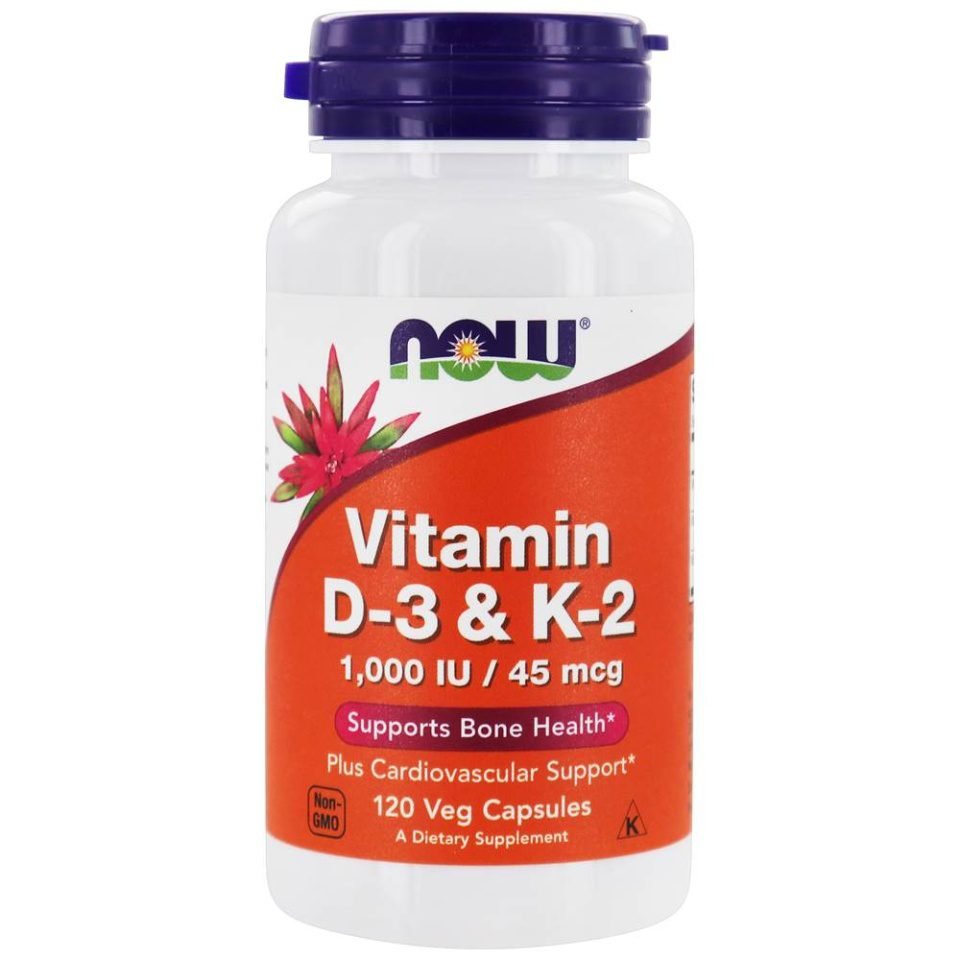
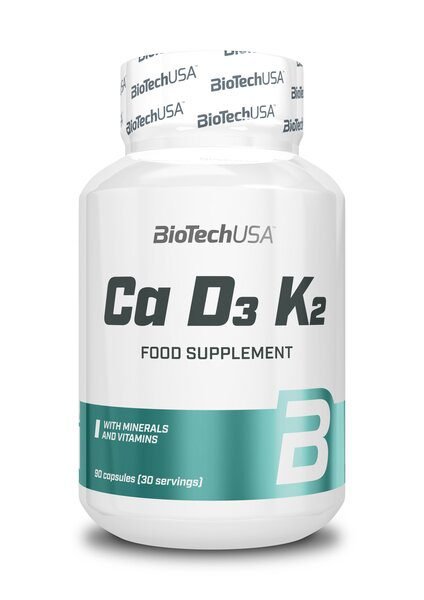
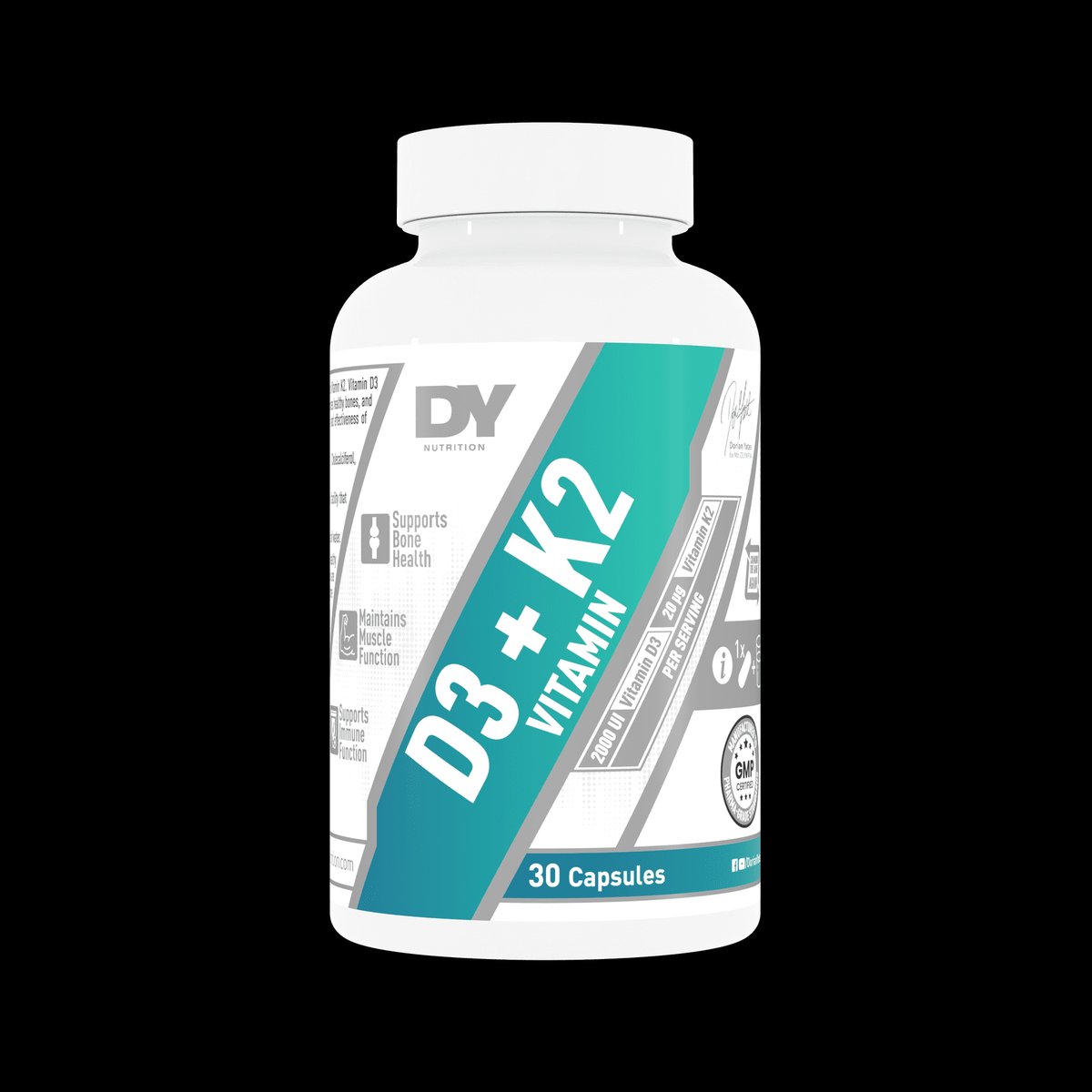
- Add vitamin K2 for calcium directionVitamin K2 (especially MK-7 form) helps direct calcium into bones rather than arteries. Combining vitamin D with K2 improves bone health and reduces calcification risk. Many quality vitamin D products already include K2.
- Take in the morning with fatty foodVitamin D is best absorbed in the presence of fat — take it with breakfast. Avoid evening intake, as vitamin D may interfere with melatonin production and sleep. Consistent daily intake is the key to results.
- Choose a trusted and reputable brandIn Estonia, popular brands like Ecosh, Biolife, and others offer quality vitamin D supplements. Ecosh vitamin D is a popular choice among Estonians thanks to local production and trustworthy formulation. Always check the product composition and dosage.
Frequently asked questions about vitamin D
For healthy adults, 1000–2000 IU of vitamin D3 daily is appropriate. For deficiency, experts recommend 4000–5000 IU per day, though prolonged high doses require medical supervision. In Estonia's climate, where sunlight is scarce from October to March, at least 2000 IU is recommended for most people. Athletes benefit from 2000–4000 IU daily. The optimal blood level is 40–60 ng/ml.
The most common symptoms of vitamin D deficiency are chronic fatigue, frequent colds and weakened immunity, muscle weakness and pain, bone fragility, and low mood or seasonal depression. In Estonia, deficiency is especially prevalent from October to March because sunlight is insufficient for vitamin D synthesis. Up to 80% of Estonians may suffer from vitamin D deficiency during winter.
Vitamin D3 (cholecalciferol) comes from animal sources and raises blood vitamin D levels up to 87% more effectively than D2 (ergocalciferol), which is plant-derived. D3 stays in the body longer and is better absorbed. Most experts recommend D3 as the preferred form. D2 is suitable for those who prefer a fully plant-based supplement.
Yes, vitamin D overdose is possible but rare with normal supplementation. The upper safe limit for adults is 4000 IU daily for long-term use without medical supervision. Short-term higher doses up to 10,000 IU are permitted under medical monitoring for rapid deficiency correction. Toxicity symptoms include nausea, weakness, and calcium deposition problems.
Vitamin D is best taken in the morning with a fat-containing meal, since it is a fat-soluble vitamin and absorbs better in the presence of fat. Avoid taking vitamin D in the evening, as it may interfere with melatonin production and sleep quality. Consistent daily intake at the same time ensures stable blood vitamin D levels.
Vitamin D 4000 IU is primarily for adults diagnosed with vitamin D deficiency and athletes who train intensely. It also suits the elderly and people who spend little time outdoors. In Estonia's climate, 4000 IU is a common choice during winter months. For long-term use, we recommend checking your vitamin D level with a blood test.
Adding vitamin K2 to vitamin D is highly recommended, though not mandatory. K2 (especially MK-7 form) helps direct the calcium absorbed through vitamin D into bones and teeth rather than soft tissues or arteries. This combination supports bone strength and reduces the risk of vascular calcification. Many modern vitamin D products already include K2.