What Is Chlorophyll and Why Is It Beneficial for the Human Body?
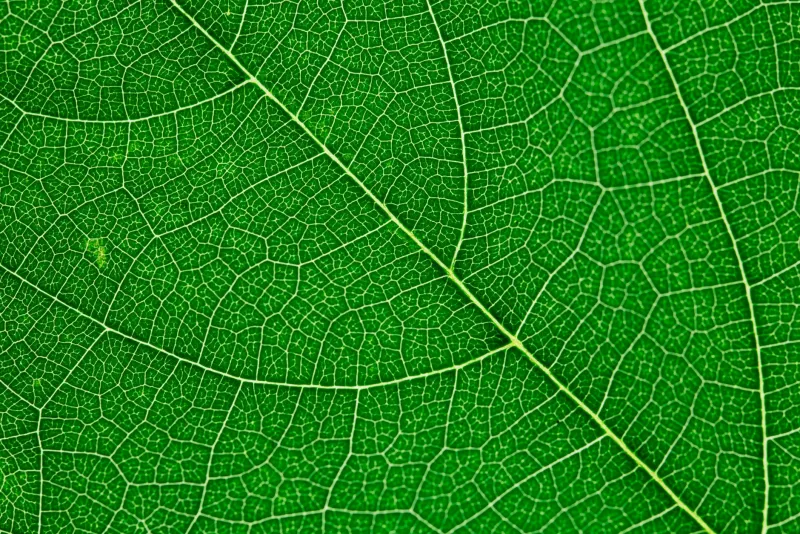
Chlorophyll is the pigment that gives plants their green colour and enables photosynthesis — the process by which plants convert sunlight into energy. It is one of the most common organic molecules in the world and the most vital compound on the planet, as all plant life depends on it.
But chlorophyll isn't only useful for plants. In the human body, it plays an entirely different role — acting as a powerful antioxidant and tissue healer, supporting the body's natural processes. Chlorophyll's structure is remarkably similar to haemoglobin (red blood cells), which has iron at its centre — chlorophyll has magnesium at its centre. This structural similarity explains why chlorophyll works so well in the human body.
Chlorophyll in supplements comes in two forms:
Natural chlorophyll:
- Comes directly from plants (especially alfalfa, mulberry, spinach)
- Unstable — breaks down quickly
- Fat-soluble — absorption varies
Chlorophyllin (copper sodium chlorophyllin):
- Semi-synthetic chlorophyll derivative
- Stable — preserves well
- Water-soluble — more consistent absorption
- Most studied form
- Used in most supplements and "chlorophyll water drops"
The most chlorophyll-rich supplement is chlorella — it contains 10-25 times more chlorophyll than spinach.
Does Chlorophyll Really Support the Body's Natural Processes?
Supporting the body's natural processes is one of the primary reasons people take chlorophyll, and the scientific evidence is surprisingly strong.
Carcinogen binding:
Egner et al. (2001) — China study: This was one of the most important chlorophyll studies. 180 participants from a high aflatoxin exposure area (aflatoxin is a powerful carcinogen produced by mould on grains). 3 months of chlorophyllin (100mg 3x daily). Results:
- Aflatoxin-DNA adducts (carcinogenesis marker) decreased by 55%
- This suggests chlorophyllin's ability to bind carcinogens in the digestive tract before they damage DNA
Dashwood et al. (2006): Laboratory studies showed that chlorophyllin binds multiple carcinogens:
- Polycyclic aromatic hydrocarbons (PAH) — from grilling, smoking
- Heterocyclic amines (HCA) — from browned meat
- Aflatoxins — from mouldy grains
- Binding efficiency was 60-95% depending on the carcinogen
Liver support: Chlorophyll stimulates liver phase II enzymes — these enzymes convert toxins into water-soluble compounds that can be excreted in urine. This is the same mechanism supported by cruciferous vegetables (broccoli, cauliflower).
Chlorophyll combines well with magnesium, which supports hundreds of enzymes including liver enzymes.
Does Chlorophyll Improve Skin and Slow Ageing?
Chlorophyll's effect on skin is one of the fastest-growing research areas.
Photo-ageing:
Cho et al. (2014): Double-blind study with 24 Korean women aged 45+. Chlorophyll-containing cream vs placebo, 12 weeks. Results:
- Fine wrinkles decreased significantly
- Skin elasticity improved
- Sun damage signs decreased
- Collagen I production increased
Acne:
Stephens et al. (2015): 10-week open study with 24 participants using chlorophyllin gel on the face 2x daily. Results:
- Acne improvement observed in 83% of participants
- Large pore count decreased
- Oiliness decreased
Antioxidant skin protection: Chlorophyll protects skin cells from UV damage in two ways:
- Neutralises free radicals generated by UV radiation
- Stimulates DNA repair mechanisms in skin cells
Does Chlorophyll Affect Body Odour and Digestion?
One of chlorophyll's best-known, though slightly unusual, benefits is body odour reduction.
Body odour control:
Chlorophyll has been used for body odour control since the 1950s. Early studies showed that chlorophyllin reduces:
- Sweat odour
- Bad breath
- Body odour in general
- Especially effective in patients with trimethylaminuria (fish odour syndrome)
A 2004 study with nursing home residents confirmed that chlorophyllin tablets (100mg 3x daily) significantly reduced body and urine odour.
While the mechanisms aren't fully clear, chlorophyllin is thought to:
- Bind odour-causing compounds in the digestive tract
- Inhibit bacterial decomposition in the intestines
- Act as a natural internal deodorant
Digestive support:
Chlorophyll supports digestion in multiple ways:
- Prebiotic effect: Chlorophyll promotes beneficial bacteria growth in the gut
- Anti-inflammatory effect: Reduces digestive tract inflammation
- Wound healing: Chlorophyllin accelerates digestive tract mucosa healing — studies have shown benefit in stomach ulcers and ulcerative colitis
- Bowel regularity: Some users report improved bowel regularity
Chlorophyll's digestive benefits combine well with probiotics and fibre.
What Is the Best Form and Dosage of Chlorophyll?
Forms:
| Form | Type | Advantages | Dose |
|---|---|---|---|
| Liquid chlorophyllin | Copper sodium chlorophyllin | Fast absorption, flexible | 100-300mg daily |
| Capsules/tablets | Chlorophyllin | Convenient, precise dosing | 100-300mg daily |
| Chlorella powder/tablets | Natural chlorophyll | Plus protein + vitamins | 3-10g chlorella |
| Green powder blend | Natural + chlorophyllin | Versatile | Per instructions |
"Chlorophyll water" trend: The social media trend of adding liquid chlorophyllin to water is actually an effective way to consume chlorophyll. 15-20 drops of liquid chlorophyllin in a glass of water provides approximately 100mg chlorophyllin.
Dosing by goal:
| Goal | Dose | Timing |
|---|---|---|
| General health and antioxidant | 100mg | Morning with water |
| Liver support | 100-200mg | 2-3x daily before meals |
| Body odour | 100mg | 3x daily |
| Skin health | 100-200mg | Morning + evening |
| Digestive issues | 100mg | Before meals |
Usage tips:
- Add liquid chlorophyllin to water — drink in the morning on empty stomach
- Take capsules before meals (best binding effect in digestive tract)
- Start with 100mg and increase if needed
- Chlorophyll may stain teeth and tongue green — this is temporary and safe
- Stool may become greener — this is completely normal
Is Chlorophyll Safe and Who Is It Suitable For?
Safety: Chlorophyll and chlorophyllin are generally very safe. Chlorophyllin has been used as a supplement for over 60 years and serious side effects have been reported extremely rarely.
Possible side effects:
- Green-coloured stool (normal, not a side effect)
- Green tongue/teeth staining (temporary)
- Mild digestive upset when starting (rare)
- Photosensitivity — chlorophyll may increase sun sensitivity, especially at high doses. Use sunscreen!
- Allergy (extremely rare)
Interactions:
- Chlorophyll may affect absorption of some medications — take 2 hours apart from medications
- Phototoxic medications — chlorophyll may enhance photosensitivity
Who benefits most from chlorophyll:
- Those exposed to toxins (urban living, work environment)
- People with skin problems (acne, ageing skin)
- Those with body odour issues
- People with digestive problems
- Athletes — to reduce oxidative stress
- Health-conscious individuals wanting to add more greens to their diet
Natural food sources of chlorophyll: Beyond supplements, food-sourced chlorophyll is also important:
- Spinach, kale, rocket
- Parsley, dill, basil
- Broccoli, green pepper
- Chlorella and spirulina (highest concentration)
- Wheatgrass juice
Also browse our spirulina selection — another excellent chlorophyll source.
How Should You Combine Chlorophyll With Other Supplements?
Liver support complex:
- Chlorophyll 100-200mg + chlorella 3-5g — double chlorophyll dose
- Add vitamin C 500mg — supports liver enzymes. Vitamin C products
- Add magnesium 200-400mg — enzyme cofactor. Magnesium products
Skin health:
- Chlorophyll 200mg + collagen — skin-supporting combination. Collagen products
- Add vitamin C — needed for collagen synthesis
- Add vitamin E — skin protection. Vitamin E products
Energy and health:
- Chlorophyll + iron — chlorophyll supports iron absorption. Iron products
- Chlorophyll + B vitamins — energy production. B vitamin products
Summary
Chlorophyll is more than just a plant pigment — it's a versatile health-beneficial compound with antioxidant and tissue-healing effects, and support for liver function.
Key points:
- Binds carcinogens in the digestive tract (55% reduction in study)
- Supports liver enzymes
- Improves skin — wrinkles, acne, elasticity
- Reduces body odour
- Supports digestion and gut health
- Liquid chlorophyllin is the most convenient and most studied form
- Recommended dose: 100-300mg daily
- Very safe — caution with sun sensitivity
- Chlorella is the best natural chlorophyll source in supplements
References
- Egner PA, Wang JB, Zhu YR, Zhang BC, Wu Y, Zhang QN, Qian GS, Kuang SY, Gange SJ, Jacobson LP, Helzlsouer KJ, Bailey GS, Groopman JD, Kensler TW. (2001). Chlorophyllin intervention reduces aflatoxin-DNA adducts in individuals at high risk for liver cancer. Proceedings of the National Academy of Sciences, 98(25), 14601–14606.
- Dashwood R, Yamane S, Larsen R. (2006). Study of the forces of stabilizing complexes between chlorophylls and heterocyclic amine mutagens. Environmental and Molecular Mutagenesis, 17(2), 91–97.
- Cho S, Lee DH, Won CH, Kim SM, Lee S, Lee MJ, Chung JH. (2014). Differential effects of low-dose and high-dose beta-carotene supplementation on the signs of photoaging and type I procollagen gene expression in human skin in vivo. Dermatology, 228(4), 344–348.
- Stephens TJ, McCook JP, Herndon JH Jr. (2015). Pilot study of topical copper chlorophyllin complex in subjects with facial acne and large pores. Journal of Drugs in Dermatology, 14(6), 589–592.
See also: