Immune Support: What Does the Science Actually Say?
Every autumn-winter, shelves fill with immune-boosting products. But which ones actually work? This guide reviews the scientific evidence and explains which supplements have genuine, well-documented efficacy.
An important note: supplements support the immune system's function but don't treat or cure diseases. This distinction is emphasised by health authorities worldwide.
Vitamin D — The Most Important Immune Supplement in Estonia's Climate
In Estonia, lack of sunlight during autumn and winter is a chronic problem. Vitamin D deficiency is associated with higher risk of respiratory infections and a weakened immune response (Martineau et al., 2017).
Vitamin D regulates immune cell proliferation and differentiation, increases production of antimicrobial peptides, and reduces excessive inflammatory responses. NOW Vitamin D-3 & K-2 120 Caps is a reliable choice combining D3 and K2 vitamins.
BIOTECHUSA One a Day 100tab multivitamin includes vitamin D and is suitable for daily use. Recommended dose for Estonian adults in winter: 2000–4000 IU per day.
Vitamin C — The Classic Immune Protector
Vitamin C is perhaps the best-known immune supplement. Meta-analyses show that regular vitamin C supplementation shortens cold duration by approximately 8% in adults and up to 14% in children (Hemilä & Chalker, 2013). The effect is stronger in physically active people.
NOW C-1000 With Bioflavonoids 100 veg. caps. contains high-dose vitamin C with bioflavonoids that improve absorption and extend vitamin C activity in the body. Find it in the vitamin C category at maxfit.ee.
The Liposomal Vitamin C Advantage
Liposomal vitamin C has significantly higher bioavailability than standard ascorbic acid. It's more expensive but causes fewer digestive issues at high doses.
Zinc — The Antiviral Defender
Zinc is essential for many immune cells and has direct antiviral activity. Clinical trials show that taking zinc within the first 24 hours of cold symptom onset shortens illness duration (Science et al., 2012).
Find zinc in the zinc category at maxfit.ee. SELF Multivitamin 120caps and MST Vitamin Kick 60 Tabs both contain zinc alongside other immune-supporting minerals.
Which Zinc Forms Are Best?
| Form | Bioavailability | Note |
|---|---|---|
| Zinc glycinate | High | Best absorption |
| Zinc citrate | Good | Most common |
| Zinc sulfate | Moderate | Most affordable |
| Zinc oxide | Low | Avoid |
Probiotics — The Gut-Immunity Connection
Approximately 70–80% of immune cells are located in the gut (gut-associated lymphoid tissue). Probiotics support gut microbiome diversity, which is associated with a stronger immune response (Hao et al., 2015).
Find probiotics in the probiotics category at maxfit.ee. The most research-supported strains for immunity are Lactobacillus acidophilus and Bifidobacterium lactis.
Multivitamins — Broad Spectrum Protection
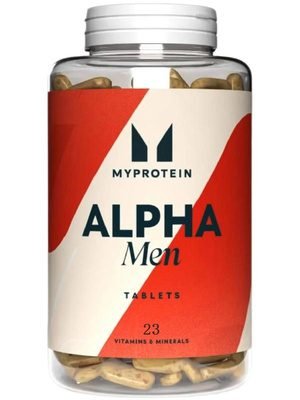 MyProtein Alpha Men Multivitamins€19.90 In stock 240 Tabs is a comprehensive multivitamin covering all the key immune-supporting vitamins and minerals. BIOTECHUSA Multivitamin for Men 60 Tablets is a men's-specific formula.
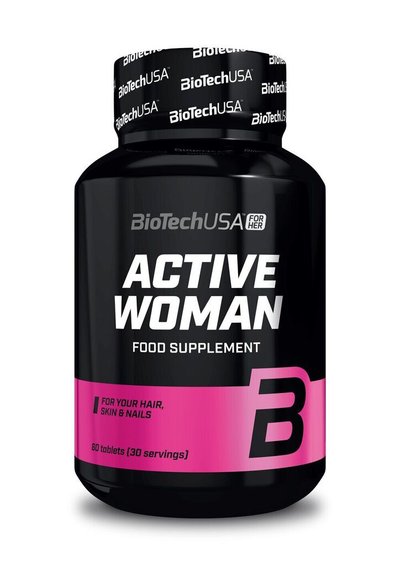 BIOTECHUSA Active Women€19.90 In stock 60tab is a women's multivitamin that accounts for women's specific needs, including immune-supportive nutrients.
Seasonal Immune Support Plan for Estonia
| Season | Priority Supplements |
|---|---|
| Autumn (Sept–Nov) | Start vitamin D, vitamin C |
| Winter (Dec–Feb) | Max vitamin D, zinc, probiotic |
| Spring (Mar–Apr) | Reduce vitamin D, continue probiotic |
| Summer (May–Aug) | Basic multivitamin is sufficient |
All products are available at maxfit.ee.
Lifestyle Matters More Than Supplements
Even the best supplements can't compensate for:
- Chronic sleep deprivation (under 7 hours dramatically impairs immunity)
- High chronic stress
- Physical inactivity
- Excessive alcohol consumption
- A nutrient-poor diet
Supplements produce their best effect alongside a healthy lifestyle.
FAQ
When should Estonians start taking vitamin D?
In Estonia, it's recommended to start vitamin D supplementation in late September to early October, when sunlight becomes insufficient for UVB-mediated skin synthesis. Stop in May when outdoor sun exposure is again adequate.
Does vitamin C prevent colds?
Research suggests regular vitamin C reduces cold frequency mainly in people with intense physical activity (e.g. marathon runners). In average adults, the preventive effect is smaller, but disease duration is documented to shorten.
How much is too much for vitamins?
Fat-soluble vitamins (A, D, E, K) can accumulate and cause toxicity at very high doses. Water-soluble vitamins (C, B) are excreted in urine, but very high doses may cause digestive issues. Stay within recommended upper intake levels.
References
- Martineau, A. R., Jolliffe, D. A., Hooper, R. L., Greenberg, L., Aloia, J. F., Bergman, P., ... & Camargo, C. A. (2017). Vitamin D supplementation to prevent acute respiratory tract infections: systematic review and meta-analysis of individual participant data. BMJ, 356, i6583.
- Hemilä, H., & Chalker, E. (2013). Vitamin C for preventing and treating the common cold. Cochrane Database of Systematic Reviews, 2013(1), CD000980.
- Science, M., Johnstone, J., Roth, D. E., Guyatt, G., & Loeb, M. (2012). Zinc for the treatment of the common cold: a systematic review and meta-analysis of randomized controlled trials. CMAJ, 184(10), E551–E561.
- Hao, Q., Dong, B. R., & Wu, T. (2015). Probiotics for preventing acute upper respiratory tract infections. Cochrane Database of Systematic Reviews, 2015(2), CD006895.
- Maggini, S., Pierre, A., & Calder, P. C. (2018). Immune function and micronutrient requirements change over the life course. Nutrients, 10(10), 1531.