Skip to content
MaxFit
.ee
🇬🇧
EN
MaxFit
.ee
TurboAI
AI
Account
Log in
⌄
My orders
& tracking
🇬🇧
EN
⌄
0
Basket
🏠
Home
💪
Sport Nutrition
💊
Vitamins and Minerals
🌿
Health Supplements
🥗
Healthy Food
🎒
Accessories
📝
Blog
More
⌵
🏠
Home
💪
Sports
💊
Vitamins
🌿
Health
🥗
Food
🎒
Gear
📝
Blog
All
/
Vitamins and Minerals
/
Individual Minerals
/
Iron — Supplements & Preparations
Iron — Supplements & Preparations
Iron
(5)
Magnesium
Zinc
Potassium
Selenium
Calcium
Chromium
Boron
Iodine
Silicon
Manganese
Copper
ZMA
1–3 day delivery
Free shipping from €60
Secure payment
5 Showing results
Sort by:
Featured
Price: Low to High
Price: High to Low
Price per Serving
Rating
Newest
Sort by
Brand
Price
Dietary
Item Form
Deals
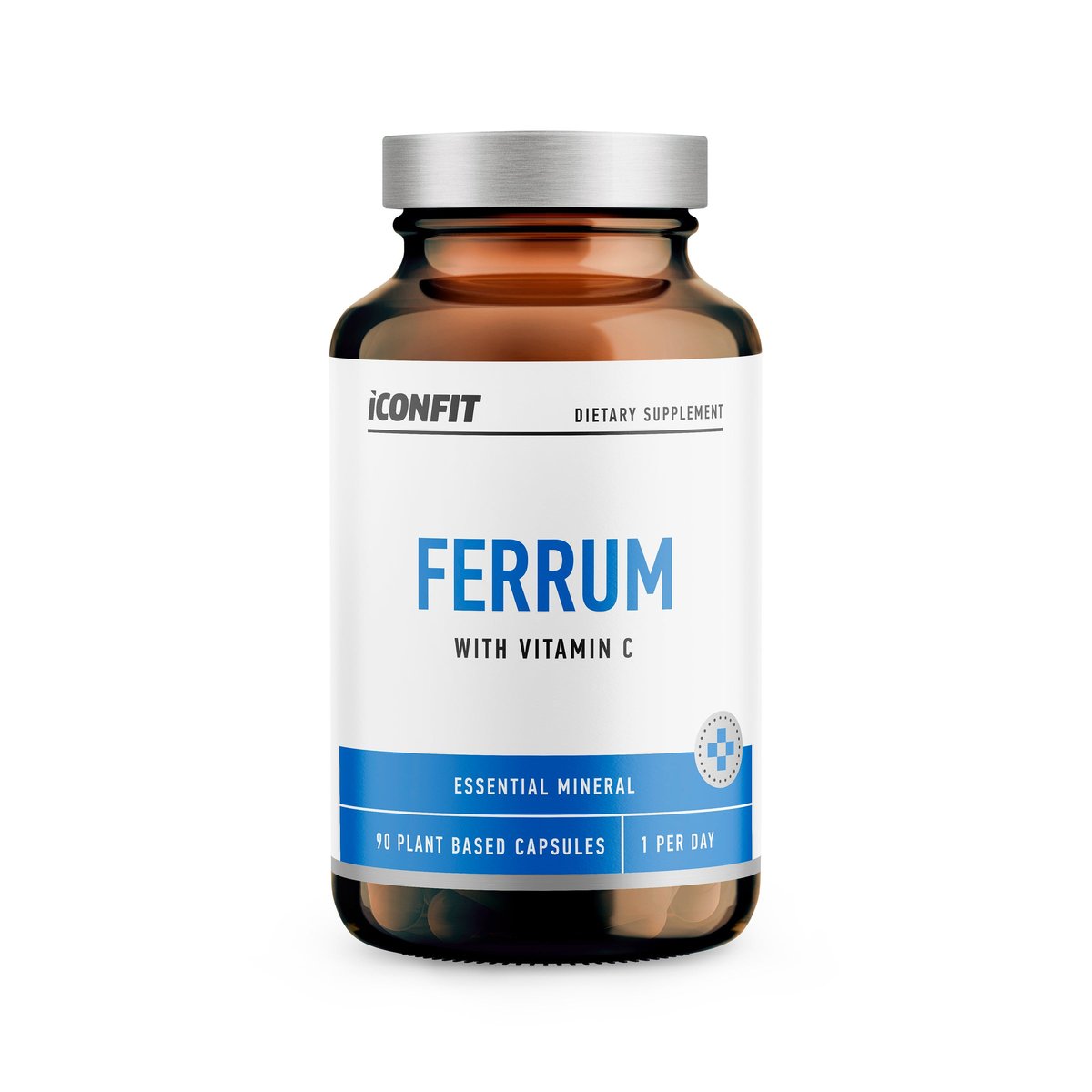
ICONFIT Capsules Ferrum with Vitamin C N90
ICONFIT
•
Iron
€
11
90
€0.13 per serving
• 90 servings
Get it by Monday, May 25
🌱 Vegan
❤️ Wellness
Add to Basket
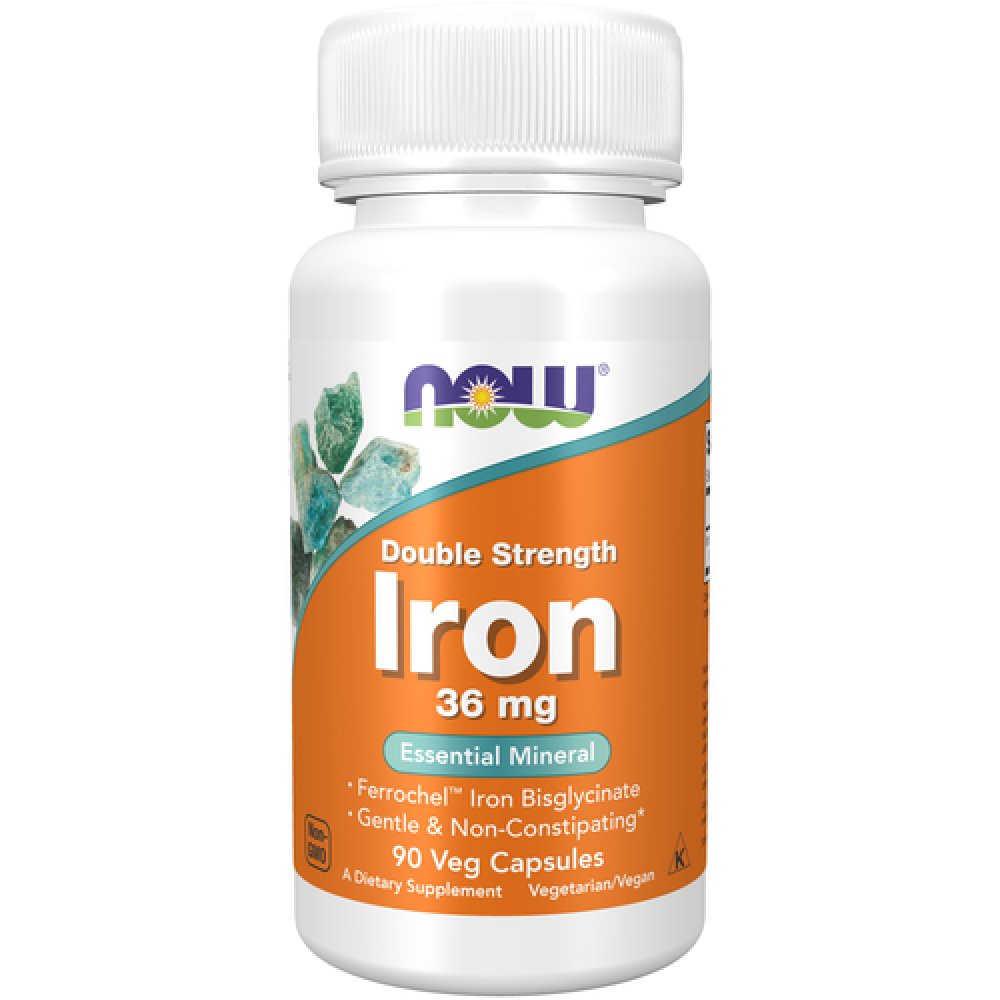
NOW Iron 36mg Ferrochel 90caps
NOW
•
Iron
€
12
90
€0.14 per serving
• 90 servings
Get it by Monday, May 25
❤️ Wellness
Only 2 left
Add to Basket
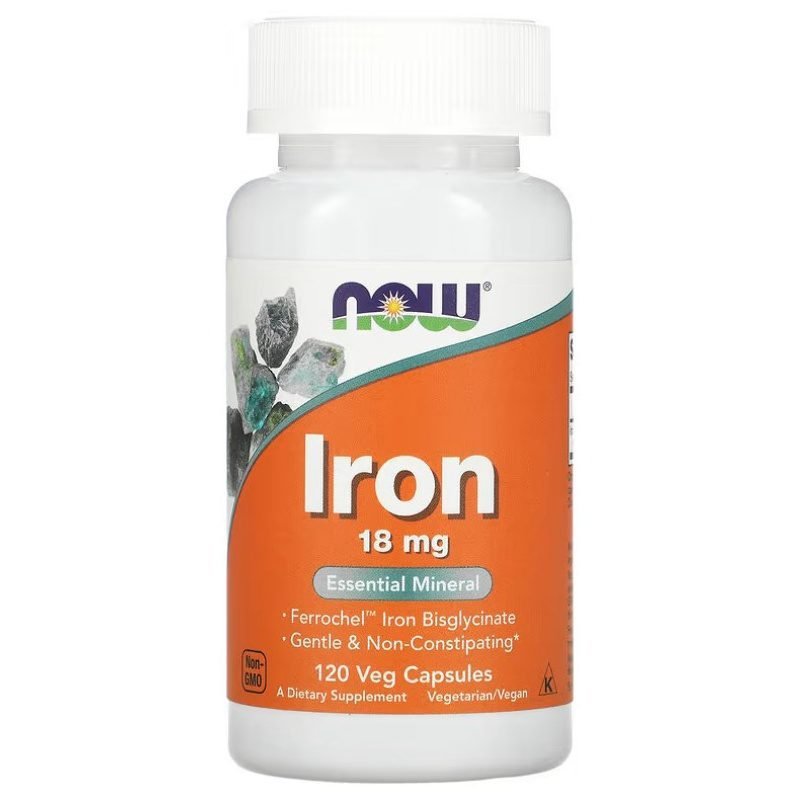
Now Foods Iron 18mg 120caps
NOW
•
Iron
€
13
90
€0.12 per serving
• 120 servings
Get it by Monday, May 25
❤️ Wellness
Only 1 left
Add to Basket
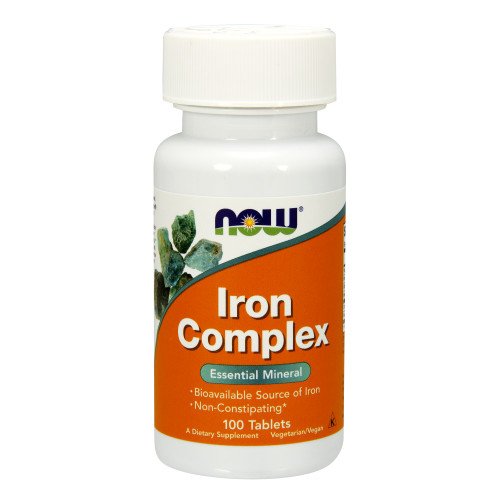
NOW Iron Complex 100 Tablets
NOW
•
Iron
€
12
90
€0.13 per serving
• 100 servings
Get it by Monday, May 25
🦾 Lean Muscle
❤️ Wellness
Add to Basket
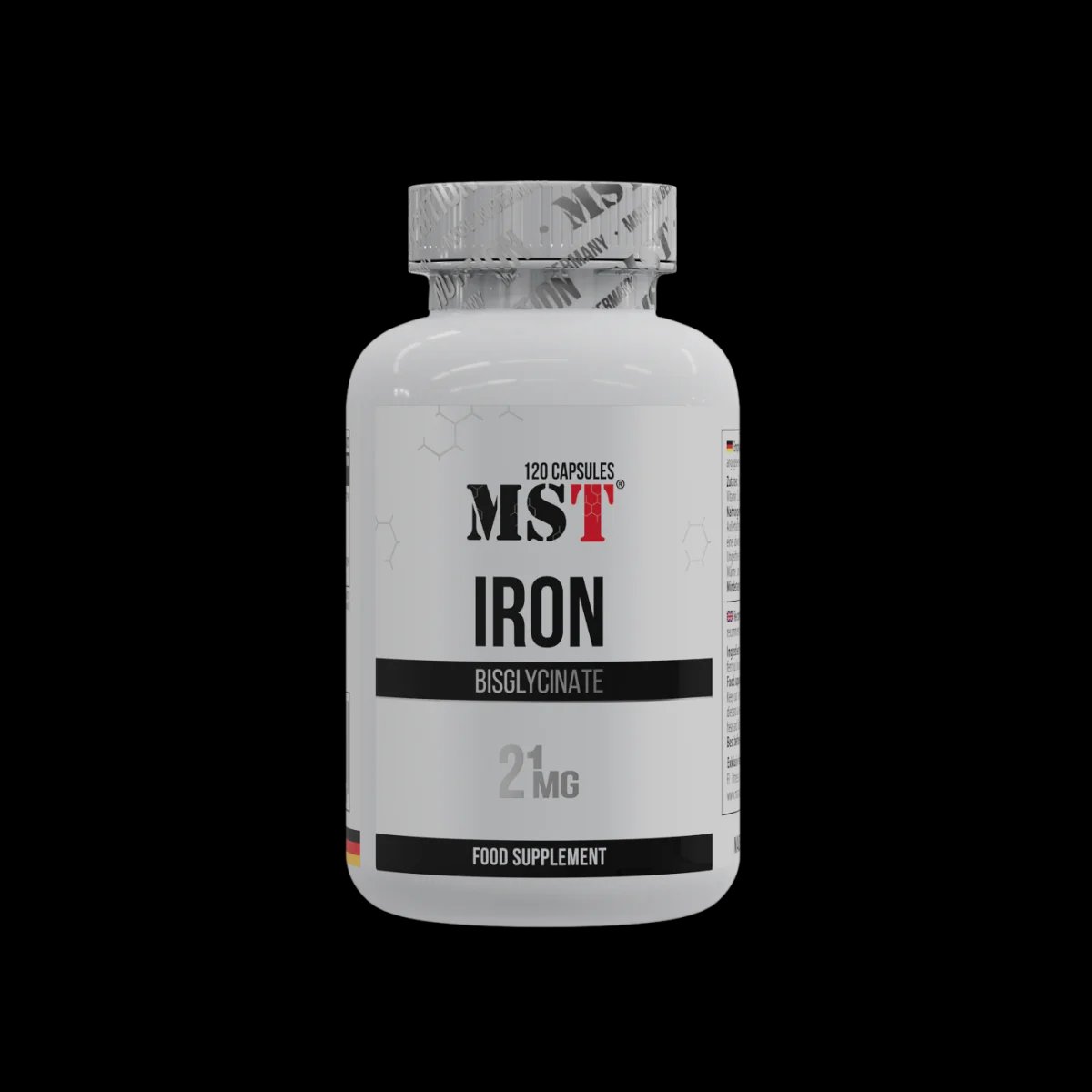
MST Iron Bisglycinate 21mg 120caps
MST Nutrition®
•
Iron
€
19
90
€0.17 per serving
• 120 servings
Get it by Monday, May 25
❤️ Wellness
Only 1 left
Add to Basket
Related Categories
Vitamin C — Ascorbic Acid & Supplements
Folic Acid — Folate & Vitamin B9