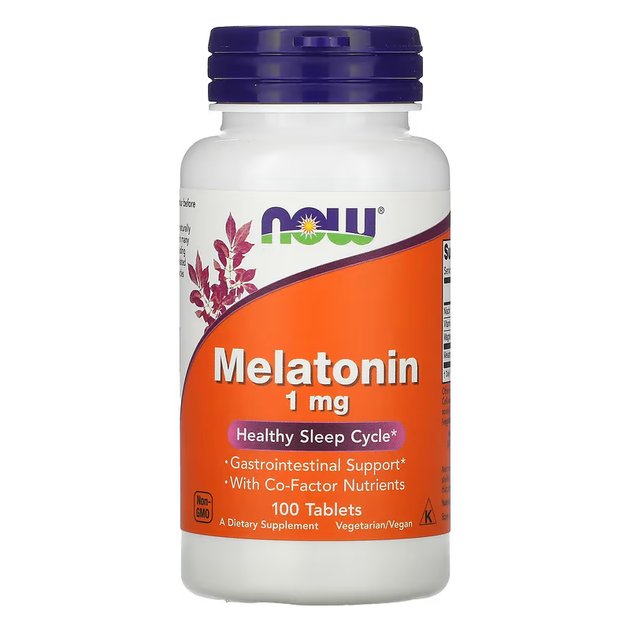
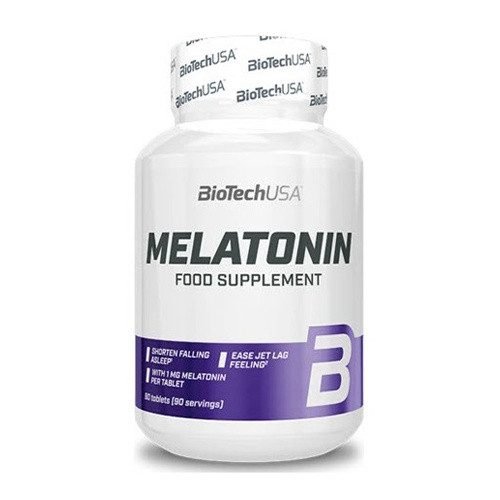
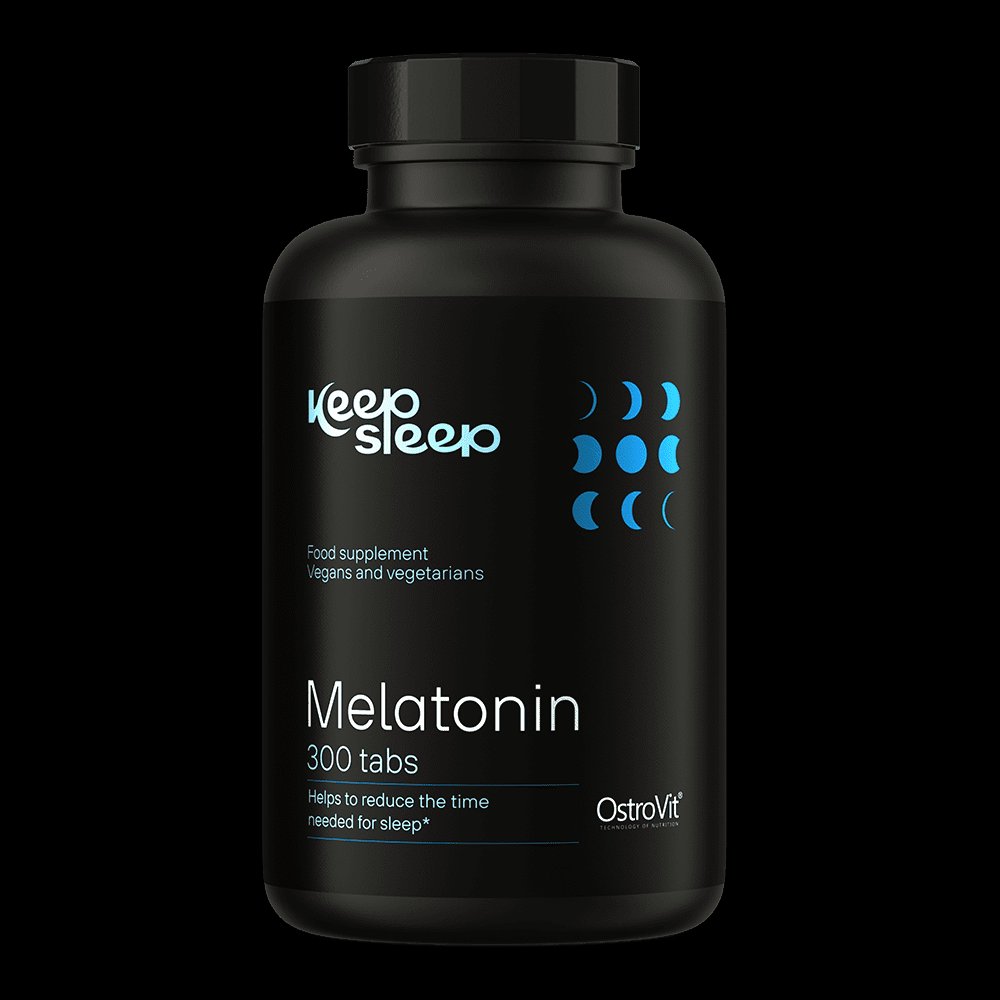
Melatonin is a hormone naturally produced by the pineal gland in darkness — it signals the body that it is time to sleep. Melatonin levels rise in the evening, peak at night, and fall in the morning, regulating the circadian rhythm. Modern lifestyle — blue light from screens, irregular sleep schedules, and chronic stress — often disrupts the natural rhythm of melatonin production.
Melatonin is not a sleeping pill or sedative — it does not cause dependency and does not suppress brain activity like benzodiazepines. Melatonin's role is to give the body a chronological signal that it is time to prepare for sleep. This fundamentally distinguishes melatonin from sleeping pills and makes it a safe choice for long-term use. Melatonin is especially effective for people whose circadian rhythm has shifted — whether due to jet lag, shift work, or simply a habit of going to bed late.
Melatonin dosing is individual and depends on the problem and goal. The key principle is to start with the lowest effective dose — more does not mean better sleep. In fact, too high a dose can actually disrupt sleep, causing morning grogginess and vivid dreams.
0.5 mg melatonin is the lowest common dose, suitable for mild sleep issues and people who are sensitive to melatonin. This dose is closest to the body's natural melatonin levels and causes the fewest side effects. 3 mg melatonin is the most common dose, suitable for most adults for general sleep quality improvement and shift work. It is a good starting point if 0.5 mg does not provide sufficient effect. 5 mg melatonin is the highest standard dose, recommended temporarily for jet lag and time zone changes. For long-term use, it is better to stay at 0.5-3 mg.
Melatonin should be taken 30-60 minutes before the planned bedtime. Drops allow the most precise dose adjustment. Tablets and capsules are more convenient for daily use. Extended-release formulas release melatonin gradually and are suited for people who wake up in the middle of the night.
| Dose | Suitable for | Purpose | Usage period |
|---|---|---|---|
| 0.5 mg | Sensitive individuals, mild sleep issues | Gentle circadian rhythm correction | Long-term use OK |
| 1 mg | Most adults, first-time users | Faster falling asleep, general sleep support | Long-term use OK |
| 3 mg | Shift work, stronger support | Improving sleep quality | Medium to long-term use |
| 5 mg | Jet lag, time zone changes | Quick circadian rhythm shift | Short-term only (1-2 weeks) |
| Drops (0.5–3 mg) | Children, precise dose adjustment | Exact dose regulation | As needed |
Melatonin is generally a very safe supplement that has been studied in thousands of clinical trials. The most common side effects are mild morning drowsiness, headaches, dizziness, and more vivid dreams. These side effects are almost always related to too high a dose and resolve when the dose is reduced.
Melatonin does not cause physical dependency — the body does not become dependent on it and does not require increasing doses. However, it is advisable to periodically assess whether melatonin supplementation is still necessary. Sleep hygiene — a regular sleep schedule, a darkened bedroom, avoiding blue light 1-2 hours before bedtime — is always the first step to improving sleep.
Important contraindications: melatonin is not recommended for autoimmune diseases (as it stimulates the immune system), during pregnancy and breastfeeding without medical consent, and together with certain medications (anticoagulants, epilepsy drugs, diabetes medications). Children should only be given melatonin on a doctor's recommendation.
Melatonin use depends significantly on the problem. For jet lag, melatonin is one of the most effective aids, supported by strong scientific evidence. When traveling east, take 3-5 mg of melatonin in the evening according to destination local time, the night before bedtime. When traveling west, 0.5-1 mg may suffice. Use melatonin for 2-5 days until the circadian rhythm has adjusted.
For chronic insomnia, the approach is different. Here, melatonin is more of one part of the solution rather than the only remedy. 0.5-3 mg of melatonin helps fall asleep faster, but for long-term sleep improvement, sleep hygiene must also be addressed: reduce caffeine intake after 2 PM, keep the bedroom cool (18-20°C), go to bed at the same time every evening, and avoid screens before sleep. Magnesium glycinate is a good companion to melatonin for relaxation and deeper sleep support.
Melatonin is generally safe and well tolerated. In rare cases, morning drowsiness, headaches, dizziness, or vivid dreams may occur. These side effects are usually related to too high a dose — reduce the dose and they will resolve. Melatonin does not cause dependency.
Melatonin is used for children with sleep difficulties, but it is recommended to consult a doctor first. Children's doses are typically lower — 0.5-1 mg before bedtime. Melatonin drops are the most convenient form for children, as the dose can be precisely adjusted.
Yes, melatonin can be used regularly. Unlike sleeping pills, melatonin does not cause dependency and does not lose effectiveness over time. However, it is a good idea to regularly assess whether you still need supplemental melatonin — sleep hygiene is also important.
For most adults, 1-3 mg of melatonin taken 30-60 minutes before bedtime is suitable. For jet lag, 5 mg may temporarily be appropriate. Always start with the lowest effective dose — 0.5 mg is often sufficient for mild sleep issues. More does not mean better sleep.
Yes, melatonin is especially effective for shift workers whose circadian rhythm is disrupted. After a night shift, 1-3 mg of melatonin helps the body understand it is time for daytime sleep. Combine melatonin with blackout curtains and a regular sleep schedule for best results.
Yes, long-term melatonin use is considered safe for adults based on research, especially at lower doses (0.5-3 mg). Melatonin does not damage the pineal gland or reduce the body's natural melatonin production. However, it is advisable to periodically assess whether supplemental melatonin is still needed.