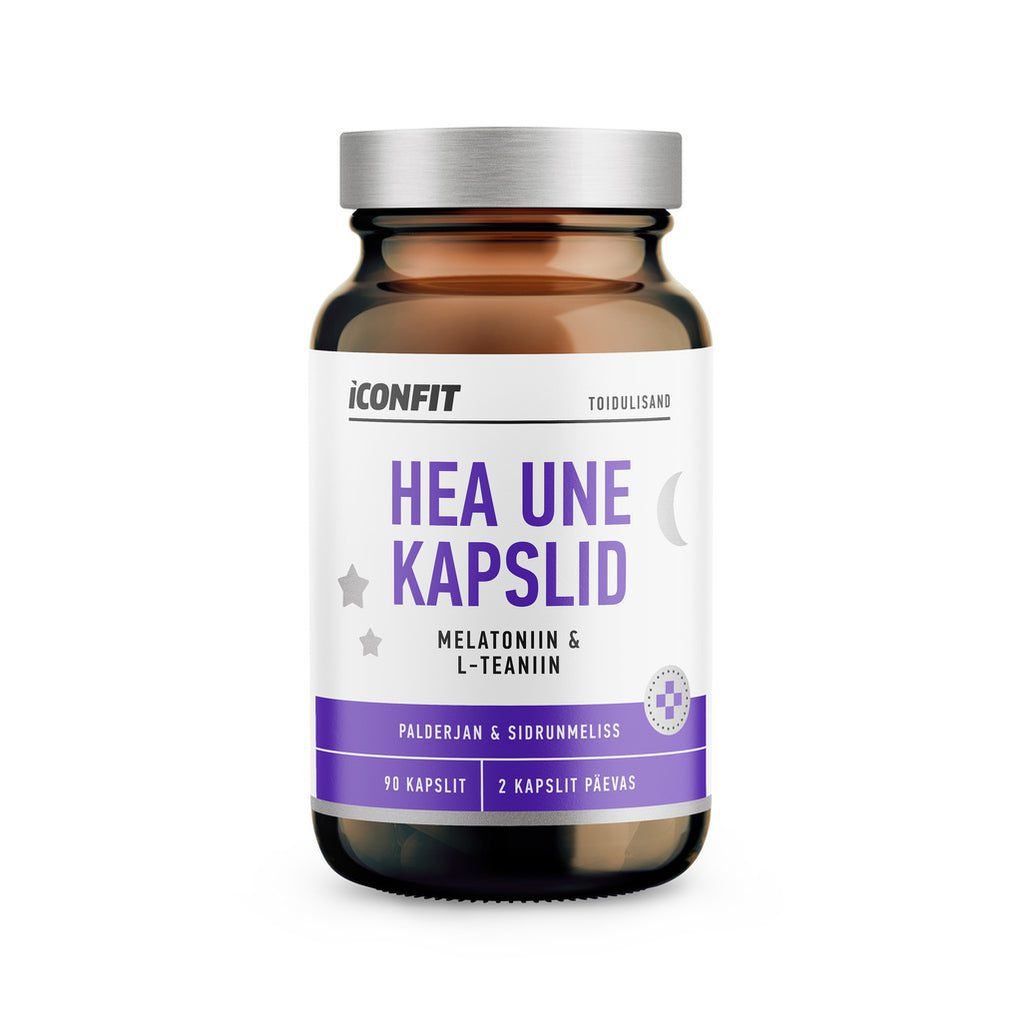
L-theanine is an amino acid found primarily in tea leaves (especially green tea) that promotes relaxation without causing drowsiness. L-theanine increases alpha brain wave activity, which is associated with calm yet sharp focus. This makes L-theanine ideal for both stress relief and mental productivity support, especially when combined with caffeine.
L-theanine and caffeine are one of the most studied nootropic combinations. L-theanine smooths out caffeine's sharp side effects — anxiety and jitteriness — while maintaining its stimulating and focus-enhancing effects. A typical ratio is 2:1 (200 mg L-theanine + 100 mg caffeine). The result is calm, focused energy without the caffeine "crash."
L-theanine is not a sleeping pill but helps with falling asleep by reducing anxiety and calming the mind before bed. Taking 200-400 mg of L-theanine 30-60 minutes before bedtime improves sleep quality by promoting deeper sleep. Unlike melatonin, L-theanine does not cause morning grogginess or dependence.
A typical dose is 100-400 mg per day. For stress relief, 200 mg is sufficient; for sleep support, 200-400 mg before bed. When combined with caffeine, 100-200 mg of L-theanine is typically used. Effects begin within 30-60 minutes and last 4-6 hours. L-theanine is available in capsule and powder forms.
L-theanine is very well-tolerated, and side effects are extremely rare. At high doses (over 400 mg), some people may experience mild headache or digestive discomfort. L-theanine does not cause dependence or tolerance. Pregnant and breastfeeding women, and those on blood pressure medications, should consult a doctor.
Yes, L-theanine is safe for long-term daily use. This is evidenced by the fact that millions of people consume it daily through green tea. Unlike many sedatives, L-theanine does not cause tolerance, dependence, or withdrawal symptoms. Long-term use may even enhance the brain's neuroprotective defenses.